

We may earn a commission when you buy through links on this page, at no extra cost to you. Learn more.
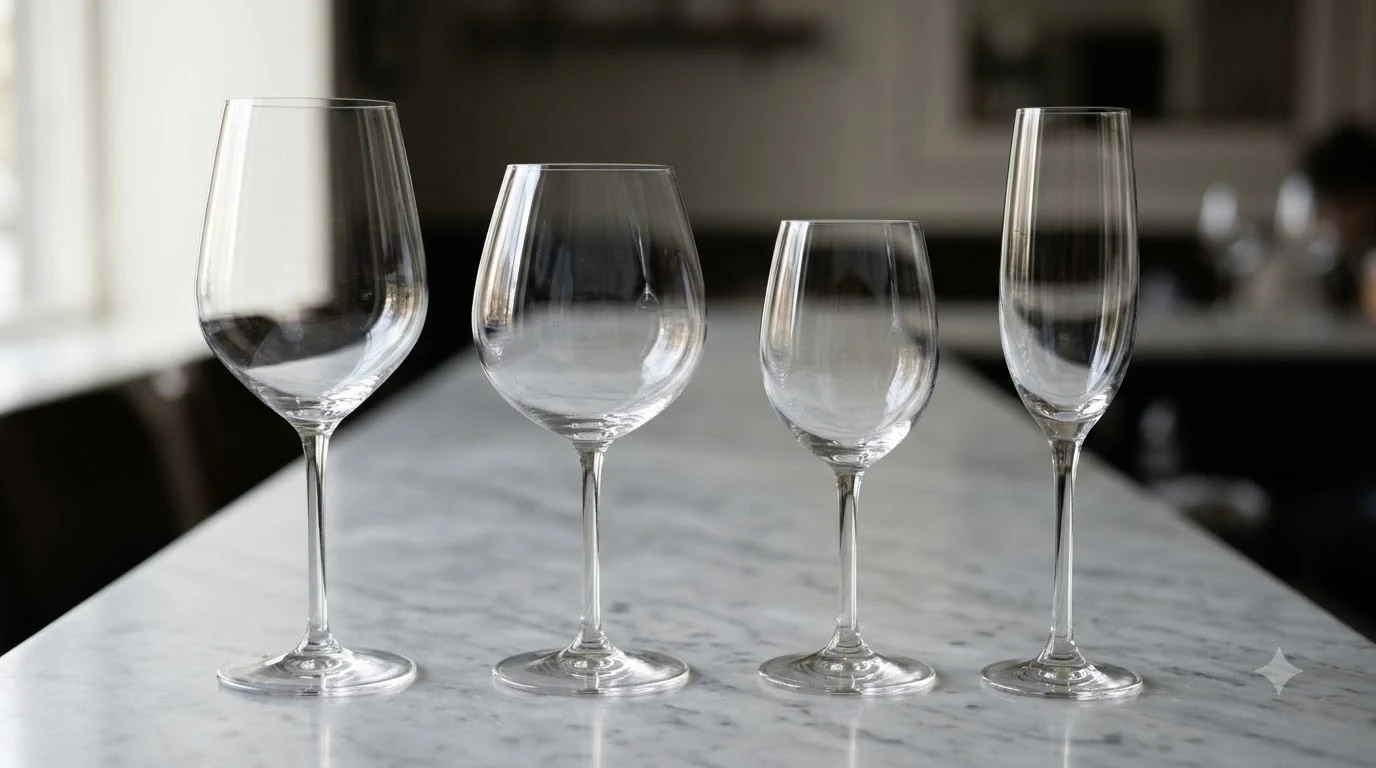
Lalique crystal wine glasses stand apart in luxury stemware by pairing hand-blown French crystal bowls with sculptural, satin-frosted ribbed stems that deliver substantial weight and visual drama rather than featherlight minimalism. Developed in partnership with wine critic James Suckling for the signature 100 Points collection, these stems perform reliably across still and sparkling wines while doubling as collectible tabletop art. Buyers who want ultra-light, dishwasher-safe tasting tools will prefer Austrian stems, whereas hosts seeking heirloom craftsmanship and tactile presence will find few equals.
Most high-end crystal wine glasses chase invisibility, trimming walls and stems until the glass nearly disappears in the hand. Lalique takes the opposite approach at its historic manufacture in northeastern France, treating stemware with the same sculptural discipline it brings to museum vases and perfume flacons.
Specs and Key Features of Lalique Crystal Wine Glasses
Every stem in the flagship Lalique 100 Points collection is mouth-blown and hand-finished in Wingen-sur-Moder, France, combining a clear U-shaped crystal bowl with a satin-frosted and repolished ribbed stem. The line spans specialized bowl geometries alongside a versatile all-purpose profile, each built from traditional French lead crystal rather than lightweight soda-lime glass.
According to Lalique’s official manufacture documentation, the Alsatian glassworks founded by René Lalique in 1922 produces between 350,000 and 400,000 crystal objects annually, with individual pieces passing through up to 40 distinct hot-glass and cold-finishing steps. Following René Lalique’s death in 1945, his son Marc Lalique transitioned production from glass to high-refractive lead crystal, establishing the dense clarity and acoustic ring that define modern Lalique tableware.
In 2012, Lalique partnered with American wine critic James Suckling to launch the 100 Points collection, starting with the Universal Glass and expanding to 15 coordinated vessels including Bordeaux, Burgundy, Champagne, water, and spirits stems. Each piece carries an engraved signature—such as “Lalique France”—on the foot to verify authenticity, and ships in the house’s signature black presentation box tied with a white ribbon.
| Model (100 Points Line) | Height | Bowl Diameter | Capacity | Weight | Primary Wine Style |
|---|---|---|---|---|---|
| 100 Points Universal Glass | 8.74 in (22.2 cm) | 3.23 in (8.2 cm) | 12.85 oz (38 cl) | 6.35 oz (180 g) | All whites, rosés, reds, and sparkling |
| 100 Points Bordeaux Glass | 9.37 in (23.8 cm) | 3.74 in (9.5 cm) | 20.29 oz (60 cl) | 7.58 oz (215 g) | Full-bodied Cabernet Sauvignon, Merlot, Syrah |
| 100 Points Burgundy Glass | 9.06 in (23.0 cm) | 4.17 in (10.6 cm) | 23.33 oz (69 cl) | 7.41 oz (210 g) | Aromatic Pinot Noir, Nebbiolo, oaked Chardonnay |
| 100 Points Champagne Glass | 9.37 in (23.8 cm) | 2.28 in (5.8 cm) | 7.78 oz (23 cl) | 5.64 oz (160 g) | Champagne, Cava, traditional-method sparkling |
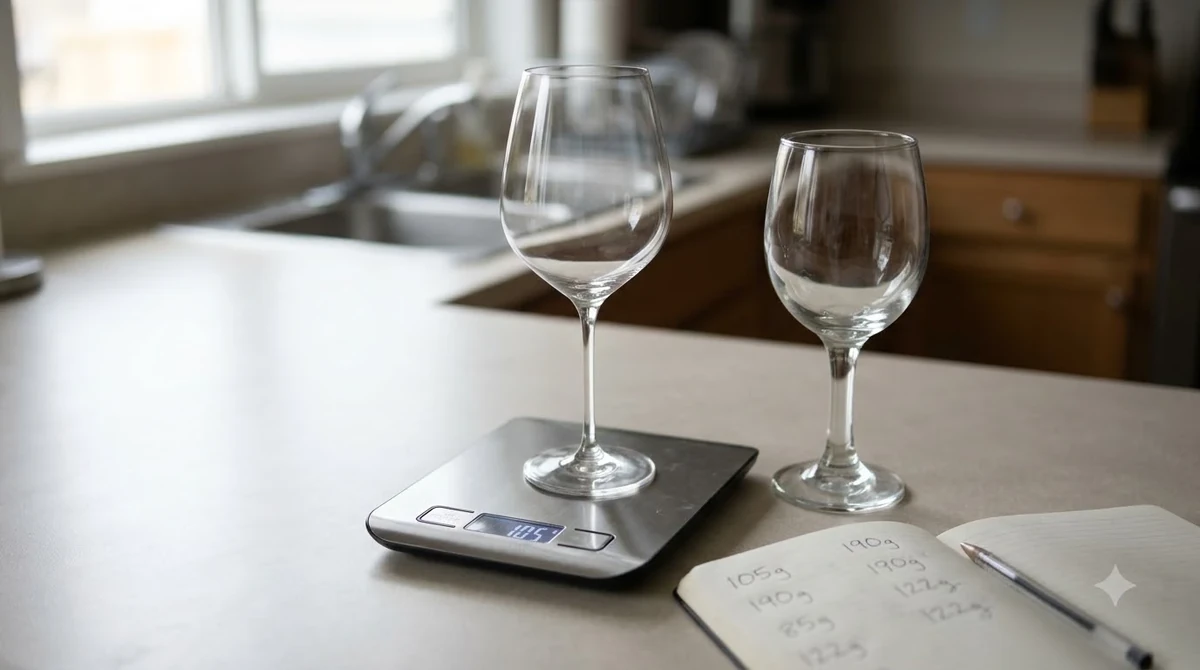
The dimensional spread across the four core wine stems reflects deliberate ergonomic balancing. While the Universal Glass holds a compact 12.85 ounces—comfortably accommodating a standard 5-ounce pour with ample headspace for swirling—the Burgundy Glass widens to 4.17 inches across the bowl to volatilize delicate red-fruit esters in Pinot Noir. Across all four models, weights sit between 160 and 215 grams, noticeably heavier than featherweight competitors due to the solid frosted crystal ribs along the stem.
What Owners Like About Lalique Wine Glasses
Owners and hospitality directors consistently praise Lalique stemware for its unmistakable tactile authority, luminous optical clarity, and ability to serve both as serious tasting hardware and formal dining jewelry. Unlike uniform machine-drawn stems, each glass exhibits subtle hand-blown individuality paired with a velvety satin stem grip that prevents fingers from slipping.
The signature frosted rib motif—achieved through acid-etching and hand-repolishing techniques rooted in René Lalique’s Art Nouveau and Art Deco archives—creates an immediate visual contrast between the matte stem and the brilliant clear bowl. That dual finish refracts candlelight across a formal dinner table while keeping hand warmth away from chilled Chardonnay served at 50°F or Pinot Noir poured at 58°F.
One-Glass Versatility in the 100 Points Universal
James Suckling designed the 12.85-ounce Universal Glass around his own tasting routine, using a single U-shaped bowl profile for everything from crisp Sauvignon Blanc to structured first-growth Bordeaux. At James Suckling Wine Central in Hong Kong, where an entire architectural wall is constructed from these stems, every bottle on the list is poured into the Universal Glass. Owners with limited cabinet space appreciate that a single set handles an entire multi-course dinner—from a 45°F sparkling aperitif to a 62°F Cabernet Sauvignon—without requiring three stem changes per guest.
Substantial Balance and Rim Precision
Many collectors who find ultra-thin Austrian stems nerve-wracking to hold prefer the grounded center of gravity in a 180-gram Lalique Universal or 215-gram Bordeaux glass. The added mass in the ribbed stem anchors the foot on linen tablecloths, reducing tip-over anxiety during lively dinners, while the hand-finished lip remains fine enough to direct wine cleanly onto the center of the palate.
Common Complaints and Practical Drawbacks
The primary drawbacks of Lalique crystal wine glasses center on strict hand-wash-only maintenance, noticeable stem weight, and lead-crystal storage precautions. Buyers accustomed to tossing everyday stemware into a sanitizing dishwasher cycle often find the upkeep demanding after hosting large gatherings.
According to Lalique North America’s care guidelines, no Lalique crystal tableware should ever enter a dishwasher. Lead crystal expands and contracts rapidly under sudden temperature swings; exposing the junction where a thin blown bowl meets a thick frosted stem to hot dishwasher jets risks thermal shock fractures, while alkaline detergents permanently etch the brilliant surface into a dull gray haze.
Tip: When hand-washing Lalique stemware, hold the glass gently by the bowl (parison) rather than the foot or stem. Twisting the bowl and foot in opposite directions while drying with a microfiber cloth is the single most common cause of snapped stems.
Beyond washing discipline, the satin-frosted ribs require gentle handling to avoid contact scratches against hard stone countertops or metal faucets. A few practical realities stand out for prospective buyers:
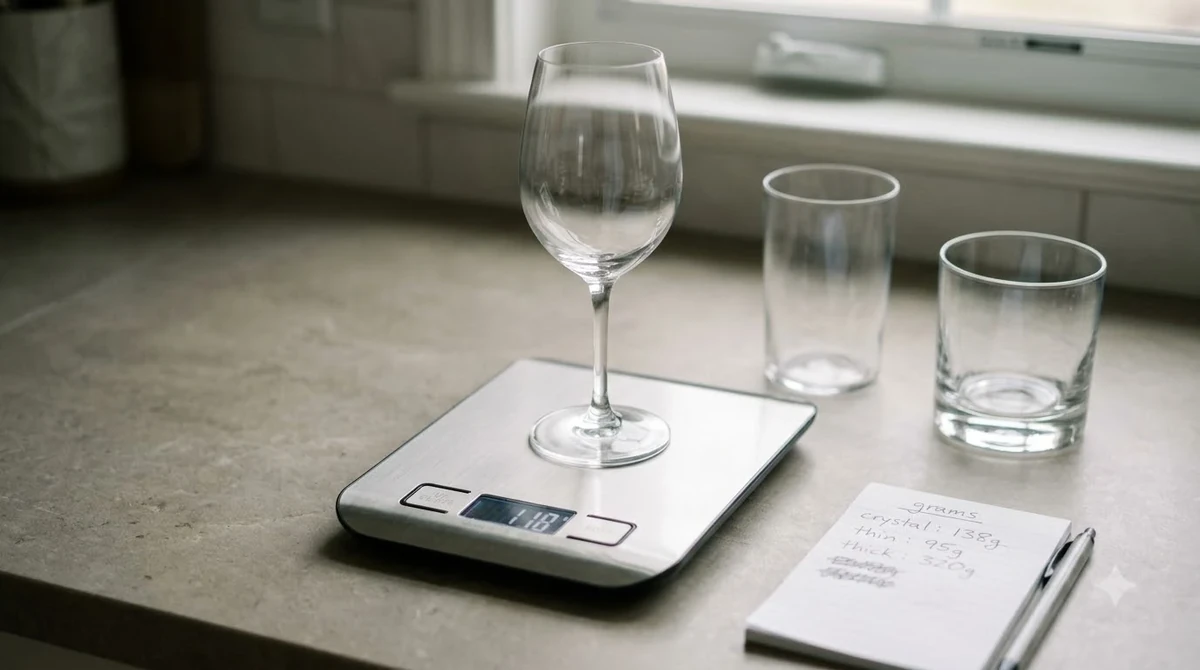
- Heavier in-hand feel. At 180 to 215 grams per stem, Lalique glasses feel noticeably weightier during extended swirling sessions than sub-100-gram lead free crystal wine glasses.
- Lead-crystal storage limits. Because Lalique uses traditional lead crystal rather than barium- or titanium-based substitutes, matching Lalique decanters should never be used for multi-day storage of high-acid wines or spirits, as prolonged contact can leach trace lead.
- Fragile rim-to-bowl walls. Although the ribbed stem feels solid, the mouth-blown bowl itself remains delicate crystal that chips easily if clinked forcefully rim-to-rim or stored upside down on hard shelves.
Who Should Buy and Who Should Skip Lalique Stemware
Lalique crystal wine glasses are built for collectors, formal hosts, and milestone gift buyers who value French decorative arts heritage alongside functional wine service. Conversely, high-volume casual drinkers and blind-tasting purists chasing minimal glass mass will be better served elsewhere.
Who Should Buy
- Formal dinner hosts and collectors. Anyone curating a statement dining table—especially alongside fine porcelain, silver flatware, or Art Deco decor—gets stemware that commands visual attention before a single ounce is poured.
- Milestone wedding and anniversary gift buyers. Every piece arrives signed on the base and packed in Lalique’s ribbon-tied black presentation box, making a pair of 100 Points Universal or Champagne stems an unmistakable heirloom gift.
- Drinkers who dislike ultra-fragile stems. Enthusiasts who enjoy fine Bordeaux or Champagne at 45°F to 65°F but feel anxious gripping featherweight stems appreciate the reassuring heft and wider grip of the ribbed column.
Who Should Skip
- Dishwasher-dependent households. If hand-washing and immediately polishing six to twelve stems with a microfiber cloth after dinner sounds like a chore, Lalique’s strict no-dishwasher rule will lead to frustration or damaged crystal.
How It Compares to Alternatives
Compared to leading Austrian and German competitors, Lalique crystal wine glasses prioritize sculptural weight, frosted decorative artistry, and traditional French lead crystal over whisper-thin walls and featherlight balance. Sommeliers and collectors evaluating wine glasses at the top end of the market typically weigh Lalique 100 Points against ultra-lightweight hand-blown stems from Zalto and Josephinenhütte.
In comparative testing by Food & Wine, sommeliers highlighted the Zalto Denk’Art Universal (18-ounce capacity) and Josephinenhütte Josephine No. 2 (18.6-ounce capacity) for near-weightless ergonomics, razor-thin beadless rims, and easy swirling. By contrast, Lalique’s 100 Points Universal holds a more compact 12.85 ounces and weighs 180 grams—roughly double the mass of featherlight Austrian stems—because of its solid, satin-finished ribbed stem.
Sculptural Presence vs. Weightless Ergonomics
While Zalto and Josephinenhütte rely on lead-free crystal engineered to disappear between the fingers, Lalique intentionally celebrates the physical presence of French crystal as an art object. That distinction shapes the drinking experience: Austrian stems excel during multi-hour blind tastings where wrist fatigue matters, whereas Lalique transforms a single bottle of vintage Champagne served at 45°F or mature Bordeaux decanted for 45 minutes into a ceremonial event. Among luxury Glassware Brands, Lalique remains unique for combining modern wine-critic geometry with early twentieth-century decorative glassmaking.
Care, Storage, and Authenticity Checks
Proper care for Lalique crystal wine glasses requires lukewarm hand-washing, gentle towel drying, upright cabinet storage, and careful avoidance of harsh chemicals or sudden temperature shifts. Treating these stems like standard kitchen glassware quickly dulls the hand-repolished frosted ribs or cracks the delicate bowl-to-stem joint.
Following a dinner service, rinse each bowl with warm—never scalding—water and a drop of mild dish soap using a soft, non-abrasive sponge. According to Lalique North America’s care instructions, owners should never place crystal in a dishwasher, expose it to microwave heat, or clean it with abrasive scouring pads. Dry the bowl and frosted stem immediately with a lint-free microfiber cloth while cradling the bowl in one palm rather than twisting the foot.
Removing Mineral Haze and Storing Safely
Hard tap water can eventually leave a faint white mineral veil inside the bowl, particularly on tall 9.37-inch Bordeaux and Champagne stems. Lalique recommends dissolving stubborn mineral deposits by swirling a mixture of coarse salt and distilled white vinegar inside the glass, rinsing thoroughly with clean warm water, and buffing dry. Store stems upright on a flat wood or lined shelf with at least half an inch of clearance between rims—never upside down on the lip—and verify authenticity by checking the base for an engraved signature such as “Lalique France.”
Frequently Asked Questions
Are Lalique crystal wine glasses dishwasher safe?
No, Lalique explicitly states that none of its crystal stemware or tableware is dishwasher safe. High water temperatures cause rapid thermal expansion in lead crystal that can fracture the stem joint, while dishwasher detergents permanently etch the clear bowl and satin-frosted ribs.
Do Lalique crystal wine glasses contain lead?
Yes, modern Lalique stemware is crafted from traditional high-refractive French lead crystal rather than lead-free barium or titanium crystal. Marc Lalique converted the Wingen-sur-Moder glassworks from soda-lime glass to lead crystal after 1945 to achieve greater brilliance, weight, and acoustic clarity.
Which Lalique 100 Points wine glass is best if you only buy one set?
The 12.85-ounce 100 Points Universal Glass is the most versatile single choice, designed by James Suckling to serve crisp whites, rosés, sparkling wines, and full-bodied reds from one U-shaped bowl. James Suckling designed it to serve across diverse wine styles, including at his Hong Kong wine bar.
How can you tell if a Lalique wine glass is authentic?
Authentic Lalique pieces typically feature an engraved signature on the base or lower edge—such as “Lalique France” on post-1945 crystal or “R. Lalique” on earlier vintage works. New purchases from Lalique North America’s official online store arrive in signature gift packaging and qualify for a 30-day return window when kept in unused condition with original packaging.
Can you leave leftover wine in a Lalique crystal decanter overnight?
Standard crystal care guidance and Lalique recommendations advise against storing wine or spirits inside lead crystal decanters for extended periods. Prolonged contact between acidic beverages and lead crystal can leach trace lead over time, so leftover wine should be transferred back into a glass bottle and refrigerated at roughly 40°F for 3 to 5 days.
Lalique crystal wine glasses reward hosts and collectors who treat wine service as both a sensory ritual and a visual centerpiece. By pairing James Suckling’s functional bowl proportions with hand-blown Alsatian craftsmanship and disciplined hand-wash care, the 100 Points collection offers enduring tabletop presence across every style from chilled Champagne to cellared Bordeaux.
More in Wine Glasses
 Zwiesel Glas Champagne Flutes for Durable Everyday Sparkling WineUpdated Nov 20, 2026
 Vera Wang Crystal Wine Glasses: Design, Quality and Buying AdviceUpdated Nov 20, 2026
 West Elm White Wine Glasses: Compare Designs for Better Everyday Wine ServiceUpdated Nov 20, 2026
 Zalto Stemless Wine Glasses: Discover Their Distinctive DesignsUpdated Nov 20, 2026
 Viski Champagne Glasses That Match Your Style and Sparkling WineUpdated Nov 20, 2026
 Vista Alegre Decanter Review: Crystal Style and Wine ServiceUpdated Nov 20, 2026