

We may earn a commission when you buy through links on this page, at no extra cost to you. Learn more.
A lalique decanter is a luxury French crystal centerpiece that combines decorative craftsmanship with practical wine and spirit service, making it particularly appealing to collectors and hosts who value presentation. Lalique offers several distinct designs, including the 100 POINTS Vintage, Caldera, Owl, and Wingen decanters. Their capacities, dimensions, weights, and decorative details differ considerably, so choosing the right piece requires more than comparing appearances. The strongest reason to consider one is its combination of artistic character and functional glassware, although its premium positioning and delicate construction make it a less obvious choice for casual everyday use.
Lalique occupies a distinctive position in luxury tableware. Its crystal decanters are designed to do more than hold wine: they become part of the presentation, whether placed beside a formal dinner setting, displayed in a dining room cabinet, or used when serving a special bottle. The collection includes traditional bottle-inspired silhouettes, sculptural designs, and decorative pieces with recognizable Lalique detailing. This review examines the available models, their published specifications, practical advantages, potential drawbacks, and the buyers most likely to appreciate them.
Specs and Key Features: What Makes Lalique Decanters Different?
Lalique decanters combine French crystal production with individual collection designs. The range includes functional wine vessels and more elaborate decorative pieces, with substantial differences in capacity, weight, and shape.
One important distinction is that Lalique does not offer one standardized decanter design. The 100 POINTS Vintage model is relatively narrow and bottle-shaped, while Caldera has a much broader silhouette and a contrasting colored stopper. The Owl and Versailles designs offer different decorative approaches. These differences affect how each piece looks on a table, how comfortably it can be handled, and how much space it requires in storage.
The following specifications are published by Lalique and, for the Wingen model, its authorized retail listing. Measurements are useful because photographs can make crystal pieces appear considerably smaller or larger than they are in person.
| Model | Capacity | Dimensions | Weight | Distinguishing feature |
|---|---|---|---|---|
| 100 POINTS Vintage | 75 cl | 32 × 9.5 cm | 1.068 kg | 18th-century Bordeaux bottle inspiration |
| Caldera | 140 cl | 31.5 × 19.2 cm | 1.45 kg | Blue crystal stopper and sculptural body |
| Owl | 85 cl | 23.5 × 13 cm | 1.665 kg | Distinctive crystal owl stopper |
| Wingen Liquor | 16.9 fl oz | 11.61 × 2.95 inches | Not specified | Geometric satin-finished crystal |
| Versailles | Not specified | 30.8 × 17.3 cm | 1.371 kg | Grapes-and-vine-leaves decoration |
These figures reveal several important differences. The 100 POINTS Vintage holds exactly 750 ml, making it a natural match for a standard wine bottle. Caldera has a substantially larger 1.4-liter capacity, while the Owl offers 850 ml. The Wingen Liquor Decanter is a smaller-format vessel intended for spirits rather than a full bottle of table wine.
Material and finish also deserve attention. Lalique identifies these models as crystal and describes its pieces as handcrafted in France. The Caldera combines a clear body with a Persepolis blue stopper, whereas the Wingen uses satin-finished crystal to create a more structured appearance. The Versailles introduces a decorative grape-and-vine motif that connects its appearance directly to wine culture.
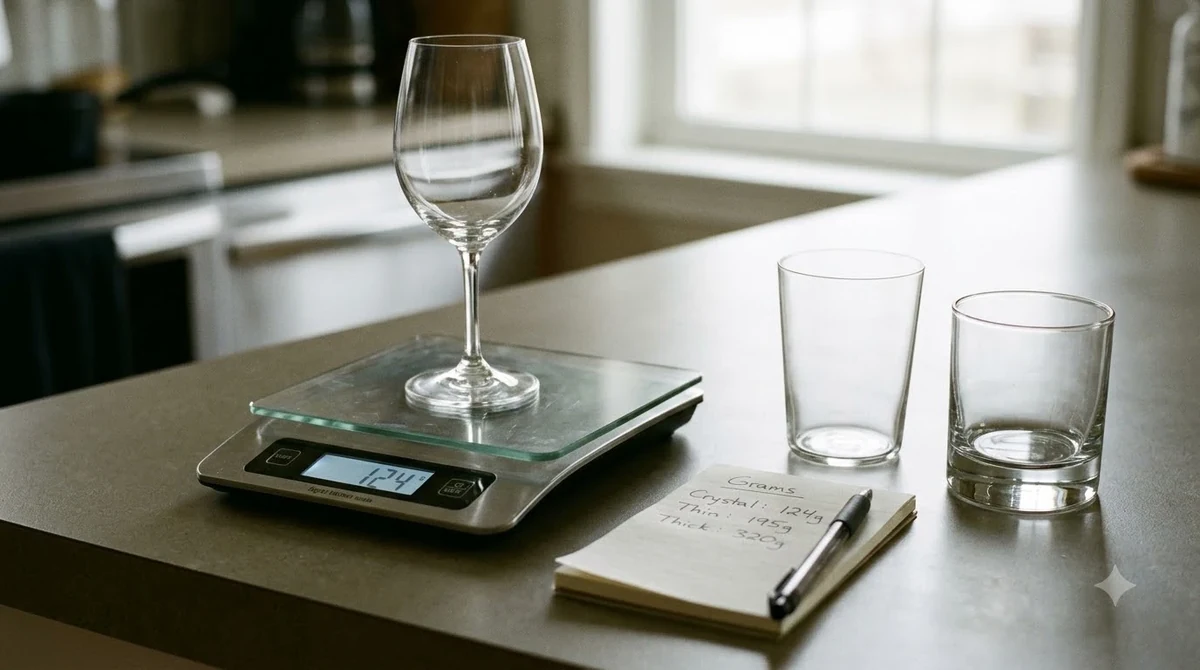
For shoppers comparing premium tableware, it helps to consider the decanter alongside the rest of the serving setup. A sculptural crystal vessel can look particularly striking with carefully selected wine glasses, but the visual proportions should suit the table rather than compete with every other piece.
What Owners and Collectors May Appreciate
The strongest appeal of Lalique crystal is its decorative identity, supported by specific design details rather than an anonymous luxury appearance. Buyers interested in French craftsmanship, recognizable collections, and distinctive serving pieces have several reasons to consider the range.
It is important to distinguish published product information from verified owner feedback. The Bloomingdale’s listing for the Wingen Liquor Decanter did not contain customer reviews when examined. Consequently, there is insufficient verified review evidence to claim that owners consistently praise particular performance characteristics or report a specific long-term experience. The following advantages are based on documented design features and practical considerations rather than invented testimonials.
Distinctive designs rather than interchangeable shapes
The 100 POINTS Vintage Decanter is a particularly interesting option for wine enthusiasts. Its tall, narrow proportions recall historic Bordeaux bottles, giving it a more traditional character than many modern, wide-bodied decanters. The connection to James Suckling also gives the collection a recognizable wine-oriented identity.
Caldera takes a different direction. Its 31.5 cm height, 19.2 cm diameter, and 140 cl capacity create a more substantial presence. The blue stopper provides a contrasting detail, while the textured appearance of the body references volcanic landscapes. This is a piece that can function as a serving vessel and a decorative object between occasions.
French production and recognizable design history
Lalique identifies the 100 POINTS Vintage, Caldera, Owl, and Versailles decanters as handcrafted in France. This matters to buyers who specifically seek French-made crystal rather than simply purchasing an expensive glass vessel without a clear production identity.
The Owl collection has an especially interesting design history. Lalique states that the original concept began with two tumblers in 1994, followed by a decanter in 1995. Marie-Claude Lalique receives credit for the original decanter design. Its owl stopper creates a recognizable focal point that distinguishes it from conventional wine-serving equipment.
Suitable for formal entertaining
A carefully chosen decanter can change the appearance of a dinner service. The Versailles, for example, has grapes-and-vine-leaves decoration and a satin finish. Its 30.8 cm height gives it enough presence to become a focal point without requiring the exceptionally broad footprint of the Caldera.
The Owl also offers an unusual conversation piece. Its 85 cl capacity is sufficient for a standard 750 ml wine bottle, although its published weight of 1.665 kg means that it is not a lightweight alternative to ordinary serving glassware.
These characteristics make the collection especially appealing for formal dinners, anniversary gifts, special wine occasions, and curated home bars. For someone building a coordinated serving collection, matching the decanter with suitable red wine glasses can create a more considered presentation.
Common Complaints and Practical Drawbacks
The principal disadvantages of luxury crystal decanters are their handling requirements, storage demands, and limited practicality compared with simpler wine-serving vessels. These are considerations to evaluate before purchasing, even when the design is particularly attractive.
There is not enough published customer feedback in the sources examined to establish a recurring Lalique-specific defect or complaint rate. It would therefore be misleading to describe hypothetical problems as confirmed owner experiences. Instead, several practical limitations follow directly from the documented dimensions, weights, materials, and care information.
Weight can make pouring less convenient
Consider the Owl Decanter. Its empty weight is 1.665 kg, before adding 850 ml of wine. That is a substantial amount to hold securely while pouring, particularly for someone accustomed to a lightweight glass carafe.
The Caldera is lighter when empty at 1.45 kg, but its 19.2 cm diameter creates a broad body that needs a secure grip. The 100 POINTS Vintage is narrower and weighs 1.068 kg, which may make it easier to handle for some users. However, its tall 32 cm profile requires attention when lifting, pouring, and returning it to a shelf.
Storage requires planning
A standard kitchen cabinet may not accommodate a tall or unusually shaped crystal decanter. The 100 POINTS Vintage reaches 32 cm in height, while the Wingen Liquor Decanter measures 11.61 inches tall. Buyers should measure available vertical clearance and consider the width of the opening through which the piece must pass.
Wide-bodied models create a different problem. Caldera measures 19.2 cm across, so its storage footprint is considerably larger than that of the slender 100 POINTS Vintage. Decorative stoppers also need enough clearance to be removed without contacting shelves or other glassware.
Cleaning is less convenient than washing ordinary glassware
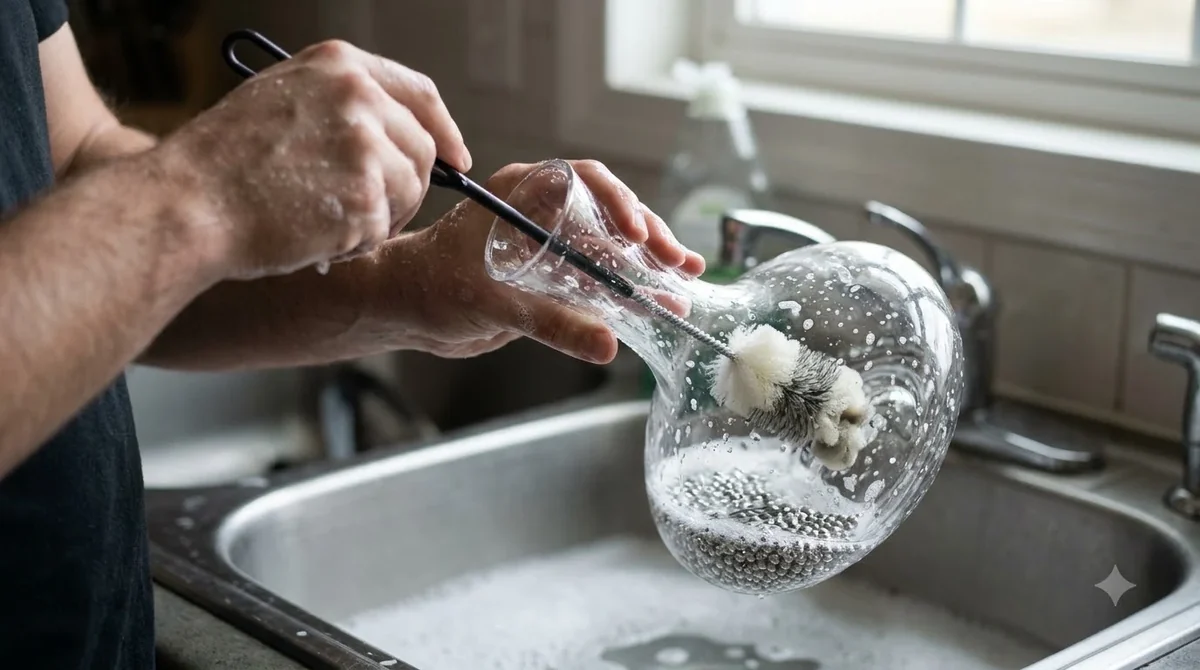
Crystal vessels require careful handling, especially when their interior shapes make it difficult to reach the bottom. A narrow neck can complicate cleaning, and water droplets may remain visible if the piece is not dried properly.
Bloomingdale’s specifies hand washing for the Wingen Liquor Decanter. Selfridges recommends wiping the Versailles with a clean, dry cloth. These instructions reinforce the need to treat decorative crystal differently from ordinary kitchen carafes that are selected primarily for convenience.
The decorative appeal may exceed the practical need
Not every bottle benefits from being transferred to a decorative decanter. A young, tannic Cabernet Sauvignon may benefit from aeration, while an older Pinot Noir may require gentler handling to avoid unnecessary exposure to oxygen. A decanter’s appearance does not determine the correct serving method for every wine.
Someone who mainly wants to separate sediment or aerate wine can find less elaborate vessels that perform those tasks without requiring the same level of care. Lalique makes more sense when the visual and collectible qualities are part of the purchase decision.
Who Should Buy and Who Should Skip a Lalique Decanter?
A Lalique decanter is most suitable for buyers who appreciate decorative crystal and have a reason to use or display a distinctive serving piece. It is less suitable for anyone whose main priority is inexpensive, low-maintenance wine aeration.
Wine enthusiasts who regularly host formal dinners may appreciate having a dedicated vessel for special bottles. The 100 POINTS Vintage is particularly relevant because its 75 cl capacity matches a standard wine bottle. Its bottle-inspired shape also creates a visual connection to traditional Bordeaux service.
Collectors may prefer the Owl or Versailles designs. The Owl has a documented design history dating to 1995, while the Versailles combines crystal with grape-and-vine decoration. Both have recognizable visual identities that distinguish them from simple functional carafes.
Buy if presentation matters as much as function
Consider Lalique if the decanter will occupy a visible place in a dining room, home bar, or glassware cabinet. A well-selected piece can complement formal table settings and become part of a broader collection of crystal serving accessories.
It is also worth considering for a significant gift. The connection to French craftsmanship, the recognizable designs, and the availability of different collections make it possible to select a piece that reflects the recipient’s interests. A wine collector may prefer the 100 POINTS Vintage, while someone interested in sculptural decoration may gravitate toward Caldera or Owl.
Skip if convenience is the main priority
Buyers who frequently wash glassware in a dishwasher, store everything in compact cabinets, or prefer lightweight serving equipment should think carefully before choosing a large crystal decanter.
Someone who opens wine occasionally and only wants a basic aeration vessel may be better served by a simpler design. Likewise, people who routinely serve wine outdoors or in crowded spaces may prefer equipment that can be replaced easily if accidentally damaged.
There is also little reason to choose a 140 cl vessel if the household generally serves one bottle at a time and does not need additional presentation capacity. Caldera’s larger dimensions are part of its visual identity, but they are not automatically an advantage for every wine drinker.
Tip: Before selecting a model, measure the intended display shelf and the available washing area. Also compare the empty weight with the amount of wine the vessel will hold. A decanter that looks attractive in a photograph may be inconvenient if it is difficult to lift, clean, or store safely.
How It Compares to Other Lalique Decanters
The best alternative to a Lalique model may be another design within the same collection. The available choices differ in capacity, shape, decorative emphasis, and intended use, so comparing them directly is more useful than treating every piece as an interchangeable luxury decanter.
The 100 POINTS Vintage, Caldera, Owl, and Wingen provide four particularly different approaches. Versailles adds another option for shoppers who prefer traditional wine-related decoration.
100 POINTS Vintage versus Caldera
The 100 POINTS Vintage is the more traditional wine-service choice. Its 75 cl capacity is equivalent to a standard bottle, and its narrow 9.5 cm diameter creates a tall, restrained silhouette. The collaboration with James Suckling gives it a clear connection to wine appreciation. Lalique provides additional specifications and design details on its official 100 POINTS Vintage Decanter product page.
Caldera is considerably broader and holds 140 cl. Its colored stopper and textured body give it a more sculptural appearance. It is the more suitable choice for someone who prioritizes a distinctive centerpiece and appreciates a larger serving vessel.
Neither model is universally better. The 100 POINTS Vintage is easier to match with traditional wine service, while Caldera has a more dramatic decorative character.
Owl versus Wingen
The Owl is a decorative wine decanter with an 85 cl capacity. Its crystal owl stopper and recognizable design history make it particularly interesting to collectors and people who enjoy animal-inspired objects.
Wingen takes a more restrained geometric approach. Bloomingdale’s lists its liquor decanter at 16.9 fluid ounces, with a height of 11.61 inches and a diameter of 2.95 inches. That smaller capacity makes it more appropriate for spirits than for transferring an entire bottle of wine.
The difference is important. Someone shopping for a wine decanter should not select Wingen Liquor simply because it belongs to the same broader barware collection. Its intended format is substantially smaller.
Versailles for traditional decorative styling
Versailles is a strong alternative for someone who prefers botanical ornamentation to the modern appearance of Caldera or the recognizable owl stopper. Its grapes-and-vine-leaves motif creates an immediate connection to wine service.
At 30.8 cm tall and 17.3 cm in diameter, Versailles has a substantial presence. Its published weight of 1.371 kg also places it between the lighter 100 POINTS Vintage and the heavier Owl Decanter.
For a coordinated table setting, the design can be paired with traditional stemware or more contemporary crystal pieces. Those considering a broader sparkling-wine service may also want to compare the available champagne flutes before selecting a complete tableware arrangement.
Overall comparison
For a standard bottle of red wine, the 100 POINTS Vintage offers the most straightforward capacity match. For a larger statement piece, Caldera is the more visually substantial option. Owl and Versailles appeal to buyers who place particular importance on decorative character, while Wingen Liquor belongs in a smaller spirits-serving category.
It is also important to distinguish between published specifications and personal preference. Capacity and dimensions are measurable, but the most attractive design depends on the room, table setting, and other glassware already in the collection. Buyers should prioritize the vessel that fits their actual serving habits rather than assuming that the largest or most elaborate model is automatically the best purchase.
Frequently Asked Questions
Is Lalique crystal the same as ordinary lead crystal?
Crystal terminology can refer to different glass compositions and manufacturing standards. The product descriptions examined identify these decanters as crystal but do not provide a complete chemical composition for every model. Buyers who specifically require lead-free crystal should request written material information from Lalique before purchasing.
Can a Lalique decanter be used for whiskey and other spirits?
Yes, Lalique offers dedicated spirits-oriented designs, including the Wingen Liquor Decanter and Versailles. The Wingen listing at Bloomingdale’s specifies a capacity of 16.9 fluid ounces, making it a smaller-format choice for a home bar. Always empty and clean a vessel between different beverages to prevent lingering aromas from affecting the next serving.
Does crystal change the flavor of wine?
A clean, properly maintained glass decanter should not intentionally add flavor to wine. Differences in aroma and taste after decanting generally relate to oxygen exposure, sediment separation, and the wine’s condition rather than the decorative design of the vessel. Residual detergent, water, or previous beverage aromas are more relevant practical concerns.
How long should wine remain in a Lalique decanter?
There is no single recommended duration for every wine. Young, structured red wines may benefit from approximately 30 to 60 minutes of aeration, while delicate older wines can lose desirable aromas if left exposed for too long. A mature bottle should generally be opened and evaluated carefully before deciding whether it needs extended aeration.
Can Lalique decanters be displayed without being used?
Yes. Their sculptural forms and decorative details make them suitable for display in a cabinet or on a dedicated shelf. Store them in a stable location away from direct contact with other objects, and avoid placing heavy items above them. A protective display area is particularly useful for models with distinctive stoppers that could be damaged if knocked.
A Lalique decanter is best understood as luxury crystal that also serves a practical purpose, rather than as a basic wine accessory. The 100 POINTS Vintage is a particularly sensible choice for standard bottle service, while Caldera, Owl, Wingen, and Versailles each offer a different decorative and functional profile. Compare the dimensions, capacity, weight, and intended beverage before choosing, and select the design that will genuinely suit the way the piece will be used and displayed.
More in Wine Glasses
 Zwiesel Glas Champagne Flutes for Durable Everyday Sparkling WineUpdated Nov 20, 2026
 Vera Wang Crystal Wine Glasses: Design, Quality and Buying AdviceUpdated Nov 20, 2026
 West Elm White Wine Glasses: Compare Designs for Better Everyday Wine ServiceUpdated Nov 20, 2026
 Zalto Stemless Wine Glasses: Discover Their Distinctive DesignsUpdated Nov 20, 2026
 Viski Champagne Glasses That Match Your Style and Sparkling WineUpdated Nov 20, 2026
 Vista Alegre Decanter Review: Crystal Style and Wine ServiceUpdated Nov 20, 2026