

We may earn a commission when you buy through links on this page, at no extra cost to you. Learn more.
Lalique champagne flutes are luxury French crystal glasses worth considering for buyers who prioritize distinctive craftsmanship, elegant presentation, and collectible tableware. The 100 POINTS Champagne glass, developed with wine critic James Suckling, combines a slender silhouette, clear crystal, and a satin-finished stem. Its 230 ml capacity makes it suitable for Champagne and other sparkling wines, although its premium positioning and delicate construction make it less practical for casual everyday entertaining.
Lalique occupies a distinctive position in luxury glassware, bringing decorative crystal craftsmanship into the dining room. Its Champagne collection appeals to buyers who want more than a functional vessel: the glass itself becomes part of the occasion. The 100 POINTS collection is particularly interesting because it combines a recognizable luxury design approach with a collaboration centered on wine appreciation. Before purchasing, however, it helps to understand the glass’s proportions, intended use, care requirements, and alternatives within the collection. This review examines the 100 POINTS Champagne glass and the considerations that matter most when choosing Lalique stemware.
Specs and Key Features of Lalique Champagne Flutes
The Lalique 100 POINTS Champagne glass combines French crystal craftsmanship with a tall, narrow profile designed for sparkling wine service. Its measured dimensions and relatively generous capacity distinguish it from smaller traditional flutes.
The manufacturer’s product information identifies the glass as clear crystal, handcrafted in France, and developed in collaboration with James Suckling. The collaboration gives the collection a wine-focused identity rather than making it exclusively decorative. Lalique describes its approach as universal, with glass shapes intended for Champagne, other wines, and spirits. This makes the collection interesting for buyers who appreciate specialized glassware but also want some flexibility across their home bar. The complete specifications and collection details are available on Lalique’s official 100 POINTS Champagne glass product page.
The Champagne glass measures 23.8 cm tall and 5.8 cm in diameter, with a stated capacity of 23 cl, or 230 ml. It weighs 160 grams. These specifications provide a useful starting point for assessing its proportions, storage requirements, and suitability for a particular table setting. Its narrow diameter creates a more restrained presentation than a wide-bowled Champagne coupe.
| Specification | Lalique 100 POINTS Champagne Glass |
|---|---|
| Manufacturer | Lalique |
| Collection | 100 POINTS |
| Collaboration | James Suckling |
| Material | Clear crystal |
| Height | 23.8 cm (9.37 inches) |
| Diameter | 5.8 cm |
| Capacity | 230 ml (23 cl) |
| Weight | 160 g |
| Country of manufacture | France |
| Production description | Handcrafted |
| Manufacturer reference | 10331200 |
One important design detail is the treatment of the stem. Lalique describes the 100 POINTS construction as blown crystal with a satin-finished stem and repolished crystal. The combination creates a visual contrast between the clearer polished surfaces and the softer appearance of the stem. Bloomingdale’s also describes the collection’s finishing process as involving careful sanding and polishing for clarity.
The result is a glass that balances decorative presentation with wine service. Its tall proportions make it recognizable as Champagne stemware, while its relatively narrow bowl helps preserve the familiar visual character of a flute. The glass is not simply a plain transparent vessel: the contrast in surface treatment is central to its identity.
For a broader look at different shapes and proportions, compare these specifications with our guide to champagne flutes. The right choice depends on whether appearance, aroma development, serving flexibility, or ease of maintenance matters most.
What Owners Like About the Lalique 100 POINTS Glass
The strongest appeal of the Lalique Champagne glass is its combination of recognizable design, French crystal craftsmanship, and wine-related collaboration. Buyers interested in premium entertaining pieces are likely to appreciate its appearance as much as its practical function.
The James Suckling collaboration gives the 100 POINTS collection a clear identity. Rather than presenting the glass as an ordinary piece of decorative stemware, Lalique connects its design to the experience of appreciating wine. The collection’s universal philosophy also means the glass is not restricted to a single narrow category of beverage. Champagne and other sparkling wines remain its natural uses, but the broader collection is intended to accommodate different wine and spirits occasions.
Another appealing feature is the combination of polished crystal and the satin-finished stem. This surface contrast creates visual interest without requiring colored decoration, engraved patterns, or elaborate ornamentation. Clear crystal also allows the color and movement of sparkling wine to remain visible. That is particularly useful for vintage Champagne, rosé sparkling wine, and wines with distinctive golden or pink tones.
Its 23.8 cm height gives the glass an elegant presence on a dining table. The 5.8 cm diameter keeps the overall outline relatively slender, making it suitable for formal place settings where a collection of different stemware pieces may be arranged together. Buyers who appreciate coordinated tableware can also consider the wider 100 POINTS assortment, which includes other glass shapes.
Customer feedback provides a limited but relevant indication of its presentation. A Bloomingdale’s customer review describes the flutes as elegant and specifically mentions their James Suckling design collaboration. That comment supports the product’s visual appeal, although one review is not enough to establish long-term durability or broad customer satisfaction.
The French manufacturing origin is another point of interest. Lalique identifies this particular Champagne glass as handcrafted in France, a meaningful specification for buyers who place value on traditional crystal production and specialist finishing. The combination of origin, material, and collaboration provides a clearer reason for choosing this glass than appearance alone.
Finally, the 230 ml capacity offers a useful amount of room for Champagne service. A typical 5 oz pour is approximately 148 ml, leaving additional space above the wine. This helps prevent overfilling and gives the drinker room to appreciate the rising bubbles. The glass is therefore suitable for conventional Champagne pours without requiring a particularly small serving.
Common Complaints and Potential Drawbacks
Lalique Champagne glasses have some practical limitations that buyers should consider before purchasing. Their luxury positioning, delicate crystal construction, and hand-washing requirements make them less convenient than everyday restaurant-style glassware.
The first consideration is handling. A glass measuring 23.8 cm tall needs appropriate cupboard clearance and careful placement. Its narrow profile may fit comfortably in some stemware racks, but the available space between shelves and the design of the storage system still matter. Buyers with crowded kitchen cabinets should measure the intended storage area before adding tall crystal stemware.
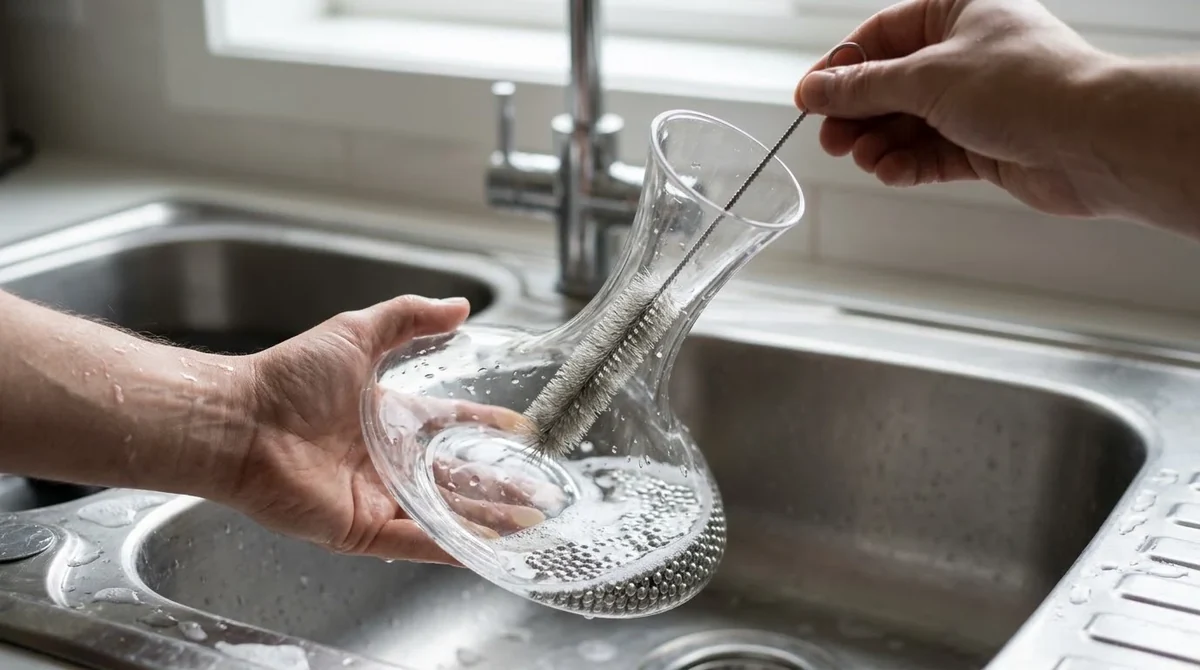
The second consideration is cleaning. Bloomingdale’s specifically lists hand washing for the 100 POINTS Champagne flute. This means owners should not assume that a dishwasher is suitable, even if their appliance includes a delicate-glass cycle. Hand washing adds time after entertaining and requires enough sink space to handle tall stemware without striking other dishes.
Crystal also deserves careful treatment during storage. The long stem and elevated bowl create areas that can be damaged if glasses knock against one another. Stacking is not appropriate for this type of stemware. A dedicated cabinet, individual protective storage, or a properly designed hanging rack is preferable to placing the glasses loosely among everyday drinking vessels.
Another potential drawback is the narrow specialization of the Champagne glass. Although Lalique describes the collection as having a universal philosophy, a dedicated Champagne flute does not offer the same aroma space as a larger wine glass. Drinkers who frequently serve mature vintage Champagne or complex sparkling wines may prefer a broader bowl that allows more room for aromatic development.
There is also a difference between attractive product photography and the experience of owning crystal. The appearance of a glass on a retailer’s product page cannot establish how comfortable its stem feels, how easily it fits into a cupboard, or how well it suits a particular hand. These practical considerations are important for buyers choosing expensive stemware for regular entertaining.
Customer feedback should be interpreted carefully. Bloomingdale’s published feedback includes a positive comment about elegance and design, but the limited amount of available feedback does not provide a substantial record of repeated use, breakage, or cleaning performance. Buyers should therefore avoid treating a small number of positive comments as proof of long-term reliability.
Finally, Lalique’s decorative character may not suit every table setting. Someone who prefers minimal, lightweight, uncomplicated glassware may find the collection’s distinctive finishing less appealing than a straightforward modern flute. The choice is a matter of personal preference, not an indication that one style is universally better.
Who Should Buy Lalique Champagne Glasses and Who Should Skip Them
Lalique 100 POINTS Champagne glasses are most appropriate for buyers who appreciate luxury crystal, formal entertaining, and carefully designed tableware. They are less suitable for households that prioritize dishwasher convenience, inexpensive replacement, or heavy everyday use.
They make particular sense for collectors of French crystal and people building a coordinated dining collection. The handcrafted French origin and James Suckling collaboration give the 100 POINTS glass an identifiable design story. Someone purchasing a pair for an anniversary dinner or adding several glasses to a formal dining cabinet may value these characteristics more than the practical advantages of ordinary stemware.
They are also worth considering for people who host Champagne-focused occasions. A well-presented glass can contribute to the atmosphere of a celebration, and the tall silhouette works particularly well with traditional sparkling wine service. Wedding anniversaries, milestone birthdays, formal dinners, and holiday gatherings are natural occasions for this kind of glassware.
Buyers who enjoy several different wine styles may appreciate the wider 100 POINTS collection. Lalique offers a universal glass alongside its Champagne glass and coupe, allowing someone to select different shapes for different occasions. The 38 cl universal glass provides a larger capacity than the 23 cl Champagne glass, giving buyers another option for wine service.
However, anyone seeking uncomplicated everyday stemware should consider alternatives. A household that frequently uses a dishwasher, entertains large groups, or has limited cabinet space may find specialized luxury crystal inconvenient. The same applies to families with young children or busy dining environments where accidental knocks are more likely.
Buyers who primarily drink sparkling wine for casual meals should also consider whether they need a luxury-specific flute. A practical everyday glass may provide the required function with fewer maintenance concerns. The distinction is especially relevant if the glasses will be used frequently rather than reserved for special occasions.
There is another important consideration for wine enthusiasts: drinking preference. Traditional flutes emphasize a narrow presentation, while broader sparkling-wine glasses provide more space for aromas. People who regularly serve complex vintage Champagne may prefer a glass that accommodates more expressive wine styles.
For shoppers still comparing different designs, our best champagne glass recommendations provide a useful starting point. Consider how often the glass will be used, how it will be cleaned, and whether its proportions match the sparkling wines normally served at home.
How Lalique Compares to Alternatives
The most useful comparison within Lalique’s own collection is between the 100 POINTS Champagne glass, Champagne coupe, and universal glass. Each has a different shape and capacity, so buyers can choose according to their preferred style of sparkling wine service.
The Champagne glass is the most traditional option of the three. At 230 ml and 23.8 cm tall, it offers a narrow profile and a relatively focused presentation. It is the natural choice for people who prefer a classic Champagne flute silhouette and want their stemware to look formal on a celebration table.
The Champagne coupe takes a different approach. Lalique specifies a height of 16.8 cm, a diameter of 11.2 cm, and a capacity of 280 ml. Its wider, shallower bowl creates a more open presentation. It has a distinctive appearance and works well for people who appreciate vintage-inspired table settings, although its broad opening allows sparkling wine to lose carbonation more quickly than a narrower flute.
The universal glass is the more flexible alternative. Its stated capacity is 380 ml, and its height is 22.2 cm. The broader proportions give wine more room than the dedicated Champagne glass. This makes it an interesting option for drinkers who want a single glass for several wine styles rather than maintaining separate stemware for every occasion.
| Comparison | Champagne Glass | Champagne Coupe | Universal Glass |
|---|---|---|---|
| Collection | 100 POINTS | 100 POINTS | 100 POINTS |
| Height | 23.8 cm | 16.8 cm | 22.2 cm |
| Diameter | 5.8 cm | 11.2 cm | Not specified here |
| Capacity | 230 ml | 280 ml | 380 ml |
| Best suited to | Traditional sparkling wine service | Open-bowl presentation | Multiple wine styles |
These three options demonstrate that choosing Lalique is not simply a matter of selecting the most expensive-looking glass. The shape affects how the wine is presented and how much space is available for aromas and bubbles. A narrow flute may be visually appropriate for a celebratory toast, while a broader glass may suit a more detailed wine-tasting experience.
The distinction also matters for storage. The 16.8 cm coupe is shorter than the 23.8 cm Champagne glass, making it easier to accommodate in some cabinets. The universal glass is also shorter than the flute, although its larger diameter requires additional horizontal space.
For buyers interested in expanding beyond Champagne stemware, the wider wine glasses category offers more options for red, white, and sparkling wines. A mixed collection may be more practical than purchasing several sets of glasses designed for only one beverage.
Lalique’s historical glassware also provides useful context. The Champagne and Regional Archaeology Museum in Épernay documents an earlier Lalique design called Ange, created by Marc Lalique in 1948. That model features an angel face and engraved wings, illustrating a more decorative approach than the contemporary 100 POINTS collection. The museum’s historical account of Lalique Champagne flutes provides further details about this design and its Art Deco characteristics.
Care, Storage, and Everyday Use
Proper care is essential for preserving the appearance of Lalique crystal. The retailer’s care instructions specify hand washing, while careful handling and appropriate storage help reduce the chance of accidental damage.
Start by washing each glass separately rather than placing several pieces in a crowded sink. Use lukewarm water, a mild dishwashing liquid, and a soft cloth or nonabrasive sponge. Avoid hard scrubbing around the bowl and stem junction, where unnecessary pressure can create stress. A stable washing position is preferable to holding the glass by its delicate stem while cleaning the bowl.
After washing, rinse thoroughly to remove detergent residue. Dry the glass with a clean, lint-free microfiber cloth. Avoid twisting the bowl and stem in opposite directions when polishing. Instead, support the bowl and base carefully while removing water marks with gentle movements.
Tip: Wash Lalique Champagne glasses individually, support the bowl rather than applying twisting pressure to the stem, and dry them immediately with a clean lint-free cloth. Store each glass upright with enough clearance to prevent contact with neighboring pieces.
Storage deserves the same attention as cleaning. A dedicated stemware cabinet or padded storage compartment is preferable to a crowded cupboard. Leave enough space between glasses so that removing one does not cause another to move. Avoid stacking, and do not store heavy objects on top of the glasses.
Temperature also matters during Champagne service. Sparkling wines are generally best served between 40 and 50 degrees Fahrenheit. Chilling the bottle before pouring helps preserve freshness and the lively character of the bubbles. Avoid filling the glass too close to its rim; a measured pour leaves room for the wine to release its aromas without spilling.
A typical wine serving is approximately 5 oz, or 148 ml. Lalique’s 230 ml Champagne glass has enough stated capacity to accommodate this amount while leaving additional space above the wine. Smaller pours can be useful during a multi-course meal, especially if several different wines are being served.
For entertaining, prepare the glasses before guests arrive. Inspect them for dust, fingerprints, and water marks under good lighting. A clean crystal surface helps show the color and movement of the Champagne. It also avoids the need for hurried polishing while guests are waiting.
Long-term care should focus on avoiding unnecessary contact and physical stress. Do not force a glass into a tight storage rack or use its stem as a handle when removing it from a crowded cabinet. When moving several glasses, carry them individually or use a stable padded tray designed for stemware.
These practices make luxury crystal more manageable without turning every use into a complicated procedure. Lalique glasses can certainly be enjoyed at home, but their hand-washing requirement and delicate form make thoughtful handling an important part of ownership.
Frequently Asked Questions
Are Lalique Champagne glasses made from lead crystal?
Lalique identifies the 100 POINTS Champagne glass as clear crystal, but the specific product description does not establish its lead content. Buyers who require lead-free certification should request written material information from Lalique rather than assuming a particular crystal formulation. Material composition and manufacturing terminology are separate specifications.
Can Lalique Champagne glasses be engraved?
Personalized engraving depends on the individual glass, the retailer, and the available customization service. Buyers should confirm whether engraving is offered for the 100 POINTS Champagne glass before ordering. It is also sensible to ask whether customization affects returns or replacement eligibility.
What is the difference between a Champagne flute and a tulip glass?
A traditional flute generally has a narrow, elongated bowl, while a tulip-shaped sparkling wine glass has a wider lower section and a narrower opening. The tulip shape provides additional room for aromas while retaining a relatively focused opening. Neither shape is universally superior because serving preferences and wine styles differ.
How many Lalique Champagne glasses should a household buy?
A pair is a sensible starting point for couples who mainly use the glasses for occasional celebrations. Households that regularly host dinners may prefer six matching glasses to accommodate a small group. Before ordering, consider available cabinet space and whether additional matching pieces can be obtained later.
Does Lalique offer replacement glasses for broken pieces?
Replacement availability can depend on the collection, product reference, and current stock. The 100 POINTS Champagne glass carries manufacturer reference 10331200, which is useful when contacting customer service about a matching replacement. Buyers should ask about availability and applicable terms rather than assuming that individual pieces will remain available indefinitely.
Lalique Champagne glasses are compelling choices for people who value French crystal craftsmanship, distinctive finishing, and formal wine presentation. The 100 POINTS Champagne glass is particularly appealing for special occasions, while its hand-washing requirements and delicate construction make it less suited to households seeking uncomplicated everyday stemware. Compare the flute, coupe, and universal glass before choosing the shape that best matches your Champagne habits and entertaining style.
More in Wine Glasses
 Zwiesel Glas Champagne Flutes for Durable Everyday Sparkling WineUpdated Nov 20, 2026
 Vera Wang Crystal Wine Glasses: Design, Quality and Buying AdviceUpdated Nov 20, 2026
 West Elm White Wine Glasses: Compare Designs for Better Everyday Wine ServiceUpdated Nov 20, 2026
 Zalto Stemless Wine Glasses: Discover Their Distinctive DesignsUpdated Nov 20, 2026
 Viski Champagne Glasses That Match Your Style and Sparkling WineUpdated Nov 20, 2026
 Vista Alegre Decanter Review: Crystal Style and Wine ServiceUpdated Nov 20, 2026