

We may earn a commission when you buy through links on this page, at no extra cost to you. Learn more.
la crema chardonnay price for a 750 ml Sonoma Coast bottle generally falls around $14 to $27 at U.S. retailers, based on Vinoalert’s current listings; prices vary by state and retailer. Many listings sit closer to the high teens or low twenties, while small-format bottles cost less overall. Compare the same region, vintage, and bottle size before deciding whether a shelf tag is fair.
La Crema Chardonnay is an approachable California white with citrus, orchard-fruit, and restrained oak notes, so it can work for weeknight dinners as well as seafood or roast-chicken meals. The 2024 Sonoma Coast bottling is a useful starting point, but La Crema also sells Chardonnay from other California regions, and the appellation can change the style and price. This guide explains what a realistic U.S. retail range looks like, how to compare listings, and which details deserve attention before you buy.
Who This Is For
La Crema Chardonnay is a sensible choice for shoppers who want a recognizable California Chardonnay with ripe fruit, fresh acidity, and some rounded texture without moving into a prestige-price category. For the Sonoma Coast 750 ml bottle, a useful buying reference is roughly $14 to $27 across U.S. retail listings, according to Vinoalert; prices vary by state and retailer, and shipping or local taxes may add to the checkout total.
The wine’s profile should suit drinkers who enjoy lemon, pear, apple, peach, and a hint of oak rather than a very lean, mineral-driven white. La Crema describes its 2024 Sonoma Coast Chardonnay with Meyer lemon, pear, white flowers, crisp apple, golden peach, pineapple, and a graham-cracker-like richness. Wine Enthusiast’s 2024 review also notes fresh citrus, white peach, Gala apple, pear tart, pineapple, chalky minerality, and green herbs. Those descriptions suggest a fruit-forward but balanced Chardonnay rather than a buttery, heavy style.
It is also a practical bottle for people who want to serve one white wine to a mixed table. La Crema recommends pairings such as cracked crab, lobster, shrimp, scallops in a creamy sauce, roast chicken, and butternut squash risotto. The wine’s acidity can refresh the palate alongside richer food, while its fruit and oak notes also work with simple grilled fish or a mild cheese board. If you prefer very high acidity, little oak, and restrained fruit, compare the producer’s other Chardonnay options before buying.
Key Factors to Compare
The most useful price comparison holds bottle size and regional label constant, then checks vintage, retailer, and whether the listing is a standard shelf price or a temporary winery offer. A low price is meaningful only when the bottle being compared is the same wine.
| Factor | What to compare | Practical buying reference |
|---|---|---|
| Standard bottle | 2024 Sonoma Coast Chardonnay, 750 ml | About $14 to $27, based on Vinoalert’s U.S. retailer listings; prices vary by state and retailer. |
| Half bottle | 2024 Sonoma Coast Chardonnay, 375 ml | About $11 to $15, based on Vinoalert’s 375 ml listings; prices vary by state and retailer. |
| Winery listing | 2024 Sonoma Coast Chardonnay, 750 ml | About $16 to $23 across the marked and regular listing values on La Crema’s own page; prices vary by state and retailer. |
| Vintage | Compare 2023 with 2024 | Use separate listings for each vintage; retailers may carry more than one release at the same time. |
| Appellation | Sonoma Coast versus Monterey or another La Crema Chardonnay | Match the named region before comparing shelf tags or flavor expectations. |
| Checkout total | Bottle price, shipping, tax, and local fees | Retail comparison sites may show a before-tax bottle price, not a delivered total. |
Vinoalert’s 2024 price comparison tracks listings from multiple U.S. shops and separates the 750 ml bottle from 375 ml offers. It reports prices before tax and shipping, so the amount on a comparison page is not always the amount charged at checkout. Use it to establish a range, then confirm stock, delivery eligibility, and the final total with the retailer.
The producer’s own shop is another reference point, not the only one. La Crema’s current product page shows both a regular listing value and a marked price for its 2024 Sonoma Coast bottle, while independent retailers set their own shelf prices. Wine Enthusiast’s review of the 2024 bottle adds an editorial tasting description and a published reference price, but the local store’s current stock and price determine the actual purchase. For a fair comparison, make sure a retailer is not showing the per-bottle equivalent of a case-only offer, a half bottle, or a different La Crema Chardonnay; a 375 ml bottle may cost less at checkout while still carrying a higher per-ounce cost than the regular 750 ml size.
Step-by-Step: How to Judge a Shelf Price
A quick, consistent check can show whether a La Crema Chardonnay listing is competitive without relying on one retailer’s promotion. Work through the same five details each time, especially when comparing online listings with a local wine shop.
- Read the full wine name. Confirm that the label says Sonoma Coast Chardonnay if that is the bottle you intend to buy. Do not compare it with La Crema Monterey Chardonnay, Los Carneros Chardonnay, or a vineyard-designated bottling as though they were the same product.
- Match the bottle size. A 750 ml bottle is the standard format, while a 375 ml half bottle holds half as much wine. If two offers show different sizes, compare the cost per 750 ml equivalent as well as the total amount you would pay.
- Check the vintage. A 2023 bottle and a 2024 bottle are separate releases. Retailers may sell through an older vintage while another shop already lists the newer one, so compare the same year where possible and avoid assuming that the lower shelf tag means the wine is identical.
- Look at the type of offer. Separate a single-bottle retail listing from a case price, club-member price, or temporary sale. Check whether the offer requires a membership, a minimum quantity, store pickup, or shipping to your state.
- Calculate the delivered cost. Add shipping and tax before deciding between online stores. A bottle that appears less expensive before checkout may cost more after delivery charges, while a nearby retailer may offer convenient pickup and no shipping fee.
Once the bottle matches, use the current market range as a guide rather than treating one advertised number as a universal standard. Vinoalert’s 2024 Sonoma Coast listings cluster in a broad range, with many offers around the high teens and low twenties; retailer geography, inventory, vintage turnover, and promotional terms help explain the spread. Record the label, vintage, size, store, and final total so a 375 ml bottle or case-only offer does not distract from a fair comparison with a single 750 ml bottle.
Types and Styles Explained
La Crema makes Chardonnay from more than one California region, so the regional wording on the front label matters as much as the grape name. The Sonoma Coast bottling has a citrus-and-orchard-fruit profile with a measured oak impression, while other regional labels should be compared as separate wines.
The 2024 Sonoma Coast Chardonnay is described by La Crema as vibrant, rich, and balanced, with Meyer lemon, pear, white flowers, apple, golden peach, pineapple, and a graham cracker pie-crust note. The producer lists alcohol at 13.5% by volume. For an independent tasting perspective, Wine Enthusiast describes the 2024 bottling with fresh citrus, white peach, Gala apple, pear tart, pineapple, chalky minerality, and green herbs. Both descriptions point to citrus and orchard fruit, with enough texture to work alongside richer dishes.
Do not assume that every bottle with La Crema and Chardonnay on its label has the same taste or price. The winery’s range includes regional bottlings beyond Sonoma Coast, including Monterey and Los Carneros, as well as special vineyard selections. Different regional labels may shift the balance between fruit ripeness, acidity, texture, and oak. For shoppers who want a starting point, Sonoma Coast is clearly described and widely represented in U.S. listings. Browse the broader Wine Brands index to explore the producer’s other regional Chardonnay releases, or read the La Crema Chardonnay tasting notes page to match its flavor profile to your preferences.
Common Mistakes When Comparing Prices
The biggest pricing errors come from comparing different bottles, different sizes, or different kinds of offers. A few label checks can prevent a misleading bargain comparison.
Mixing appellations is the first mistake. Sonoma Coast and Monterey are not interchangeable labels, even when both wines are made from Chardonnay by the same producer. A shopper comparing a Sonoma Coast bottle with another regional La Crema bottling may be comparing different sourcing and product positioning. Keep the regional name consistent unless you are deliberately choosing between styles.
Overlooking bottle size is another common error. A half bottle is 375 ml, while a standard bottle is 750 ml, so the smaller format should cost less in total but may not be as economical per ounce. Case-only offers can create a similar illusion because the displayed price may be a per-bottle figure that requires buying a full case. Confirm the quantity required and whether the offer is for one bottle or multiple bottles.
Assuming every retailer lists the same vintage can also distort the comparison. A 2023 bottle may remain on one shelf while another retailer has moved to 2024. Compare like-for-like vintages where possible, and treat different years as separate releases rather than a pure price test. Finally, do not confuse a winery promotion with a permanent market value: a club-member offer may require registration, may not apply in every state, and can have different shipping rules. Compare the final checkout amount, bottle size, and purchase conditions.
Care and Storage Tips
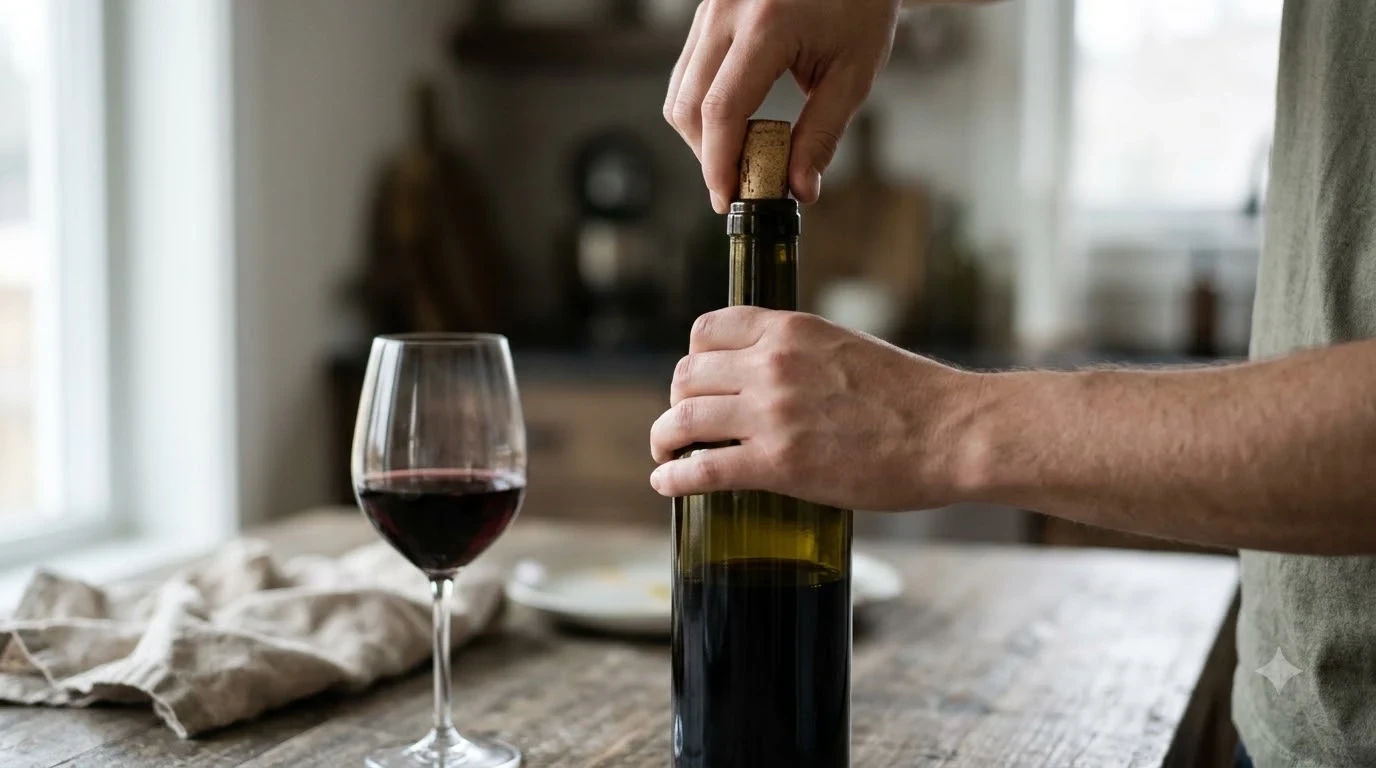
After choosing a bottle, store it away from heat and sunlight so its fruit and freshness remain in good condition. Serve Chardonnay cool rather than ice-cold, and give the glass a few minutes to warm if the aromas seem muted.
For serving, aim for about 50 to 55 degrees Fahrenheit for a fuller-bodied white such as this Sonoma Coast Chardonnay. A refrigerator can chill the bottle below that range, so taking it out briefly before pouring can help the pear, peach, citrus, and oak notes show more clearly. If the wine feels too warm, a short return to the refrigerator is easier than trying to fix a glass that has become overheated.
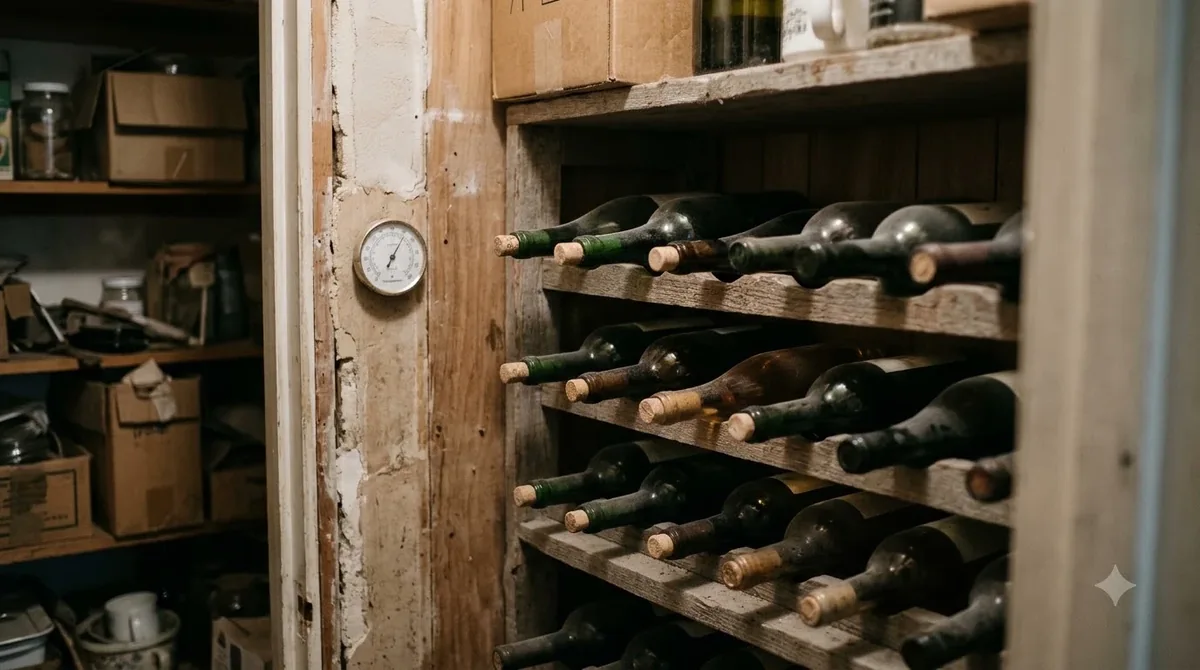
For storage, keep unopened bottles in a cool, dark place with a fairly steady temperature. A wine refrigerator or a cellar near 55 degrees Fahrenheit is more suitable than a sunny kitchen counter, a warm garage, or the top of a refrigerator. If the closure is a cork and the bottle will be stored for more than a short period, laying it on its side helps keep the cork from drying out. Avoid frequent temperature swings, which can be harder on wine than a consistently cool setting.
Once opened, close the bottle securely and refrigerate it. Most opened still wines keep their best character for about three to five days in the refrigerator, though freshness gradually fades after the first pour. A small amount of air in the bottle is normal; limiting extra exposure by replacing the closure promptly helps preserve the remaining wine. Pour a glass with dinner, then use the remainder within a few days rather than leaving it on the counter overnight. For a fuller guide to alcohol information, see La Crema Chardonnay alcohol content; serving temperature, food, glass shape, and pour size also influence how the wine comes across at the table.
Tip: Chill the bottle ahead of dinner, then pour a small first glass and let it sit for a few minutes. That gives the wine time to open up without warming the whole bottle too quickly.
Frequently Asked Questions
These answers cover the 2024 Sonoma Coast release and the standard 750 ml bottle, along with serving and buying questions that may remain after comparing labels and vintages.
Is La Crema Chardonnay a dry wine?
Yes, the Sonoma Coast bottling is generally approached as a dry table wine rather than a sweet Chardonnay. Its ripe fruit notes can taste generous, but fruit aroma and flavor do not mean the wine contains dessert-level sweetness.
How many glasses are in a 750 ml bottle?
A standard 750 ml bottle provides about five servings when poured in 5-ounce glasses. Restaurant pours may be larger or smaller, so the number of servings can change with the glass size.
Is the Sonoma Coast bottling made entirely from Chardonnay?
La Crema lists the 2024 Sonoma Coast wine as 100% Chardonnay. That makes the grape composition straightforward for shoppers who prefer a varietal white rather than a blended wine.
Can La Crema Chardonnay be used for cooking?
Yes. A dry Chardonnay can add acidity and savory depth to a pan sauce for chicken, seafood, or mushrooms. Add a modest splash after sautéing the aromatics and let it reduce before finishing the sauce.
Should I choose a screw cap or cork closure?
Choose based on the closure actually used on the bottle available to you, not on a general assumption that one closure means higher quality. Both closures can protect a wine when properly made and stored; the closure alone is not a reliable guide to the wine’s price or flavor.
For most shoppers, the Sonoma Coast 750 ml bottle is the simplest La Crema Chardonnay to use as a price benchmark. Compare the same vintage and size, account for state and retailer differences, and choose the bottle whose fruit profile and final checkout cost fit the occasion.
More in Wine Brands
 Underwood Wine Price: Compare Bottles, Cans, and Pack SizesUpdated Nov 21, 2026
 Zenato Wine Price: Compare Styles and Choose the Right BottleUpdated Nov 21, 2026
 Zuccardi Wine Price: Compare Bottles and Find the Right RangeUpdated Nov 21, 2026
 Yellow Tail Moscato Review: Taste, Sweetness and Serving TipsUpdated Nov 21, 2026
 Wolf Blass Yellow Label Review: Choose Your Best StyleUpdated Nov 21, 2026
 Wolffer Estate Rose Review: Choose the Right Bottle for Your TableUpdated Nov 21, 2026