

We may earn a commission when you buy through links on this page, at no extra cost to you. Learn more.
Kremstal wine is Austrian wine from the Kremstal region of Lower Austria, best known for its fresh, mineral-driven Grüner Veltliner and elegant Riesling. Located around the historic city of Krems and the Danube River, this cool-climate region produces white wines shaped by contrasting soils, significant day-to-night temperature changes, and a combination of warm and cool air currents. Kremstal DAC wines focus on these two principal grape varieties, offering styles that range from crisp, approachable bottles to concentrated, age-worthy selections.
Austria has several internationally recognized wine regions, but Kremstal deserves attention for the way its individual vineyard sites influence the character of its wines. Its western rocky slopes, eastern loess terraces, and southern Danube vineyards create noticeable differences even between neighboring communities. Understanding the region’s geography, grape varieties, and classification system makes it easier to choose a bottle that matches your preferences, whether you enjoy lively whites for casual meals or more structured wines for special occasions.
1. Kremstal Wine and Its Place in Austrian Viticulture
Kremstal wine comes from a relatively compact wine-growing region in Lower Austria, centered on the city of Krems an der Donau. The Danube is an important geographical feature, dividing the vineyards between northern and southern areas while connecting historic wine communities. The region is also close to the Wachau, Kamptal, and Traisental, making it part of one of Austria’s most interesting concentrations of wine-producing areas.
According to the Austrian Wine regional brochure, Kremstal covers approximately 2,267 hectares of vineyards. This makes it a meaningful contributor to Austrian wine production without being so large that its individual villages and vineyard sites lose their importance. The landscape includes the historic districts of Krems and Stein, the narrow Krems River valley, the loess terraces east of the city, and communities surrounding Göttweig Abbey south of the Danube.
The region’s wine history extends back many centuries. Viticulture has influenced the local economy, settlement patterns, architecture, and food culture. Krems developed as an important trading town partly because of its position along the Danube, a major transportation route connecting wine-growing communities with other markets. Vineyards remain an important part of the surrounding landscape, and wine tourism continues to connect local producers with visitors.
Two grapes define the region’s international reputation: Grüner Veltliner and Riesling. Both are authorized for the Kremstal DAC designation, which identifies wines that meet specific requirements concerning grape variety, origin, production, and regional character. These varieties account for more than 70% of wines submitted for the Kremstal DAC testing designation, demonstrating how central they are to the area’s identity.
However, Kremstal produces more than two kinds of white wine. Producers also work with Chardonnay, Weissburgunder, Sauvignon Blanc, Traminer, and other varieties. Red wines, particularly those made from Zweigelt, contribute additional diversity. These wines may be marketed under broader Austrian regional designations rather than Kremstal DAC, depending on the grapes and production requirements.
For American wine drinkers, Kremstal offers a useful introduction to Austrian wine beyond the more familiar Grüner Veltliner bottles found in international retail stores. The region provides several expressions of the grape, from fresh, peppery wines intended for early drinking to fuller selections with greater concentration and aging potential. The official Austrian Wine Kremstal regional brochure provides additional detail on the area’s history, vineyard landscape, grape varieties, and wine styles.
2. Climate, Geography, and the Influence of Vineyard Soils
Kremstal’s distinctive wine styles begin with its combination of cool northern air, warmer eastern influences, and varied geological formations. The resulting conditions help maintain freshness while allowing grapes to develop ripe fruit flavors. The differences between rocky western vineyards and fertile eastern terraces are particularly important when understanding the region’s wines.
The climate combines warm Pannonian influences from the east with cooler air currents arriving from the north. During the day, temperatures can rise relatively quickly, while cooler air descending from the higher Waldviertel area helps lower nighttime temperatures. These daily fluctuations encourage aromatic development during grape ripening and help preserve refreshing acidity.
The Danube also influences vineyard conditions. Its water mass moderates temperature changes, cooling the surrounding landscape during summer and releasing stored warmth as colder weather arrives. The river’s movement contributes to regular air circulation, which helps reduce the risk of late spring frosts. This combination of climatic influences creates favorable conditions for grapes that benefit from a relatively long, balanced ripening period.
Primary rock in western Kremstal
Western Kremstal, especially around Krems-Stein and the areas extending toward Senftenberg, contains weathered primary-rock soils. These geological formations include gneiss, slate, amphibolite, and other crystalline materials. Vineyards often occupy steep terraces supported by stone walls, creating a distinctive landscape along the Danube and its surrounding slopes.
These comparatively barren soils are particularly suitable for Riesling. The vines grow in challenging conditions, and the resulting wines are often associated with restrained fruit, firm acidity, and a mineral impression. Sites such as Pfaffenberg and the vineyards around Senftenberg demonstrate the importance of rocky terrain in the region’s wine identity.
Loess in eastern Kremstal
East of Krems, the landscape changes significantly. Deep loess deposits become increasingly important, particularly around Rohrendorf and Gedersdorf. Loess is fine, wind-deposited sediment formed during the Ice Ages. In parts of Kremstal, these deposits reach approximately 25 meters in depth.
Loess can retain both heat and water, providing vines with a more consistent supply of moisture than some shallow, stony soils. These conditions are particularly favorable for Grüner Veltliner. Wines from these areas can show generous fruit, rounded textures, and recognizable peppery or spicy characteristics.
The southern vineyards
South of the Danube, around Furth and Palt near Göttweig Abbey, the soil composition becomes more varied. Growers work with Danube gravel, fertile loess, black earth, and other geological materials. Farther southeast, the Hollenburg-Karlstetten Formation introduces gravel and marl associated with ancient geological deposits.
This variety explains why Kremstal should not be treated as a single uniform terroir. Two bottles made from the same grape can differ because their vineyards have different elevations, exposures, soils, and local climatic influences. The geography provides the foundation for the region’s range of wine styles. The Kremstal wine committee’s climate and soil explanation provides detailed descriptions of these geological differences and their vineyard locations.
3. The Main Grapes Behind Kremstal Wine
Grüner Veltliner and Riesling are the defining grapes of Kremstal DAC, but they offer noticeably different experiences. Grüner Veltliner generally emphasizes freshness, citrus, orchard fruit, and peppery spice, while Riesling tends toward more pronounced acidity, precise fruit flavors, and a mineral finish.
Grüner Veltliner is the region’s most important grape variety. According to the Austrian Wine regional brochure, it represents approximately 59% of Kremstal’s grape-variety distribution. Its popularity reflects the variety’s ability to adapt to different soils and vineyard conditions while retaining recognizable regional character.
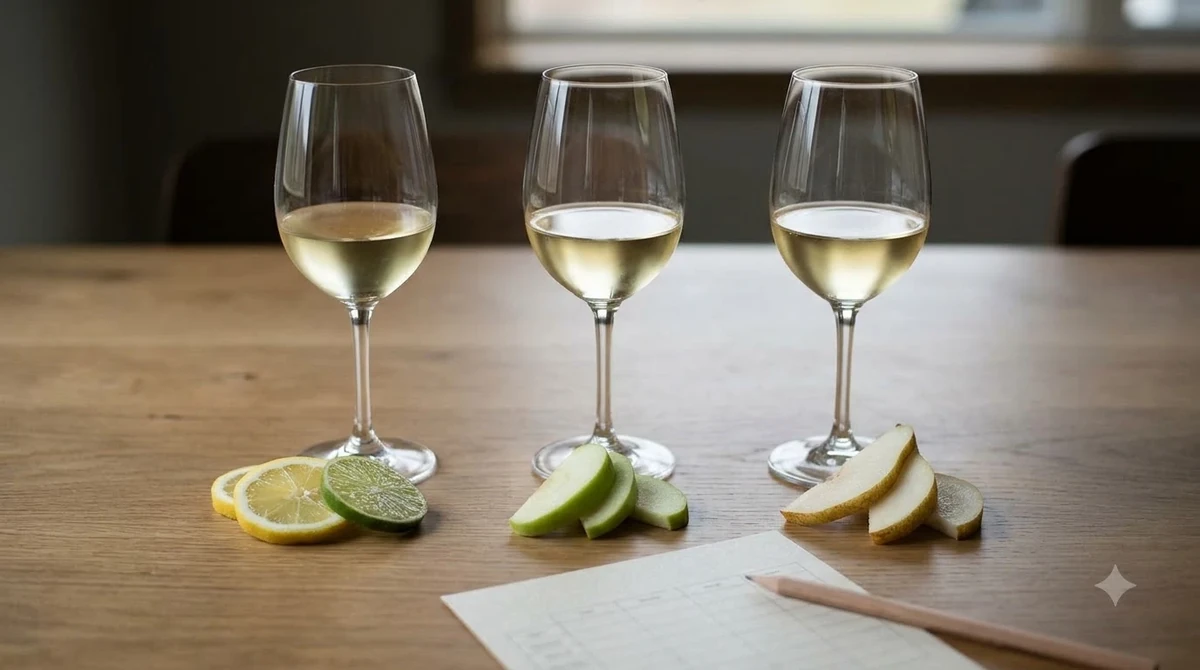
In the glass, Grüner Veltliner commonly offers green apple, pear, citrus, and white-pepper notes. Depending on ripeness and winemaking, it can also reveal stone fruit, herbs, subtle floral aromas, and a fuller texture. The variety’s naturally refreshing acidity makes it especially useful at the dinner table.
Loess-grown examples from Rohrendorf and Gedersdorf can feel generous and rounded, with ripe fruit and a noticeable spicy character. Bottles from cooler or rockier sites may emphasize citrus, freshness, and a more restrained structure. These differences make Grüner Veltliner a particularly interesting grape to explore through wines from several Kremstal villages.
Riesling is the other leading variety. The Austrian Wine brochure identifies it as approximately 11.1% of the region’s grape distribution. It is especially associated with the rocky western vineyards, where slower ripening can help produce wines with precise aromas and lively acidity.
Typical Kremstal Riesling may show lime, lemon, green apple, peach, and floral notes. The exact balance depends on vineyard conditions and ripeness. Younger examples often emphasize citrus and fresh fruit, while more concentrated selections can develop deeper stone-fruit flavors and a longer finish.
Riesling’s naturally high acidity also makes it a versatile food wine. Dry examples are particularly useful with seafood, freshwater fish, poultry, and dishes containing fresh herbs. They can also work with lightly spicy Asian-inspired food when the alcohol level and overall flavor intensity are appropriate.
Other varieties worth recognizing
Kremstal’s broader wine portfolio includes several other grapes. Chardonnay and Weissburgunder, also known as Pinot Blanc, perform well in suitable calcareous soils. Sauvignon Blanc has also gained attention, while Traminer and Roter Veltliner provide additional opportunities for producers to express local vineyard conditions.
Zweigelt is the leading red grape. According to the Austrian Wine brochure, it represents approximately 11.3% of the region’s grape-variety distribution. It commonly produces approachable red wines with cherry and berry flavors, moderate tannins, and enough freshness to accompany a range of everyday meals.
Other red varieties include Pinot Noir, Sankt Laurent, Cabernet Sauvignon, and Merlot. Their presence demonstrates that Kremstal is not exclusively a white-wine region, although white grapes clearly dominate its production.
| Grape variety | Approximate vineyard share | Typical wine character |
|---|---|---|
| Grüner Veltliner | 59.0% | Fresh, peppery, citrus and orchard fruit |
| Riesling | 11.1% | High acidity, citrus, stone fruit, mineral notes |
| Zweigelt | 11.3% | Red cherry, berry fruit, moderate tannins |
| Other white grapes | 15.2% | Varied styles, including Chardonnay and Pinot Blanc |
| Other red grapes | 3.5% | Varied red styles, including Pinot Noir and Merlot |
Source: Austrian Wine regional brochure. Percentages describe the reported grape-variety distribution and are rounded to one decimal place.
4. Kremstal DAC, Village Wines, and Vineyard Classifications
Kremstal DAC is an Austrian origin designation that identifies regionally typical wines made from approved grape varieties. Its classification system also helps wine drinkers understand the geographical origin of a bottle, moving from the broad region to individual villages and vineyard sites.
DAC stands for Districtus Austriae Controllatus. It is a protected Austrian designation used to identify wines produced according to the rules of a specific wine-growing region. In Kremstal, the designation applies to Grüner Veltliner and Riesling, and the wine must come from local vineyards and be vinified and bottled within the region.
The system emphasizes geographical origin rather than treating all wines from the region as interchangeable. According to the Kremstal wine committee, the classification has three principal levels: regional wine, local wine, and vineyard wine.
Regional wines
The regional level forms the foundation of the classification. A bottle labeled Kremstal DAC identifies a wine made from one of the two authorized grapes, without requiring the consumer to identify a particular village or single vineyard.
These wines are useful starting points for understanding the region. They generally provide an accessible introduction to the fresh, fruit-driven, and balanced style associated with Kremstal. Producers can express their individual winemaking preferences while maintaining the regional identity established by the DAC regulations.
Village wines
The next level identifies a more specific geographical origin. A bottle labeled Stein, for example, identifies a local wine associated with that community rather than simply the wider Kremstal area.
This distinction can be useful because villages have different soil compositions and climatic conditions. Stein and the western vineyards are associated with primary rock and terraced slopes, while communities such as Rohrendorf and Gedersdorf are known for their extensive loess formations. Village-level labeling gives consumers a clearer indication of the wine’s geographical background.
Single-vineyard wines
The most specific level identifies an individual vineyard. Austrian labels use the term Ried before the vineyard name to identify this origin. Examples include Ried Wachtberg and Ried Pfaffenberg.
Individual vineyard wines can provide a more detailed expression of soil, slope, and exposure. A Riesling from a rocky western site may have a different balance of fruit and structure from a Grüner Veltliner grown on deep eastern loess. Comparing bottles from named vineyards can therefore be one of the most rewarding ways to explore Kremstal.
The word Reserve also appears on some Kremstal bottles. It is an additional designation associated with later release requirements rather than a separate geographical classification level. It can help identify a more substantial selection, but the vineyard or village designation remains important when understanding the wine’s origin.
For more background on Austria’s regional classification terminology and other wine-producing areas, explore our guide to Wine Regions.
5. How Kremstal Wines Taste and Which Bottles to Choose
Kremstal wines generally combine fresh acidity with ripe fruit and a noticeable sense of geographical character. The exact style depends on grape variety, vineyard location, ripeness, and cellar decisions, so choosing between Grüner Veltliner and Riesling is a useful first step.
If you enjoy wines that are lively, aromatic, and versatile with food, begin with Grüner Veltliner. Its combination of citrus, apple, pear, and pepper makes it approachable without being simple. Many examples are dry and refreshing, although fuller bottlings can provide additional texture and concentration.
For a more aromatic wine with pronounced acidity, choose Riesling. Lime, peach, citrus, and floral aromas are common reference points. Cooler rocky vineyards can produce wines with particularly precise fruit and a firm structure, making them attractive choices for people who prefer fresh, focused white wines.
Classic and Reserve styles
Classic-style Kremstal wines generally emphasize freshness, balance, and immediate drinkability. They are suitable for everyday meals, informal gatherings, and occasions when a bottle needs to work with several different dishes.
Reserve selections tend to offer a fuller, more concentrated experience. They may show greater weight, deeper fruit flavors, and a longer finish. These bottles can be particularly appealing with richer food or when you want a white wine with greater presence at the table.
Do not assume that every Reserve bottle will taste identical. Grape variety, producer decisions, vintage conditions, and vineyard origin all influence the final result. A concentrated Grüner Veltliner and a structured Riesling may offer very different experiences even when both carry the additional designation.
Comparing Kremstal with neighboring regions
Kremstal is often discussed alongside the Wachau and Kamptal because all three are located in Lower Austria and produce important examples of Grüner Veltliner and Riesling. Their proximity makes comparison interesting, but their wines should not be treated as identical.
The Wachau is particularly associated with dramatic Danube terraces and distinctive vineyard classifications. Kremstal has its own combination of rocky western slopes, eastern loess terraces, and southern vineyards around Göttweig Abbey. Its wines can show generous fruit alongside freshness and mineral structure.
Kamptal also produces highly regarded Grüner Veltliner and Riesling, with vineyards influenced by the Kamp River valley and surrounding climatic conditions. The best approach is to compare the same grape from different regions rather than assuming that one general regional description applies to every producer.
For a wider exploration of international wine regions, you can also compare Kremstal with areas such as Red Hills wine in Oregon or the southern Italian producers featured in our Puglia wineries article. These comparisons demonstrate how different climates, grapes, and soils shape regional wine identities.
6. Food Pairings, Serving Temperatures, and Storage
Kremstal’s two leading white grapes are particularly useful with food because they combine refreshing acidity with relatively versatile flavor profiles. Grüner Veltliner works especially well with vegetables, poultry, seafood, and lightly spiced dishes, while Riesling is an excellent match for delicate fish, shellfish, and foods containing citrus or fresh herbs.
For Grüner Veltliner, consider roast chicken, grilled shrimp, vegetable risotto, asparagus, pork schnitzel, or dishes featuring green herbs. Its peppery character can complement seasoning, while its acidity helps refresh the palate between bites. A fuller example can also work with richer poultry dishes and creamy sauces.
Riesling is particularly effective with white fish, scallops, crab, and seafood pasta. Its acidity can balance butter-based preparations, while its fruit character complements aromatic ingredients such as ginger, lemongrass, and citrus. Dry Riesling can also work with moderately spicy food, provided the wine’s alcohol level and the dish’s heat are well matched.
Matching wine with different foods
When pairing wine, consider the dominant ingredients rather than simply matching the color of the wine with the color of the food. Acidity is especially important: acidic dishes generally need wines with equal or higher acidity to avoid making the wine taste flat.
Salt and fat can soften the perception of tannin, while sweetness in food can make a dry wine seem more acidic or bitter. If you serve a sweet dessert, choose a wine that is at least as sweet as the dessert. Chili heat can become more pronounced with wines high in alcohol or tannin, so a fresh, lower-alcohol white is usually a safer direction than a powerful red.
For more substantial meals, Kremstal’s Zweigelt can accompany roasted poultry, grilled pork, mushroom dishes, and lightly seasoned red meats. Its moderate tannin structure makes it more flexible than a highly tannic Cabernet Sauvignon with many everyday meals.
Recommended serving temperatures
Temperature influences the way acidity, fruit, and aroma are perceived. Serving a white wine too cold can mute its aromatic character, while excessive warmth can make it feel heavier and less refreshing.
Tip: Serve a fresh Kremstal Grüner Veltliner or Riesling at approximately 45–50°F. Fuller, more concentrated white wines can benefit from slightly warmer service at 50–55°F, allowing their aromas and texture to become more expressive.
For general reference, these temperatures provide a practical starting point:
- Light-bodied white wines: 45–50°F.
- Fuller-bodied white wines: 50–55°F.
- Rosé wines: 45–50°F.
- Light-bodied red wines: 55–60°F.
- Full-bodied red wines: 60–65°F.
- Sweet white wines: 43–50°F.
Most Kremstal whites do not require decanting. Opening the bottle shortly before serving is generally sufficient. If a particularly concentrated white seems closed initially, allow it a little time in the glass to develop its aromas.
Storing opened and unopened bottles
Store unopened wine in a cool, dark place with a reasonably stable temperature. Around 55°F is a useful storage target. Bottles with traditional cork closures are generally best stored horizontally so the cork remains in contact with the wine.
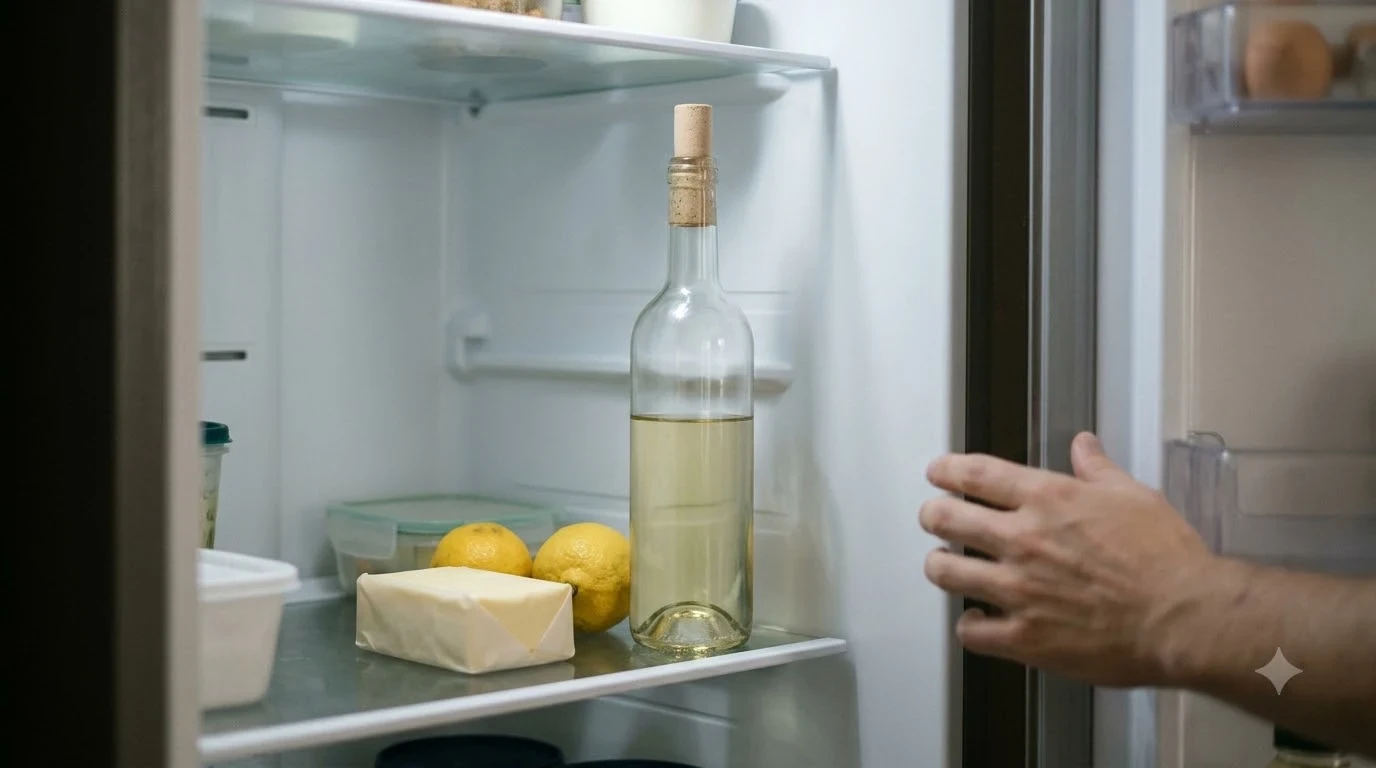
Once opened, replace the closure and refrigerate the bottle. Most still wines remain enjoyable for approximately three to five days, although freshness depends on the wine’s age, structure, and exposure to oxygen. A sparkling wine generally retains its best character for one to three days with a suitable sparkling-wine stopper.
Young, full-bodied red wines may benefit from 30–60 minutes of decanting, although this is more relevant to structured reds than to the fresh white wines that define Kremstal. For everyday serving, a standard five-ounce pour is a convenient reference, giving approximately five glasses from a 750-milliliter bottle.
Frequently Asked Questions
Is Kremstal wine always dry?
No. Although dry Grüner Veltliner and Riesling are central to the region’s reputation, Kremstal also produces wines with different residual sugar levels. Riesling, in particular, can be made in a range of sweetness styles. The grape variety alone does not establish whether a particular bottle is dry, off-dry, or sweet.
Can Kremstal Riesling age in the bottle?
Yes. Well-made Riesling from suitable vineyards can develop additional complexity with bottle age. Over time, fresh citrus and floral notes may evolve toward honeyed, savory, and more complex aromatic characteristics. The potential depends on the wine’s acidity, concentration, vintage, and production style.
What does DAC mean on an Austrian wine label?
DAC means Districtus Austriae Controllatus and identifies a protected Austrian wine origin. It establishes regional production requirements and approved grape varieties rather than simply identifying where the grapes were grown. Austria introduced the DAC system to make regional wine identities clearer for consumers and producers.
Is Grüner Veltliner native to Austria?
Grüner Veltliner is considered Austria’s signature indigenous grape variety and is particularly important in Lower Austria. It has become internationally recognized through Austrian wine production. Its characteristic combination of fresh acidity, citrus, orchard fruit, and peppery notes makes it distinctive among European white wines.
Where can visitors explore Kremstal wine culture?
Krems and Stein are useful starting points for exploring the region’s wine heritage, while villages such as Rohrendorf, Gedersdorf, Furth, and Palt offer access to different vineyard landscapes. Visitors can also explore Göttweig Abbey and the surrounding wine communities south of the Danube. Traditional Austrian Heurigen, or seasonal wine taverns, provide opportunities to experience local wines alongside regional food.
Kremstal wine offers an appealing combination of Austrian heritage, distinctive vineyard geology, and expressive white grapes. Start with Grüner Veltliner for its freshness and peppery character, or choose Riesling for its aromatic precision and lively acidity. Exploring bottles from different villages and vineyard sites is one of the best ways to appreciate why this Lower Austrian region deserves a place among Europe’s important white-wine destinations.
More in Wine Regions
 Willcox Wine Trail: Discover Arizona’s High-Elevation Wine CountryUpdated Nov 20, 2026
 Yakima Valley Wine Region: Find the Best Styles to TryUpdated Nov 20, 2026
 Vosne Romanee Wine Tasting: Identify Aromas and Choose Better PairingsUpdated Nov 20, 2026
 Yakima Valley Wine Festival: Find the Best Seasonal Wine EventsUpdated Nov 20, 2026
 Wales Vineyards: Discover Cool-Climate Wines and Where to VisitUpdated Nov 20, 2026
 Yountville Wine Festival: Discover Napa Wines and Local FoodUpdated Nov 20, 2026