


We may earn a commission when you buy through links on this page, at no extra cost to you. Learn more.
The kremstal wine region is a wine-producing area in Lower Austria, centered on the historic city of Krems along the Danube, and best known for its dry Grüner Veltliner and Riesling. Its vineyards combine weathered crystalline rock, deep loess terraces and a climate influenced by both cool northern air and warm Pannonian winds. The Kremstal DAC designation identifies wines made from these two leading varieties, with regional, village and single-vineyard classifications that help explain their origins. For wine lovers, Kremstal offers a particularly interesting way to explore the relationship between Austrian grape varieties, vineyard soils and local climate.
Situated east of the famous Wachau, Kremstal is one of Austria’s most distinctive white-wine regions. Its historic wine villages, Danube landscapes and contrasting geological conditions produce wines that range from fresh, peppery Grüner Veltliner to concentrated, mineral-driven Riesling. Understanding its geography and DAC system makes choosing a bottle considerably easier, whether you are looking for an accessible everyday white or a more serious vineyard-designated wine.
Where Kremstal Is Located and What Makes It Special
Kremstal lies in Lower Austria, in the Danube valley surrounding Krems and extending eastward and southward into neighboring wine villages. Its approximately 2,243 hectares of vineyards make it a substantial regional producer, although its identity depends more on the differences between individual vineyard areas than on its overall size.

The historic city of Krems is the western center of the region. Its Stein district borders the Wachau, creating a geographical connection between two important Austrian wine destinations. However, Kremstal extends well beyond the urban vineyards. The wine-growing landscape includes the rocky Krems River valley, extensive loess terraces to the east and smaller villages south of the Danube near Stift Göttweig.
This three-part geography is important because it explains why wines from different Kremstal villages can taste noticeably different despite sharing the same regional designation. Western vineyards often produce wines with pronounced freshness and mineral character, while eastern sites with deep loess soils can yield rounder, more generous expressions of Grüner Veltliner. Southern vineyards add another dimension through their varied soils and slightly different local exposures.
Important wine-growing communities include Krems, Stein, Rohrendorf, Gedersdorf, Senftenberg and Furth. Each offers a different perspective on the region. Krems and Stein provide a historic urban wine culture, Rohrendorf and Gedersdorf are particularly associated with loess-grown wines, and Furth connects visitors with the vineyards around Göttweig Abbey.
The location also makes Kremstal an interesting point of comparison with nearby Austrian wine regions. The Wachau lies immediately to the west, while Kamptal and Traisental are nearby. These regions share important grape varieties and climatic influences, but their vineyard landscapes and wine identities are not interchangeable. Wine enthusiasts exploring international regions can also compare Kremstal’s mountain and river influences with the distinctive conditions found in the Savoie wine region.
Kremstal’s attraction is therefore not simply that it produces excellent white wines. It is the opportunity to compare different expressions of the same grape variety across a relatively compact area. A Grüner Veltliner from an eastern loess terrace may feel broader and more generous than one from a cooler, rockier western site, even when both carry Kremstal DAC on the label.
Climate and Vineyard Soils Across the Region
Kremstal’s wine character comes from the meeting of cool northern influences and warmer eastern air, combined with an unusually varied geological landscape. The contrast between crystalline rock around Krems and deep loess farther east is especially important for understanding its Grüner Veltliner and Riesling.
The region receives cooler, humid air from the Waldviertel to the north. At the same time, warm and relatively dry air arrives from the Pannonian Plain in the east. These influences create changing conditions across the growing season, allowing grapes to develop ripe fruit characteristics while retaining freshness. The Danube also has a moderating influence on nearby vineyards.
Temperature differences between daytime and nighttime can be particularly significant toward the end of the growing season. Cooler nights help preserve aromatic freshness, while warmer daytime conditions support ripening. This balance is valuable for both leading varieties, although the expression depends on the specific vineyard, harvest conditions and winemaking decisions.
Crystalline rock in the west
Western Kremstal, particularly around Krems and Stein, contains weathered crystalline rocks, including gneiss and other primary rock formations. Some vineyards also have slate-influenced soils and varying layers of loess. Many sites occupy steep slopes and terraces overlooking the Danube.
These conditions are particularly suitable for Riesling. Wines from rocky vineyards can show pronounced acidity, citrus and stone-fruit aromas, and a firm mineral impression. Grüner Veltliner also performs well in this environment, producing wines with freshness, savory character and recognizable peppery notes.
Deep loess in the east
East of Krems, particularly around Rohrendorf and Gedersdorf, thick deposits of loess dominate the vineyard landscape. Loess is a fine, wind-deposited sediment that can retain moisture and support vigorous vine growth. Its depth and structure contribute to the fuller, more generous character frequently associated with eastern Kremstal Grüner Veltliner.
The eastern vineyards are not uniform, however. Some sites contain conglomerate, gravel or loamy components, creating differences in drainage, water availability and vine development. Individual vineyard locations can therefore produce distinctive wines even within the same village.
South of the Danube, the area around Furth and Göttweig adds another geological combination. Loess, gravel and hard crystalline materials occur across different sites. This variation helps explain why southern Kremstal wines can show a different balance of fruit, structure and freshness from those grown directly around Krems.
For a closer look at the region’s geology, the official Kremstal climate and soil overview describes the contrasts between primary rock, loess and southern vineyard formations.
Tip: When comparing two Kremstal Grüner Veltliners, look for their village or vineyard names. A Rohrendorf bottling can offer a useful introduction to loess-influenced richness, while a wine from a rockier site near Krems or Stein may emphasize freshness and mineral character.
Grüner Veltliner: The Signature Grape of Kremstal
Grüner Veltliner is the leading variety in Kremstal and one of the defining grapes of Austrian wine. It can produce everything from refreshing, medium-bodied regional whites to concentrated single-vineyard wines, with peppery spice, citrus, orchard fruit and lively acidity among its recognizable characteristics.
In a typical Kremstal Grüner Veltliner, expect aromas of green apple, pear, lemon, fresh herbs and white pepper. The exact balance depends on the vineyard and ripeness. Cooler, rockier sites may emphasize citrus and herbal freshness, while deep loess vineyards can produce more generous fruit and a rounder palate.
Its flexibility is one of the variety’s greatest strengths. A lighter regional bottling can be refreshing as an aperitif, while a more concentrated village or single-vineyard wine can accompany substantial meals. Grüner Veltliner also has enough acidity to work with dishes containing lemon, vinegar or other acidic ingredients, provided the wine’s own freshness is sufficient.
How vineyard origin changes the style
Rohrendorf is an important place to explore fuller expressions of the grape. Its deep loess deposits can support wines with ripe orchard-fruit character, a more substantial texture and pronounced savory spice. Gedersdorf is another significant eastern village where Grüner Veltliner is a major specialty.
Around Krems and Stein, the combination of rockier soils and cooler influences can produce a more restrained style. These wines may emphasize fresh apple, citrus, herbs and pepper rather than broad fruit richness. They can be particularly attractive alongside delicate seafood, vegetables and lighter Austrian dishes.
Grüner Veltliner is not necessarily a simple, inexpensive white wine. Its more serious expressions can have considerable concentration, structure and aging potential. Vineyard-specific bottlings offer a useful way to understand this range because they connect the wine more closely with a named place.
For American wine drinkers familiar with Sauvignon Blanc or Pinot Grigio, Grüner Veltliner offers an interesting alternative. It often combines refreshing acidity with a savory, peppery dimension that makes it especially versatile at the dinner table.
Riesling and Other Grapes Worth Knowing
Riesling is Kremstal’s other principal DAC variety, producing dry white wines that often emphasize citrus, stone fruit, floral aromas and mineral precision. Although Grüner Veltliner dominates the regional identity, Riesling provides some of the area’s most compelling examples of site-specific expression.
Riesling is especially successful in the rockier vineyards around Krems and Stein. These sites can give the grape a focused structure, with lemon, lime, peach and floral notes supported by lively acidity. The wines can feel leaner and more tightly structured than generous eastern Grüner Veltliners, although individual producers and vineyard conditions create substantial variation.
Senftenberg is another important area for Riesling. Its vineyard sites benefit from considerable daytime and nighttime temperature differences, which help maintain aromatic definition. The combination of rocky soils and cooler conditions can produce particularly expressive wines.
Riesling’s natural acidity also makes it a useful food wine. Dry examples work well with seafood, shellfish, grilled poultry and dishes containing citrus. They can also pair with moderately spicy Asian cuisine, especially when the wine has sufficient fruit to balance the seasoning.
Additional white varieties
Weißburgunder, known in English as Pinot Blanc, is among the additional white grapes grown in Kremstal. It generally produces a more restrained profile than the region’s leading varieties, often featuring apple, pear and subtle floral notes. Depending on its production style, it can have a rounded texture and a relatively understated aromatic character.
Gelber Muskateller, or Yellow Muscat, adds an aromatic dimension. It is associated with expressive floral and citrus aromas and can be particularly enjoyable as an aperitif. Its style differs from the more savory character of Grüner Veltliner and the mineral precision of many local Rieslings.
Red wines in a white-wine region
Zweigelt is the most prominent red variety in the regional wine profile. It typically produces fruit-forward reds with cherry and berry flavors, moderate tannin and a softer structure than Cabernet Sauvignon or Syrah.
These red wines are generally marketed under the broader Niederösterreich designation rather than Kremstal DAC. This distinction matters when reading labels: the regional DAC designation is specifically associated with the area’s two leading white varieties, not every wine produced within its geographical boundaries.
Pinot Blanc, Muscat and Zweigelt demonstrate that Kremstal is not limited to two grapes. Nevertheless, Grüner Veltliner and Riesling remain the best starting points for understanding its identity.
Understanding Kremstal DAC and Its Wine Classifications
Kremstal DAC is the protected regional designation that identifies qualifying dry Grüner Veltliner and Riesling wines from the region. Its classification system helps consumers distinguish between wines representing the broader area, specific villages and individual vineyard sites.
DAC stands for Districtus Austriae Controllatus, Austria’s controlled designation of origin system. Kremstal received its DAC status with the 2007 vintage. The system was designed to give greater recognition to regional character and to make the connection between wine and vineyard origin clearer.
For consumers, the most useful starting point is the grape variety. A bottle carrying Kremstal DAC will be based on either Grüner Veltliner or Riesling, and the wine must be dry. These requirements distinguish the designation from the wider selection of wines produced in the region.
The three levels of origin
The Kremstal DAC system distinguishes three geographical levels. They move from a broad regional identity toward increasingly specific vineyard origins.
| Classification | Origin indicated | What to expect |
|---|---|---|
| Gebietswein | Kremstal region | Regional expression, freshness and varietal character |
| Ortswein | Named village | More specific local identity and site character |
| Riedenwein | Named single vineyard | Individual vineyard expression and greater origin specificity |
A regional wine is generally the most straightforward introduction to the area. It represents Kremstal as a whole and is a useful choice for consumers who want to understand the general style of Grüner Veltliner or Riesling without concentrating on one particular village.
Village wines narrow the origin to a place such as Stein, Krems or Rohrendorf. This additional information becomes useful when comparing the influence of different soil types and vineyard environments. A village designation can provide a clearer indication of whether a wine comes from a rockier western site or a loess-influenced eastern area.
Riedenwein identifies an individual vineyard. The term Ried is used for a named vineyard site, making it an important word to recognize on Austrian wine labels. A bottle identified with a Ried name, such as Ried Wachtberg or Ried Kögl, offers a more specific geographical reference than a regional bottling.
What Reserve means
Kremstal DAC Reserve describes a fuller, more powerful expression of the region’s leading white varieties. These wines generally have greater concentration and a longer finish than lighter, more immediately approachable examples.
The Reserve designation is an additional indication rather than a separate geographical level. It can be associated with more mature fruit, greater structural weight and, where appropriate, subtle oak influence. A slight botrytis character may also be permitted in the Reserve style.
For consumers choosing between different bottles, Reserve is a useful indication of intended weight and richness. It does not automatically mean that every Reserve wine is better than a regional or village bottling. The best choice depends on the occasion, food and preferred style.
The official Kremstal DAC classification explanation provides further detail on the region’s emphasis on origin, grape varieties and geographical specificity.
Readers interested in how European wine appellations differ can also explore the Switzerland wine region, where local geography and origin-based traditions likewise play an important role in identifying wine styles.
Food Pairings, Serving Temperatures and Buying Advice
Kremstal’s leading white wines are versatile at the table because they combine freshness with distinctive fruit and savory character. Grüner Veltliner is especially adaptable to vegetables, poultry and richer seafood dishes, while Riesling’s higher acidity makes it a natural partner for citrus-seasoned food and shellfish.
Grüner Veltliner works particularly well with Austrian cuisine. Wiener schnitzel, roast chicken, potato salad and herb-seasoned dishes all provide good opportunities to enjoy the grape’s combination of acidity and peppery character. The wine’s freshness can cut through the richness of fried foods without overpowering their flavor.
For seafood, try Grüner Veltliner with grilled white fish, shrimp, scallops or lightly seasoned crab. Its herbal and peppery notes can complement the natural sweetness of shellfish. Riesling is another excellent option, particularly when the dish includes lemon, fresh herbs or a light acidic dressing.
Pairing different styles with food
Riesling’s higher acidity makes it particularly effective with dishes containing citrus, vinegar and other pronounced acidic ingredients. A dry Kremstal Riesling can accompany grilled fish with lemon, oysters, mussels and seafood pasta. It can also balance moderately spicy dishes when the alcohol and fruit profile are appropriate.
Fuller Grüner Veltliner and Reserve wines are better suited to richer food. Consider roast pork, creamy mushroom dishes, roasted poultry or dishes with buttery sauces. Their greater weight can stand up to more substantial ingredients without losing the regional grape’s characteristic freshness.
Zweigelt offers a different pairing direction. Its moderate tannin and red-fruit character suit roast duck, grilled pork, mushroom dishes and lighter red meats. It is also a sensible choice for consumers who want a red wine with less aggressive tannin than Cabernet Sauvignon.
One important principle applies across all these combinations: acidic food needs a wine with equal or higher acidity. Otherwise, the wine can taste flat beside the dish. Salt and fat can soften tannin, while chili heat tends to become more noticeable with wines high in alcohol or tannin. Tannic reds are also poor partners for oily fish.
Recommended serving temperatures
Serving temperature has a noticeable effect on the aroma, acidity and texture of Austrian white wines. Too much warmth can make a fresh wine seem heavy, while excessive chilling can suppress its aromatic character.
Serve lighter Kremstal Grüner Veltliner and Riesling at approximately 45–50°F. More concentrated Reserve bottlings can benefit from a slightly warmer temperature of 50–55°F, allowing their fruit and texture to become more expressive.
For a practical tasting, place a bottle in the refrigerator before serving and allow it to warm slightly in the glass if necessary. A standard 750 ml bottle provides approximately five 5-ounce servings, making it easy to compare two different village or vineyard expressions at a small dinner gathering.
What to look for when buying
Start with the grape variety and classification. A regional Grüner Veltliner is a good introduction, while a village or Riedenwein bottling provides more information about geographical origin. If you prefer richer whites, consider a Reserve wine from a reputable producer.
Next, pay attention to the named village. Rohrendorf and Gedersdorf are useful places to begin exploring loess-influenced wines. Krems, Stein and Senftenberg provide opportunities to discover more rock-driven expressions, particularly among Riesling bottlings.
Finally, consider the occasion. A fresh regional Grüner Veltliner is a practical choice for casual meals, while a concentrated single-vineyard Riesling can be more suitable for a special dinner or a focused tasting. Comparing two wines from different villages is often more informative than choosing bottles solely by their classification level.
Visiting Kremstal: Wine Villages and Vineyard Experiences
Kremstal is an appealing destination for wine tourism because its vineyards, historic towns and traditional wine taverns are closely connected. Krems, Stein, Rohrendorf and the villages around Göttweig offer different ways to experience the region’s wine culture.
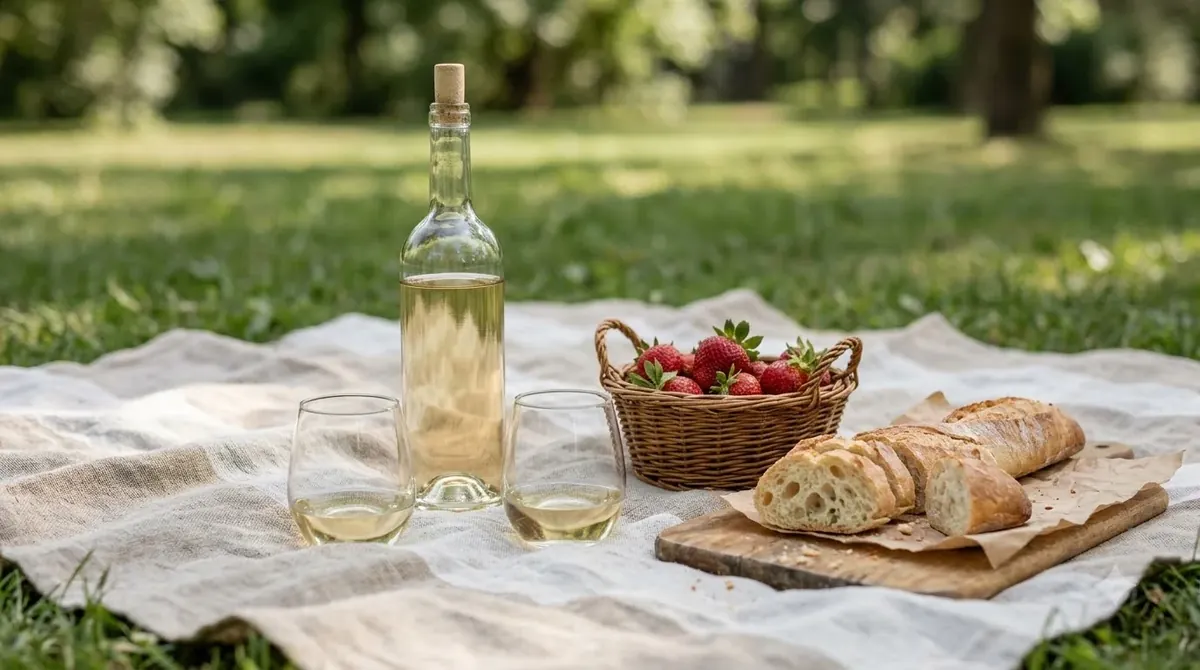
Krems is a natural starting point for visitors. Its historic center and proximity to the Danube make it a convenient base for exploring the western vineyards. The adjoining district of Stein provides access to steep slopes and older vineyard landscapes, where the contrast between crystalline soils and loess can be especially interesting.
From Krems, visitors can travel east toward Rohrendorf and Gedersdorf. These communities provide an opportunity to explore the expansive loess terraces associated with generous Grüner Veltliner wines. Walking or cycling through the area also reveals how the vineyard landscape changes as the valley opens eastward.
Senftenberg and the northern vineyards
Senftenberg lies northwest of Krems and offers a different landscape from the broad terraces farther east. Its vineyards occupy more dramatic terrain, with slopes and elevations that contribute to distinct growing conditions. Riesling is particularly important in this area.
The surrounding countryside also helps explain the influence of cooler northern air. The contrast between warm daytime conditions and cooler nights is one reason the wines can maintain freshness despite achieving good fruit ripeness.
Furth and Göttweig Abbey
South of the Danube, Furth, Palt and nearby wine villages provide access to the vineyards around Stift Göttweig. Founded in 1072, the Benedictine abbey is a prominent landmark above the surrounding landscape.
This southern section is particularly attractive for visitors interested in combining wine tasting with architecture and countryside exploration. The vineyards around the abbey include different soil profiles, and the traditional wine taverns provide opportunities to discover regional food and local wines.
Understanding the Heuriger tradition
A Heuriger is a traditional Austrian wine tavern, often associated with local producers serving their own wines alongside simple regional food. These establishments are an important part of the wine culture in Lower Austria and provide a relaxed way to experience the relationship between local cuisine and local wine.
Visitors can often enjoy cold platters, bread, cheeses, spreads and seasonal dishes alongside Grüner Veltliner and Riesling. The atmosphere is generally more informal than that of a formal restaurant, making a Heuriger a useful stop after exploring vineyards.
For a first visit, a practical route is to begin in Krems and Stein, continue east toward Rohrendorf or Gedersdorf, and then explore the southern villages around Furth and Göttweig. This provides a useful introduction to the region’s three geographical areas without requiring extensive travel between distant wine districts.
Kremstal is also worth considering as part of a broader Austrian wine itinerary. Its proximity to the Wachau, Kamptal and Traisental makes it possible to compare several distinct regional expressions within a relatively compact area. Travelers interested in other cool-climate wine destinations may also enjoy reading about the Tasmania wine region and its distinctive cool-climate varieties.
Frequently Asked Questions
Is Kremstal part of the Wachau wine region?
No. Kremstal and Wachau are separate wine-growing regions in Lower Austria. They share a geographical border near Krems and Stein, but each has its own protected regional identity and DAC framework. Kremstal’s designation specifically identifies qualifying Grüner Veltliner and Riesling from its vineyards.
What does Ried mean on an Austrian wine label?
Ried is the Austrian term used to identify a named single vineyard. It helps distinguish a wine from a specific site rather than simply a village or broad region. For example, Ried Sandgrube and Ried Kögl identify particular vineyard origins within Kremstal.
Can Kremstal wines be aged in a cellar?
Yes. Although many regional Grüner Veltliner wines are intended for relatively early drinking, concentrated Riesling and single-vineyard bottlings can develop additional complexity with bottle age. Mature examples may show more developed stone-fruit, honeyed and mineral characteristics. The aging potential depends on vintage, acidity, concentration and producer style rather than the regional name alone.
What is the difference between Austrian Grüner Veltliner and Welschriesling?
They are separate grape varieties despite the similar names. Grüner Veltliner is Austria’s signature white grape and is particularly associated with peppery, savory and citrus-driven wines. Welschriesling is a different variety that can produce fresh, straightforward whites and, in suitable Austrian regions, sweet dessert wines.
Does Kremstal produce sparkling wine?
Yes, producers in Austria can make sparkling wines, although Kremstal’s principal international identity is based on still Grüner Veltliner and Riesling. Austrian sparkling wine may carry the designation Sekt Austria, which has its own origin and production requirements. The term Kremstal DAC itself identifies qualifying still regional wines rather than serving as a general sparkling-wine designation.
The Kremstal wine region offers a rewarding introduction to Austrian wine through its distinctive Grüner Veltliner, precise Riesling and varied vineyard landscapes. Its DAC classification makes it easier to understand the relationship between regional, village and single-vineyard origins. Whether you choose a fresh regional white, a fuller Reserve or a specific Ried bottling, Kremstal provides plenty of opportunities to discover how geography shapes the character of Austrian wine.
More in Wine Regions
 Willcox Wine Trail: Discover Arizona’s High-Elevation Wine CountryUpdated Nov 20, 2026
 Yakima Valley Wine Region: Find the Best Styles to TryUpdated Nov 20, 2026
 Vosne Romanee Wine Tasting: Identify Aromas and Choose Better PairingsUpdated Nov 20, 2026
 Yakima Valley Wine Festival: Find the Best Seasonal Wine EventsUpdated Nov 20, 2026
 Wales Vineyards: Discover Cool-Climate Wines and Where to VisitUpdated Nov 20, 2026
 Yountville Wine Festival: Discover Napa Wines and Local FoodUpdated Nov 20, 2026