

We may earn a commission when you buy through links on this page, at no extra cost to you. Learn more.
Kim Crawford wine is a New Zealand brand launched in 1996 and best known for crisp, fruit-driven Marlborough Sauvignon Blanc. The label began with wines made from Marlborough fruit and has since grown into a broader range that includes Chardonnay, Illuminate, alcohol-removed Sauvignon Blanc and a half-bottle format. Trade coverage describes the brand as owned by Constellation Brands, and its Sauvignon Blanc remains the core of the business.
Many people first meet Kim Crawford on a restaurant wine list or in the aisle of a grocery store, and it is easy to see why it became a familiar name. This guide explains where the brand came from, why its home region matters so much to the flavor, which wines make up the lineup, and how to choose the right bottle for an everyday dinner or a special table. For background on producers across the category, the wine brands guide offers a useful overview.
Where the Brand Began and Who Owns It
According to the brand’s own about page, the label launched in 1996 from a small cottage in Auckland, New Zealand. The founders rented a winery at first, and in 2000 they bought vineyards in the Waihopai Valley of Marlborough, the district that would define the brand. That early move from a city base to a valley vineyard set the pattern for how the wines are sourced today.
The brand is now part of a much larger company. Trade coverage notes that Kim Crawford is owned by Constellation Brands, which gives the label wide distribution across restaurants and retail shelves. Ownership does not change the basic recipe, which still centers on New Zealand fruit and a clear focus on Sauvignon Blanc.
Why Marlborough Sauvignon Blanc Defines the Brand
Marlborough sits in the northeastern corner of New Zealand’s South Island, at about 41 degrees south latitude. It is one of the country’s sunniest and driest regions. Warm daytime winds help the grapes ripen, while cool nights from the ocean breezes keep acidity high, and that balance is what gives Marlborough Sauvignon Blanc its lively, aromatic character.
The region has seven sub-regions, and the differences between them help the winemakers blend a wine that is consistent from year to year. Trade coverage describes the blends as drawing on many separate parcels across valleys such as the Wairau and Awatere, which is one reason the core wine tastes so reliable. Kim Crawford also sources from coastal vineyards in other parts of New Zealand for its wider range.
| Wine | Grape | Where it fits |
|---|---|---|
| Sauvignon Blanc | Sauvignon Blanc | The flagship, fruit-driven and crisp, mostly from Marlborough |
| Illuminate Sauvignon Blanc | Sauvignon Blanc | A lighter-style option in the same family |
| Alcohol-Removed Sauvignon Blanc | Sauvignon Blanc | For drinkers who want the Sauvignon character with less alcohol |
| Chardonnay | Chardonnay | A second white for guests who prefer a fuller style |
| Half-bottle Sauvignon Blanc | Sauvignon Blanc | A 375 ml format for single servings |
Tip: The lineup changes by market and by year, so check the current label or the brand’s listings before you plan a purchase around a specific bottle.
The Winemaking Philosophy Behind the Wines
The brand’s philosophy centers on flavor. Chief winemaker Dave Edmonds describes himself as the guardian of flavor, and the stated goal is to let the original character of the grapes come through in wines that are fruit-driven and crisp. The emphasis is less on heavy oak and more on bright fruit and fresh structure.
New Zealand’s long, dry autumn helps the fruit build intensity while keeping acidity in place. That slow ripening window is one of the reasons Sauvignon Blanc from the country tends to show clear aromas and a fresh finish rather than a flat, cooked character.
Blending is a big part of the process. Because the brand draws on many parcels across several valleys, the winemaking team can adjust the mix from one harvest to the next to keep the house style steady. That approach means a bottle bought in one season should taste familiar to someone who enjoyed the previous release, even when weather has shifted the balance of fruit and acidity.
How to Serve and Pair Kim Crawford Wine
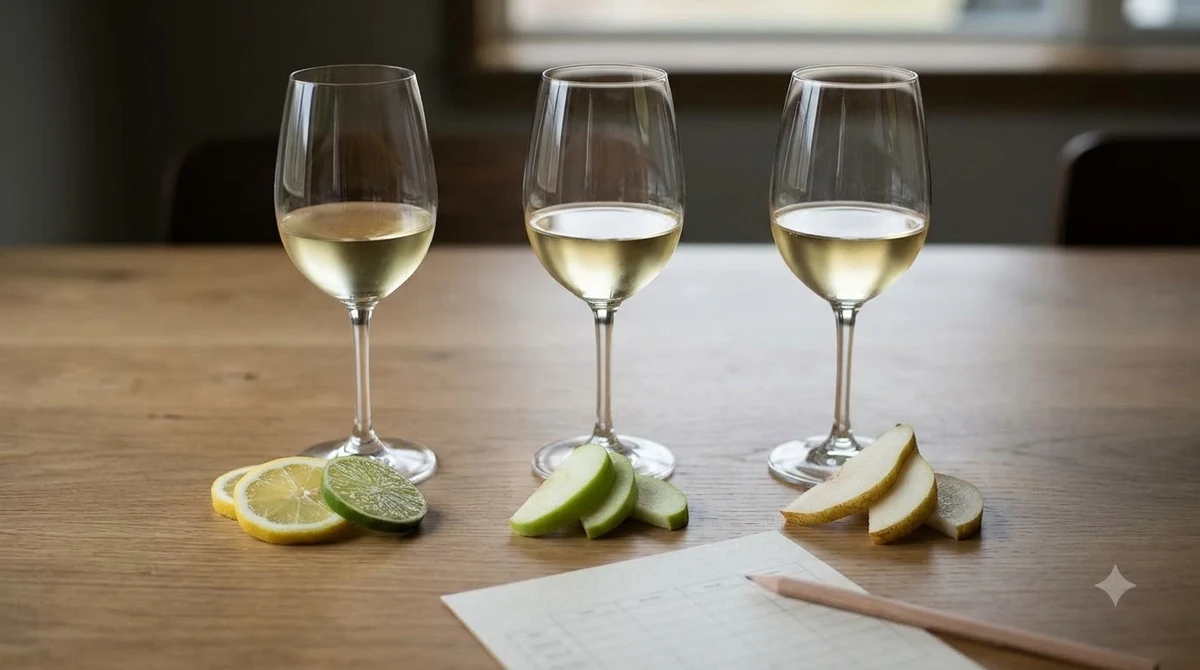
Sauvignon Blanc is best served well chilled, and the glass should be poured with enough room for the aromas to lift. The crisp acidity makes it a natural partner for shellfish, grilled fish, goat cheese and fresh salads with herbs. Its brightness also suits dishes with citrus, green vegetables and lighter Asian flavors, where the wine can match the food without overwhelming it.
Chardonnay from the range pairs well with roast chicken, creamy pasta and seafood with butter-based sauces. The Illuminate and alcohol-removed styles are a practical choice for an afternoon or a long table where you want something lighter in the glass.
How to Choose the Right Bottle
Start with what you plan to eat. If the meal is light and herb-forward, the classic Marlborough Sauvignon Blanc is the most direct match. For a gathering with mixed tastes, a Chardonnay gives guests who prefer a rounder white something to enjoy, while a half-bottle works for a single glass at dinner or a solo evening.
Look at the vintage and the producer notes on the label. Sauvignon Blanc is generally made to drink young, so a recent release usually shows the freshest character. The brand’s flagship Sauvignon Blanc is a sound starting point, and you can move to the alcohol-removed or lighter options once you know which style you enjoy.
If you are comparing this lineup with other popular whites, the Kim Crawford Sauvignon Blanc guide goes deeper into the flavor profile and food pairings for the flagship wine, and the Barefoot wine guide shows how a different style of mass-market white compares.
Who Kim Crawford Suits
Kim Crawford suits drinkers who want a clean, aromatic white that works across a wide range of meals. It is a reliable option for casual dinners, group gatherings and restaurant lists where the menu is mixed. Drinkers who prefer a deeper, oak-driven white or a heavy red may find the style too light, and they may look to a different producer for those tastes. It is also a practical choice for a host who wants one bottle that suits several guests, since the Sauvignon Blanc can be served alongside appetizers and then carried through a simple main course.
Frequently Asked Questions
Is Kim Crawford wine from New Zealand?
Yes. The brand began in Auckland in 1996, and its best-known wine, Sauvignon Blanc, comes mainly from the Marlborough region on the northeastern corner of the South Island.
What is Kim Crawford best known for?
The brand is best known for Marlborough Sauvignon Blanc, which is fruit-driven and crisp. Its range also includes Chardonnay, Illuminate, alcohol-removed Sauvignon Blanc and a half-bottle format.
Who owns Kim Crawford?
Trade coverage describes the brand as owned by Constellation Brands. The winemaking focus on New Zealand fruit and Sauvignon Blanc remains central to the label.
What is the best way to serve Kim Crawford Sauvignon Blanc?
Serve it well chilled, in a glass that leaves room for the aromas. It pairs well with seafood, goat cheese, fresh salads and herb-based dishes.
Kim Crawford is a good starting point for anyone exploring New Zealand Sauvignon Blanc. Begin with the flagship bottle, try the lighter styles once you know your preferences, and visit the brand’s about page to read more about the origins and winemaking approach. Tasting two or three styles side by side at home is the simplest way to learn what matters to you, whether that is brightness, body or how much fruit you want on the nose.
More in Wine Brands
 Underwood Wine Price: Compare Bottles, Cans, and Pack SizesUpdated Nov 21, 2026
 Zenato Wine Price: Compare Styles and Choose the Right BottleUpdated Nov 21, 2026
 Zuccardi Wine Price: Compare Bottles and Find the Right RangeUpdated Nov 21, 2026
 Yellow Tail Moscato Review: Taste, Sweetness and Serving TipsUpdated Nov 21, 2026
 Wolf Blass Yellow Label Review: Choose Your Best StyleUpdated Nov 21, 2026
 Wolffer Estate Rose Review: Choose the Right Bottle for Your TableUpdated Nov 21, 2026