

We may earn a commission when you buy through links on this page, at no extra cost to you. Learn more.
The kim crawford sauvignon blanc price for a standard 750 ml bottle is typically about $10 to $15 at U.S. retail, based on VinoAlert’s U.S. retailer listings and Target’s regular shelf listing. That puts it in the accessible, everyday Marlborough Sauvignon Blanc category rather than the premium collectible tier. Bottle size, vintage, retailer, and state alcohol rules can all affect the amount on the shelf.
Kim Crawford’s familiar Sauvignon Blanc is made in Marlborough, New Zealand, and is known for lively acidity with passion fruit, melon, grapefruit, citrus, and crushed-herb notes. The useful buying question is not simply whether one store has the lowest tag: it is whether the bottle size, vintage, and local price make sense for the occasion. The kim crawford sauvignon blanc profile gives more background on the wine itself.
Who This Is For
Kim Crawford Sauvignon Blanc suits shoppers looking for a bright, fruit-forward white for casual meals, seafood, patio gatherings, or a dependable by-the-glass option. A 750 ml bottle is the standard size, and its accessible everyday positioning makes it a practical choice for an uncomplicated weeknight white rather than a special-occasion collectible.
The wine is a particularly natural fit for people who enjoy crisp New Zealand Sauvignon Blanc but do not want an extremely austere or sharply herbal style. The producer describes ripe passion fruit, melon, and grapefruit alongside citrus and crushed herbs, with fresh, juicy acidity. That combination gives it enough citrus lift for oysters and asparagus while keeping a recognizable tropical-fruit profile for drinkers who prefer generous fruit flavors.
It is less suitable for shoppers who want a rich, buttery white with obvious oak influence, a soft low-acid wine, or a bottle designed for extended cellaring. Sauvignon Blanc is generally chosen for freshness, and this bottling’s advertised character centers on lively acidity and immediate fruit rather than pronounced toast, vanilla, or weight from oak aging. Someone who prefers a broad, creamy Chardonnay may find the style too brisk.
Key Factors to Compare
The fairest comparison starts with bottle size, the vintage’s alcohol level, and the actual local shelf range. For most shoppers, about $10 to $15 for a 750 ml bottle is the useful benchmark, a range supported by VinoAlert’s U.S. retailer offers and Target’s regular shelf listing; a smaller bottle costs less overall but usually gives fewer pours.
VinoAlert’s U.S. retailer listings show lower-priced 750 ml offers around $10 to $12, while Target’s regular shelf listing is about $15; those sources support a practical everyday range of about $10 to $15 per 750 ml bottle. Prices vary by state and retailer, and delivery, local taxes, vintage, and store inventory can change the amount shown at checkout. For a wider price comparison, the VinoAlert Kim Crawford price listings show how offers differ across retailers and vintages.
| What to compare | Published or typical figure | What it means at purchase |
|---|---|---|
| Standard bottle | 750 ml; the usual U.S. wine-bottle format | About five 5 oz pours, so it is the most useful size for comparing shelf prices. |
| Smaller bottle | 375 ml; listed by the producer alongside 750 ml | About two and a half 5 oz pours, useful when a full bottle would be too much. |
| Everyday U.S. price guide | About $10-$15 per 750 ml; based on VinoAlert U.S. offers and Target’s regular listing | Use as a shopping range, not a guaranteed price in every state or store. |
| Alcohol level by vintage | 12% for the 2022 Wine Enthusiast listing; 13.5% for the 2024 Tastings.com review | Do not assume every release has the same ABV; compare the label on the vintage being purchased. |
| Serving temperature | 45-50°F for a light white wine | Chill before serving to keep the citrus and acidity refreshing without muting the aromas. |
Vintage matters because the wine is not guaranteed to have an identical alcohol percentage or exact balance in every release. Wine Enthusiast lists 12% ABV for its 2022 bottle, while Tastings.com reports 13.5% for its 2024 review. These are vintage-specific published examples, not a universal specification for every Kim Crawford Sauvignon Blanc. For additional context, the kim crawford sauvignon blanc alcohol content discussion focuses on why the number can vary.
Tip: Compare like with like: a 750 ml bottle against another 750 ml bottle, and the same vintage when possible. A half bottle’s lower total cost does not automatically make it the better value per glass.
Step-by-Step
A simple buying routine helps distinguish a fair shelf price from a misleading comparison. Use the same five checks whether shopping at a neighborhood wine store, a supermarket, or a large retailer.
- Confirm the wine and region. Look for Kim Crawford Sauvignon Blanc from Marlborough, New Zealand, rather than another wine in the brand’s range or a different Sauvignon Blanc. Retail search results can place several Kim Crawford products beside one another, so the full name matters.
- Match the bottle size. Check whether the bottle is 750 ml or 375 ml before comparing the total price. The producer lists both sizes for this Sauvignon Blanc, and their number of servings is very different.
- Check the vintage and ABV. Look at the vintage printed on the front or back label and note the alcohol percentage. Published examples include 12% for the 2022 Wine Enthusiast listing and 13.5% for the 2024 Tastings.com review, so a percentage seen in an older review should not be treated as fixed.
- Compare the local shelf range. Use the about $10 to $15 range supported by VinoAlert’s U.S. retailer listings and Target’s regular shelf listing as a practical reference for a 750 ml bottle, then compare the stores available in the state where the wine will be purchased. A higher shelf figure may reflect a retailer’s pricing, shipping, or a less common vintage rather than a different wine style.
- Decide when and how it will be served. For oysters, lobster, asparagus, or a summer salad, chill it to roughly 45-50°F and open it shortly before pouring. For a party, estimate about five 5 oz glasses from a 750 ml bottle and buy according to the number of guests.
Types or Styles Explained
Kim Crawford Sauvignon Blanc is a Marlborough expression of the Sauvignon Blanc grape, so its core profile is crisp, aromatic, and fruit-led. The important distinction is between this standard bottling, other wines under the Kim Crawford name, and Sauvignon Blanc made in different New Zealand subregions.
The standard Marlborough bottling
The producer’s official Sauvignon Blanc page describes a very pale yellow color, lifted citrus and tropical-fruit aromas, and crushed herbs. On the palate, passion fruit, melon, and grapefruit sit alongside fresh acidity and a finish described as having length. Wine Enthusiast’s review of the 2022 vintage adds peach, pineapple, lime, subtle grass, and dried-herb notes, calling the palate juicy and vibrant with prickly acidity and a touch of residual sugar.
That mix makes the wine fruit-forward without being a sweet white. The perceived fruitiness can make it seem rounder than a very lean, mineral Sauvignon Blanc, but its acidity keeps the finish lively. If the tasting profile is the deciding factor, the kim crawford sauvignon blanc tasting notes page can help set expectations before choosing a bottle.
Marlborough character and regional variation
New Zealand Wine explains that Marlborough has low rainfall, high sunshine, and substantial day-to-night temperature changes during ripening. Those conditions help produce vivid Sauvignon Blanc, while the region’s Wairau Valley tends toward riper, more tropical, pungent fruit and the Awatere Valley can show more herbal and mineral characters. Kim Crawford’s published flavor profile leans into the familiar tropical-citrus side of that regional identity.
Do not confuse separate brand wines
A retailer’s Kim Crawford search page may show standard Sauvignon Blanc beside Illuminate, rosé, or sparkling wine. Those are not interchangeable versions of the same bottle. The standard Sauvignon Blanc is the classic Marlborough white with the fruit and acidity profile described above; a lower-alcohol or alcohol-removed product has a different purpose and should be compared using its own label information.
For shoppers who want a recognizable, aromatic white for seafood and summer vegetables, the standard bottling is the direct choice. For someone specifically looking for a lighter-alcohol alternative, a separate range may be more relevant, but its price and alcohol details should not be used to judge the standard wine.
Common Mistakes
The biggest buying errors are comparing different bottle sizes, relying on an old vintage review for current specifications, and assuming every retailer uses the same shelf price. A quick check of the 750 ml format, vintage, and local listing avoids most of these problems.
Comparing a half bottle with a full bottle
A 375 ml bottle contains half as much wine as a 750 ml bottle. It is convenient for one or two people, but a lower checkout total does not prove a lower cost per glass. Use the bottle volume to calculate the value, and remember that a standard serving is about 5 oz rather than a full wineglass to the rim.
Treating one ABV as permanent
Alcohol percentage can shift with vintage and release. The published 2022 and 2024 reviews give different figures, so repeating an ABV from an older bottle description can create a mismatch with the bottle currently on the shelf. The label on the exact vintage being bought is the best guide to that bottle.
Expecting a buttery or sweet wine
Passion fruit and melon can make the wine taste generous, but the style is still built around bright acidity. It is not a substitute for an oaked Chardonnay with butter, toast, and vanilla notes, nor should it be selected as a dessert wine. Its ripe fruit is balanced by freshness rather than dessert-level sweetness.
Using price alone to judge quality
A low listing is useful only if it refers to the same wine, size, and a current bottle in stock. Online price trackers can include multiple vintages and stores with very different shipping footprints; the displayed range may therefore be wider than the everyday in-store options. A fair local shelf price is more meaningful than an outlier that cannot be purchased in the shopper’s state.
Care or Storage Tips
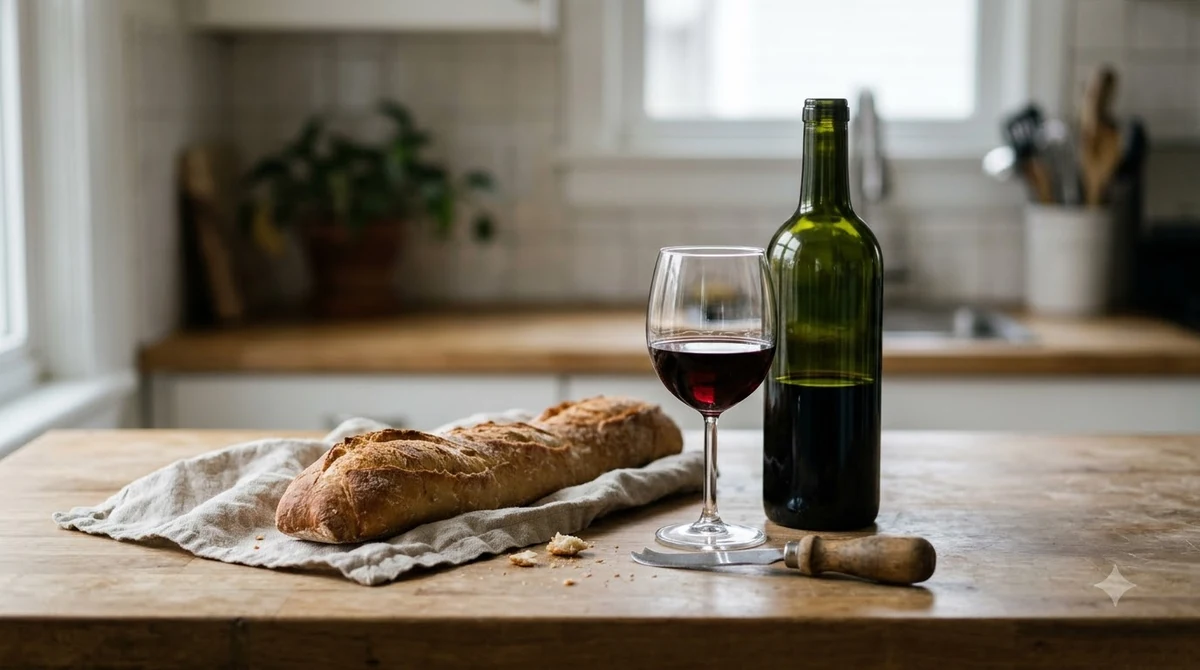
Keep the bottle cool before serving and protect any leftover wine from warmth and air. For this crisp white, a serving temperature around 45-50°F helps preserve the citrus, tropical fruit, and fresh acidity.
For a quick chill, place the bottle in an ice bucket with water and ice for about 15-20 minutes, turning it once if needed. A refrigerator generally needs longer, so plan ahead rather than serving the wine warm. Avoid putting it in a freezer and forgetting it; a bottle can be damaged if the liquid freezes and expands.
Once opened, reseal the bottle with its original closure or a suitable wine stopper and refrigerate it. Most opened still wines keep their best character for about 3-5 days in the refrigerator, although the fruit and freshness usually soften over time. Pour only what is needed and return the bottle to the refrigerator promptly rather than leaving it on the counter throughout dinner.
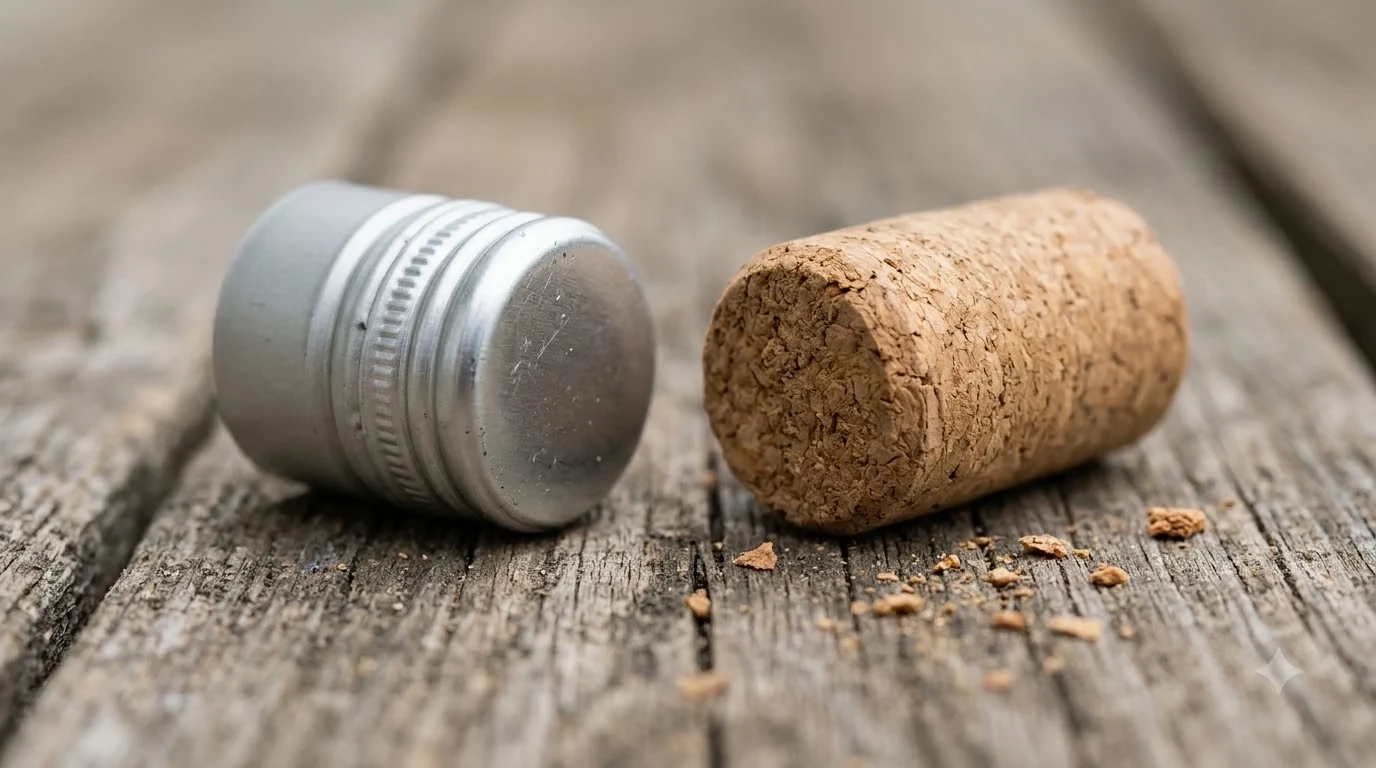
For an unopened bottle, a cool, dark place away from sunlight, heat vents, and repeated temperature swings is preferable. A storage temperature near 55°F is a useful general target for wine, but a fresh, accessible Sauvignon Blanc is usually bought to enjoy relatively young rather than stored for many years. If the bottle has a natural cork, long-term storage on its side helps keep the cork from drying; a screw-cap bottle does not need to be laid horizontally for that reason.
Frequently Asked Questions
These answers add useful context beyond the shelf range, including recognition for the 2024 release, a professional score for the 2022 vintage, and details about Marlborough’s scale and the reviewed drinking window.
Has Kim Crawford Sauvignon Blanc received major wine recognition?
The producer says its 2024 vintage was named “New Zealand Sauvignon Blanc of the Year” by the New York International Wine Competition. The winery also describes it as a perennial by-the-glass favorite in many restaurants.
What score did Wine Enthusiast give the 2022 vintage?
Wine Enthusiast rated the 2022 Kim Crawford Sauvignon Blanc 89 points. In the publication’s scoring scale, 87-89 points is described as “Very Good,” a category associated with wines that are often good value and well recommended.
Is Kim Crawford Sauvignon Blanc a single-vineyard wine?
The producer’s product page does not identify the standard bottling as a single-vineyard wine. It instead describes attention to individual vineyard-block harvesting and small-lot fermentation, which are winemaking practices rather than a claim that the wine comes from one vineyard.
How large is the Marlborough wine region?
New Zealand Wine describes Marlborough as the country’s largest wine region, with almost 31,000 hectares of vines. The organization estimates that this represents around two-thirds of New Zealand’s national vineyard area.
How long can the 2024 vintage be kept?
Tastings.com lists the 2024 Kim Crawford Sauvignon Blanc as a wine to enjoy now through about three years. That is a review-specific drinking window, not a promise that every vintage or every bottle will develop in the same way.
For most shoppers, the useful target is about $10 to $15 for a 750 ml bottle, a range reflected in VinoAlert’s U.S. offers and Target’s regular shelf listing, with the vintage and local retailer determining the final shelf figure. Choose it for crisp Marlborough fruit, lively acidity, and easy pairing with seafood or fresh vegetables, then serve it well chilled.
More in Wine Brands
 Underwood Wine Price: Compare Bottles, Cans, and Pack SizesUpdated Nov 21, 2026
 Zenato Wine Price: Compare Styles and Choose the Right BottleUpdated Nov 21, 2026
 Zuccardi Wine Price: Compare Bottles and Find the Right RangeUpdated Nov 21, 2026
 Yellow Tail Moscato Review: Taste, Sweetness and Serving TipsUpdated Nov 21, 2026
 Wolf Blass Yellow Label Review: Choose Your Best StyleUpdated Nov 21, 2026
 Wolffer Estate Rose Review: Choose the Right Bottle for Your TableUpdated Nov 21, 2026