

We may earn a commission when you buy through links on this page, at no extra cost to you. Learn more.
Kakheti vineyards are located in eastern Georgia, where indigenous grapes such as Saperavi and Rkatsiteli produce distinctive wines using traditional qvevri and modern European winemaking methods. The region is Georgia’s leading wine-producing area, with vineyards spread across the Alazani and Iori river basins. Its combination of mountain-influenced landscapes, varied soils, historic appellations, and underground clay fermentation vessels makes Kakheti one of the most distinctive wine destinations in the Caucasus.
Georgia has one of the world’s oldest documented winemaking traditions, and Kakheti sits at the center of its modern wine identity. From the dry white wines of Tsinandali to the deeply colored Saperavi reds of Mukuzani and the amber wines fermented in qvevri, the region offers an unusually broad range of styles. Understanding its geography, grape varieties, and production traditions makes it easier to recognize what distinguishes each bottle.
Where Kakheti Vineyards Are Located and What Makes the Landscape Special
Kakheti vineyards occupy eastern Georgia, between the Greater Caucasus Mountains and the lower, drier landscapes approaching Azerbaijan. The Alazani and Iori river basins form the region’s principal wine-growing areas, with many vineyards positioned between 400 and 700 meters above sea level, according to Georgia’s National Wine Agency.
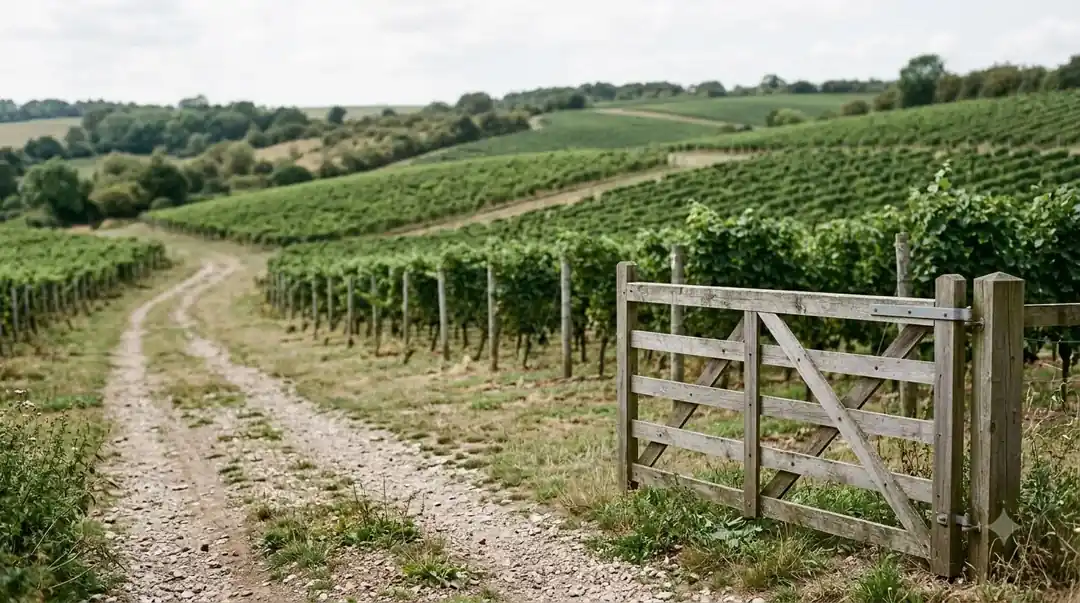
The region is divided into Shida Kakheti and Gare Kakheti, two broad subzones that encompass numerous individual vineyard areas. Important wine-growing municipalities include Telavi, Kvareli, Gurjaani, Sighnaghi, Sagarejo, Akhmeta, Lagodekhi, and Dedoplistskaro. The Alazani Valley is particularly important because vineyards extend along both sides of the river, while the Tsiv-Gombori slopes provide additional growing locations with different elevations and exposures.
Three broad soil categories are particularly relevant to Kakheti: humus-carbonate soils, black soils, and alluvial deposits. Alluvial soils occur in river-influenced areas, while other sites have different proportions of mineral material and organic matter. These differences contribute to variations in vine growth, grape ripening, and wine structure. Elevation, drainage, exposure, and water availability also influence how individual vineyard sites perform.
The climate is generally continental, with warm summers, relatively cold winters, and seasonal rainfall. The Greater Caucasus provides an important geographical backdrop, while the Alazani and Iori valleys create distinct growing environments. Water availability and summer heat can vary between vineyard locations, making individual site conditions important to grape quality.
Kakheti also has a substantial concentration of Georgia’s wine industry. Its extensive vineyard area and concentration of commercial wineries explain why wine tourism, vineyard agriculture, traditional cellars, and commercial production are closely connected throughout the region.
For wine lovers comparing international regions, Kakheti offers an interesting contrast with Tasmania vineyards, where cooler maritime conditions favor a different balance of grape varieties and wine styles. Kakheti’s warmer continental environment supports a strong combination of concentrated reds, aromatic whites, and traditional skin-contact wines.
For additional geographical and agricultural information, the Georgian National Wine Agency’s regional overview provides details about Kakheti’s elevations, soils, grapes, and traditional production methods.
The Main Grapes Grown Across Kakheti
Kakheti is best known for Saperavi, Rkatsiteli, Kakhuri Mtsvane, Kisi, and Khikhvi. These indigenous Georgian varieties provide the foundation for the region’s most recognizable wines, although international varieties such as Cabernet Sauvignon also appear in some vineyards.
Saperavi is the region’s signature red grape. Its name is commonly translated as dye or paint, referring to its intensely colored juice and pulp. Unlike many red varieties with pale flesh, Saperavi is a teinturier grape, meaning its flesh itself contributes color. It produces wines with dark fruit flavors, substantial tannins, and refreshing acidity. Blackberry, plum, black cherry, and savory characteristics are common descriptions, particularly in dry examples.
Producers use Saperavi for several different styles, including dry reds, naturally semi-sweet wines, sweet fortified wines, rosé, and sparkling wines. Its versatility makes it an important variety throughout the region. The grape is particularly associated with Mukuzani, Napareuli, Kvareli, Kindzmarauli, and other well-known wine-producing areas.
Rkatsiteli is the most important white grape to understand when exploring Kakheti. It is widely planted throughout Georgia and performs well in both conventional white winemaking and traditional skin-contact production. European-style Rkatsiteli commonly displays citrus, apple, white peach, and floral characteristics, with acidity that keeps the wine fresh.
Kakhuri Mtsvane, often called Mtsvane Kakhuri or Kakhetian Green, is another important indigenous white variety. It is frequently blended with Rkatsiteli, particularly in Tsinandali, where the varieties contribute complementary aromatic and structural qualities. Mtsvane can bring freshness and expressive fruit characteristics to the finished wine.
Kisi and Khikhvi provide additional diversity. Kisi can produce floral European-style whites with pear and citrus notes, while qvevri versions often show apricot, mango, orange, and walnut characteristics. Khikhvi is aromatic, with floral and yellow-fruit notes, and can be used for dry, semi-sweet, sweet, and fortified wines.
| Grape variety | Color | Typical characteristics | Common styles |
|---|---|---|---|
| Saperavi | Red | Blackberry, plum, firm tannins | Dry, semi-sweet, rosé, sparkling |
| Rkatsiteli | White | Citrus, apple, peach, almond | Dry white, amber qvevri |
| Kakhuri Mtsvane | White | Floral, fresh fruit, aromatic | Dry white, blends |
| Kisi | White | Pear, citrus, apricot, walnut | European-style white, amber |
| Khikhvi | White | Wildflowers, yellow fruit, apricot | Dry, semi-sweet, sweet, fortified |
| Tavkveri | Red | Fresh red-fruit character | Red, rosé, sparkling |
The National Wine Agency also recognizes less familiar varieties such as Budeshuri, Mtsvivana, Sapena, and Kunsi. These grapes are important to the broader agricultural diversity of Kakheti, even though they receive less international attention than Saperavi and Rkatsiteli.
Traditional Qvevri Winemaking and the Amber Wine Tradition
Qvevri winemaking is one of the defining characteristics of Kakheti. It uses large clay vessels buried underground to ferment, mature, and store wine, often with prolonged contact between the fermenting juice and grape skins, seeds, and stems.

The process begins with harvesting and crushing the grapes. Traditionally, grapes are pressed in a wooden winepress called a satsnakheli, and the resulting must is transferred into a qvevri. Depending on the producer and wine style, the vessel receives different proportions of grape skins, seeds, and stems, collectively known as chacha.
During fermentation, the solids gradually settle toward the bottom of the vessel. The National Wine Agency describes a traditional process in which the qvevri is closed after alcoholic fermentation and sealed more completely following malolactic fermentation. The first racking generally occurs in March, after which the wine can continue aging for approximately a year.
The underground position of a qvevri is important to the method. The surrounding earth helps maintain a relatively stable temperature throughout seasonal changes, reducing the temperature fluctuations that can affect fermentation and maturation. The vessel’s shape and the prolonged contact with grape solids also influence how the finished wine develops.
Skin contact is especially significant when making white wine. Conventional white winemaking usually separates the juice from the skins relatively early, preserving a lighter color and avoiding substantial extraction of tannins. In traditional Kakhetian amber winemaking, white grapes remain in contact with their skins and other solids for an extended period.
This technique produces wines with deeper golden, copper, or amber colors. Their aromas can include dried apple, apricot, orange peel, herbs, and walnut. The palate often has a firmer texture and more noticeable tannin than conventional white wine. Some bottles are approachable and aromatic, while others have a powerful, savory structure that benefits from food.
Qvevri wine production is not restricted to Rkatsiteli. Kisi, Khikhvi, and Kakhuri Mtsvane can also be used, and some producers experiment with international varieties. The results vary according to grape selection, skin-contact duration, stem inclusion, fermentation management, and maturation.
UNESCO added the traditional Georgian qvevri winemaking method to its Representative List of the Intangible Cultural Heritage of Humanity in December 2013. The recognition reflects the cultural importance of the method, which remains connected to family cellars, harvest traditions, and communal celebrations.
Tip: If you are new to Kakhetian amber wine, begin with a Rkatsiteli or Kisi bottling and compare it with a conventional dry white made from the same grape. The contrast in color, tannin, texture, and dried-fruit character makes the influence of qvevri fermentation easier to understand.
Important Kakheti Appellations and Their Signature Wines
Kakheti contains several important protected wine-producing areas, each associated with particular grape varieties, growing conditions, and production traditions. Learning the names of Tsinandali, Mukuzani, Napareuli, Kindzmarauli, and Akhasheni provides a practical introduction to the region’s wine geography.
Tsinandali is one of the best-known white wine appellations. It is particularly associated with dry wine made from Rkatsiteli and Kakhuri Mtsvane. The combination produces a balanced white with fruit, floral notes, and refreshing acidity. Depending on the producer and winemaking approach, the wine can emphasize citrus and orchard fruit or develop greater aromatic complexity through maturation.
Mukuzani is an important source of dry Saperavi. These wines are typically structured, deeply colored, and capable of developing additional complexity with bottle aging. Blackberry, plum, dark cherry, spice, and savory notes are common descriptors. The official Georgian wine appellation information identifies Mukuzani as a full-bodied dry red made from Saperavi.
Napareuli is another established wine-producing area associated with Saperavi. Its wines offer another way to explore the regional expression of this indigenous red grape. The appellation is also known for white wine production, providing an additional point of comparison for consumers interested in how grape selection and vineyard conditions influence Kakheti’s finished wines.
Kindzmarauli is especially recognizable because of its naturally semi-sweet red wine made from Saperavi. The grapes are harvested late, allowing greater sugar accumulation before fermentation. The finished wine retains noticeable sweetness alongside ripe fruit and acidity, making it very different from a dry Mukuzani.
Akhasheni is another important naturally semi-sweet Saperavi wine. It is associated with the Gurjaani area and provides another regional expression of the grape. Both Akhasheni and Kindzmarauli are useful choices for people who prefer fruit-forward red wines rather than the firm tannins of traditional dry Saperavi.
Other names worth recognizing include Gurjaani, Manavi, Vazisubani, Kvareli, Teliani, Tibaani, Kardanakhi, and Kotekhi. Some are associated with specific white or red styles, while others provide a wider indication of Kakheti’s diverse wine-growing landscape. Their production requirements and permitted varieties differ, so they should not all be treated as interchangeable regional labels.
The distinction between a broad regional wine and an appellation wine is important. A Kakheti designation identifies a larger geographical origin, whereas a protected designation such as Mukuzani or Tsinandali establishes a more specific connection between the wine and its defined production area. This geographical distinction helps consumers understand why two wines made from the same grape can have different identities.
The Wines of Georgia appellation directory provides useful descriptions of the permitted grape varieties and characteristic wine styles associated with individual protected designations.
What Kakheti Wines Taste Like and How to Choose a Style
Kakheti produces more than one recognizable wine profile. Its range includes crisp conventional whites, textured amber wines, concentrated dry reds, approachable semi-sweet wines, and sparkling bottlings.
For a refreshing introduction, try conventional Rkatsiteli or Tsinandali. These wines generally show citrus, green apple, pear, peach, and floral notes, with acidity that makes them suitable for seafood, vegetables, poultry, and fresh cheeses. Their relatively straightforward structure makes them accessible to people accustomed to Sauvignon Blanc, Pinot Grigio, or other dry white wines.
Amber wines provide a different experience. Rkatsiteli, Kisi, and Khikhvi fermented on their skins can develop tannins, dried-fruit flavors, and a broader texture. They are often more suitable for drinkers who enjoy textured whites, natural wines, or savory wines with substantial aromatic development.
Dry Saperavi is the main choice for red wine enthusiasts. Its dark fruit, acidity, and tannin give it a firm structure. Mukuzani and Napareuli are useful appellation names to look for when exploring this style. Some examples receive oak maturation, adding further notes of spice, vanilla, or toast.
Kindzmarauli and Akhasheni offer sweeter alternatives. Their residual sweetness softens the perception of acidity and tannin, creating wines with ripe fruit character. They are useful choices for people who prefer a less austere red wine or want a bottle to accompany dishes with sweet or savory components.
Saperavi is also used for rosé and sparkling wine. These styles demonstrate that the grape is not limited to powerful, age-worthy reds. Rosé generally emphasizes fresh red fruit, while sparkling versions offer a more refreshing expression of the variety.
When choosing a bottle, consider three details: the grape variety, the appellation, and the winemaking method. A Rkatsiteli from a conventional fermentation may taste substantially different from a skin-contact Rkatsiteli fermented in qvevri. Similarly, a dry Mukuzani should not be expected to taste like a semi-sweet Kindzmarauli, even though both wines are based on Saperavi.
Visiting Kakheti Wine Country: Towns, Vineyards, and Cellars
Telavi, Kvareli, Gurjaani, and Sighnaghi are useful bases for exploring Kakheti’s wine country. Each provides access to different vineyard areas, wine producers, and cultural attractions.
Telavi is one of the region’s main urban centers and a practical starting point for exploring the central Alazani Valley. The surrounding area provides access to Tsinandali and several other established wine-producing locations. Visitors can combine winery appointments with historic sites, local restaurants, and views toward the Caucasus Mountains.
Kvareli is an important destination for people interested in Saperavi and Kindzmarauli. Its surrounding vineyards and wine estates provide opportunities to explore the region’s red wines, while nearby wine cellars offer insight into traditional storage and fermentation methods. Tastings can help clarify the differences between dry and semi-sweet expressions of Saperavi.
Gurjaani is another useful destination, particularly for understanding the agricultural importance of Kakheti. The municipality includes vineyards associated with several wine styles, including the Akhasheni production area. It also provides a useful perspective on the connection between local communities, grape growing, and commercial winemaking.
Sighnaghi offers a different experience. Its elevated position provides impressive views across the Alazani Valley and the surrounding countryside. The town is a convenient base for visiting nearby wineries and combining wine tourism with Georgian food, architecture, and regional history.
Wine visits generally require some planning. Smaller family producers may operate by appointment rather than maintaining open tasting-room schedules throughout the day. Larger wineries may offer organized tastings, vineyard walks, cellar visits, and meals. Confirming availability before traveling is particularly useful during the harvest season.
Autumn is an especially interesting time to visit because grape harvesting and winemaking activities become more visible. Saperavi is generally harvested later than some white varieties, while harvest schedules vary according to vineyard conditions and the producer’s preferred ripeness.
For visitors planning a wider international wine itinerary, Kakheti also provides an interesting comparison with Uruguay vineyards, where maritime influences and Tannat play a much more prominent role. Comparing the regions highlights how climate, native grape varieties, and historical winemaking traditions shape different wine identities.
Food Pairings, Serving Temperatures, and Cellaring Kakheti Wines
Kakheti wines pair well with many traditional Georgian dishes, including grilled meats, roasted vegetables, cheese, walnut-based preparations, and herb-rich foods. Matching the wine’s sweetness, acidity, and tannin to the dish is more useful than relying only on the grape variety or the wine’s country of origin.
Dry Saperavi is particularly suitable for grilled lamb, beef kebabs, roasted pork, and other richly flavored meats. Its substantial tannins work well with protein and fat, while its acidity helps balance the richness of grilled dishes. Younger, powerful examples can benefit from 30 to 60 minutes of decanting before serving.
Amber Rkatsiteli and Kisi are excellent options for roasted chicken, mushrooms, grilled vegetables, and dishes containing walnuts. Their additional tannin and texture make them more versatile with savory foods than many conventional light-bodied whites. They can also accompany aged cheeses and herb-based dishes.
Conventional Rkatsiteli and Tsinandali are better suited to lighter meals. Consider serving them with grilled fish, poultry, salads, and fresh cheeses. Their acidity is particularly useful with dishes containing lemon, vinegar, or other acidic ingredients because a wine with comparable or higher acidity is less likely to taste flat beside the food.
Kindzmarauli and Akhasheni can accompany mildly spicy foods, fruit-based sauces, and dishes with a touch of sweetness. Their sweetness helps balance savory and sweet flavors, but strongly chili-driven dishes require care because alcohol and tannin can intensify the perception of heat.
Traditional Georgian food offers several especially interesting combinations. Amber wine with walnut-based vegetable dishes brings together savory, earthy, and nutty flavors. Dry Saperavi with grilled lamb creates a satisfying match between tannin, protein, and roasted flavors. Tsinandali with fresh cheeses provides a lighter pairing that highlights acidity and fruit.
Serving temperature also makes a substantial difference. The following ranges provide useful starting points for different Kakheti styles.
| Wine style | Suggested temperature | Food pairing |
|---|---|---|
| Dry Rkatsiteli | 45–50°F | Fish, poultry, fresh cheese |
| Tsinandali | 45–50°F | Salads, seafood, vegetables |
| Amber qvevri white | 50–55°F | Mushrooms, walnuts, aged cheese |
| Dry Saperavi | 60–65°F | Grilled beef, lamb, roasted pork |
| Kindzmarauli | 55–60°F | Spiced dishes, fruit-based sauces |
| Rosé Saperavi | 45–50°F | Grilled vegetables, poultry |
| Saperavi sparkling | 40–50°F | Appetizers, salty cheeses |
For storage, keep unopened bottles in a cool, dark location with a relatively stable temperature near 55°F. Traditional cork-sealed bottles are generally best stored horizontally to keep the cork from drying out. Avoid locations exposed to direct sunlight, strong vibrations, or repeated temperature fluctuations.
Once opened, still Kakheti wines generally keep for approximately three to five days in the refrigerator when properly resealed. Sparkling wines are usually best enjoyed within one to three days, while fortified wines can last several weeks depending on their style and storage conditions. Returning a bottle to the refrigerator between servings helps preserve its freshness.
Pouring approximately 5 ounces per glass provides a useful tasting portion. A standard 750-milliliter bottle contains approximately five such servings, making it convenient to compare two or three different Kakheti wines during a tasting.
For a structured tasting, begin with conventional dry whites, move to amber wines, and finish with dry or semi-sweet Saperavi. This order allows lighter wines to retain their freshness before the more concentrated and tannic styles take over the palate.
Frequently Asked Questions
How old is Georgian winemaking in Kakheti?
Georgia has archaeological evidence of winemaking dating back approximately 8,000 years. Researchers have identified ancient grape-growing and winemaking evidence at archaeological sites in the country, including discoveries associated with early Neolithic communities. This evidence places Georgia among the earliest known centers of organized wine production.
What does the word qvevri mean?
Qvevri refers to a traditional Georgian clay vessel used for fermenting, aging, and storing wine. The vessels are commonly made by specialist craftspeople and can vary considerably in capacity. Their construction and maintenance are important parts of traditional Georgian cellar culture.
Is Saperavi a teinturier grape?
Yes. Saperavi is a teinturier variety, meaning its flesh contains red pigment as well as its skin. This characteristic distinguishes it from most red wine grapes, whose juice is usually relatively clear before skin contact. It helps explain why Saperavi wines can achieve such intense color.
What is the Georgian word for amber wine?
Georgian amber wines are commonly described internationally as orange wines or amber wines, while traditional Georgian terminology includes the word ghvino for wine. The style is sometimes associated with the term kakhuri, referring to the Kakhetian approach to winemaking. Terminology can vary between producers, local traditions, and export markets.
Are Kakheti wines exported to the United States?
Yes. Georgian wines are available through American wine importers, specialty retailers, and restaurants. Saperavi, Rkatsiteli, Kindzmarauli, Mukuzani, and qvevri-produced amber wines are among the styles American consumers may encounter. Availability varies by producer, importer, and distribution market.
Kakheti is much more than Georgia’s largest wine-producing region: it is a place where indigenous grapes, distinctive vineyard landscapes, and centuries-old production traditions continue to shape an evolving wine culture. Whether you begin with crisp Tsinandali, textured amber Rkatsiteli, or structured Saperavi, exploring its appellations offers a rewarding introduction to Georgian wine. For anyone interested in distinctive regional wines, Kakheti deserves a prominent place on the wine map.
More in Wine Regions
 Willcox Wine Trail: Discover Arizona’s High-Elevation Wine CountryUpdated Nov 20, 2026
 Yakima Valley Wine Region: Find the Best Styles to TryUpdated Nov 20, 2026
 Vosne Romanee Wine Tasting: Identify Aromas and Choose Better PairingsUpdated Nov 20, 2026
 Yakima Valley Wine Festival: Find the Best Seasonal Wine EventsUpdated Nov 20, 2026
 Wales Vineyards: Discover Cool-Climate Wines and Where to VisitUpdated Nov 20, 2026
 Yountville Wine Festival: Discover Napa Wines and Local FoodUpdated Nov 20, 2026