

We may earn a commission when you buy through links on this page, at no extra cost to you. Learn more.
This justin wine review finds that JUSTIN is a strong choice for drinkers who enjoy fruit-forward California wines, particularly structured Paso Robles Cabernet Sauvignon and Bordeaux-style red blends. Its lineup also includes Sauvignon Blanc, Chardonnay, and rosé, giving shoppers options beyond full-bodied reds. The best bottle depends on whether you prefer approachable everyday Cabernet, a more ambitious flagship blend, or a fresher white wine.
JUSTIN Vineyards & Winery is a recognizable name in Paso Robles wine, with a portfolio that covers several familiar grape varieties and different drinking occasions. Its Cabernet Sauvignon is a useful starting point, while ISOSCELES offers a more complex Bordeaux-inspired direction. Understanding the differences between these wines makes it easier to choose a bottle that matches your palate, meal, and plans rather than assuming every JUSTIN wine tastes alike.
Who Should Consider JUSTIN Wines?
JUSTIN is particularly worth considering for shoppers who enjoy ripe fruit flavors, recognizable grape varieties, and California wines with a relatively generous style. Its Cabernet Sauvignon and ISOSCELES are natural starting points for red wine drinkers, while Sauvignon Blanc provides a lighter alternative.

Cabernet Sauvignon fans will probably find the most straightforward entry point in the winery’s Paso Robles Cabernet. The 2023 bottling is described by the producer as dry, moderately full-bodied, and characterized by black plum, cassis, blackberry, roasted red pepper, and dried herbs. Moderate tannins and acidity help give the wine structure without making its profile exclusively about firmness. Its oak maturation also contributes flavors associated with chocolate, vanilla, and baking spices.
People who prefer a more layered red wine should consider ISOSCELES. This flagship bottling combines Cabernet Sauvignon with Cabernet Franc and Merlot, following a Bordeaux-inspired approach. Its full-bodied structure and dark-fruit character make it more appropriate for a substantial dinner or a special bottle shared among several wine enthusiasts than for someone seeking a delicate, light-bodied red.
White wine drinkers should not overlook the brand. JUSTIN Sauvignon Blanc offers a different experience, with green citrus, apple, and grassy characteristics. The winery’s Chardonnay provides another route for people who prefer a rounder white wine. These styles are useful alternatives for households in which not everyone wants a bold red at dinner.
JUSTIN may be less suitable for someone whose main preference is very light, low-alcohol wine. Its flagship red wines are relatively full-bodied, and the published alcohol figures for the 2023 Cabernet Sauvignon and 2023 ISOSCELES are 15% and 15.5%, respectively. Drinkers who prefer delicate Pinot Noir, restrained European reds, or particularly lean whites should compare the grape variety and style before choosing.
For additional background on the producer’s range, the JUSTIN wine overview is a useful starting point. Shoppers comparing several producers can also explore our broader Wine Brands resource.
Key Factors to Compare Before Buying JUSTIN
The most useful comparison points are grape variety, body, tannin, alcohol, oak maturation, and intended occasion. These details help distinguish an everyday Cabernet from a more structured flagship blend or a refreshing white wine.
| Wine or feature | Key characteristics | Best suited to |
|---|---|---|
| 2023 Cabernet Sauvignon | 15% ABV; 15 months in American oak; 25% new oak | Steak, burgers, and grilled meats |
| 2023 ISOSCELES | 15.5% ABV; 21 months in barrels; 62% new French oak | Special dinners and substantial red-meat dishes |
| 2024 Sauvignon Blanc | 12.5% ABV; green citrus and apple characteristics | Seafood, salads, and lighter meals |
| Cabernet Sauvignon | High-tannin grape variety | Rich, savory foods |
| Sauvignon Blanc | High acidity | Fresh seafood and acidic dishes |
| Standard wine bottle | 750 ml; approximately five 5-ounce servings | Small dinner gatherings |
The first important distinction is the grape variety. Cabernet Sauvignon generally has higher tannin than Merlot or Pinot Noir. That matters because tannin creates a drying sensation, particularly when drinking a young red wine without food. The 2023 JUSTIN Cabernet is a useful example of how ripe fruit, oak, and moderate perceived tannin can work together in a recognizable California Cabernet style.
The second distinction is oak treatment. The producer states that the 2023 Cabernet Sauvignon spends 15 months in American oak, with 25% new barrels. Its 2023 ISOSCELES receives 21 months of barrel maturation, including 62% new French oak. Those are meaningful differences, and they help explain why the flagship blend has a more pronounced oak-related dimension.
Alcohol content is another useful comparison. A wine at 15% ABV can feel warmer and fuller than a wine at 12.5% ABV, particularly when served too warm. That does not automatically make one wine better, but it does influence the drinking experience. The published 2024 Sauvignon Blanc figure of 12.5% ABV makes it a noticeably different proposition from the two featured red wines.
Finally, consider the occasion. A bottle intended for casual weeknight drinking does not need the same structure, complexity, or cellar potential as a wine purchased for a celebration. Comparing these factors before shopping is more useful than selecting a bottle solely because its label is familiar.
Step-by-Step: How to Choose the Right JUSTIN Bottle
A simple selection process can narrow the range quickly. Start with your preferred wine color, then consider food, body, budget expectations, and whether you plan to drink the bottle immediately or keep it for later.
-
Decide between red, white, and rosé.
Begin with the style you usually enjoy. Choose Cabernet Sauvignon or ISOSCELES if you prefer structured reds. Sauvignon Blanc is a more appropriate starting point for someone who favors citrus-driven white wines. Rosé is worth considering for casual meals and warm-weather occasions.
-
Choose the level of structure you want.
For a familiar Cabernet experience, start with the standard JUSTIN Cabernet Sauvignon. If you enjoy layered red blends with Cabernet Sauvignon, Cabernet Franc, and Merlot, investigate ISOSCELES. Its fuller body and more extensive oak maturation make it a different drinking proposition.
-
Match the wine to your meal.
Cabernet Sauvignon is a natural partner for steak, grilled burgers, lamb, and other savory dishes. Sauvignon Blanc works more naturally with seafood, green vegetables, and dishes containing lemon or other acidic ingredients. For a richer meal, consider the wine’s body and the intensity of the seasoning.
-
Consider alcohol and serving temperature.
A 15% ABV Cabernet can seem more alcoholic when served warm. Aim for 60–65°F for a full-bodied red, rather than leaving the bottle in a warm dining room for hours. Lighter whites should generally be served around 45–50°F.
-
Decide whether you need an everyday bottle or a flagship wine.
ISOSCELES is the winery’s flagship, while its standard Cabernet offers a more direct way to explore the producer’s red-wine style. Do not assume that the flagship is automatically the better choice for every meal. A more structured wine can be less enjoyable than a simpler bottle when the food and occasion call for something lighter.
-
Compare the specific vintage.
Wine changes with vintage conditions, and tasting descriptions for one release should not be treated as guarantees about another. Look for the vintage-specific information available from the winery and reputable wine publications. Alcohol content, oak treatment, and tasting notes are especially useful details to compare.
-
Plan how much wine you need.
A standard 750 ml bottle provides approximately five 5-ounce servings. For a dinner with four adults, one bottle may be sufficient for modest pours, but two bottles give guests more flexibility if wine is the main beverage.
Tip: If you are buying JUSTIN for the first time, start with the standard Cabernet Sauvignon rather than immediately choosing the flagship. It provides a clearer introduction to the winery’s Paso Robles red-wine character and helps you decide whether you want a more complex blend next time.
JUSTIN Wine Types and Styles Explained
JUSTIN’s range covers several distinct wine styles, so the label and grape variety are more useful buying clues than the producer name alone. Cabernet Sauvignon and ISOSCELES are the central choices for red wine enthusiasts, while Sauvignon Blanc, Chardonnay, and rosé offer alternatives.
Cabernet Sauvignon
Cabernet Sauvignon is the obvious place to begin for drinkers who enjoy full-flavored California reds. The 2023 JUSTIN bottling is made in Paso Robles and spends 15 months in American oak. The winery describes black cherry, blackberry, boysenberry, cassis, plum, chocolate, vanilla, and savory herb characteristics.
Wine Enthusiast awarded the 2023 bottling 92 points and described its aromas as cherry, cinnamon, and candied pecan, with cherry, vanilla, and spicecake flavors on the palate. That independent assessment gives shoppers another perspective alongside the winery’s own tasting description. The review is available on Wine Enthusiast’s JUSTIN Cabernet Sauvignon review.
Expect a dry red with enough structure for rich foods. Cabernet Sauvignon’s naturally high tannin makes it especially useful with protein-rich dishes and foods containing fat, which can soften the perception of tannin. Try it with grilled ribeye, lamb chops, aged hard cheese, or a properly seasoned burger.
ISOSCELES
ISOSCELES is JUSTIN’s flagship wine and its most recognizable Bordeaux-inspired red blend. The producer states that its first vintage was made in 1987. The blend is based on Cabernet Sauvignon, with Cabernet Franc and Merlot providing supporting components.
The 2023 release is described as full-bodied, dry, and rich in ripe black fruit and baking spice. Its maturation involves 21 months in barrels, including 62% new French oak. The winery also identifies dark berry, black currant, plum, dried herbs, mocha, cedar, vanilla, and toasted oak among its flavor and aroma characteristics.
This wine makes sense for someone who enjoys Cabernet but wants additional dimensions from a blend. Cabernet Franc and Merlot contribute different aromatic and structural qualities, while the French oak treatment gives the wine a distinct maturation profile. It is particularly appropriate for a dinner featuring New York strip steak, roast beef, or slow-cooked lamb.
For a more focused explanation of the flagship blend, see our JUSTIN ISOSCELES wine guide.
Sauvignon Blanc
JUSTIN Sauvignon Blanc provides a contrasting option for shoppers who do not want a full-bodied red. The 2024 Central Coast bottling has a published alcohol content of 12.5% ABV. Wine Enthusiast awarded it 88 points and described wet grass, lime, Granny Smith apple, and sweet apple flesh characteristics.
Sauvignon Blanc generally has high acidity, which makes it particularly useful alongside fresh ingredients and dishes with citrus dressing. Consider grilled shrimp, oysters, goat cheese, green salads, and herb-seasoned chicken. Its acidity also makes it a sensible choice for meals featuring vinaigrette or lemon-based sauces.
Chardonnay
Chardonnay is another useful option for people who prefer white wine but want something different from the sharp citrus profile of Sauvignon Blanc. Depending on the winemaking approach, Chardonnay can show apple, pear, citrus, tropical fruit, cream, butter, or oak-related notes.
JUSTIN’s broader lineup includes Chardonnay offerings associated with different California regions. Compare the specific bottling rather than assuming every Chardonnay has the same body or oak influence. A richer Chardonnay is better suited to roast chicken, creamy pasta, and seafood with butter sauce than to particularly sharp, acidic dishes.
Rosé and Other Red Blends
Rosé is worth considering when a full-bodied red seems too heavy for the occasion. It can be a practical choice for outdoor meals, grilled vegetables, light pasta, and mixed appetizers. Its best serving temperature is generally 45–50°F, allowing fresh fruit and acidity to remain prominent.
The winery’s wider portfolio also includes other red blends. These provide opportunities to explore combinations beyond the straightforward Cabernet Sauvignon category. When comparing them, pay attention to the blend composition, body, alcohol, and oak treatment rather than assuming that all red blends will taste similar.
Common Mistakes When Buying JUSTIN Wine
The biggest buying mistake is treating every JUSTIN bottle as interchangeable. Cabernet Sauvignon, ISOSCELES, Sauvignon Blanc, and Chardonnay have different structures, serving requirements, and food-pairing strengths.
Assuming the flagship is always the right choice is one common problem. ISOSCELES is the producer’s flagship, but its full-bodied structure and oak influence may be unnecessary for a casual meal. A standard Cabernet can be a more practical choice for burgers or a simple steak dinner. The best bottle is the one that fits the occasion, not automatically the most prestigious label.
Confusing ripe fruit with sweetness is another frequent misunderstanding. A wine can smell and taste strongly of ripe blackberry, cherry, or plum while still being dry. The winery describes its 2023 Cabernet Sauvignon and 2023 ISOSCELES as dry wines. Their fruit-forward character should not be mistaken for residual sugar or dessert-wine sweetness.
Ignoring alcohol content can also lead to disappointment. A 15% ABV Cabernet and a 15.5% ABV flagship blend can feel substantial, particularly if served at room temperature in a warm environment. Serving full-bodied reds slightly cool helps preserve balance and reduces the impression of alcohol heat.
Pairing Cabernet with every dish is another avoidable error. Cabernet’s tannin can overwhelm delicate fish, especially oily fish, where tannic reds can create an unpleasant combination. Sauvignon Blanc is usually a more reliable match for lighter seafood dishes. For spicy food, be careful with high-alcohol reds because alcohol can amplify the perception of chili heat.
Expecting every vintage to taste identical can create unrealistic expectations. Weather, grape ripeness, vineyard conditions, and winemaking decisions influence the finished wine. A tasting note from one vintage is useful background, not a promise that every later release will have precisely the same aroma or texture.
Finally, do not confuse bottle price or flagship status with personal preference. A person who enjoys lighter wines may prefer Sauvignon Blanc over ISOSCELES regardless of the latter’s reputation. Start with grape variety and style, then compare the wines that genuinely match your palate.
Serving, Opening, and Storing JUSTIN Wines
Proper serving temperature and storage can make a noticeable difference to the experience of JUSTIN wines. Full-bodied reds benefit from slightly cooler service than many people expect, while white wines should be chilled without becoming so cold that their aromas disappear.
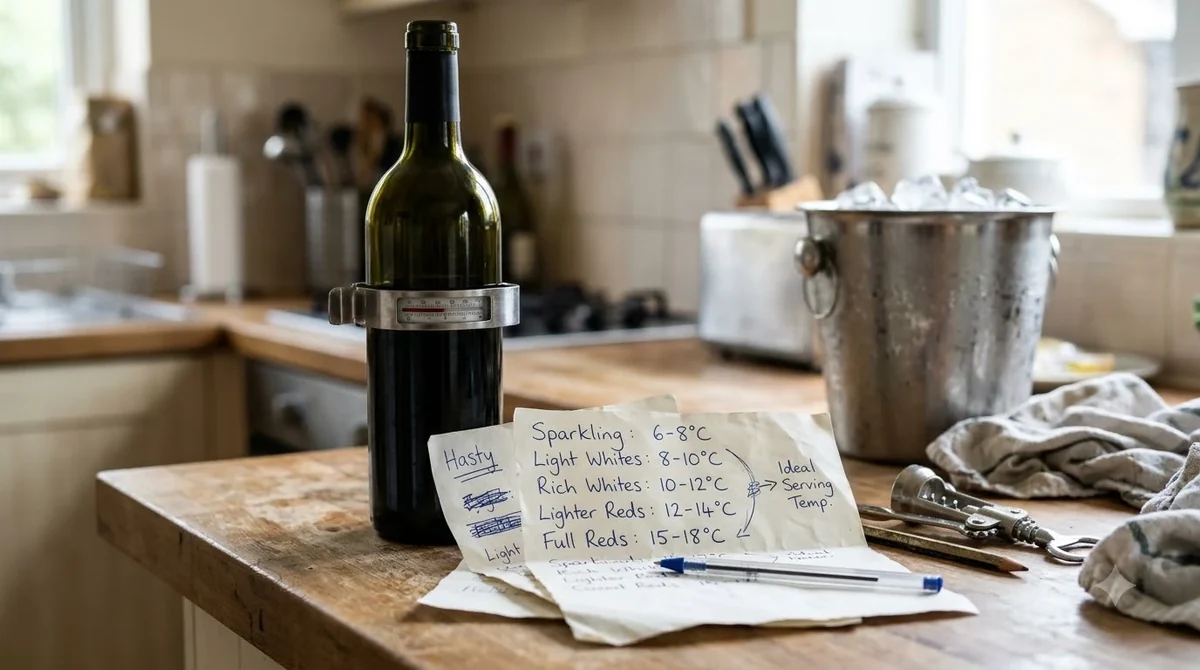
For JUSTIN Cabernet Sauvignon and ISOSCELES, aim for approximately 60–65°F. This temperature range allows ripe fruit, oak, and tannin to remain balanced. If the bottle has been stored in a warm room, place it in the refrigerator briefly before serving rather than pouring it immediately at an elevated temperature.
For Sauvignon Blanc and rosé, aim for approximately 45–50°F. Chardonnay is generally best served around 50–55°F when it has a fuller body. Serving white wine excessively cold can suppress its aroma and make its acidity seem more prominent than intended.
Decanting and Opening
Young, full-bodied red wines can benefit from exposure to air. For a young JUSTIN Cabernet Sauvignon or ISOSCELES, consider decanting for approximately 30–60 minutes before serving. This gives the wine time to open up and can make its fruit, oak, and aromatic characteristics easier to appreciate.
Decanting is optional rather than mandatory. If you prefer a more gradual experience, pour a small glass immediately after opening and compare it with another glass after 20 or 30 minutes. A large decanter is not essential; a clean glass carafe can work perfectly well.
Storage Conditions
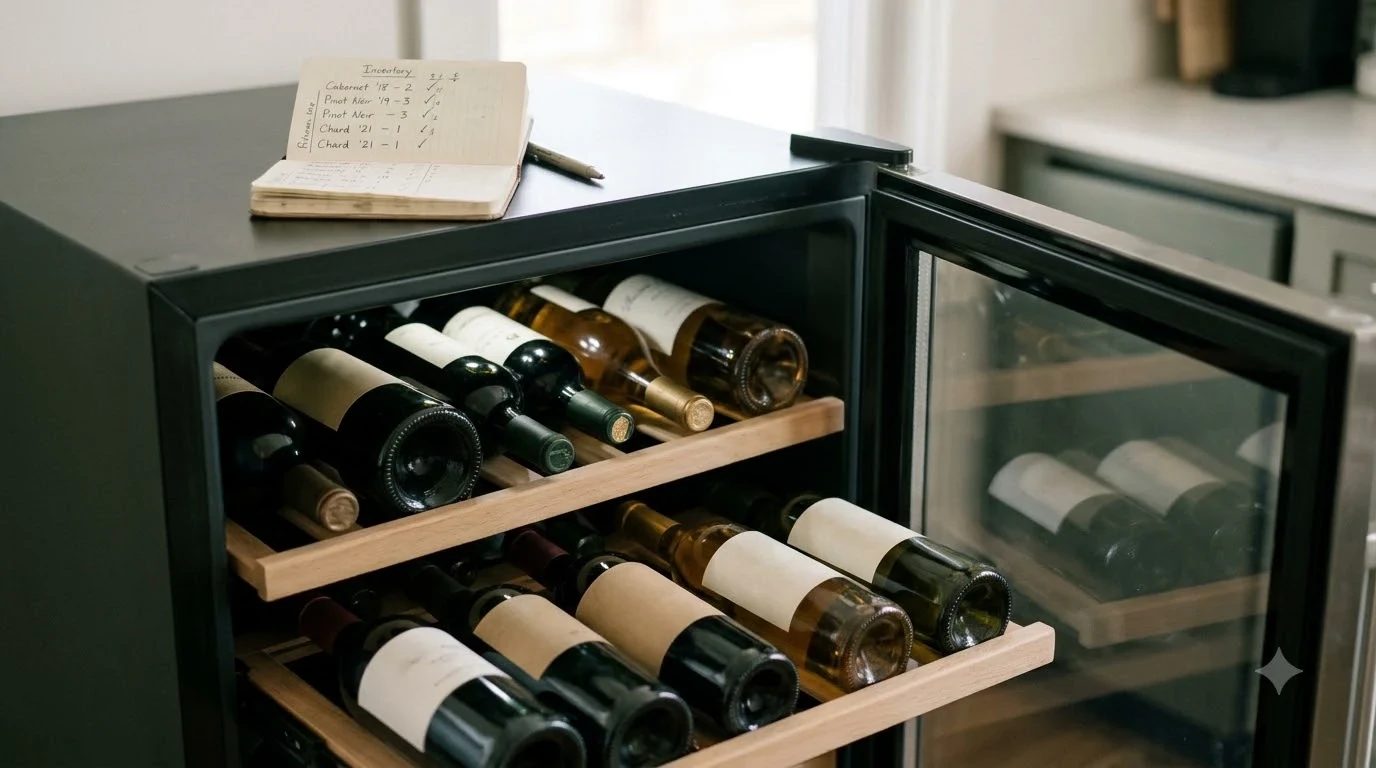
For bottles intended to be kept for several months or longer, choose a dark, stable location away from direct sunlight, heat sources, and temperature fluctuations. A storage temperature near 55°F is a useful target. Bottles sealed with traditional corks should generally be stored horizontally so the cork remains in contact with the wine.
Do not assume that every JUSTIN wine needs extended cellaring. The winery describes its 2023 Cabernet Sauvignon as ready to drink, while its ISOSCELES description indicates that the wine can be enjoyed upon release and can continue evolving in a cellar. The two wines therefore offer different reasons for buying and keeping a bottle.
Once opened, refrigerate still wines and use a reliable closure. Most opened still wines are best enjoyed within approximately three to five days. Take red wine out of the refrigerator shortly before serving so it can return to the appropriate temperature. If the wine develops obvious oxidation aromas or loses its freshness, it is past its best drinking condition.
Frequently Asked Questions
Is JUSTIN a family-owned winery?
Ownership should be distinguished from the winery’s production identity and its Paso Robles origins. Corporate ownership can change independently of winemaking practices, so shoppers researching ownership should consult the winery’s current corporate information rather than rely on older descriptions or assumptions based on its name.
What does the name ISOSCELES mean?
Isosceles is a geometric term for a triangle with two equal sides. The name is distinctive within the winery’s portfolio and identifies its flagship Bordeaux-inspired red blend rather than a separate grape variety or official wine appellation.
Does JUSTIN make sparkling wine?
The featured core wines discussed in this guide are still wines, including Cabernet Sauvignon, Bordeaux-style blends, Sauvignon Blanc, Chardonnay, and rosé. Do not assume that a producer’s broad wine portfolio includes sparkling wine simply because it produces several grape varieties. Check the current catalog for any additional specialty releases.
How many bottles should be purchased for a dinner party of eight?
For a dinner with eight adults, three standard 750 ml bottles provide approximately fifteen 5-ounce servings. Four bottles offer more flexibility for generous pours or guests who want to enjoy wine throughout a longer meal. The amount needed also depends on whether guests will be drinking other beverages.
Can JUSTIN wine be used for cooking?
Dry JUSTIN Cabernet Sauvignon can be used in beef reductions, braised short ribs, and red-wine pan sauces. Sauvignon Blanc is more suitable for seafood sauces, light reductions, and dishes involving herbs or lemon. Use a wine that tastes pleasant on its own, since cooking concentrates some of its flavors rather than making poor-quality wine taste better.
JUSTIN offers a useful range for shoppers who enjoy California wine, with approachable Cabernet Sauvignon, a more ambitious flagship blend, and lighter white and rosé alternatives. Start with the grape variety and body you prefer, then compare the specific vintage and intended occasion. For most first-time buyers, the standard Cabernet Sauvignon is a sensible introduction, while ISOSCELES is the natural next choice for those seeking a more layered red wine.
More in Wine Brands
 Underwood Wine Price: Compare Bottles, Cans, and Pack SizesUpdated Nov 21, 2026
 Zenato Wine Price: Compare Styles and Choose the Right BottleUpdated Nov 21, 2026
 Zuccardi Wine Price: Compare Bottles and Find the Right RangeUpdated Nov 21, 2026
 Yellow Tail Moscato Review: Taste, Sweetness and Serving TipsUpdated Nov 21, 2026
 Wolf Blass Yellow Label Review: Choose Your Best StyleUpdated Nov 21, 2026
 Wolffer Estate Rose Review: Choose the Right Bottle for Your TableUpdated Nov 21, 2026