

We may earn a commission when you buy through links on this page, at no extra cost to you. Learn more.
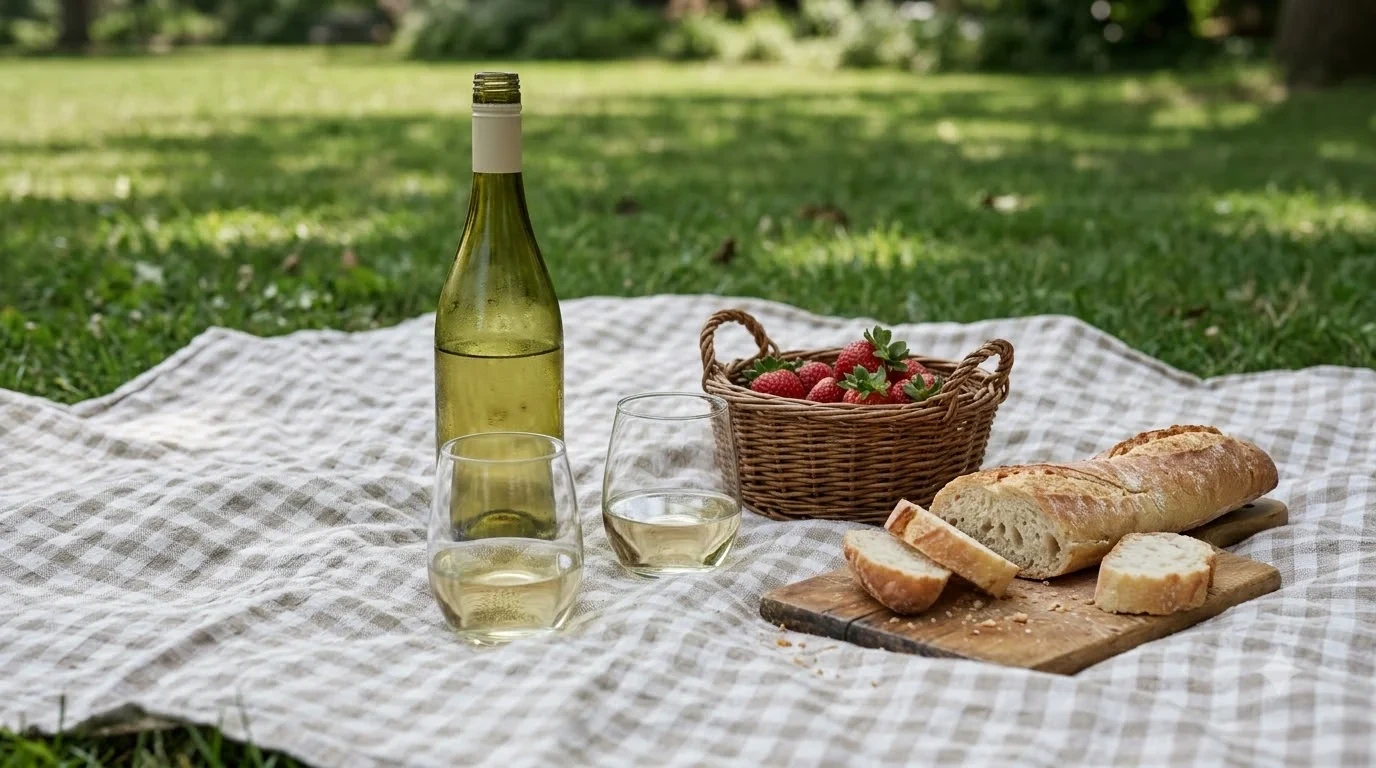
Justin white wine is mostly a Chardonnay from JUSTIN Vineyards & Winery in Paso Robles, California. The brand is best known for its red blends and Cabernet Sauvignon, so its white selection is smaller and more focused. The Chardonnay is the style to understand first. This guide covers who makes Justin white wine, what the white tastes like, how to serve it, which dishes suit it, and how to choose a bottle.
If you have seen Justin white wine on a restaurant list or a grocery shelf and wondered what to expect, this page gives a clear answer. Most of the information below comes from the winery’s own website, the company history listed in reference sources, and general guidance on Chardonnay, so you can judge the wine against what you already enjoy.
Who Makes Justin White Wine
JUSTIN Vineyards & Winery is based in Paso Robles, on California’s Central Coast. The company’s website lists it as JUSTIN Vineyards & Winery LLC in Paso Robles, CA. The winery offers a downtown tasting room and the JUSTIN Estate restaurant on a 26-acre farmstead, so visitors can taste the wines in more than one setting.
Reference sources date the JUSTIN label to 1981, and they describe the winery as a Central Coast producer with an annual output of about 50,000 cases. The brand is also listed among the holdings of The Wonderful Company, the California agricultural group run by Stewart and Lynda Resnick. That ownership detail matters less to a drinker than the winemaking itself, but it helps explain the scale and distribution of the label.
Because the winery is known for red wines, the white side of the lineup is easy to miss. It is still worth knowing, since a well-made Chardonnay can be a reliable choice when you want a white that is richer than a light, crisp style.
The White Wine Lineup
The white wine featured most prominently on the JUSTIN website is a Reserve Russian River Valley Chardonnay, listed with the 2024 vintage. The Russian River Valley is a cool-climate growing area in Sonoma County, and Chardonnay from cooler sites often shows more acidity and a fresher structure than Chardonnay from hot inland vineyards. Reserve designations usually signal that the winemaker selected the best lots from a vintage, though the exact selection criteria vary by producer.
Because the company does not publish a full tasting sheet for every white, it helps to think of Justin white wine in terms of the Chardonnay style it represents. The table below summarizes the main points to check on the label and the producer’s notes.
| What to check | Why it matters | What to look for |
|---|---|---|
| Vintage | Each year’s weather changes the fruit and acidity | A recent vintage with fresh fruit and balanced acid |
| Appellation | The growing region shapes the flavor | Russian River Valley for a cooler, more structured style |
| Reserve tier | Signals a selection from the best lots | Reserve on the label for a more focused wine |
| Oak treatment | Oak adds texture and vanilla or toast notes | Producer notes on barrel use |
What Justin White Wine Tastes Like
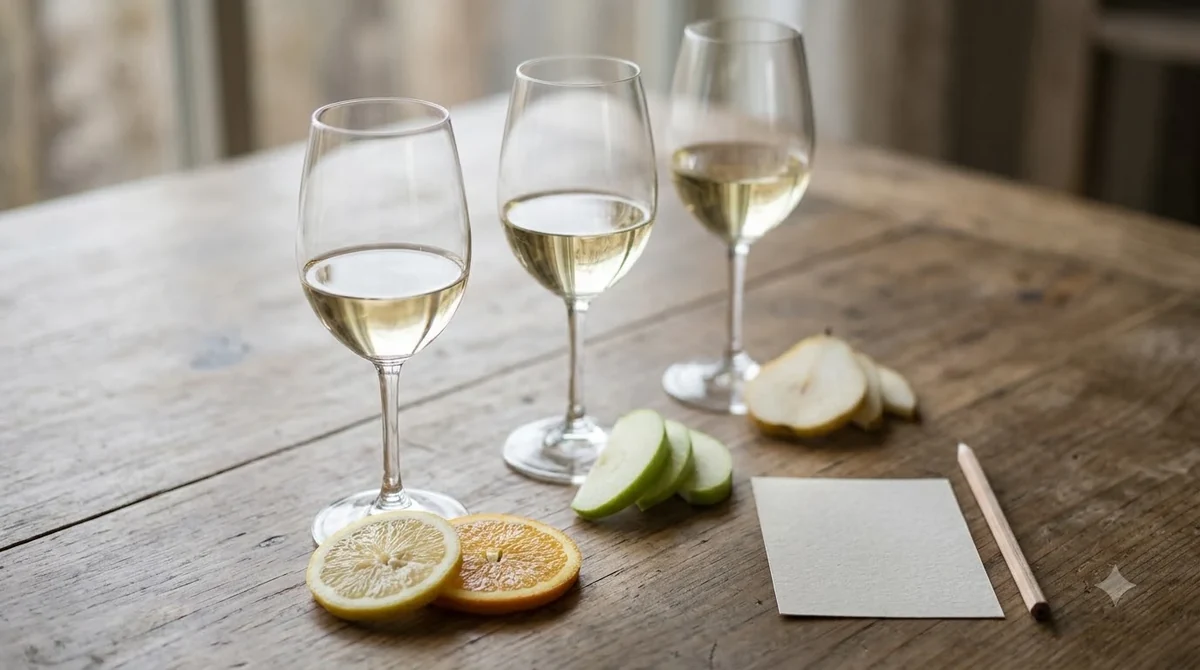
Chardonnay is one of the most widely planted white grapes, and it takes on a wide range of styles. In a leaner version, it shows green apple, citrus, and a clean finish. In a richer version, it can carry ripe pear, baked apple, butter, and a creamy texture that comes from partial or full malolactic fermentation and time in oak. A Reserve Chardonnay from a cool growing area usually aims for a balance between those two poles: enough fruit and body to feel generous, with enough acidity to keep the finish lively.
Oak is the main variable to watch. Light oak adds a hint of spice and a softer edge, while heavy oak can dominate the fruit and leave a sweet, toasty impression. When a producer’s notes describe the barrel regime, read them closely, since they tell you whether the wine leans toward fruit or toward wood.
Because Chardonnay varies so much from one producer to the next, the easiest way to decide whether you will like a particular bottle is to compare its style with other Chardonnays you have had. If you usually like crisp, mineral whites, a cooler-climate Chardonnay will probably feel familiar. If you prefer a fuller, rounder white, a barrel-influenced bottle may suit you better.
How to Serve Justin White Wine
Chardonnay is best served cool rather than ice cold. Very cold temperatures mute the aromas and make the wine taste sharper than it is, while a wine that has warmed too much can feel heavy and flat. Take the bottle out of the refrigerator about fifteen to twenty minutes before you plan to pour, and keep it in an ice bucket if the room runs warm.
Use a glass with a moderately wide bowl so the aromas have room to open. A white wine glass is enough for most people, and it keeps the wine from warming too fast in the hand. Pour a moderate amount, and leave room in the glass so you can swirl and smell the wine.
If the bottle has been open for a day or two, reseal it tightly and refrigerate it. Oaked Chardonnay generally holds up better than very light whites, but the fruit will fade over several days, so it is best finished within a short time.
Food Pairings That Work Well
Chardonnay pairs well with dishes that have some richness of their own, because the wine’s body can match the texture of the food. Roast chicken, pork loin with apples, and creamy pasta sauces are reliable choices. Lobster with butter, scallops, and crab cakes also suit a richer white, especially one with a touch of oak.
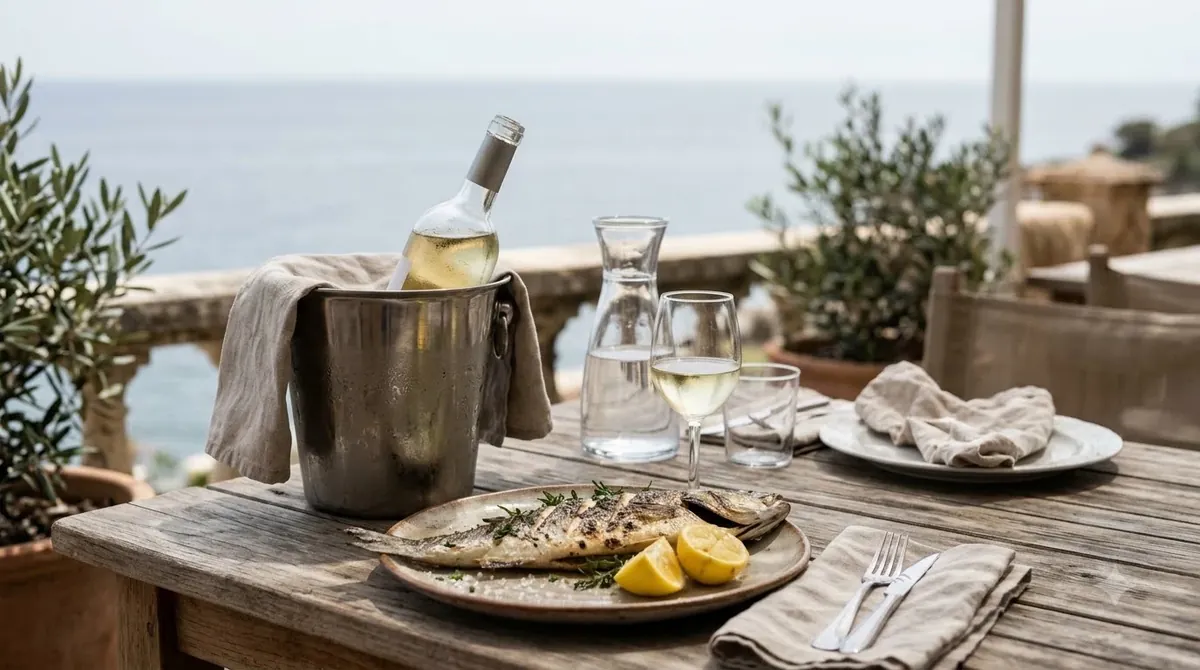
A cooler-climate Chardonnay with brighter acidity works well with lighter food, such as grilled fish with lemon or a salad with goat cheese. The acidity cuts through oil and dairy, which keeps the palate fresh. Avoid pairing a heavily oaked Chardonnay with very spicy food, since heat tends to make the wine taste thinner and more bitter.
For a simple dinner, match the wine to the main protein rather than to the side dishes. Pairing the wine with the sauce is often more useful than matching it with the vegetables, because the sauce carries the flavors that the wine needs to balance.
How to Choose a Justin White Wine Bottle
Start with the vintage and the producer’s notes. A recent vintage is usually the best bet for a Chardonnay meant to be drunk within a few years, while a Reserve bottling may reward a little more patience. If you want a wine for an everyday meal, a standard bottling from the same producer is often a better match than a special release.
Next, think about the style you want. If you prefer a bright, food-friendly white, look for a cooler-climate Chardonnay and a restrained oak treatment. If you want a fuller, more textured wine for a special dinner, a barrel-aged Reserve can be a good choice. Read the back label or the producer’s website to see how the winemaker describes the wine.
Finally, check whether the wine matches the occasion. A Justin Chardonnay works well for a dinner party, a relaxed evening with friends, or a gift for someone who likes Chardonnay. If you are trying Justin white wine for the first time, buy a single bottle, serve it cool, and decide from your own experience whether to try another.
Frequently Asked Questions
What kind of white wine is Justin white wine?
The white wine most visible on the JUSTIN website is a Chardonnay, including a Reserve Russian River Valley Chardonnay. That makes Chardonnay the main style to understand when you look at the brand’s white selection.
Is Justin white wine dry or sweet?
Chardonnay from JUSTIN is typically made as a dry white wine, and the label and producer notes are the best place to confirm the style of a specific bottle. Dryness refers to the absence of residual sugar, not to fruit flavor, so a dry Chardonnay can still taste ripe and round.
How should I serve Justin white wine?
Serve it cool, not ice cold, and pour it into a glass with a moderately wide bowl. Take the bottle out of the refrigerator a short time before pouring so the aromas can develop.
What foods go well with Justin white wine?
Roast chicken, pork with apples, creamy pasta, and butter-based seafood dishes all suit a Chardonnay. Lighter cooler-climate styles also pair well with grilled fish and fresh salads.
Justin white wine is a practical choice when you want a Chardonnay from a well-known Central Coast producer. For more background on the brands behind popular wines, see the Wine Brands guide, and if you are comparing red styles from other producers, the Antinori red wine and Austin Hope red wine guides cover those labels. For the producer’s own details on its wines and visitor options, the JUSTIN Vineyards & Winery website is the most direct source.
More in Wine Brands
 Underwood Wine Price: Compare Bottles, Cans, and Pack SizesUpdated Nov 21, 2026
 Zenato Wine Price: Compare Styles and Choose the Right BottleUpdated Nov 21, 2026
 Zuccardi Wine Price: Compare Bottles and Find the Right RangeUpdated Nov 21, 2026
 Yellow Tail Moscato Review: Taste, Sweetness and Serving TipsUpdated Nov 21, 2026
 Wolf Blass Yellow Label Review: Choose Your Best StyleUpdated Nov 21, 2026
 Wolffer Estate Rose Review: Choose the Right Bottle for Your TableUpdated Nov 21, 2026