

We may earn a commission when you buy through links on this page, at no extra cost to you. Learn more.
The juhfark grape is a rare, ancient white wine variety native to Hungary, best known for producing high-acid, mineral-driven wines on the volcanic slopes of the Somló region. Named after the Hungarian phrase for “sheep’s tail” because of its long, curling cylindrical clusters, this variety delivers bracing acidity, saline stoniness, and subtle citrus and herbal notes rather than overt fruitiness. While it nearly vanished from vineyards during the twentieth century, dedicated winemakers revived it as a signature expression of Hungarian volcanic terroir.
For American wine drinkers looking beyond everyday Chardonnay or Sauvignon Blanc, discovering rare European varieties offers a window into how soil and climate shape what ends up in the glass. Exploring different Wine by Type categories often leads curious enthusiasts to Central Europe, where indigenous grapes thrive on distinct geological formations. Among these historical varieties, few carry as much folklore, geological specificity, or razor-sharp structure as Hungary’s famed sheep’s tail grape.
What Is the Juhfark Grape?
Juhfark (pronounced roughly YOO-fark) is an autochthonous white Vitis vinifera grape variety cultivated almost exclusively in western Hungary, where it has grown for centuries. According to Wines of Hungary, its evocative name translates directly to “sheep’s tail,” a visual reference to the vine’s unusually long, dense, cylindrical grape bunches that curve gently at the tip as they ripen.
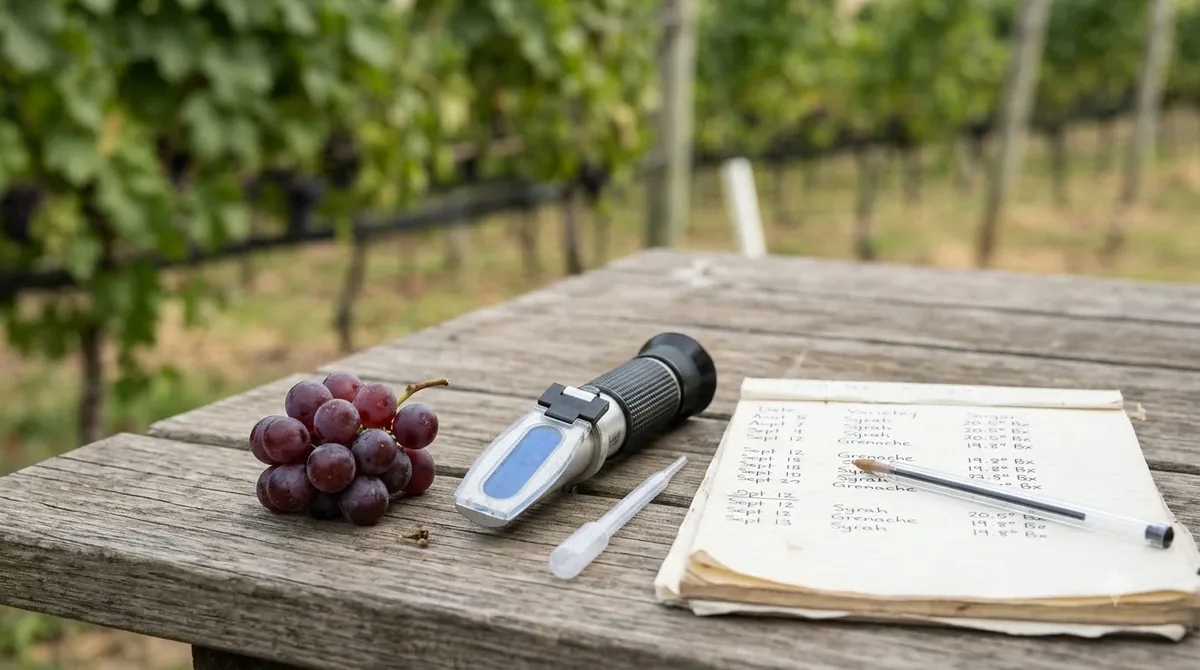
In the vineyard, the variety presents notable agricultural challenges that explain why it never spread widely across the globe. The vines flower relatively early in the season, leaving the developing buds vulnerable to late spring frosts. Furthermore, the berries have thin skins that make them susceptible to rot in damp autumn weather, requiring ample sunlight and steady airflow to reach full physiological ripeness without disease pressure.
Historically, the variety enjoyed tremendous prestige across Central Europe. During the era of the Austro-Hungarian Empire, wines made from this grape in Somló were prized by the Habsburg royal court and even sold in pharmacies as medicinal tonics believed to aid digestion and vitality. Following the phylloxera crisis and decades of state-controlled bulk winemaking in the twentieth century, plantings shrank dramatically until a small group of quality-focused growers replanted and re-authorized the variety in the 1990s.
Flavor Profile and Wine Styles
Rather than showcasing loud tropical fruit or floral perfume, wines made from the juhfark grape are defined by piercing acidity, saline minerality, and an unmistakable stony texture. Winemakers and critics frequently describe it as a “terroir-transparent” variety, meaning its neutral aromatic baseline acts like a clear lens that transmits the character of the soil directly into the glass.
In its youth, a dry varietal bottling typically opens with crisp notes of green apple, lemon zest, white grapefruit, and fresh garden herbs such as mint or dried parsley. Beneath that citrus and herbal edge lies a firm core of wet flint, smoke, and a mouthwatering saltiness on the finish. When winemakers ferment or age the wine in neutral Hungarian or French oak barrels—often on the fine lees—the wine gains mid-palate weight and subtle layers of hazelnut, toasted almond, and warm spice.
While the majority of modern bottlings are fermented completely dry, producers also craft off-dry styles and traditional-method sparkling wines. In off-dry versions, a touch of residual sugar rounds out the variety’s naturally electric acidity, creating a balanced tension reminiscent of dry-to-off-dry German Riesling. Because of its high natural acid backbone, well-made examples possess remarkable longevity, evolving over five to ten years in the cellar into complex, golden-hued wines with aromas of bruised apple, honey, beeswax, and roasted nuts.
| Wine Characteristic | Typical Profile | Key Notes and Structure |
|---|---|---|
| Style | Still white (dry or off-dry), occasional sparkling | Usually single-varietal today; historically blended with Olaszrizling or Hárslevelű |
| Body and Weight | Light-medium to medium-full | Lean and taut in youth; broader and oilier with oak aging or bottle maturity |
| Acidity Level | High to piercing | Retains crisp natural acidity even in warmer growing seasons |
| Primary Flavors | Citrus, orchard fruit, savory herbs | Lemon peel, grapefruit, green apple, mint, white pepper, and flint |
| Aging Potential | 5 to 10+ years | Develops honeyed, nutty, and smoky tertiary complexity over time |
Where It Grows: The Volcanic Slopes of Somló
Roughly nine out of every ten vines of this grape grow on a single extinct volcano in western Hungary called Nagy-Somló, commonly known simply as Somló. Rising abruptly from the flat Little Hungarian Plain north of Lake Balaton, Somló Hill is an isolated basalt butte formed by volcanic activity millions of years ago, making it Hungary’s smallest designated wine region.
The geology of Somló is central to the identity of the grape. As the ancient volcano eroded, basalt lava mixed with Pannonian sand, loess, ferrous clay, and dark volcanic nyirok soil, creating a mineral-rich terroir across the hill’s slopes. Combined with a moderately warm, windy continental climate that helps dry out the thin-skinned clusters after rain, this volcanic bedrock imparts the smoky, salty signature that defines Somló wines. According to Wine-Searcher, Hungary accounts for roughly 92 percent of global plantings, with the remaining fraction found just across the northern border in southern Slovakia.
Within Hungary itself, total vineyard area remains remarkably small—under 200 hectares nationwide—with minor plantings scattered in nearby Lake Balaton appellations such as Balatonfüred-Csopak and Balaton-felvidék, as well as Etyek-Buda. While other regional grapes like airen grape vineyards span vast plains in Spain for high-volume production, this Hungarian variety remains an ultra-boutique crop tied closely to artisanal family estates on a single volcanic hill.
How to Serve Juhfark Wine
Serving temperature plays a major role in unlocking the aromatic nuance and textural balance of this variety. Because it relies on subtle mineral, herbal, and savory cues rather than exuberant fruit, serving it straight from a near-freezing refrigerator can mute its nose and make the high acidity feel overly sharp.
For crisp, unoaked young bottlings, aim for a cool cellar temperature around 48 to 50 degrees Fahrenheit, which preserves refreshing tension while letting citrus and flint aromas emerge. More structured, barrel-aged, or mature vintages benefit from being served slightly warmer, around 52 to 55 degrees Fahrenheit, where their nutty, honeyed, and smoky layers open up fully. A standard universal white wine glass with a tulip-shaped bowl works well to concentrate its delicate aromatics, and decanting older or naturally fermented bottles for twenty to thirty minutes helps blow off any initial reductive flintiness.
Tip: If a young bottle feels tightly wound or overly tart right after opening, let it sit in the glass for ten minutes as it warms slightly—the saline minerality and orchard fruit will quickly come into focus.
Food Pairing Ideas
At the dinner table, the wine’s combination of high acidity, salty minerality, and medium body makes it an exceptionally versatile partner for savory, rich, and herbaceous dishes. Its crisp acid structure cuts cleanly through butter, cream, and fatty meats, while its saline finish mirrors briny and earthy ingredients without clashing.
Traditional Central European pairings highlight this natural synergy. In Hungary, sommeliers frequently pour it alongside töltött tojás (warm deviled eggs baked in sour cream), creamy cauliflower or mushroom soups, roasted pork belly, and veal paprikash. The wine’s herbaceous edge also complements freshwater fish such as pike-perch or trout prepared with brown butter, lemon, and fresh dill.
For everyday weeknight cooking, look toward savory vegetarian dishes, aged cheeses, and shellfish. Feta and broad beans on grilled sourdough, seared scallops in a light lemon-herb sauce, or aged sheep’s milk cheeses like Comté and mature Gouda all pair naturally with a dry bottling. Unlike sweet, aromatic varieties such as the brachetto grape that belong alongside fruit tarts and chocolate, this savory Hungarian white thrives right in the middle of a multi-course meal.
How to Choose a Bottle
Because global production is tiny, finding a bottle in the United States requires looking toward specialty wine shops, independent importers focusing on Central and Eastern Europe, or restaurants with adventurous by-the-glass lists. When scanning a label, look first for the regional designation Nagy-Somló or Somló, which guarantees the wine comes from the grape’s historic volcanic heartland.
Pay attention to clues on the back label regarding winemaking style. Wines fermented in stainless steel or large neutral vats lean toward brisk citrus, green apple, and chalky minerality, making them ideal for warm-weather sipping or lighter seafood. Bottlings aged in used Hungarian oak barrels—often labeled as Reserve or single-vineyard selections—offer richer texture, smoky depth, and greater aging potential.
On Hungarian labels, you will occasionally encounter historical synonyms such as Bácsó, Boros, or Tarpai, though modern export bottles almost always feature the primary grape name clearly on the front. While fuller-bodied red wine drinkers might gravitate toward dark-fruited varieties like the dornfelder grape, white wine fans who enjoy Chablis, dry Chenin Blanc, Assyrtiko, or Etna Bianco will feel right at home exploring Somló’s signature white.
Frequently Asked Questions
What does juhfark wine taste like?
Juhfark produces high-acid, mineral-driven white wines with flavors of lemon zest, white grapefruit, green apple, and fresh herbs like mint or parsley. Its defining feature is a pronounced salty, smoky stoniness derived from volcanic basalt soils, with oak-aged or mature examples adding notes of hazelnut, honey, and warm spice.
How do you pronounce juhfark?
In Hungarian, juhfark is pronounced “YOO-fark,” with the emphasis placed evenly on the first syllable. The word translates literally to “sheep’s tail,” referring to the vine’s long, cylindrical grape clusters that curl slightly at the bottom.
Is juhfark a sweet or dry wine?
Most modern bottles of juhfark are fermented completely dry, showcasing crisp acidity and savory minerality. However, some producers in Somló also make off-dry styles where a modest amount of residual sugar softens the grape’s naturally sharp acidity, as well as occasional sparkling wines.
How long can you age a bottle of juhfark?
Thanks to its naturally high acidity and solid phenolic structure, well-made juhfark ages remarkably well compared to most white wines. While fresh, unoaked styles are enjoyable within two to three years of release, barrel-aged and single-vineyard bottlings from Somló can easily develop for five to ten years or longer.
Few white grapes capture their native landscape as vividly as Hungary’s volcanic sheep’s tail variety. Whether poured young alongside crisp seafood and goat cheese or cellared until it develops golden, nutty depth, a bottle from Somló offers an unforgettable taste of Central European winemaking heritage. For anyone eager to expand their palate beyond mainstream white wines, tracking down a glass of this mineral-charged classic is well worth the effort.
More in Wine Types & Grapes
 What Does Mourvèdre Taste Like? Flavor Profile, Regions, and PairingsUpdated Nov 20, 2026
 What Does Marsanne Taste Like? Flavors, Styles, and Food PairingsUpdated Nov 20, 2026
 What Does Malvasia Taste Like? Styles, Flavors, and Food PairingsUpdated Nov 20, 2026
 What Does Grenache Blanc Taste Like? Flavor Profile, Styles, and PairingsUpdated Nov 20, 2026
 What Does Garnacha Taste Like? Key Flavors, Styles, and Pairing TipsUpdated Nov 20, 2026
 What Does Fruit Wine Taste Like? A Complete Flavor and Style BreakdownUpdated Nov 20, 2026