

We may earn a commission when you buy through links on this page, at no extra cost to you. Learn more.
Juan Gil wine is associated with the Jumilla wine region of southeastern Spain, where the red grape Monastrell dominates the vineyards and gives the wines their deep color and firm structure. Jumilla is a Protected Designation of Origin, so the label usually points you to a regional style rather than a single grape variety. Before you buy, check the back label for the producer name, the vintage and the grape or blend listed.
Spanish labels can be hard to read when you are new to the category, and a producer name like Juan Gil can leave you wondering what kind of wine you are getting. This guide explains the region the wine comes from, the grape that defines it, how the wines taste in general terms, and how to serve and pair them.
Where Juan Gil Wine Comes From
The name is linked to Jumilla, a wine zone in Spain that covers the north of the Murcia region and the southeast of Albacete province in Castile-La Mancha. The Jumilla designation was established in 1966 and includes the municipality of Jumilla along with several neighboring towns. When you see a bottle from this zone, you are looking at a wine shaped by a hot, dry landscape rather than a cool, damp one.
The climate is continental, moderated by the nearby Mediterranean Sea. The area is arid, with roughly 300 millimeters of irregular rainfall a year, mostly in spring and autumn. Average annual temperature is about 16 °C, with summer highs near 40 °C and winter lows below 0 °C. Vines in the area receive more than 3,000 hours of sunshine each year. Those conditions matter for the grapes because they tend to ripen fully and build concentrated flavor.
The Grape Behind the Style
Monastrell is the region’s dominant red grape. According to the Jumilla DO entry on Wikipedia, it makes up more than 85% of planted vines in the designation, and it is Spain’s fourth most widely planted red variety. Monastrell is known as Mourvèdre in France, and it is valued for its drought resistance, which suits a dry region with little rainfall.
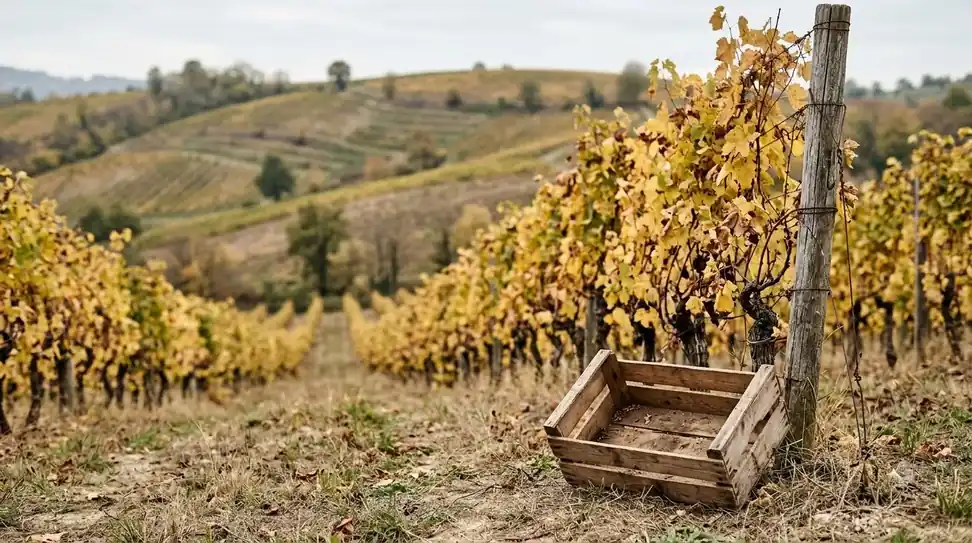
The vineyards sit between about 400 and 800 metres above sea level, on wide valleys and plateaus with mountains nearby. The soils are dark, lime-rich and permeable, helping vines cope with drought. Those growing conditions help explain why Jumilla wines often show dark fruit, savory notes and a firm backbone.
| Feature | What it means for the wine |
|---|---|
| Monastrell as the main red | Dark fruit, deep color, savory and earthy notes |
| Vineyards at 400 to 800 metres | Warm days with cooler nights, which can keep freshness |
| Dry, arid climate | Ripe, concentrated fruit with firm structure |
| Limestone-rich soils | Good drainage and a mineral edge |
How Jumilla Wines Taste
Wines made from Monastrell in this zone are typically full-bodied reds. Expect dark fruit such as blackberry and plum, with spice and herbal notes that come from the warm climate. Tannins can be firm, especially in younger bottles, so the wine often benefits from food or a little time to settle. Acidity is usually moderate rather than sharp, which gives the wine a rounder feel than a cool-climate red.
Because labels vary by producer and vintage, the style you find in a bottle can differ from one shelf to the next. Oak aging, when used, adds vanilla and toast. Some bottles are fresher and fruit-forward, while others are more structured and suited to longer aging. Reading the label for the vintage and any aging statement helps you match the bottle to the meal.
How to Serve Juan Gil Style Reds
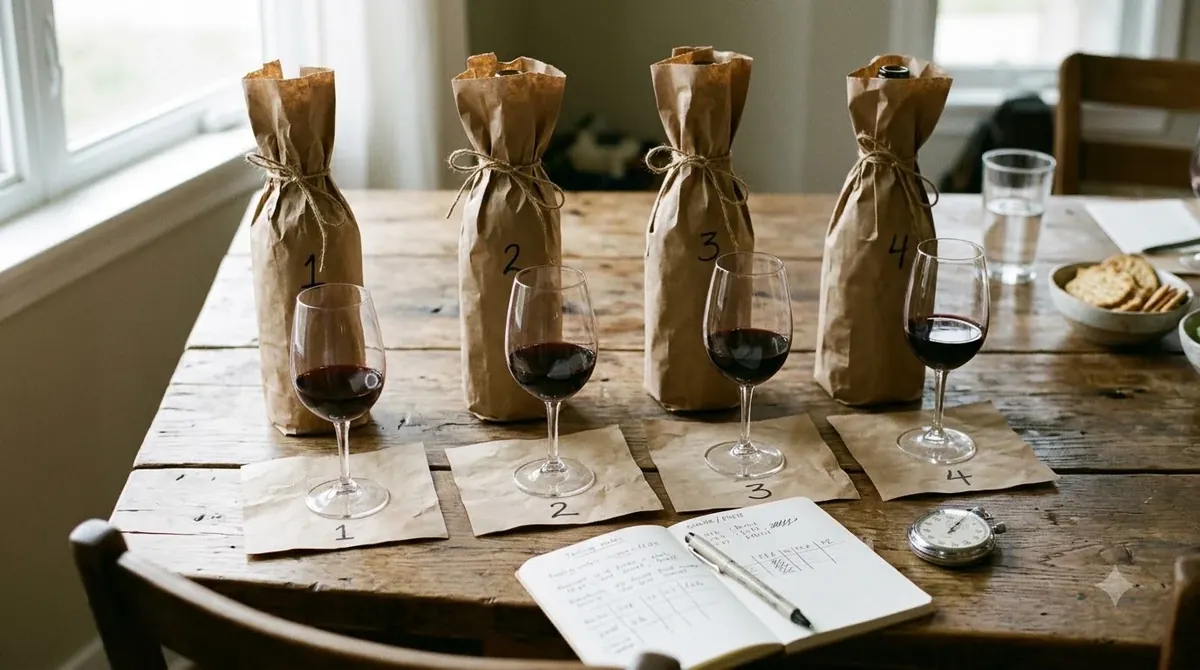
Serve full-bodied reds slightly cooler than room temperature, so the fruit stays bright and the alcohol feels balanced on the palate. If the wine is young and tannic, open it some time before pouring so the aromas can develop. A wide-bowled red glass helps the aromas open, and a decanter can soften firm tannins in a younger wine.
For storage, keep unopened bottles in a cool, dark place. Once opened, recork the bottle and refrigerate it if you will not finish it in a day or two, then bring it back toward cellar temperature before serving.
Food Pairings for Monastrell-Based Reds
The firm tannins and dark fruit of a Monastrell-style red suit hearty food. Grilled lamb, roasted pork shoulder and beef stew are natural matches, since the wine’s structure stands up to rich meat. Spanish dishes such as paella with chorizo or a slow-cooked stew with smoked paprika also pair well, because the wine’s spice echoes the seasoning.
For a lighter meal, try the wine with roasted vegetables, mushrooms or a tomato-based pasta, though the wine will feel heavier than a Pinot Noir with these dishes. For cheese, choose an aged Manchego or a firm sheep’s milk cheese. Avoid very delicate fish, which can taste thin next to a full red.
Choosing a Bottle
When you shop, read the label carefully. Note the producer name, the vintage and whether the bottle says reserve, crianza or a similar aging term. Those words signal how long the wine was aged before release, and they help you judge whether the bottle is meant to drink young or to keep. If you are comparing bottles, pick one with a similar body to the food you are serving.
Price and quality do not always move together, so it helps to decide what you want from the bottle before you shop. If you want an everyday red for a weeknight meal, look for a younger, fruit-forward style with softer tannins. If you are planning a dinner with a roast or a long braise, a bottle with more structure and an aging statement on the label will give you more to work with. Ask the shop staff which vintage is currently on the shelf, since a newer release can taste different from an older one even under the same name. Storing the bottle well also matters: keep it on a shelf away from heat and direct light until you are ready to open it, and avoid leaving it in a warm car or near an appliance.
For a broader look at how wine brands present their styles, the wine brands section of this site explains how labels, regions and house styles work together. If you are exploring other Spanish and international reds alongside this one, the A to Z Wineworks guide compares producer styles across regions and can help you pick a second bottle for the table.
Frequently Asked Questions
What grape is Juan Gil wine usually made from?
The Jumilla region is dominated by Monastrell, which is known as Mourvèdre in France. Check the back label for the grape or blend, since producers can make wines from more than one variety.
Where is Jumilla?
Jumilla covers the north of the Murcia region and the southeast of Albacete province in Spain. Its vineyards are in a dry, continental climate moderated by the nearby Mediterranean Sea.
What does a Jumilla red taste like?
Expect dark fruit, spice and herbal notes, with firm tannins in younger bottles. The warm climate and Monastrell grape give the wines a full, structured style.
What food goes with Jumilla reds?
Grilled lamb, roasted pork, beef stew and smoked paprika dishes suit the wine’s structure. Aged Manchego also works well as a cheese pairing.
Juan Gil wine is best approached by understanding the Jumilla region and its Monastrell grape. Check the producer and vintage on the label, serve the wine slightly cool, and pair it with hearty food. For more on how brands present their wines, return to the wine brands section of this site.
More in Wine Brands
 Underwood Wine Price: Compare Bottles, Cans, and Pack SizesUpdated Nov 21, 2026
 Zenato Wine Price: Compare Styles and Choose the Right BottleUpdated Nov 21, 2026
 Zuccardi Wine Price: Compare Bottles and Find the Right RangeUpdated Nov 21, 2026
 Yellow Tail Moscato Review: Taste, Sweetness and Serving TipsUpdated Nov 21, 2026
 Wolf Blass Yellow Label Review: Choose Your Best StyleUpdated Nov 21, 2026
 Wolffer Estate Rose Review: Choose the Right Bottle for Your TableUpdated Nov 21, 2026