

We may earn a commission when you buy through links on this page, at no extra cost to you. Learn more.
Jaen wine is a medium-bodied, aromatic Portuguese red made from the Jaen grape—the same dark-skinned Iberian variety known as Mencía across the border in Spain. Grown primarily in Portugal’s mountainous Dão region, it is prized for bright red fruit, floral violet notes, lively acidity, and a distinct granite-driven mineral finish. Most bottles sit between 12.5% and 15% ABV and pair easily with roasted meats, mushrooms, and cured cheeses.
Long overshadowed by heavier Iberian reds, this expressive variety has become a favorite among sommeliers and curious wine drinkers looking for freshness and finesse without excessive oak. Whether poured young as a vibrant weeknight red or cellared from old-vine mountain plots, it shows how remarkably well indigenous Iberian grapes translate their native soils into the glass.
What Is Jaen Wine?
Jaen wine is a dry red wine produced mainly in north-central Portugal from the Jaen grape, a native Iberian cultivar genetically identical to Spain’s Mencía. Historically, ampelographers speculated that the grape was related to Cabernet Franc, but modern DNA profiling revealed that it actually originated in Portugal as a natural crossing between two local varieties, Alfrocheiro and Patorra.
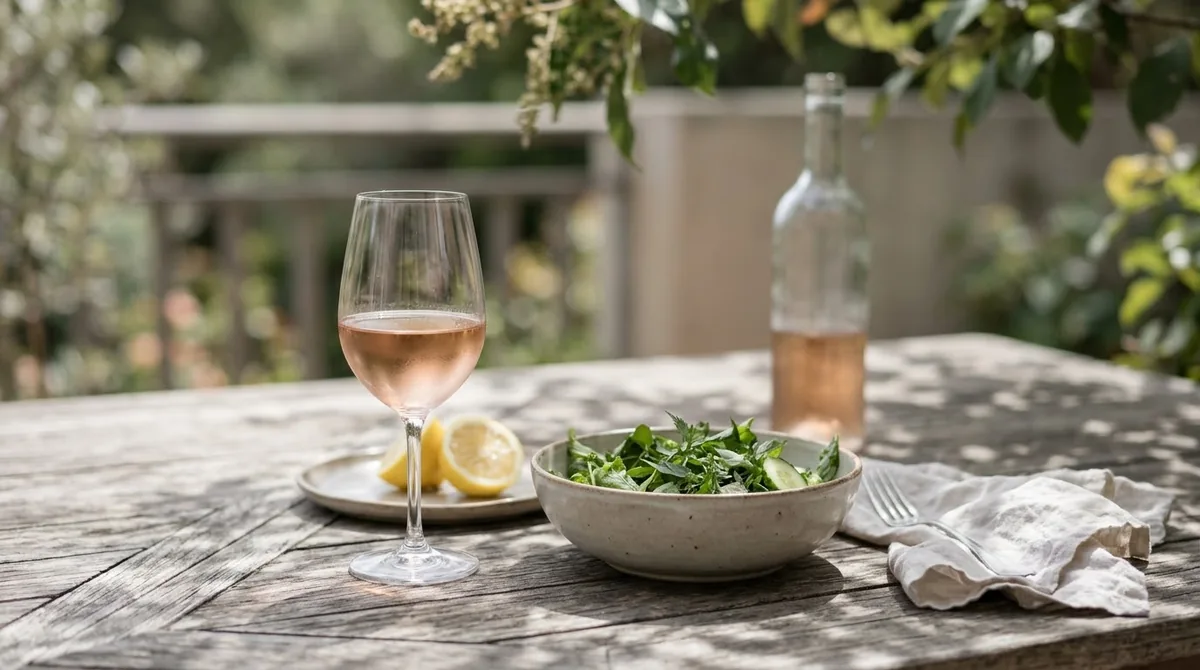
If you have ever wondered how to pronounce Jaen, the Portuguese pronunciation sounds roughly like “zhah-een,” with a soft “zh” like the “s” in “measure.” Knowing the name helps when scanning import shelves, because Portuguese bottles label the grape as Jaen while Spanish bottles from Bierzo or Ribeira Sacra list it as Mencía.
For decades, growers in Portugal valued the vine mostly as a reliable blending partner that brought softness and perfume to firmer grapes like Touriga Nacional. Today, a wave of quality-focused producers bottles single-varietal expressions that highlight its pure fruit and energetic acid backbone. Understanding what is Jaen at a genetic and historical level explains why these wines bridge the gap between structured Iberian reds and lighter, more aromatic styles.
Flavor Profile and Winemaking Styles
In the glass, Jaen wine delivers a fragrant bouquet of tart cherry, wild strawberry, raspberry, and crushed violet, often layered with black pepper, anise, and wet granite. On the palate, it balances juicy red-berry fruit with medium-high acidity and fine-grained, moderate tannins that leave a crisp, savory finish.
According to guides at Wine Folly, Portuguese expressions from Dão tend to be slightly lighter and more floral than their denser Spanish counterparts, though old-vine mountain bottlings can show deeper plum, blackberry, and earthy spice. Alcohol levels typically range from 12.5% to 15% ABV depending on vineyard elevation and harvest timing, yet the natural acidity keeps even riper vintages feeling nimble rather than heavy.
| Attribute | Typical Profile | Style Variations |
|---|---|---|
| Body & Texture | Medium-bodied, silky with fine tannins | Lighter in youth; firmer and earthier from old vines |
| Primary Aromas | Tart cherry, raspberry, violet, pomegranate | Plum, blackberry, dried herbs, and spice with oak aging |
| Acidity & Sweetness | Dry, medium-high refreshing acidity | Crisp and juicy in stainless steel; rounder in neutral wood |
| Mineral Character | Crushed gravel and wet granite | Most pronounced in high-altitude Dão vineyards |
| Alcohol (ABV) | 12.5% to 15% ABV | Lower in cool mountain sites; higher in warm vintages |
Winemakers shape the grape into two main styles. Unoaked or neutral-oak bottlings fermented in stainless steel or concrete emphasize crunchy red fruit, floral lift, and immediate drinkability. Reserve and old-vine versions aged in larger French oak casks gain savory complexity—showing hints of licorice, leather, and forest floor—while preserving the grape’s signature freshness over ten or more years in the cellar.
Where Jaen Grows Best
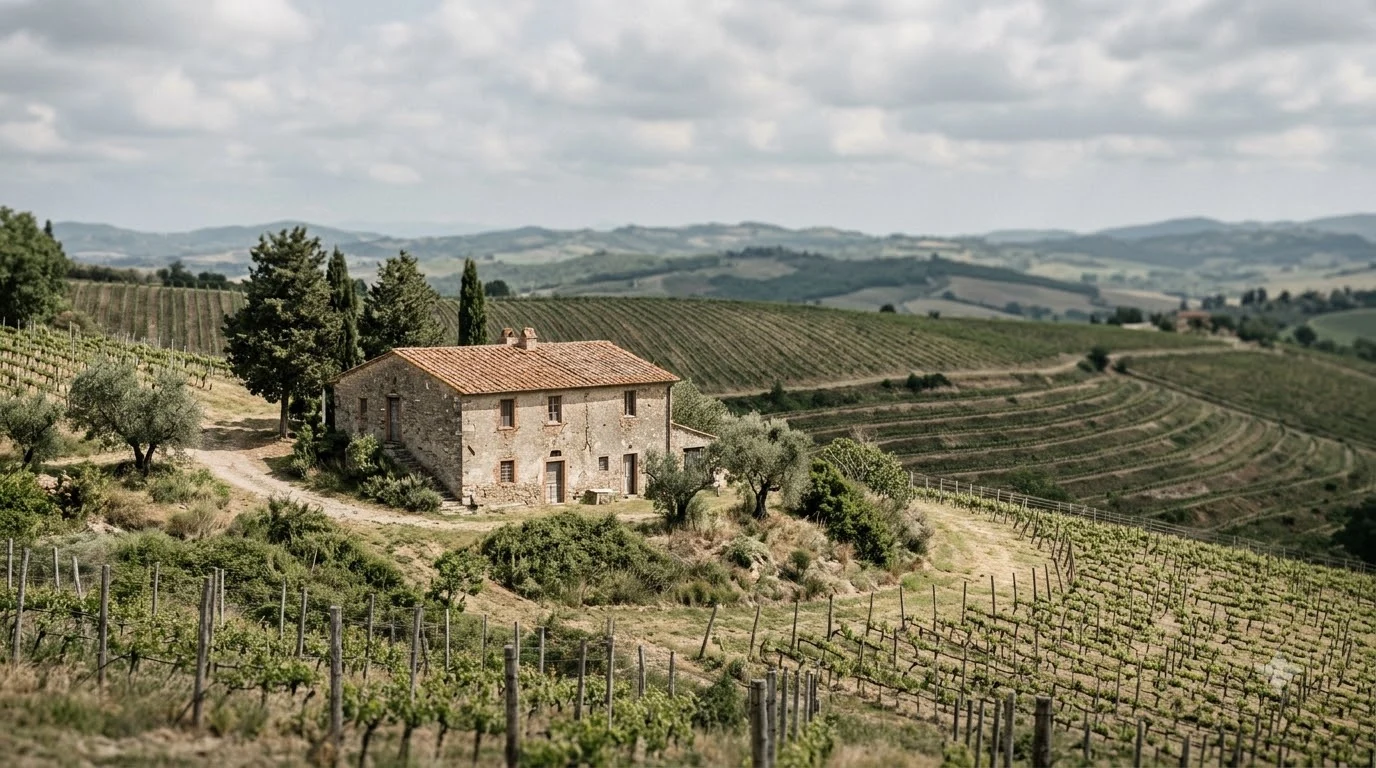
The spiritual home of Jaen wine is Portugal’s Dão DOC, an inland, mountainous region surrounded by pine forests and granite peaks in the north-central part of the country. Here, vines rooted in poor, decomposing granite and schist soils at high elevations benefit from warm summer days and cool mountain nights, which lock in bright acidity and aromatic precision.
While Jaen is the most widely planted red grape in Dão, small plantings also appear in neighboring Beiras and coastal Bairrada, where Atlantic breezes produce lean, crunchy reds. Just across the northeastern border in Spain, the exact same variety thrives under the name Mencía in Bierzo, Ribeira Sacra, Valdeorras, and Monterrei, where slate and quartz soils yield darker, slightly more muscular expressions.
This geographic versatility places Jaen in an appealing middle ground when exploring Wine by Type. Drinkers who enjoy the earthy fragrance of Pinot Noir, the peppery snap of Syrah, or the savory herb notes of Cabernet Franc often find that high-altitude Dão bottlings hit all three notes in a single pour.
How to Serve Jaen Wine
Serve Jaen wine slightly below room temperature, ideally between 55°F and 60°F (12°C to 15°C), to keep its floral aromatics sharp and its alcohol smoothly integrated. A brief 20- to 30-minute chill in the refrigerator before opening brings out the vibrant cherry and violet perfume while tightening the mineral finish.
For stemware, a universal red wine glass or a medium-bowled Burgundy glass works well, as the wider bowl gathers the delicate red-berry and spice aromas toward the nose. Younger, unoaked bottles can be poured straight from the bottle, whereas older or oak-aged Dão cuvées benefit from 30 to 60 minutes in a decanter to soften their firm granite-bred tannins and open up their savory layers.
Tip: Avoid serving Jaen warm at standard kitchen temperatures above 70°F—excess heat dulls its fresh strawberry and violet notes and makes the alcohol stand out on the finish.
Best Food Pairings for Jaen
Because Jaen wine pairs bright, mouthwatering acidity with moderate tannins and a peppery edge, it is remarkably adaptable at the dinner table. Its juicy red fruit cuts cleanly through rich fats, while its herbal and mineral undertones echo earthy, roasted, and lightly smoked ingredients.
In its native Portugal, locals pour Dão reds alongside traditional slow-roasted goat (cabrito assado), herb-crusted pork loin, and hearty rice dishes studded with chorizo and duck. Beyond regional classics, the wine shines with seared duck breast, grilled lamb chops, wild mushroom risotto, roasted chicken with thyme, and charcuterie boards featuring aged sheep’s milk cheeses like Serra da Estrela or Manchego.
Even richly seasoned seafood works surprisingly well. Because the wine lacks heavy new-oak astringency, a lightly chilled glass pairs cleanly with grilled octopus, tomato-based seafood stews, or classic Spanish paella without clashing with the briny flavors.
How to Choose a Bottle of Jaen
When shopping for Jaen wine, start by checking the front label for “Dão DOC” alongside either “Jaen” as a single varietal or as the lead grape in a traditional regional blend. Single-varietal bottlings give the purest look at the grape’s red-fruit and violet character, whereas blends with Touriga Nacional and Alfrocheiro add deeper color, structure, and dark-berry weight.
According to wine reference profiles at Vinho Atlas, benchmark Dão producers working with Jaen include Álvaro Castro (Quinta da Pellada), Quinta dos Roques, António Madeira, and Casa de Mouraz, alongside Quinta de Lemos. Checking the back label for terms like “Vinhas Velhas” (old vines) is another reliable clue, as older low-yielding granite parcels tend to produce deeper concentration and longer aging potential.
Finally, match the vintage age to your dinner plans. Bottles within two to four years of vintage deliver lively, crunchy berry fruit ideal for casual meals, while five- to ten-year-old bottles from top mountain estates offer savory tertiary notes of dried herbs, leather, and crushed stone.
Frequently Asked Questions
Is Jaen wine the same thing as Spanish Mencía?
Yes, Jaen and Mencía are the exact same grape variety, Vitis vinifera known as Jaen in Portugal and Mencía in northwestern Spain. DNA research confirmed that the grape originated in Portugal as a natural cross between Alfrocheiro and Patorra before spreading across the Iberian Peninsula. While genetically identical, Portuguese Jaen from Dão often tastes slightly lighter and more floral than Spanish Mencía from Bierzo.
Is Jaen wine dry or sweet?
Jaen wine is fermented completely dry, containing negligible residual sugar. Its ripe strawberry, raspberry, and cherry flavors can give an initial impression of fruitiness on the mid-palate, but brisk acidity and fine-grained tannins keep the finish crisp and savory.
Can you age Jaen wine in a cellar?
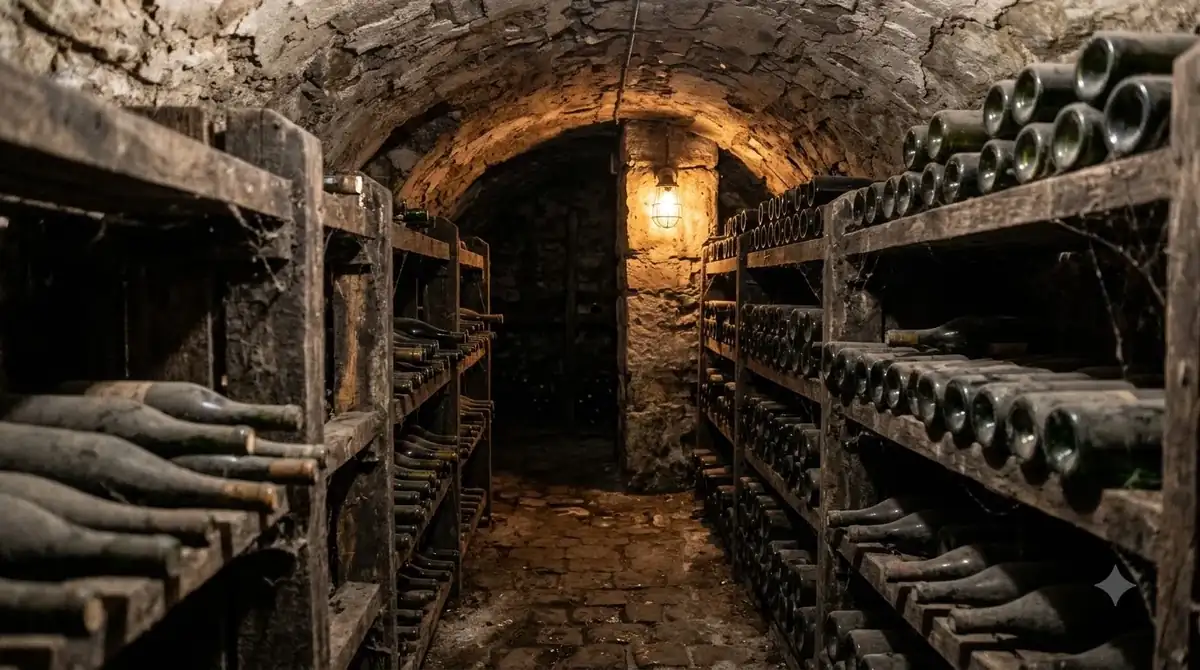
Well-made Jaen wine from high-altitude Dão vineyards can age gracefully for 10 to 20 years depending on the producer and vintage. Its natural medium-high acidity and granite-derived tannin structure allow top bottles to evolve from fresh red fruit into complex notes of forest floor, dried violet, leather, and mineral spice.
What does Jaen wine taste similar to?
Jaen wine is often compared to a cross between Pinot Noir, Cabernet Franc, and cool-climate Syrah. It shares Pinot Noir’s silky texture and red-berry perfume, Cabernet Franc’s leafy herb and violet lift, and Syrah’s cracked black pepper and savory mineral finish.
Whether you discover it on a Portuguese wine list or tucked into the Iberian section of a local wine shop, Jaen wine rewards anyone who appreciates aromatic complexity over sheer weight. Pour a slightly chilled glass next time you roast poultry, mushrooms, or pork, and you will see why this historic mountain grape is earning renewed attention far beyond Portugal.
More in Wine Types & Grapes
 What Does Ruby Port Taste Like? Flavor Notes, Styles, and Serving TipsUpdated Nov 21, 2026
 What Does Ribolla Gialla Taste Like? Crisp White and Amber Styles ExplainedUpdated Nov 21, 2026
 What Does Semillon Taste Like? Flavor Profile, Styles & PairingsUpdated Nov 21, 2026
 What Does Scuppernong Taste Like? Flavor, Styles, and Pairing GuideUpdated Nov 21, 2026
 What Does Saperavi Taste Like? Flavors, Styles, and Pairing GuideUpdated Nov 21, 2026
 What Does Natural Wine Taste Like? Flavors, Styles, and Serving TipsUpdated Nov 21, 2026