

We may earn a commission when you buy through links on this page, at no extra cost to you. Learn more.
Jacob’s Creek wine is an Australian brand made in the Barossa Valley of South Australia, and its name comes from a small creek that winds through the valley. The range covers reds, whites, rosé, and sparkling styles, with most bottles aimed at everyday drinking and easy sharing rather than long cellaring. The brand’s own description says the wines are “made to be enjoyed, shared and remembered.”
This guide explains where Jacob’s Creek wine comes from, how the brand sources its fruit, which styles are typically on the shelf, and how to serve and pair it. It is written for shoppers who see the bottle at the store and want to know what they are buying.
Where Jacob’s Creek Comes From
The brand is tied to one of Australia’s best-known wine regions. The Barossa Valley lies in South Australia, and the company’s winemaking is based around the vineyards in that valley. The name refers to a creek that runs through the heart of the area, and the brand’s story starts with the valley’s vineyards.
According to the Wikipedia article on the brand, the early history of the site dates back to the 1840s, when a Bavarian immigrant named Johann Gramp planted vines along the creek. The label itself came later: the Jacob’s Creek name first appeared on bottles in 1976, with a 1973-vintage Shiraz Cabernet Malbec. Those dates show that the brand is a product of the modern era even though the land has been planted for well over a century.
How the Fruit Is Sourced
Jacob’s Creek describes its approach as a combination of quality fruit and winemaking skill. The company says its grapes come from more than 120 independent growers, most of them family-run vineyards, and that many of those families have worked with the brand for generations. Sourcing from many growers spreads the work across different sites and seasons, which helps the brand keep its wines recognizable from one vintage to the next.
An in-house viticulture team handles vine health and grape quality. The brand lists irrigation, canopy management, and bunch weight among the areas that team manages. Those decisions shape how much fruit each vine carries, which in turn affects the concentration and balance of the finished wine.
Harvest timing is another part of the story. The brand’s Cool Harvest range, according to its own description, is picked during the coolest part of the night. Cooler picking keeps the fruit’s acidity lively and helps preserve fresh aromas, which suits lighter white and sparkling styles.
The Main Styles on the Shelf
Jacob’s Creek makes wines across several categories, so the right bottle depends on what you want to drink. The table below sums up the main groups as the brand presents them. Exact flavors vary by bottling, so the label and tasting notes are the best guide for any single wine.
| Style | What to expect | Good for |
|---|---|---|
| Sparkling sauvignon blanc | Bright, crisp, lightly fizzy | Warm weather, appetizers |
| Rosé | Fresh red fruit, dry to off-dry depending on the bottle | Lunch, patio drinking |
| Pinot grigio | Light body, citrus and pear notes | Seafood, salads |
| Still sauvignon blanc | Herbal and tropical notes, high acidity | Goat cheese, green vegetables |
| Shiraz and Cabernet blends | Ripe dark fruit, soft tannins | Grilled meats, burgers |
Reds from the Barossa often show riper fruit than cooler-climate wines from other regions. That is part of why Australian Shiraz has a reputation for generous, plush styles. A bottle labeled as a blend usually combines grapes to balance fruit, structure, and softness.
How to Serve and Pair Jacob’s Creek Wine
Serving temperature matters more than most shoppers expect. Lighter whites, rosé, and sparkling wines are best cold, while fuller reds show better when they are slightly cooler than room temperature. Pouring too warm can make a light wine taste flat, and too cold can mute a red’s aroma.
For food, start with the style. Sauvignon blanc and pinot grigio work well with fresh seafood, salads, and dishes with lemon or herbs. The brand’s sparkling and rosé wines suit appetizers and lighter meals. Shiraz and Cabernet blends pair naturally with grilled meat, roasted vegetables, and tomato-based sauces.
Tip: If you are unsure which bottle to pick, match the wine to the dish’s weight. Light food goes with light wine, and rich, smoky food goes with a fuller red.
Buying Tips and Storage
Buying Jacob’s Creek wine is mostly a matter of matching the style to the occasion. Start with the style listed on the label, then decide whether you want something fresh for an afternoon or a fuller bottle for a dinner with guests.
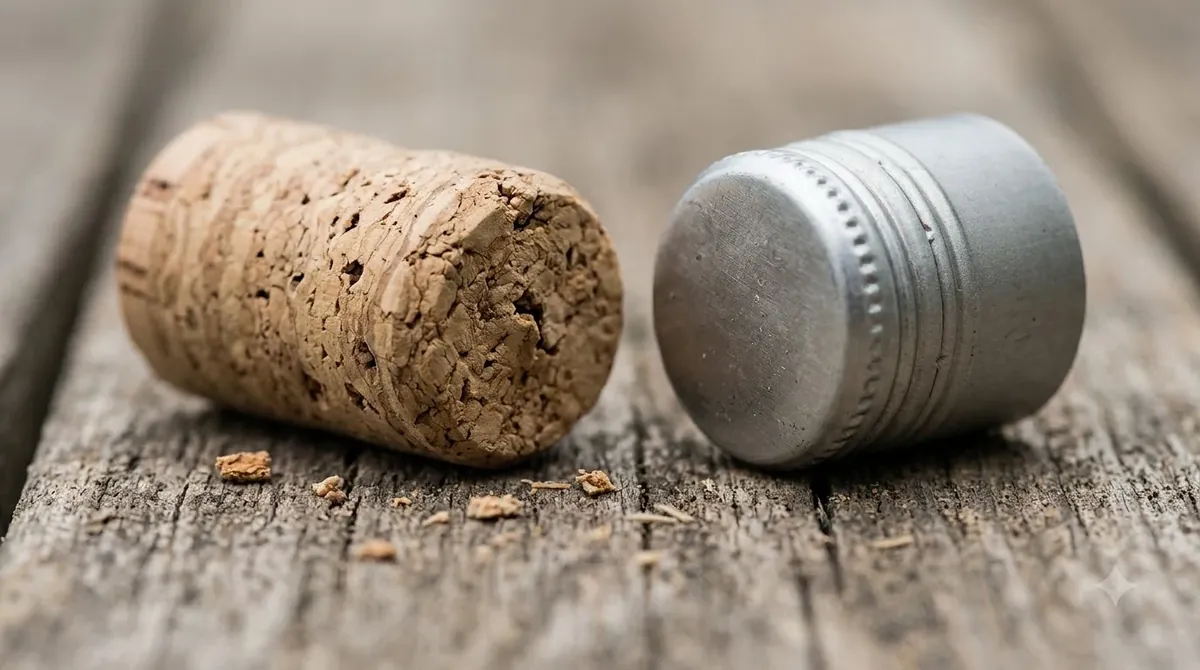
Storage matters more for lighter styles than for big reds. Keep bottles away from heat and direct sunlight, and store corked bottles on their side so the cork stays moist. Sparkling and white wines should go into the fridge a few hours before serving, while reds can wait in a cool cupboard until you open them.
Reading the label helps too. The vintage, the style name, and any grape variety listed on the front tell you what is inside, while the back label usually carries the alcohol level, the producer’s description, and serving advice. If a bottle is blended, the label may mention the grapes in the order of their share, which gives a quick hint about the wine’s character.
When you are shopping for a group, a mixed selection is a practical way to cover several styles at once. Pick a sparkling option and a crisp white for guests who prefer lighter drinks, plus a red such as a Shiraz blend for heavier dishes. If you enjoy comparing labels, the Antinori red wine guide and the Austin Hope red wine guide show how other producers approach red styles.
Once opened, most white and rosé wines keep for a day or two in the fridge with the cork or cap replaced. Reds keep a few days when they are resealed and chilled lightly. Expect some loss of freshness over time, so drink opened bottles sooner rather than later.
Frequently Asked Questions
Is Jacob’s Creek wine dry or sweet?
It depends on the bottle. The range includes dry white and red wines as well as some rosé styles that taste fruitier. The sweetness level is printed on the back label or listed on the brand’s product page, so check that before you buy if sweetness matters to you.
Where is Jacob’s Creek wine made?
The brand is made in South Australia, with its roots in the Barossa Valley. The company says its fruit comes from many independent growers, so the exact vineyard can vary from bottle to bottle within the same range.
Does Jacob’s Creek wine need to be aged?
Most bottles are made to drink soon after release. Fresh whites, rosés, and sparkling wines are best within a year or two. Fuller reds can handle a few years in a cool, dark place, but there is no need to cellar them to enjoy them.
What is the Cool Harvest range?
According to the brand, Cool Harvest wines are picked during the coolest part of the night. The range includes a sparkling sauvignon blanc, a rosé, a pinot grigio, and a still sauvignon blanc. The approach aims to keep the fruit’s freshness and acidity.
Jacob’s Creek wine is a practical choice for everyday meals and casual gatherings. To compare it with other brands, browse the wine brands guide, which groups labels by style and price range so you can see how Jacob’s Creek fits alongside other popular bottles.
For the brand’s own account of its history and winemaking team, read the Jacob’s Creek story page.
More in Wine Brands
 Underwood Wine Price: Compare Bottles, Cans, and Pack SizesUpdated Nov 21, 2026
 Zenato Wine Price: Compare Styles and Choose the Right BottleUpdated Nov 21, 2026
 Zuccardi Wine Price: Compare Bottles and Find the Right RangeUpdated Nov 21, 2026
 Yellow Tail Moscato Review: Taste, Sweetness and Serving TipsUpdated Nov 21, 2026
 Wolf Blass Yellow Label Review: Choose Your Best StyleUpdated Nov 21, 2026
 Wolffer Estate Rose Review: Choose the Right Bottle for Your TableUpdated Nov 21, 2026