


We may earn a commission when you buy through links on this page, at no extra cost to you. Learn more.
Is Yellow Tail Pinot Grigio good? Yes, Yellow Tail Pinot Grigio is a good choice for casual white wine drinkers who enjoy light-bodied, fruity, refreshing wines that are easy to serve and pair with everyday meals. It offers recognizable pear, apple, and passionfruit flavors, with a fresh, zesty character and 11.5% alcohol by volume. However, wine enthusiasts looking for complex aromas, pronounced minerality, or a distinctive regional expression may prefer a more traditional Italian Pinot Grigio.
Yellow Tail Pinot Grigio is designed around accessibility rather than complexity. Its approachable fruit character makes it suitable for relaxed dinners, casual gatherings, outdoor meals, and occasions when a refreshing glass of white wine matters more than an elaborate tasting experience. Understanding its sweetness, acidity, body, and food compatibility makes it easier to decide whether this Australian wine deserves a place in your refrigerator.
Who Should Buy Yellow Tail Pinot Grigio?
Yellow Tail Pinot Grigio is best suited to people who prefer straightforward, fruit-forward white wines rather than highly structured or intensely mineral styles. Its light body and fresh flavor profile make it an approachable introduction to Pinot Grigio, especially for drinkers who want something uncomplicated for everyday occasions.
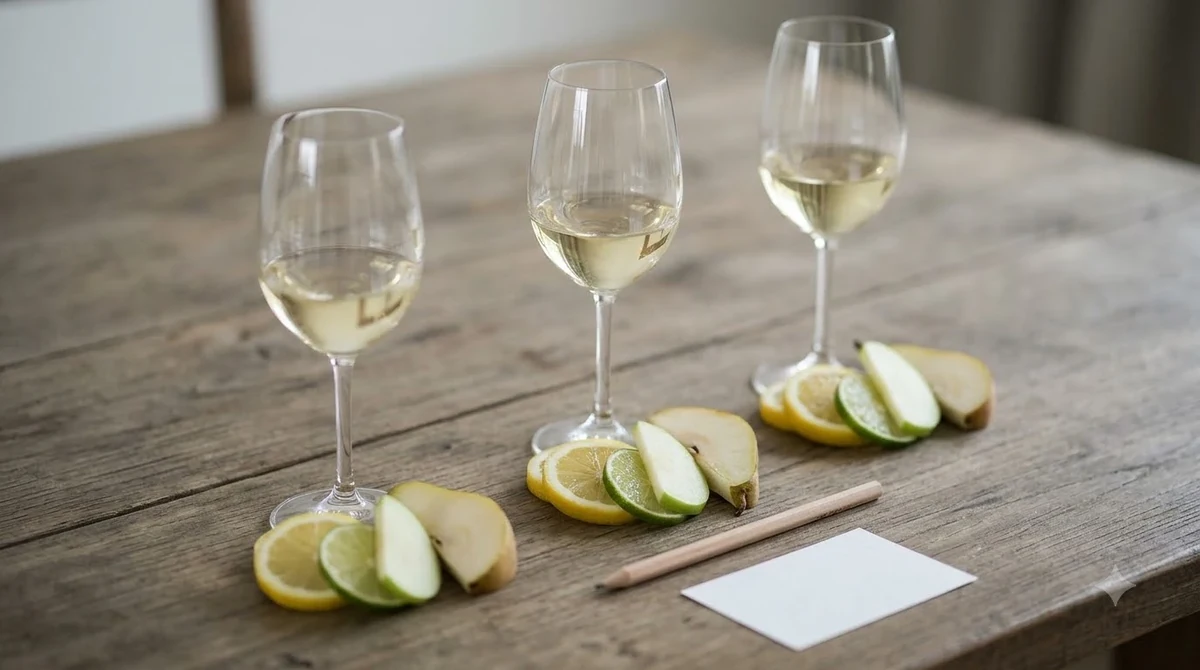
The wine’s official description emphasizes pear, red apple, kiwi, and passionfruit. These familiar fruit characteristics help explain its appeal. Instead of emphasizing oak, pronounced floral complexity, or extended aging, the wine focuses on a clean, lively drinking experience. The result is a style that can work before dinner, alongside a simple lunch, or as a casual glass on a warm evening.
It is particularly suitable for several types of wine drinkers:
- Casual white wine drinkers: People who enjoy fresh, fruity flavors without needing detailed knowledge of wine regions or production methods.
- New Pinot Grigio drinkers: Anyone exploring the grape for the first time who wants a recognizable, approachable style.
- Food-focused shoppers: People who want a white wine that works with seafood, salads, light pasta, and Asian-inspired meals.
- Occasional entertainers: Hosts who need a versatile white wine that can be served chilled without extensive preparation.
- Drinkers who prefer lighter whites: People who generally choose Pinot Grigio over heavier Chardonnay or strongly aromatic wines.
There are also situations in which another wine may be more appropriate. Someone who enjoys the concentrated citrus character of Sauvignon Blanc might find Yellow Tail Pinot Grigio comparatively soft. Similarly, someone seeking the richer texture and layered flavors of an Alsace Pinot Gris may find this Australian interpretation relatively simple.
The distinction is about expectations rather than whether one style is universally better. A wine intended for uncomplicated enjoyment should be evaluated according to how successfully it delivers that experience.
For additional comparisons across familiar producers and grape varieties, browse our Wine Brands resource.
Key Factors to Compare Before Buying
The most useful way to evaluate Yellow Tail Pinot Grigio is to consider its fruit profile, body, acidity, alcohol content, and versatility. These characteristics provide a clearer picture of what the bottle offers than its branding or popularity alone.
The following table summarizes the principal characteristics reported by Yellow Tail and the product information published by Dan Murphy’s.
| Characteristic | Yellow Tail Pinot Grigio | What It Means |
|---|---|---|
| Grape variety | Pinot Grigio | White wine made from the Pinot Gris grape variety |
| Country of origin | Australia | An Australian interpretation of Pinot Grigio |
| State of origin | New South Wales | Identified in retailer product information |
| Bottle size | 750 ml | Standard wine bottle format |
| Alcohol content | 11.5% ABV | Moderate alcohol level for a still white wine |
| Body | Light-bodied | Relatively light texture and mouthfeel |
| Aromas | Pear, red apple, kiwi | Fresh orchard-fruit character |
| Flavor profile | Red apple, pear, passionfruit | Fruit-forward and refreshing |
| Bottle closure | Screw cap | Convenient opening and resealing |
One of the most important factors is body. Light-bodied wines generally feel less weighty in the mouth than full-bodied whites. This makes Pinot Grigio a natural option for meals that do not need the richer texture of heavily oaked Chardonnay or the intensity of a fuller-bodied white wine.
Acidity is another important consideration. Pinot Grigio generally offers refreshing acidity, although the precise balance varies by producer and winemaking style. Yellow Tail emphasizes freshness and zestiness, making it a reasonable choice for dishes that benefit from a lively white wine rather than a soft, heavy accompaniment.
Alcohol content also helps establish expectations. The official Yellow Tail US product page lists 11.5% ABV. This figure is useful when comparing the wine with other white wines, although alcohol percentage alone does not determine perceived sweetness, quality, or overall flavor intensity. The official Yellow Tail Pinot Grigio product description also provides its stated fruit characteristics and suggested food matches.
For a closer look at this particular bottle’s composition and specifications, see our guide to Yellow Tail Pinot Grigio.
Price is another practical shopping consideration, but value depends on what the drinker expects. A straightforward wine that delivers pleasant fruit, refreshing acidity, and convenient serving may offer better everyday satisfaction than a more expensive bottle whose complexity will not be appreciated by the intended drinker.
Step-by-Step: How to Decide Whether It Suits Your Taste
Choosing Yellow Tail Pinot Grigio becomes easier when you evaluate the wine against your own preferences rather than relying on general descriptions. Five simple steps can help determine whether its style matches the type of white wine you normally enjoy.
-
Identify your preferred sweetness.
Start by deciding whether you usually enjoy dry, off-dry, or noticeably sweet wines. Yellow Tail Pinot Grigio is positioned as a fresh, crisp style rather than a dessert wine. Drinkers who prefer wines such as Moscato for their obvious sweetness may find it comparatively dry.
-
Consider how much body you enjoy.
If you generally prefer light wines that feel refreshing rather than creamy or heavy, Pinot Grigio is a sensible category to explore. People who enjoy rich Chardonnay with pronounced oak characteristics may prefer a fuller-bodied alternative.
-
Think about the fruit flavors you like.
Yellow Tail emphasizes pear, apple, kiwi, and passionfruit. These flavors suit drinkers who enjoy recognizable orchard and tropical fruit notes. People who prefer restrained citrus, herbal, or mineral characteristics may want to compare several other producers.
-
Match the wine with your usual meals.
Consider whether your regular meals include seafood, chicken salads, vegetable dishes, pasta, or Asian-inspired food. These are more natural companions for a light, refreshing white than heavily smoked meats or intensely rich sauces.
-
Consider your preferred drinking occasions.
Think about whether you want a bottle for a casual dinner, an afternoon gathering, or a more formal wine-focused meal. Yellow Tail Pinot Grigio makes more sense for uncomplicated occasions than for a dinner where guests expect a distinctive, complex wine.
After these steps, the buying decision should be fairly straightforward. If you prefer fruit-forward flavors, lighter body, and convenient everyday drinking, this bottle is a reasonable candidate. If your priorities are complexity, a pronounced sense of place, or extended development in the glass, explore more specialized Pinot Grigio producers.
Tip: If you are uncertain whether you enjoy Pinot Grigio, compare it with Sauvignon Blanc and Chardonnay before buying several bottles. These three white wine styles offer noticeably different combinations of acidity, body, and fruit character.
Types of Pinot Grigio and What Makes Yellow Tail Different
Pinot Grigio and Pinot Gris are two names for the same grape variety, but wines made from it can taste remarkably different. The final character depends on growing conditions, grape ripeness, production choices, and the winemaker’s preferred style.
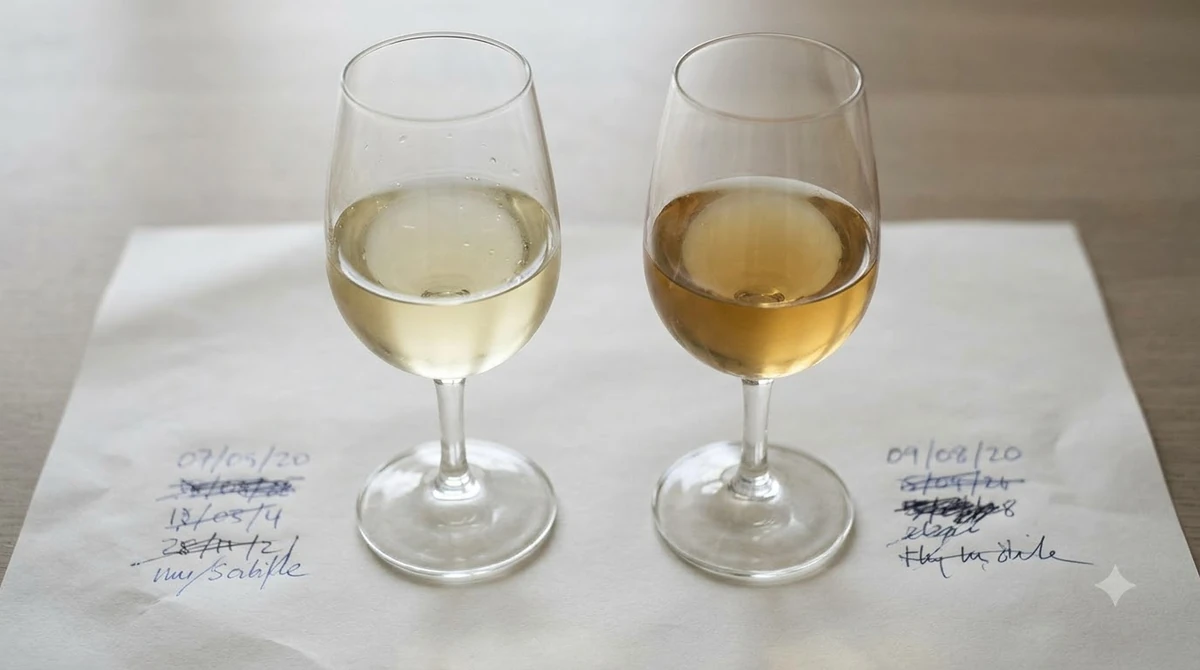
According to Wine Folly, Pinot Gris can range from light and zesty to fuller-bodied and oily. Some versions are dry, while late-harvest examples can be sweet. This broad range explains why choosing a bottle based only on the grape name can lead to unexpected results. Its Pinot Gris grape guide explains the differences between common styles and the grape’s characteristic aromas.
Light Italian-style Pinot Grigio
Many familiar Italian Pinot Grigio wines are associated with freshness, relatively light body, citrus, green apple, and lively acidity. They are often selected for seafood, light pasta, and simple lunches. This style appeals to people who want a white wine that refreshes the palate without dominating the food.
Yellow Tail Pinot Grigio shares the accessible, fresh-drinking direction, although its official flavor description includes ripe red apple, pear, and passionfruit. Its emphasis on recognizable fruit makes it particularly suitable for drinkers who prefer an uncomplicated style.
Richer Pinot Gris
Pinot Gris from regions such as Alsace can offer more body, ripe stone fruit, floral notes, and sometimes a richer texture. Depending on production choices, these wines may also develop more pronounced spice or honey-like characteristics.
Compared with this fuller style, Yellow Tail is better understood as a light-bodied everyday white. People who want a more substantial wine to accompany creamy sauces, richer poultry dishes, or elaborate meals may prefer a fuller Pinot Gris.
Skin-contact Pinot Gris
Another style is ramato, a copper-colored Pinot Gris made through extended contact between grape juice and skins. Wine Folly explains that the grape’s naturally colored skins can produce this distinctive appearance and a more textured wine.
Ramato can have additional savory, earthy, and aromatic characteristics that distinguish it from conventional white Pinot Grigio. Yellow Tail’s standard Pinot Grigio is not presented as a skin-contact wine, so shoppers looking for this distinctive style should explore specialist producers instead.
How the styles compare
| Style | Typical Characteristics | Good Food Matches |
|---|---|---|
| Light Italian Pinot Grigio | Crisp, light, citrus-driven | Seafood, salads, mild cheeses |
| Yellow Tail Pinot Grigio | Light-bodied, fruity, fresh | Asian-inspired food, chicken, seafood |
| Alsace Pinot Gris | Richer body, ripe fruit, spice | Roast chicken, pork, richer dishes |
| Ramato Pinot Gris | Copper color, additional texture, savory notes | Charcuterie, pasta, flavorful vegetable dishes |
| Late-harvest Pinot Gris | Sweet, concentrated fruit | Fruit desserts and sweet dishes |
These comparisons show why Yellow Tail should be evaluated within its intended category. It is an approachable Australian Pinot Grigio rather than an attempt to reproduce every expression of Pinot Gris available around the world.
Common Mistakes When Buying and Drinking Yellow Tail Pinot Grigio
Several misconceptions can create unrealistic expectations about this wine. Understanding the difference between grape variety, sweetness, acidity, and overall quality helps shoppers make a more informed decision.
Assuming every Pinot Grigio tastes the same
The grape variety does not guarantee a particular flavor profile. Italian Pinot Grigio, Australian Pinot Grigio, and Alsace Pinot Gris can differ significantly in ripeness, body, acidity, and texture.
Yellow Tail’s fruit-forward character is only one interpretation of the grape. Someone who dislikes one bottle of Pinot Grigio should not automatically assume every other example will taste identical.
Confusing fruitiness with sweetness
A wine can smell strongly of ripe fruit while still tasting dry. Pear, apple, and passionfruit aromas do not automatically mean that the wine contains substantial residual sugar.
This distinction is particularly important for shoppers who associate tropical fruit flavors with sweet wines. Yellow Tail emphasizes fruit expression, but that alone does not establish its precise sugar concentration or sweetness classification. Readers interested in the distinction can consult our explanation of Yellow Tail Pinot Grigio sugar content.
Expecting premium complexity from an everyday style
Yellow Tail’s appeal is based on accessibility and uncomplicated enjoyment. It should not be judged against highly distinctive Pinot Gris wines that may offer greater aromatic complexity, regional character, or textural depth.
Its suitability depends on the occasion. A simple white wine can be an excellent choice for a relaxed meal even if it does not provide the layers of aroma and flavor expected from a more specialized bottle.
Serving it too warm
Warm white wine can lose some of the refreshing character that makes Pinot Grigio attractive. Serving the wine properly chilled helps maintain its lively profile and makes it more enjoyable alongside food.
Choosing the wrong food pairing
Light-bodied Pinot Grigio can be overwhelmed by intensely rich sauces, very spicy dishes, and heavy preparations. The best pairings generally respect the wine’s relatively delicate structure.
Spicy food deserves particular attention. Alcohol and tannin can amplify the perception of chili heat, so a refreshing white should not automatically be treated as a perfect match for every intensely spicy dish.
Serving, Care, and Storage Tips
Good serving technique makes a noticeable difference to Yellow Tail Pinot Grigio. The most important details are temperature, glassware, bottle handling, and how quickly the wine is enjoyed after opening.
Serve between 45°F and 50°F
A serving temperature of 45°F to 50°F is a practical target for this light-bodied white wine. This range keeps the wine refreshing while allowing its pear, apple, and passionfruit characteristics to remain recognizable.
Wine Enthusiast discusses a broader 45°F to 55°F range for light, dry whites, including Pinot Grigio. For a fruit-forward, light-bodied example, starting toward the cooler end of that range is a sensible approach.
If the bottle is at ordinary room temperature, approximately 1½ hours in the refrigerator is a useful starting point, according to Wine Enthusiast’s serving guidance. Actual chilling time varies with the refrigerator, starting temperature, and bottle conditions.
Choose an ordinary white wine glass
A standard stemmed white wine glass is sufficient. A moderately sized bowl gives the wine some room to release its fruit aromas without allowing it to warm too quickly in your hand.
There is no need to purchase specialized Pinot Grigio glassware. A clean, transparent glass with a narrower opening is a practical choice for everyday serving.
Open and pour without unnecessary preparation
Yellow Tail’s product listing identifies a screw cap closure, which makes opening straightforward. Remove the cap, pour a modest serving, and allow the wine to develop naturally in the glass.
A standard wine serving is approximately 5 ounces. A 750 ml bottle therefore provides about five standard glasses, making it convenient to estimate quantities for a small dinner or casual gathering.
Decanting is generally unnecessary for this type of fresh, light-bodied white wine. Wine Folly likewise explains that most Pinot Gris wines can be enjoyed without decanting.
Store opened wine in the refrigerator
After opening, replace the screw cap and refrigerate the remaining wine. A properly resealed bottle of still white wine generally retains reasonable drinking quality for approximately three to five days, although its freshness gradually declines as it encounters oxygen.
Keep the bottle away from direct sunlight, heat sources, and repeated temperature fluctuations. For unopened bottles, a cool, dark storage location is preferable to a warm kitchen counter or sunny windowsill.
For an uncomplicated wine intended for relatively early enjoyment, extended cellar aging is unnecessary. Its fresh fruit character is the main attraction, so there is little practical reason to hold the bottle for several years.
One final consideration is bottle handling. A screw cap does not eliminate oxidation after opening. Resealing the bottle promptly and keeping it cold are still important steps in preserving its original freshness.
Frequently Asked Questions
Is Yellow Tail Pinot Grigio made from 100% Pinot Grigio grapes?
The official product description identifies the wine as Pinot Grigio, but the publicly available product page does not establish a precise grape percentage. A varietal name identifies the wine’s grape category, while exact composition requirements can depend on the applicable wine-labeling rules. The product description should not be treated as a laboratory analysis of its grape composition.
Does Yellow Tail Pinot Grigio need to breathe before drinking?
No extended breathing period is generally necessary. Fresh, light-bodied Pinot Grigio is normally enjoyed shortly after opening. A few minutes in the glass can allow its aromas to become more noticeable, especially if the wine has just been removed from a very cold refrigerator.
Can Yellow Tail Pinot Grigio be used in cooking?
Yes. A dry or relatively dry Pinot Grigio can be useful in recipes that call for white wine, including light seafood sauces and chicken preparations. Its fruit character should complement rather than dominate the other ingredients. Avoid using a bottle that has developed obvious oxidation or unpleasant aromas.
Is Yellow Tail Pinot Grigio suitable for a wine spritzer?
Yes. Its fresh fruit profile and light body make it a practical base for a simple white wine spritzer. Combining approximately 3 ounces of chilled wine with 2 ounces of sparkling water creates a refreshing drink with a lighter texture. A lemon slice or thin apple slice can provide an additional aromatic accent.
What is the difference between Pinot Grigio and Pinot Gris in terms of grape genetics?
They are names for the same grape variety, not two unrelated grapes. Wine Folly explains that Pinot Gris is a color mutation of Pinot Noir, with berries that can display gray-blue and pinkish-copper tones. The different names are associated with regional traditions and labeling practices rather than separate grape identities.
Yellow Tail Pinot Grigio is a sensible choice for drinkers who value approachable fruit flavors, light body, and uncomplicated everyday enjoyment. Its pear, apple, and passionfruit character makes it versatile at the table, particularly when served properly chilled with seafood, salads, or Asian-inspired dishes. Choose it for relaxed occasions and straightforward refreshment; explore more distinctive Pinot Grigio and Pinot Gris producers if complexity and regional character are your priorities.
More in Wine Brands
 Louis Latour Wine Price: Compare Bottles by Style and TierUpdated Nov 20, 2026
 Yellow Tail Moscato Price: What to Expect Before You BuyUpdated Nov 20, 2026
 Sutter Home Sweet Red Review: Find the Right Food PairingsUpdated Nov 20, 2026
 Franzia Chillable Red Review: Find the Right Serving StyleUpdated Nov 20, 2026
 Veuve Clicquot Rose Review: Flavor, Food Pairings and Buying AdviceUpdated Nov 20, 2026
 Rombauer Wine Price: Compare Bottles Before You BuyUpdated Nov 20, 2026