

We may earn a commission when you buy through links on this page, at no extra cost to you. Learn more.
Yellow Tail Pinot Grigio sugar content is 1.6 grams per 100 ml according to the brand’s official US nutritional chart, equivalent to approximately 2.4 grams in a 5 oz glass. A standard 750 ml bottle contains approximately 12 grams of sugar based on that figure. The wine has a fresh, fruity character with pear, apple, and kiwi notes, making it an approachable white wine for seafood, salads, and Asian-inspired meals.
Knowing how much sugar is in a glass of wine can make it easier to compare different bottles and understand their nutritional information. Yellow Tail Pinot Grigio provides a useful example because its US website publishes figures for sugar, carbohydrates, calories, and alcohol. The key is understanding what those numbers mean, how they translate into ordinary pours, and why fruity wine does not automatically taste sweet. This guide examines the standard Pinot Grigio separately from the brand’s Pure Bright version to keep the comparisons accurate.
How Much Sugar Does Yellow Tail Pinot Grigio Contain?
Yellow Tail’s official US nutritional chart lists standard Pinot Grigio at 1.6 grams of sugar per 100 ml. This equals approximately 2.4 grams in a 150 ml glass and 12 grams in a complete 750 ml bottle, assuming the published concentration remains consistent.
The 1.6-gram figure is the most useful starting point for understanding this wine. It comes from the producer’s nutritional information rather than an estimate based on its aroma, flavor, or general description. The same chart lists 1.6 grams of carbohydrates per 100 ml, so the reported carbohydrate and sugar amounts are identical for this particular product.
Because wine is commonly served in different glass sizes, translating the nutritional information into familiar portions makes the number easier to understand. A 5 oz pour contains approximately 148 ml, while a metric serving of 150 ml is slightly larger. Both contain roughly 2.4 grams of sugar.
| Serving size | Approximate sugar | Calculation |
|---|---|---|
| 100 ml | 1.6 g | Official reference |
| 125 ml | 2.0 g | 1.6 × 1.25 |
| 150 ml | 2.4 g | 1.6 × 1.5 |
| 5 oz (148 ml) | 2.37 g | 1.6 × 1.48 |
| 175 ml | 2.8 g | 1.6 × 1.75 |
| 750 ml bottle | 12 g | 1.6 × 7.5 |
These amounts are proportional calculations from the producer’s published figure. They are not separate laboratory measurements of every possible serving or bottle. Small differences can also result from rounding, especially when converting between metric measurements and US fluid ounces.
The distinction between a glass and a bottle is particularly important. Someone drinking one standard 5 oz serving consumes approximately 2.4 grams of sugar, while someone calculating the contents of the complete bottle is looking at approximately 12 grams. The concentration remains the same, but the total amount increases with the volume poured.
For practical comparisons, using the same serving size across different wines is helpful. A 150 ml pour provides a consistent reference for evaluating standard Pinot Grigio against other white wines, even when their bottles have different nutritional profiles.
How Much Sugar Is in a Glass or Bottle?
A standard 5 oz glass of Yellow Tail Pinot Grigio contains approximately 2.37 grams of sugar, while a 750 ml bottle contains approximately 12 grams. These estimates make it possible to calculate the sugar in smaller pours, larger restaurant servings, and multiple glasses without confusing serving size with sugar concentration.
A standard 750 ml bottle contains five 150 ml servings. If each serving contains approximately 2.4 grams of sugar, the five servings together provide approximately 12 grams. This is a straightforward way to understand the difference between the amount in one glass and the amount in the complete bottle.
Some wine glasses have considerably more capacity than a standard serving. A glass that holds 250 ml, for example, does not necessarily contain a 250 ml pour. The amount actually poured determines the nutritional calculation.
Calculating sugar in different pour sizes
The calculation is simple: multiply 1.6 grams by the serving size expressed in hundreds of milliliters. For a 125 ml pour, multiply 1.6 by 1.25 to get 2 grams. For a 175 ml pour, multiply 1.6 by 1.75 to get 2.8 grams.
Someone serving wine at a dinner party can use this method to estimate the sugar in each glass. It also helps when comparing restaurant portions, where pours may be larger than the conventional 5 oz reference.
For example, two 150 ml glasses contain approximately 4.8 grams of sugar altogether. Three glasses contain approximately 7.2 grams. These calculations assume the standard Yellow Tail Pinot Grigio nutritional figure applies to the wine being served.
Understanding grams per liter
Wine professionals frequently express residual sugar in grams per liter, abbreviated as g/L. The official Yellow Tail figure of 1.6 grams per 100 ml converts arithmetically to 16 grams per liter because one liter contains ten 100 ml portions.
This conversion is useful when reading international wine information. A figure written as grams per liter should not be compared directly with a figure written as grams per glass. Both must first be converted to the same measurement basis.
There is also an important technical distinction: nutritional total-sugar figures and the glucose-plus-fructose measurement used in formal wine sweetness classifications are not automatically identical analytical measurements. Therefore, converting the nutritional chart into g/L is useful for understanding concentration, but it does not independently establish a legally defined sweetness category.
Tip: Compare wines using the same measurement unit and serving size. Converting everything to grams per 100 ml prevents confusion between bottle totals, glass portions, and grams per liter.
Once the serving calculation is understood, the producer’s nutritional chart becomes much easier to use. The same approach can be applied to other Yellow Tail wines and competing Pinot Grigio labels.
Is Yellow Tail Pinot Grigio Dry or Sweet?
Yellow Tail describes its standard Pinot Grigio as fresh and zesty, with fruit-forward aromas and flavors rather than a dessert-wine profile. However, the official US nutritional figure alone does not establish a formal dry or medium-dry classification because that classification requires a specific analytical sugar measurement and, in some cases, acidity information.
The difference between fruitiness and sweetness is important when evaluating white wine. A glass can smell strongly of pear, red apple, kiwi, or passionfruit without tasting sugary. Aromatic compounds create recognizable fruit impressions, whereas residual sugar contributes directly to sweetness and mouthfeel.
The International Organisation of Vine and Wine (OIV) sweetness definitions provide a technical framework for understanding these terms. Under its classification, dry wine generally contains up to 4 g/L of sugar, with an allowance up to 9 g/L when the specified acidity conditions are satisfied. Medium-dry wine has limits of 12 g/L or 18 g/L under the applicable conditions.
These categories are based on the glucose-plus-fructose analytical method. Yellow Tail’s US chart provides nutritional sugars per 100 ml, but it does not provide the total acidity measurement needed to apply the OIV classification fully. Consequently, the nutritional figure should not be used on its own to declare the wine officially dry, medium-dry, or sweet.
Why fruity aromas can seem sweet
Yellow Tail identifies pear, red apple, and kiwi as characteristic aromas. Its product description also mentions red apple, pear, and passionfruit flavors. These characteristics help explain the wine’s approachable style, but they are not direct measurements of sugar.
For example, a wine with pronounced pear aromas may smell ripe and fruity while finishing with a refreshing sensation. Sauvignon Blanc can have strong citrus and tropical fruit characteristics without being a sweet wine, and Riesling can range from very dry to distinctly sweet depending on how it is made.
Acidity also affects how sweetness is perceived. A wine with sufficient acidity can taste fresher and less sugary than a wine with a similar amount of residual sugar but less acidity. This balance is one reason that tasting descriptions cannot replace nutritional information or laboratory measurements.
Understanding sweetness classifications
Formal wine classifications use defined sugar thresholds rather than informal descriptions such as fruity, crisp, or refreshing. The OIV recognizes dry, medium-dry, semi-sweet, and sweet categories, with 45 g/L marking the minimum sugar concentration for its sweet classification.
These technical definitions are useful when comparing wines from different regions. However, the figures should only be applied when the underlying analytical measurement and acidity requirements are available. A nutritional chart and a formal residual-sugar analysis serve related but different purposes.
For everyday wine selection, Yellow Tail’s fresh and zesty description is a more practical indication of its intended drinking style than trying to assign a technical sweetness category from incomplete measurements.
Why Sugar Figures Differ Between Wine Websites
Different websites can display different sugar figures for similarly named wines because their information may come from different markets, products, or measurement systems. The official Yellow Tail US nutritional chart is the appropriate starting point for the US standard Pinot Grigio, listing 1.6 grams of sugar per 100 ml.
International product databases sometimes use different serving references or carry records associated with different product versions. A retailer might display grams per liter, while a producer’s nutritional chart might show grams per 100 ml. Those numbers cannot be compared accurately until their units are converted.
There is also a distinction between standard Pinot Grigio and Pure Bright Pinot Grigio. Although both products use the Pinot Grigio name, their nutritional information is different. Treating them as the same wine can lead to incorrect comparisons.
Product identity matters
Yellow Tail’s official US chart lists standard Pinot Grigio separately from Pure Bright Pinot Grigio. The standard version contains 1.6 grams of sugar per 100 ml, while Pure Bright contains 1.5 grams per 100 ml.
The difference is relatively small, but it demonstrates why product names should be checked carefully. A search result displaying Pure Bright nutritional information should not automatically be used in an article about the standard bottle.
Another issue is that nutritional information and winemaking measurements may describe different things. Total sugars in a nutritional declaration should not automatically be treated as the precise glucose-plus-fructose result used in formal OIV sweetness classifications.
Choosing the most relevant information
When comparing Yellow Tail Pinot Grigio with another wine, use the producer’s information for the relevant market whenever possible. Confirm that the product is standard Pinot Grigio rather than Pure Bright, and make sure the serving measurements are comparable.
It is also helpful to distinguish between a producer’s nutritional chart, a retailer’s product description, and a technical residual-sugar analysis. Each can provide useful information, but they do not necessarily answer the same question.
For a US-focused comparison, the official Yellow Tail nutritional chart provides the clearest reference for the standard product. Other websites can provide additional context, but conflicting figures should not be combined into one supposedly definitive number without confirming that they refer to the same product and analytical measurement.
Calories, Carbohydrates, and Alcohol Content
Yellow Tail’s official US nutritional chart lists standard Pinot Grigio at 108 calories, 1.6 grams of carbohydrates, and 1.6 grams of sugars per 100 ml. The standard product page also lists an alcohol concentration of 11.5% ABV, providing a broader picture of the wine’s nutritional composition.
These figures are useful because sugar is only one contributor to the overall energy content of wine. Alcohol also contributes energy, so calorie estimates cannot be calculated from sugar alone.
The following table converts the producer’s 100 ml figures into common serving sizes:
| Serving size | Calories | Carbohydrates | Sugars |
|---|---|---|---|
| 100 ml | 108 | 1.6 g | 1.6 g |
| 125 ml | 135 | 2.0 g | 2.0 g |
| 150 ml | 162 | 2.4 g | 2.4 g |
| 5 oz (148 ml) | Approximately 160 | Approximately 2.37 g | Approximately 2.37 g |
| 750 ml bottle | 810 | 12 g | 12 g |
These are proportional calculations based on the producer’s published nutritional figures. The calorie totals are approximate because the original chart reports rounded values per 100 ml.
Carbohydrates compared with sugar
Carbohydrates are a broader nutritional category that can include sugars and other carbohydrate components. In the standard Yellow Tail Pinot Grigio chart, the carbohydrate and sugar figures are both 1.6 grams per 100 ml.
This means the published carbohydrate amount is accounted for by the reported sugar amount in this particular nutritional entry. Other wines can have different relationships between total carbohydrates and sugars, so the figures should be checked separately when comparing products.
Fermentation explains why finished wines can contain less sugar than the original grape juice. Yeast converts fermentable grape sugars into alcohol and carbon dioxide. The amount remaining depends on the fermentation process and the winemaker’s decisions about the desired finished style.
Understanding the alcohol figure
The standard Yellow Tail Pinot Grigio has 11.5% ABV according to the official US product information. Alcohol contributes to the wine’s overall energy content, which is why a wine with relatively little sugar can still have a meaningful calorie total.
Pure Bright Pinot Grigio provides a separate comparison. The official nutritional chart lists it at 8.5% ABV, 80 calories per 100 ml, and 1.5 grams of sugar per 100 ml. Standard Pinot Grigio is listed at 11.5% ABV and 108 calories per 100 ml.
The sugar difference between the two versions is only 0.1 gram per 100 ml, but their alcohol and calorie figures differ more noticeably. This demonstrates why sugar alone does not provide a complete picture of a wine’s nutritional information.
For a closer look at the standard wine’s alcohol measurement, see our article about yellow tail pinot grigio alcohol content. Considering alcohol and sugar together gives a more useful comparison than examining either figure in isolation.
Flavor, Serving Temperature, and Food Pairings
Yellow Tail Pinot Grigio has a fresh, zesty profile featuring pear, red apple, kiwi, and passionfruit characteristics. Serving it chilled and choosing foods that complement its fruit and acidity help maintain its refreshing character.
The producer recommends enjoying the wine with Asian-inspired food on a warm summer evening. This suggestion works well with the wine’s fruit-forward style, particularly when dishes include fresh vegetables, herbs, citrus, or seafood.
A serving temperature of approximately 45–50°F is a suitable starting point for a light white wine. Chilling helps preserve freshness, while serving the wine excessively cold can make its more delicate aromas less noticeable.
Seafood and light meals
Grilled shrimp with lemon is a natural pairing. The seafood provides a mild savory flavor, while citrus complements the wine’s refreshing character. White fish with parsley, basil, or a light lemon dressing can work equally well.
Fresh salads with cucumber, green apple, herbs, and a citrus dressing also complement the wine. The fruit characteristics connect naturally with the apple and pear notes, while the acidity of the dressing should be balanced by the wine’s own acidity.
Vegetable dishes are another useful option. Grilled zucchini, asparagus, snap peas, and bell peppers provide enough flavor to complement the wine without overwhelming its lighter structure.
Asian-inspired dishes
Yellow Tail’s own pairing suggestion makes Asian-inspired meals particularly relevant. Vegetable stir-fries with ginger, carrots, bell peppers, and snap peas can complement the wine’s fruit character.
Chicken with lemongrass, basil, and lime is another suitable combination. The fresh herbs and citrus provide aromatic flavors that work alongside the wine’s apple, pear, and tropical fruit notes.
For dishes containing chili, consider the intensity of the seasoning. Alcohol can make chili heat feel more pronounced, so extremely spicy sauces may overwhelm the wine. Mild or moderately spicy preparations are generally easier to pair.
Serving and storing the bottle
Use a standard 5 oz pour when comparing the wine’s sugar content with other bottles. A 750 ml bottle provides approximately five 150 ml servings, allowing the published nutritional figures to be translated into practical portions.
If the bottle is not finished, replace the closure and refrigerate it. Opened still wines generally retain reasonable freshness for approximately 3–5 days in the refrigerator, although their fruit aromas can gradually become less pronounced.
Pinot Grigio is usually enjoyed for its fresh fruit character rather than prolonged aging or decanting. A standard white-wine glass is suitable for serving, allowing the pear, apple, and tropical fruit characteristics to remain noticeable.
Readers comparing different Pinot Grigio options can also explore our guides to Barefoot Pinot Grigio sugar content and Ecco Domani Pinot Grigio sugar content. These comparisons are most useful when each wine’s own nutritional information and serving size are considered.
Frequently Asked Questions
Does Yellow Tail Pinot Grigio contain added sugar?
The official nutritional chart reports total sugars but does not establish whether sugar was added during production. Grape juice naturally contains sugars, and some can remain after fermentation. A nutritional figure alone cannot distinguish naturally remaining grape sugar from any sugar introduced during winemaking.
What is the pH of Yellow Tail Pinot Grigio?
Yellow Tail’s US nutritional chart lists standard Pinot Grigio at pH 3.4. The pH measurement describes acidity on a logarithmic scale, rather than the total acidity expressed in grams per liter. These measurements are related but should not be used interchangeably in formal wine classification.
Is Yellow Tail Pinot Grigio vegan?
Yes, the official US nutritional chart identifies standard Yellow Tail Pinot Grigio as vegan. This information is specific to the listed product and should not automatically be applied to every wine made by the producer. Other bottlings can have different production and clarification details.
Does Yellow Tail Pinot Grigio contain sulfites?
Yellow Tail Pinot Grigio, like many conventional wines, may contain sulfites. Sulfur dioxide is commonly used in winemaking to help protect wine from oxidation and unwanted microbial activity. Sulfite information is separate from the nutritional sugar and carbohydrate measurements.
What grape variety is used in Yellow Tail Pinot Grigio?
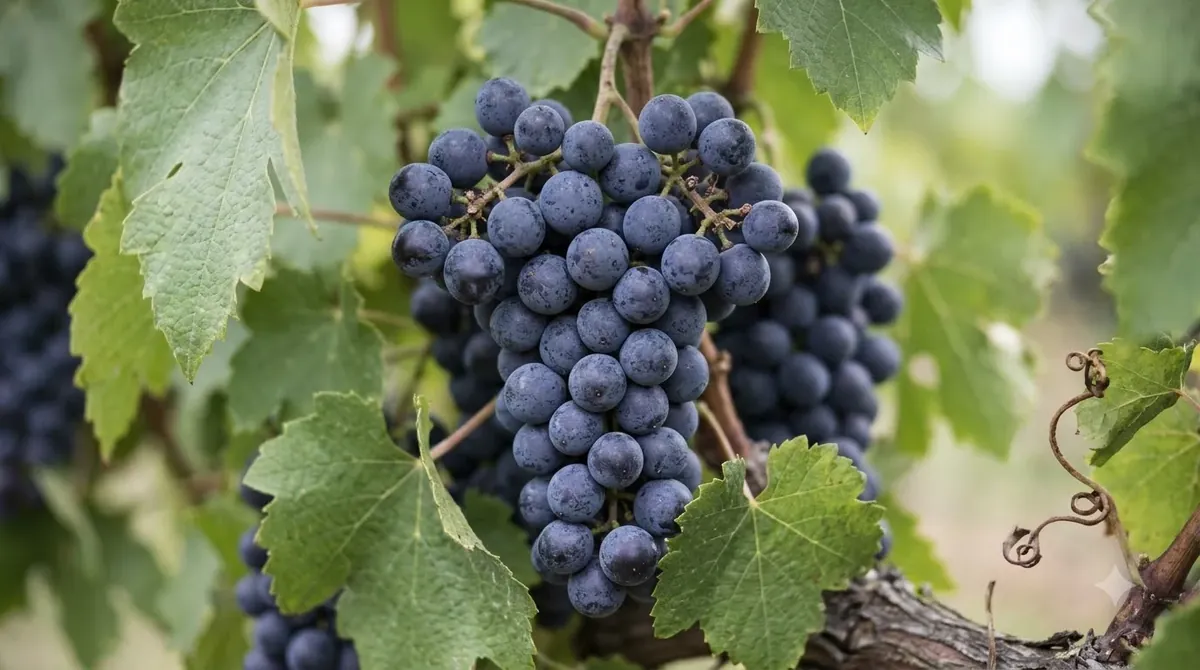
Pinot Grigio is made from the Pinot Grigio grape, which is also known as Pinot Gris in other wine regions. The variety is a mutation of Pinot Noir and has grayish-pink skin rather than the typical green appearance of many white-wine grapes. Its different growing regions and production methods can create a range of white-wine styles.
Yellow Tail Pinot Grigio contains approximately 1.6 grams of sugar per 100 ml, or around 2.4 grams in a standard 150 ml serving, according to the producer’s US nutritional chart. Its fresh pear, apple, and kiwi characteristics make it a versatile choice for seafood, salads, and Asian-inspired meals. When comparing bottles, use the nutritional information for the exact product rather than relying on general descriptions of sweetness.
More in Wine Brands
 Louis Latour Wine Price: Compare Bottles by Style and TierUpdated Nov 20, 2026
 Yellow Tail Moscato Price: What to Expect Before You BuyUpdated Nov 20, 2026
 Sutter Home Sweet Red Review: Find the Right Food PairingsUpdated Nov 20, 2026
 Franzia Chillable Red Review: Find the Right Serving StyleUpdated Nov 20, 2026
 Veuve Clicquot Rose Review: Flavor, Food Pairings and Buying AdviceUpdated Nov 20, 2026
 Rombauer Wine Price: Compare Bottles Before You BuyUpdated Nov 20, 2026