


We may earn a commission when you buy through links on this page, at no extra cost to you. Learn more.
Ecco Domani Pinot Grigio sugar content is generally low, making this Italian white wine a dry, crisp choice rather than a noticeably sweet wine. A technical specification for its 2017 vintage reports 2 grams of residual sugar per liter, while another product nutrition listing reports approximately 1.4 grams of total sugars per serving. Exact figures can vary by vintage and product specification, but its refreshing citrus and pear character is consistent with a dry Pinot Grigio style.
If you are choosing a white wine based on sweetness, understanding residual sugar is more useful than relying on fruit flavors alone. Ecco Domani Pinot Grigio offers ripe peach, pear, and tropical fruit aromas, but those characteristics do not necessarily mean the wine contains much sugar. Here is how to interpret its reported sugar measurements, estimate the amount in a typical glass, and understand what to expect when you open a bottle.
How Much Sugar Is in Ecco Domani Pinot Grigio?
Ecco Domani Pinot Grigio is best understood as a low-sugar, dry white wine. A technical document for the 2017 Ecco Domani Pinot Grigio delle Venezie DOC lists residual sugar at 2 grams per liter, providing a specific reference point for understanding its relatively dry style.
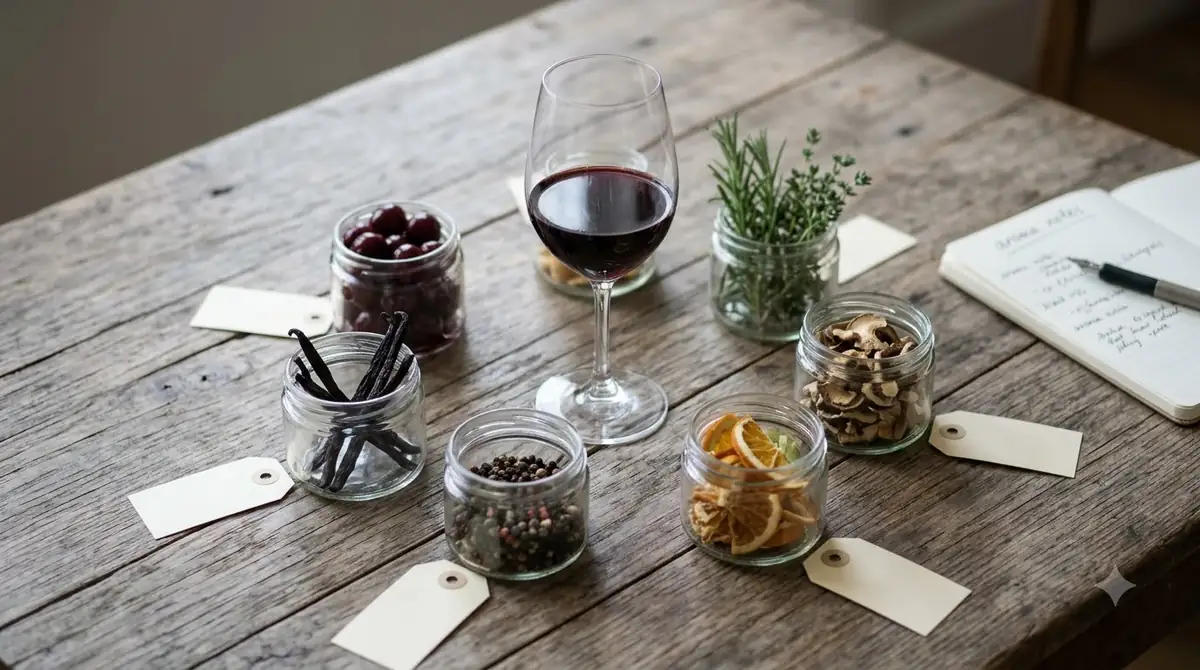
Residual sugar refers to the natural grape sugar remaining after fermentation. During winemaking, yeast converts much of the grape’s sugar into alcohol. The amount left behind influences the wine’s sweetness, although acidity also plays an important role in how sweet or dry a wine tastes.
Using the documented 2 grams per liter figure, a standard 750-milliliter bottle would contain approximately 1.5 grams of residual sugar in total. This is a useful calculation for the specified vintage, not a guarantee that every bottle produced under the Ecco Domani name has precisely the same measurement.
For a typical 5-ounce glass, the calculation looks like this:
- Residual sugar: 2 grams per liter.
- Serving size: approximately 148 milliliters.
- Estimated residual sugar: approximately 0.30 grams per glass.
- Bottle size: 750 milliliters.
- Estimated residual sugar per bottle: 1.5 grams.
These numbers describe the 2017 technical specification. Other published product information provides different measurements, so it is important not to treat one vintage’s technical data as a permanent formula for every bottle.
The practical takeaway is that Ecco Domani Pinot Grigio belongs in the dry white wine category. Its fruit-forward aroma can make it seem approachable and slightly sweet to some drinkers, but its documented residual sugar level is low.
Understanding Residual Sugar and Nutrition Measurements
Residual sugar and total sugars are related measurements, but they are not always interchangeable. This distinction explains why different websites can report different sugar quantities for what appears to be the same wine.
The technical specification for the 2017 Ecco Domani Pinot Grigio reports 2 grams of residual sugar per liter. In contrast, MyFoodDiary lists 1.4 grams of total sugars per serving, along with 3 grams of total carbohydrates. Another retailer listing gives a residual sugar measurement of 0.70 grams per 100 milliliters.
Converting that retailer measurement into a familiar unit produces 7 grams per liter. That is considerably higher than the 2 grams per liter listed in the 2017 technical document. These figures should not be combined into a single definitive measurement because they may represent different product specifications, vintages, or nutrition data.
The following table shows how the available figures compare.
| Measurement | Reported amount | What it represents |
|---|---|---|
| 2017 residual sugar | 2 g/L | Technical wine specification |
| 2017 estimated bottle sugar | 1.5 g | Calculated for 750 mL |
| 2017 estimated glass sugar | 0.30 g | Calculated for 5 oz |
| Retailer residual sugar | 7 g/L | Reported as 0.70 g/100 mL |
| MyFoodDiary total sugars | 1.4 g | Reported per serving |
| MyFoodDiary carbohydrates | 3 g | Reported per serving |
One important detail is that a serving size must be consistent before comparing nutrition figures. A 5-ounce pour is approximately 148 milliliters, while a 750-milliliter bottle contains approximately five standard 5-ounce servings.
Another distinction concerns the meaning of the measurements. Residual sugar is a winemaking measurement, while total sugars on a nutrition listing describe the sugars recorded for its stated serving. Different rounding methods, serving definitions, and product records can affect the numbers presented.
For additional background, the Ecco Domani technical specification provides the 2017 wine’s analytical measurements, including residual sugar, acidity, and pH. It is a useful reference when distinguishing documented figures from general estimates.
Tip: Use the 2 g/L measurement as a documented reference for the 2017 vintage, not as a guaranteed figure for every current bottle. Nutrition listings and vintage-specific technical information may describe different versions of the wine.
Does Ecco Domani Pinot Grigio Taste Sweet or Dry?
Ecco Domani Pinot Grigio tastes primarily dry, crisp, and fruit-forward rather than sugary. Its combination of citrus, white peach, pear, and tropical fruit creates an inviting flavor profile without requiring a high residual sugar level.
The difference between fruitiness and sweetness is particularly important with white wines. A wine can smell like ripe peaches or juicy pears while tasting completely dry. Aromas activate the brain’s associations with sweet foods, but the actual sugar concentration depends on what remains after fermentation.
According to the brand’s official tasting description, Ecco Domani Pinot Grigio features citrus, ripe white peach, juicy pear, and tropical fruit. These characteristics provide a rounded fruit impression while maintaining a refreshing overall profile.
Acidity is another important part of the experience. A wine with noticeable acidity can feel lively and refreshing, balancing the impression of ripe fruit. The 2017 technical document lists total acidity at 6 grams per liter and a pH of 3.33, measurements consistent with a fresh white wine profile.
Why fruit flavors do not mean high sugar
Consider the difference between biting into a fresh pear and drinking pear-flavored syrup. Both may have recognizable pear aromas, but their sweetness levels are very different. Wine works similarly: recognizable fruit character does not automatically indicate a sweet finish.
Some drinkers may perceive Ecco Domani as slightly fruity or soft, particularly when compared with very austere, mineral-driven Italian whites. That does not make it a dessert wine or a sweet Moscato-style alternative.
For someone who generally prefers dry white wines but dislikes overly sharp flavors, its combination of fruit aromas and refreshing acidity can be an appealing middle ground. It is also approachable for casual occasions because its flavor profile does not require extensive wine knowledge to appreciate.
Those who specifically prefer sweeter wines may find Ecco Domani less sweet than expected. A Moscato or a clearly labeled sweet Riesling would be a more suitable starting point for someone seeking pronounced sweetness.
How Much Sugar Is in a Glass or Bottle?
The amount of sugar you consume from Ecco Domani Pinot Grigio depends on the residual sugar concentration and the volume poured. A standard 5-ounce glass is a useful comparison because it represents the typical serving used in many wine nutrition calculations.
For the documented 2017 specification of 2 grams per liter, the estimated sugar amounts are straightforward to calculate. Multiply the concentration by the serving volume expressed in liters to determine the amount in each glass.
Here is how the calculation works:
- One liter contains 1,000 milliliters.
- A 5-ounce serving contains approximately 148 milliliters.
- That serving represents 0.148 liters.
- Multiplying 2 grams by 0.148 gives approximately 0.30 grams of sugar.
The same calculation can be used for different serving sizes, provided the same residual sugar concentration applies.
| Serving size | Approximate volume | Sugar at 2 g/L |
|---|---|---|
| 3 oz | 89 mL | 0.18 g |
| 5 oz | 148 mL | 0.30 g |
| 6 oz | 177 mL | 0.35 g |
| 8 oz | 237 mL | 0.47 g |
| 750 mL bottle | 750 mL | 1.50 g |
These are mathematical estimates based on the 2017 specification, rather than laboratory measurements of every serving. A different residual sugar concentration would produce different results.
For example, applying the separate retailer figure of 7 grams per liter would produce approximately 1.04 grams of residual sugar in a 5-ounce glass. This illustrates why the source and vintage of a measurement matter.
A standard 750-milliliter bottle also provides approximately five 5-ounce glasses. If you are comparing different wines, using the same serving size makes the comparison more meaningful than comparing bottle totals with individual glass measurements.
Remember that sugar is only one component of wine’s nutritional composition. Alcohol, total carbohydrates, and other naturally occurring compounds also contribute to the overall nutritional profile. A low residual sugar figure does not mean that the wine contains no calories or carbohydrates.
Ingredients, Grapes, and Winemaking
Ecco Domani Pinot Grigio is primarily made from Pinot Grigio grapes, with Chardonnay appearing in some documented blends. The available technical specifications show that the precise grape proportions can differ, which is another reason to distinguish individual product records instead of assuming every vintage has an identical composition.
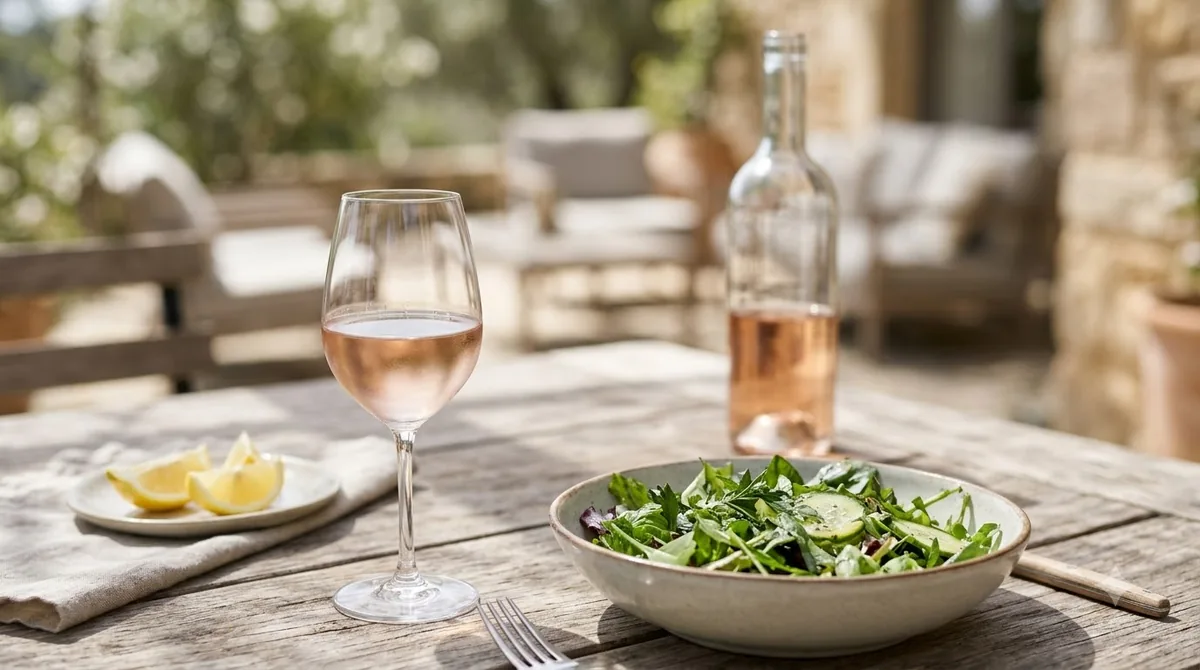
The 2017 technical document identifies a blend of 95% Pinot Grigio and 5% Chardonnay. A separate retailer product specification lists 87% Pinot Grigio and 13% Chardonnay. Wine.com also lists a historical Ecco Domani vintage with a 97% Pinot Grigio and 3% Chardonnay blend.
These variations do not automatically indicate changes in sweetness. Grape proportions influence aroma, texture, acidity, and overall flavor, while residual sugar depends largely on the fermentation process and the wine’s final composition.
How fermentation affects sugar
During fermentation, yeast consumes grape sugars and produces alcohol and carbon dioxide. Winemakers control the fermentation process to create the intended wine style. A wine fermented until most fermentable sugar has been converted generally finishes drier than one with substantial sugar remaining.
The 2017 Ecco Domani technical document describes fermentation in upright stainless steel tanks over three weeks at an average temperature of 64°F. It also records two months of sur lie aging, followed by additional time on light lees until bottling.
Stainless steel is commonly used for crisp white wines because it allows the fruit character to remain prominent without introducing the obvious oak flavors associated with some barrel-aged Chardonnay styles.
Lees aging can contribute to mouthfeel and texture. This helps explain why a dry white wine can feel rounded rather than thin or watery. Texture, fruit intensity, and residual sugar are separate characteristics, even though drinkers sometimes interpret them together.
Where the grapes come from
Ecco Domani connects its wines with Italy’s delle Venezie region. The official brand description highlights vineyards in this broader northeastern Italian wine-growing area, while individual product listings identify origins such as Friuli-Venezia Giulia.
For a broader look at wines from this producer category, visit our Wine Brands resource. Understanding grape varieties, growing regions, and winemaking methods makes it easier to compare wines beyond their sweetness descriptions.
The key point is that grape composition and production methods help shape the wine’s character, but the most direct measurement of sweetness remains its residual sugar concentration.
Food Pairings and Serving Suggestions
Ecco Domani Pinot Grigio works especially well with lighter foods because its refreshing acidity and fruit character complement delicate flavors without overwhelming them. Seafood, fresh pasta, green salads, grilled vegetables, and poultry are among the pairings recommended by the producer.
Its dry profile also makes it suitable for dishes that benefit from freshness rather than sweetness. Lemon-seasoned fish, grilled chicken, and vegetable pasta are particularly practical choices.
Seafood and fish
Grilled white fish, shrimp, scallops, and simply prepared seafood work well with this Pinot Grigio. Citrus-based seasoning complements the wine’s citrus notes, while its acidity helps balance the natural richness of seafood preparations.
For example, grilled shrimp with lemon and herbs offers a straightforward pairing. A light fish dish with olive oil and fresh parsley also allows the wine’s pear and peach characteristics to remain noticeable.
Pasta and vegetables
Fresh pasta with vegetables is another natural match. Consider linguine with zucchini, olive oil, garlic, and fresh herbs, or a light pasta primavera with seasonal vegetables.
The wine’s crispness can balance the oil in these dishes without making the pairing feel heavy. Green salads with cucumber, herbs, and a lemon-based dressing are also suitable, particularly when the dressing is not excessively sweet.
Poultry and appetizers
Roast chicken, grilled chicken breast, and turkey dishes can complement the wine’s moderate body and fruit-forward character. Cream-heavy sauces are generally less suitable than lighter herb-based preparations because they can overwhelm the wine’s refreshing character.
As an aperitif, serve it with mild cheeses, olives, lightly seasoned vegetables, or simple appetizers. Strong chili heat is less suitable because alcohol can amplify the sensation of spice.
Temperature also matters. A good serving range for light white wines is 45–50°F. Chilling the bottle before serving helps preserve the refreshing character while allowing the citrus and pear aromas to remain recognizable.
For a simple serving routine, refrigerate the bottle before guests arrive, pour approximately 5 ounces into each glass, and return the bottle to the refrigerator between pours. If the wine becomes excessively cold, allow it a few minutes in the glass to reveal more of its aromas.
After opening, store the remaining still wine in the refrigerator and aim to enjoy it within 3–5 days for the best quality. A tightly closed bottle helps limit unnecessary exposure to oxygen.
Comparing Ecco Domani With Other Pinot Grigio Brands
Comparing Ecco Domani with other widely available Pinot Grigio brands can help clarify its style and sweetness expectations. Barefoot and Yellow Tail are useful comparison points because all three brands offer approachable white wines, although their specific blends, vintages, and product specifications may differ.
For a closer look at another popular American-market option, our article on Barefoot Pinot Grigio sugar content examines its sweetness and reported sugar measurements. This provides a useful comparison for readers deciding between two familiar Pinot Grigio labels.
You can also compare the Yellow Tail Pinot Grigio sugar content to understand how another widely recognized brand fits into the dry white wine category. Different producers may use different grape blends and winemaking approaches, so similar grape names do not guarantee identical sweetness.
For a fair comparison, look at residual sugar expressed in grams per liter, or compare the same serving size using consistent nutrition information. Aroma descriptions such as pear, apple, citrus, and peach are useful for understanding flavor, but they should not replace actual sugar measurements.
Ecco Domani’s documented 2017 specification provides a specific starting point at 2 grams per liter. That figure can serve as a reference when assessing other Pinot Grigio wines, provided you compare it with information from the corresponding product and vintage.
Frequently Asked Questions
Is Ecco Domani Pinot Grigio vegan?
The grape ingredients alone do not establish whether a wine is vegan. Some wineries use animal-derived fining agents during clarification, while others use mineral or plant-based alternatives. The available Ecco Domani technical information does not establish a universal vegan certification, so a producer confirmation is the most reliable way to establish its status.
Does Ecco Domani Pinot Grigio have sulfites?
Wine naturally contains sulfites produced during fermentation, and winemakers may also add sulfur dioxide to help protect wine from oxidation and unwanted microbial activity. The available Ecco Domani technical specification does not provide a specific sulfite concentration. Sulfite content should therefore not be inferred from the wine’s residual sugar measurement.
What color should Ecco Domani Pinot Grigio have?
The documented 2017 vintage is described as straw yellow with greenish hints. White Pinot Grigio commonly displays pale straw, light yellow, or subtle greenish tones depending on the grapes and production conditions. A slight difference in color between vintages does not necessarily indicate a difference in sugar concentration.
Can Ecco Domani Pinot Grigio be used in a wine spritzer?
Yes. Its crisp fruit profile makes it suitable for a simple spritzer. Combine approximately 3 ounces of chilled Pinot Grigio with 2 ounces of sparkling water and serve over ice with a lemon or orange slice. The resulting drink will have a lighter alcohol concentration than the original wine, depending on the quantities used.
How should an unopened bottle of Ecco Domani Pinot Grigio be stored?
Keep the bottle in a cool, dark location away from direct sunlight and major temperature fluctuations. A storage temperature near 55°F is a useful general target for wine. Because Ecco Domani uses screw-cap packaging in documented retail listings, horizontal storage is not necessary to keep a cork moist, although keeping the bottle stable and protected from heat remains important.
Ecco Domani Pinot Grigio is best approached as a crisp, dry Italian white wine with relatively low documented residual sugar rather than a sweet fruit wine. The 2017 technical specification provides a useful reference of 2 grams per liter, while other product listings demonstrate why measurements should be interpreted according to their specific vintage and serving information. If you enjoy citrus, pear, and peach flavors with refreshing acidity, this Pinot Grigio is a practical choice for seafood, pasta, poultry, and casual gatherings.
More in Wine Brands
 Louis Latour Wine Price: Compare Bottles by Style and TierUpdated Nov 20, 2026
 Yellow Tail Moscato Price: What to Expect Before You BuyUpdated Nov 20, 2026
 Sutter Home Sweet Red Review: Find the Right Food PairingsUpdated Nov 20, 2026
 Franzia Chillable Red Review: Find the Right Serving StyleUpdated Nov 20, 2026
 Veuve Clicquot Rose Review: Flavor, Food Pairings and Buying AdviceUpdated Nov 20, 2026
 Rombauer Wine Price: Compare Bottles Before You BuyUpdated Nov 20, 2026