
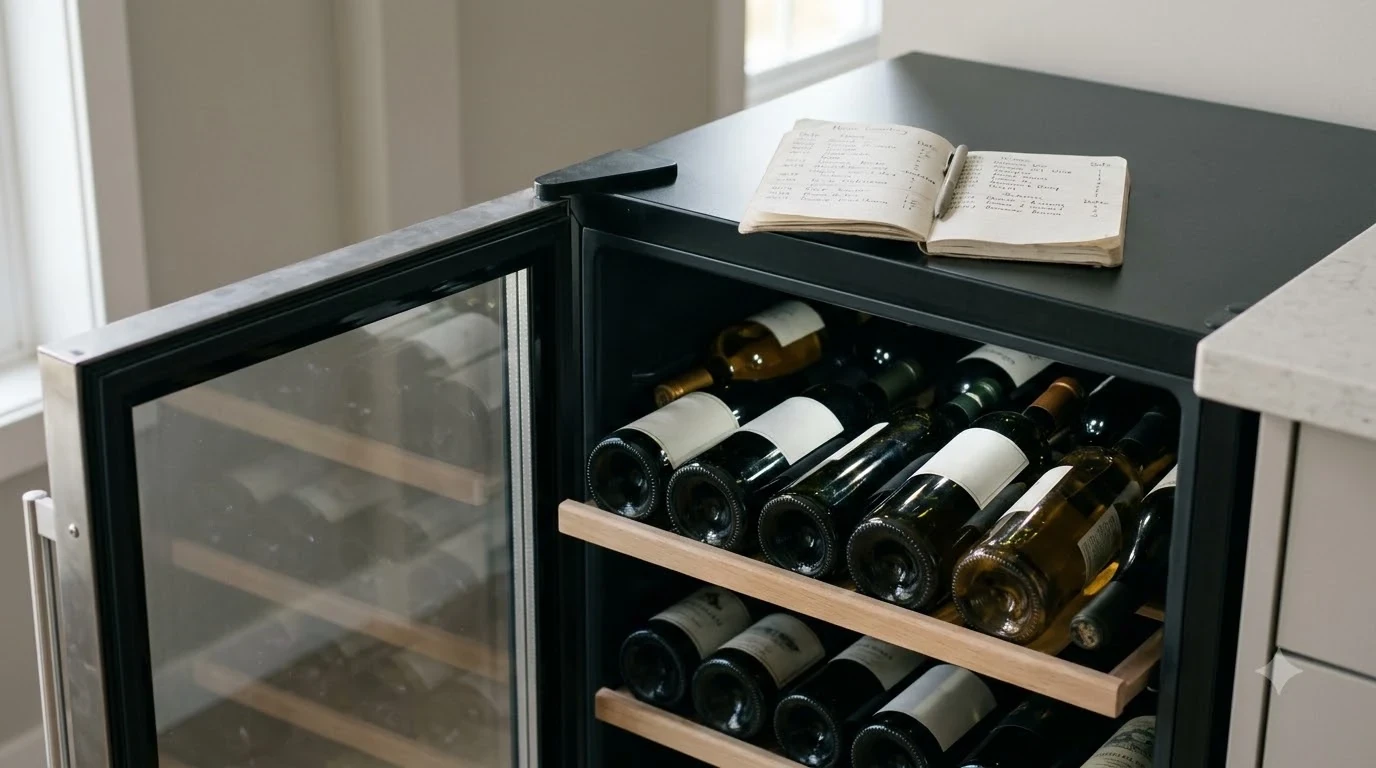

We may earn a commission when you buy through links on this page, at no extra cost to you. Learn more.
Is Winking Owl wine good? Yes, Winking Owl wine can be a good choice for casual drinking if you want straightforward, fruit-forward wine without expecting premium complexity. Aldi’s exclusive wine range includes approachable reds, refreshing whites, and sweeter options, so there is something for several different preferences. Cabernet Sauvignon, Pinot Grigio/Colombard, and Sauvignon Blanc are particularly appealing starting points, while Moscato and Sweet Red are better suited to people who actively enjoy pronounced sweetness. The biggest advantage is accessibility, but the main limitation is that the wines generally offer simplicity rather than depth.
Winking Owl has developed a following among shoppers looking for an uncomplicated bottle to serve with dinner, bring to a casual gathering, or keep available for an ordinary evening. Its reputation is closely connected to Aldi’s value-focused grocery model, but inexpensive wine can still vary considerably in quality, balance, and drinkability.
The important question is not simply whether the brand is good or bad. It is whether a particular variety suits your palate. Understanding the differences between the reds, whites, and sweeter selections makes it much easier to choose a bottle that delivers an enjoyable experience rather than an unpleasant surprise.
Who This Is For
Winking Owl is best suited to shoppers who prioritize affordability, approachable fruit flavors, and uncomplicated drinking over intricate winemaking characteristics. It can work well for casual meals, informal gatherings, and people who are still learning which wine styles they enjoy.
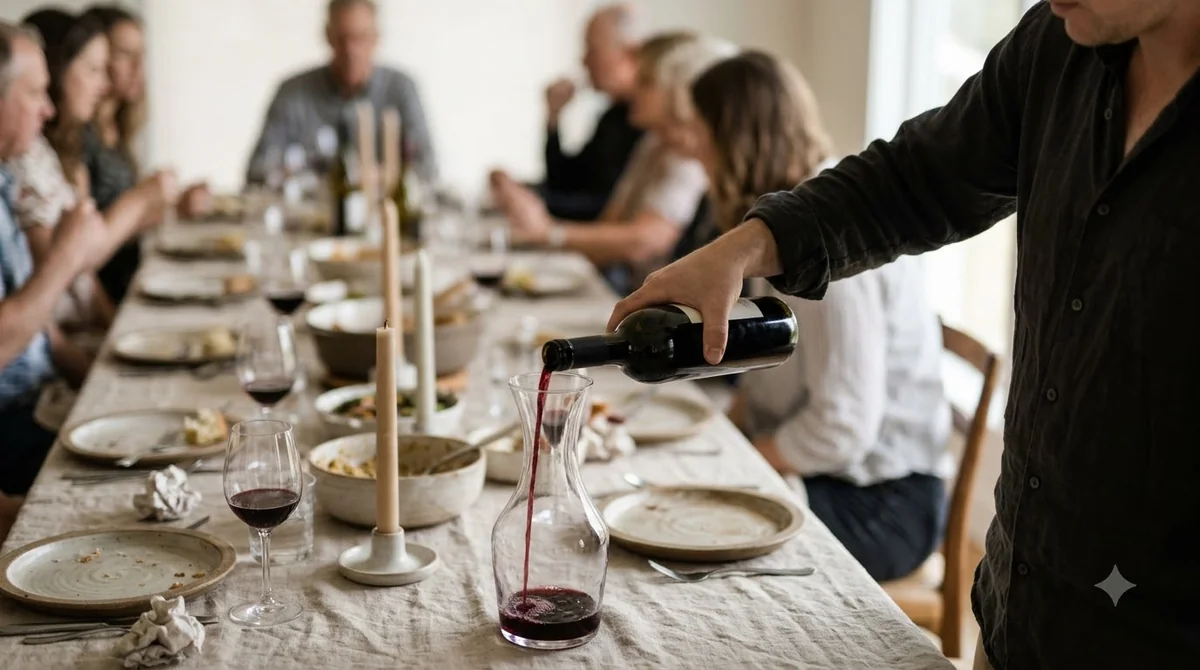
The range is particularly interesting for beginners because it covers several familiar grape varieties. Someone who likes Cabernet Sauvignon can choose a darker, more structured red, while someone who prefers refreshing white wine can consider Sauvignon Blanc or Pinot Grigio. Sweet Red, Moscato, and White Zinfandel offer alternatives for drinkers who find traditional dry wines too austere.
There is also a difference between wanting a simple everyday wine and wanting a bottle that provides distinctive regional character. Winking Owl generally targets the first preference. Tasting Table describes the brand as an everyday, California-appellation offering produced through Aldi’s partnership with E. & J. Gallo Winery. Its assessment also emphasizes that the range does not provide the complexity expected from premium wines.
Here are the types of drinkers most likely to appreciate it:
- Budget-conscious shoppers: People who want an inexpensive bottle for ordinary meals rather than special celebrations.
- Wine beginners: Drinkers who prefer familiar fruit flavors and recognizable grape varieties instead of complicated tasting profiles.
- Casual hosts: People who need uncomplicated red, white, or sweet wine options for informal get-togethers.
- Sweet-wine enthusiasts: Drinkers who enjoy ripe berries, candied fruit, and noticeable residual sweetness.
- Home cooks: People looking for straightforward wine styles that can accompany everyday recipes or contribute to sauces and marinades.
However, Winking Owl is less suitable for someone specifically seeking an age-worthy Cabernet Sauvignon, an expressive Burgundy-style Pinot Noir, or a particularly mineral Sauvignon Blanc. Those styles depend on details such as vineyard character, winemaking decisions, and structural complexity that a basic grocery-store wine is not necessarily designed to deliver.
People who dislike sweetness should also be selective. The difference between a dry Cabernet Sauvignon and a sweet red blend can be substantial, even though both are red wines. Choosing by color alone is not a reliable way to find the right bottle.
Key Factors to Compare
The most useful comparison points are sweetness, acidity, tannin, body, and alcohol content. These five characteristics explain why two Winking Owl wines can produce very different drinking experiences, even when they come from the same brand.
Before choosing, consider the following representative characteristics documented in the reviewed Winking Owl selections. Alcohol percentages can differ between varieties and available bottlings, so the figures below should be understood as reported examples rather than permanent specifications for every bottle.
| Wine variety | Reported ABV | General style | Typical flavor direction |
|---|---|---|---|
| Cabernet Sauvignon | 12% | Dry red | Blackberry, cherry, oak |
| Merlot | 12% | Dry red | Plum, blackberry, mixed berries |
| Shiraz | 13% | Fruit-forward red | Blackberry, plum, pepper |
| Chardonnay | 12% | Medium-bodied white | Apple, mango, banana |
| Sauvignon Blanc | 13.5% | Dry white | Golden apple, ripe citrus |
| Pinot Grigio | 11.5% | Dry white | Apple, citrus, tropical fruit |
| Sweet Red | 8% | Sweet red | Raspberry, blackberry, blueberry |
| White Zinfandel | 8.5% | Sweet rosé-style wine | Strawberry, cherry, raspberry |
| Moscato | 9% | Sweet white | Ripe fruit and candied flavors |
These figures are drawn from the individual wine assessments published by Tasting Table and the variety information compiled by AldiThings. Differences between reported figures for certain selections can occur across available product information, so the particular bottling matters. For an additional independent overview of the range, Tasting Table’s Winking Owl wine ranking provides variety-by-variety tasting observations and reported alcohol percentages.
Sweetness and dryness
Sweetness is arguably the most important distinction for first-time buyers. A dry wine has relatively little residual sugar, whereas a sweet wine retains noticeably more sugar after fermentation. Fruity aromas do not automatically mean that a wine is sweet. Cabernet Sauvignon can smell of ripe blackberries while still tasting dry.
Winking Owl Cabernet Sauvignon, Merlot, Pinot Grigio, and Sauvignon Blanc are reasonable starting points for someone looking for a drier style. Sweet Red, Moscato, and White Zinfandel are more appropriate for drinkers who actively prefer sugary or fruit-candy characteristics.
Acidity and tannin
Acidity creates freshness and makes a wine feel lively rather than heavy. Sauvignon Blanc and Pinot Grigio are particularly useful choices if you like crisp white wines. Tannin, meanwhile, creates a drying sensation in the mouth. Cabernet Sauvignon typically has more tannin than Merlot, making it a more suitable match for fatty foods such as grilled beef.
Alcohol content
Alcohol content affects the warmth and weight of wine. The reported Winking Owl selections range from approximately 8% ABV for Sweet Red to 13.5% ABV for Sauvignon Blanc in Tasting Table’s reviewed lineup. A lower ABV does not automatically mean a wine is better or sweeter, but it can help explain differences in the overall style.
For more detailed information about the individual varieties, see our guide to Winking Owl wine alcohol content.
Step-by-Step: How to Choose the Right Winking Owl Wine
The easiest way to choose is to begin with your preferred flavor profile and then match the wine to your meal. You do not need advanced wine knowledge to make a sensible selection.
- Decide whether you want red, white, or rosé-style wine.
Start with the basic category. Cabernet Sauvignon, Merlot, and Shiraz are red options. Chardonnay, Sauvignon Blanc, and Pinot Grigio are whites. White Zinfandel offers a pink, fruit-forward alternative.
- Choose your preferred sweetness level.
If you enjoy dry wine, begin with Cabernet Sauvignon, Merlot, Sauvignon Blanc, or Pinot Grigio. If you prefer sweet wine, consider Moscato, Sweet Red, or White Zinfandel. Chardonnay is another possibility if you prefer a fruit-forward white, although its sweetness perception can vary.
- Think about body and texture.
Someone who prefers a fuller red should consider Cabernet Sauvignon or Shiraz. Merlot generally offers softer tannins. For a lighter white, Pinot Grigio is a sensible choice, while Chardonnay offers a medium-bodied alternative.
- Consider the meal.
Match Cabernet Sauvignon with grilled steak or burgers, Merlot with roast chicken or mushroom dishes, and Shiraz with sausages or braised meats. Sauvignon Blanc works with seafood, salads, and herb-seasoned chicken. Pinot Grigio is useful with lighter fish dishes and vegetable-based meals.
- Check the alcohol percentage.
Compare the ABV of the available varieties if alcohol strength is important to your preference. The reviewed selections include examples between 8% and 13.5% ABV. Remember that a lower alcohol percentage does not necessarily indicate a better-balanced wine.
- Serve the wine at an appropriate temperature.
Chill light whites to approximately 45–50°F and fuller whites to 50–55°F. Serve light reds around 55–60°F and fuller reds around 60–65°F. Excessively warm red wine can emphasize alcohol, while excessively cold white wine can hide its aromas.
- Evaluate the wine against your expectations.
Pay attention to fruit, acidity, tannin, finish, and balance rather than expecting every bottle to resemble an expensive regional wine. A straightforward bottle can be enjoyable even without complicated aromas or a long finish.
Tip: If you are buying Winking Owl for the first time, choose one dry white and one red rather than purchasing several bottles of the same variety. Comparing Sauvignon Blanc with Cabernet Sauvignon, for example, quickly reveals whether you prefer crisp acidity or darker fruit and tannin.
This method also helps avoid a common mistake: selecting a wine because its grape name sounds familiar without considering its actual flavor profile. Two wines made from different grapes can share similar fruit aromas, but their acidity, texture, and sweetness can be very different.
Types or Styles Explained
Winking Owl covers several traditional wine categories, but the individual varieties are not equally successful according to published assessments. Cabernet Sauvignon, Sauvignon Blanc, and Pinot Grigio/Colombard are particularly interesting choices, while the sweeter bottles are better treated as preference-specific options.
Cabernet Sauvignon: A straightforward dry red
Winking Owl Cabernet Sauvignon is a practical option for someone who likes dark-fruited red wine. Tasting Table identifies blackberry, cherry, and toasted oak characteristics, while Sporked describes additional impressions of plum, vanilla spice, cedar, and milk chocolate.
These characteristics make it an appealing starting point for people who enjoy familiar Cabernet Sauvignon flavors. However, the published assessments also indicate that it lacks some of the structure, depth, and varietal definition associated with more ambitious examples of the grape.
Serve it at approximately 60–65°F with grilled burgers, beef stew, or ribeye steak. The grape’s naturally high tannin is particularly useful alongside fatty food because fat helps soften the drying sensation.
Merlot: Softer red-fruit character
Merlot is generally a gentler introduction to red wine than Cabernet Sauvignon. It typically has medium tannin, softer texture, and approachable plum and berry characteristics.
Winking Owl Merlot receives mixed assessments. Sporked describes jammy mixed berries, a little oak, vanilla, and approachable tannins. Tasting Table, on the other hand, criticizes its watery texture, limited acidity, and short finish. That difference illustrates why expectations matter: it may be acceptable as an uncomplicated everyday red, but it is unlikely to satisfy someone seeking a concentrated, structured Merlot.
Pair it with roast chicken, meatballs, grilled mushrooms, or moderately rich pasta dishes. Serve it slightly cool, around 60–65°F, rather than at a warm room temperature.
Shiraz: Riper fruit and peppery character
Shiraz, also known as Syrah, is an appealing alternative for drinkers who enjoy darker fruit and a little spice. Winking Owl’s version is described by Tasting Table as fruit-forward, with blackberry, cherry, plum, and green-pepper characteristics.
Its reported alcohol content is 13% ABV in that assessment. Tasting Table also observes that allowing the wine to breathe for approximately one hour softens its initial alcoholic impression. That can be helpful if the first glass seems particularly warm or aggressive.
Serve Shiraz at approximately 60–65°F alongside sausages, grilled beef, pepper-seasoned burgers, or braised meat. It is a more suitable choice for substantial savory dishes than delicate seafood.
Chardonnay: A rounder white option
Winking Owl Chardonnay is more suitable for someone who prefers a softer, medium-bodied white rather than a particularly crisp wine. Tasting Table identifies apple, mango, and banana characteristics, together with relatively modest acidity.
Sporked also describes ripe apple and pear, toasted oak, and background spice. These flavors create a familiar, uncomplicated Chardonnay profile, although the wine does not appear to offer substantial complexity.
Serve it around 50–55°F with roasted chicken, poached fish, creamy pasta, or dishes prepared with mild butter sauces. A little lemon in the food can help bring additional freshness to a Chardonnay with modest acidity.
Sauvignon Blanc: A fresher white choice
Sauvignon Blanc is one of the more appealing options for someone who enjoys a dry white with refreshing acidity. Tasting Table describes Winking Owl’s version as light-bodied, with golden apple and ripe citrus flavors and a clean finish.
Its reported ABV of 13.5% is relatively high for this range. This means that although the wine has a refreshing profile, it may still deliver a noticeable alcoholic impression if served too warm. Chill it to approximately 45–50°F and pair it with grilled halibut, seafood salads, or chicken with fresh herbs.
Pinot Grigio/Colombard: A practical everyday white
The Pinot Grigio/Colombard selection deserves particular attention. Tasting Table identifies a blend of 54% Pinot Grigio and 46% Colombard, making it different from a straightforward single-variety Pinot Grigio.
Its position at the top of Tasting Table’s Winking Owl ranking makes it an interesting starting point for shoppers who want a versatile white. The combination offers a straightforward style intended for approachable drinking rather than detailed exploration of either grape’s regional characteristics.
Try it with grilled shrimp, lemon chicken, light pasta, or seafood. Serve it at 45–50°F to preserve its refreshing character.
Sweet Red, Moscato, and White Zinfandel
The sweeter selections are aimed at a different audience. Winking Owl Sweet Red is described as having candied blackberry, raspberry, and blueberry flavors. Its reported ABV is 8%, and Tasting Table notes that its sweetness is not particularly balanced by acidity.
Moscato is another sweet option, although Tasting Table criticizes its syrupy texture and limited freshness. Its reviewed bottling has 9% ABV. White Zinfandel offers strawberry, cherry, and raspberry flavors, with a reported 8.5% ABV in Tasting Table’s assessment.
These bottles make more sense for people who enjoy sweet fruit-driven wine than for someone who prefers a crisp, dry finish. Sweet Red can accompany chocolate desserts, while White Zinfandel can work with mildly spicy dishes. Moscato is best considered alongside desserts that are at least as sweet as the wine.
For a closer look at how these styles differ, our article on Winking Owl wine sugar content provides additional context.
Common Mistakes
The biggest mistakes involve choosing the wrong sweetness level, serving temperature, or style for the meal. Avoiding these problems can make a noticeable difference without requiring a more expensive bottle.
Assuming every red wine is dry
Red wine can be dry, off-dry, or sweet. Winking Owl Sweet Red is explicitly designed for drinkers who like pronounced sweetness, whereas Cabernet Sauvignon is intended to offer a much drier experience.
Someone who usually drinks dry reds may find Sweet Red excessively sugary. Conversely, someone who prefers sweet fruit-driven beverages may find Cabernet Sauvignon too tannic or austere. The grape category alone does not tell the whole story.
Expecting premium complexity
Aldi’s Winking Owl range is designed around uncomplicated everyday drinking. Expecting the Cabernet Sauvignon to deliver the concentration of a prestigious Napa Valley wine or the mineral precision of a premium European white can lead to disappointment.
A better approach is to evaluate the bottle according to its purpose. Does it provide recognizable fruit? Is the acidity appropriate? Does the sweetness suit your preference? Does it work with dinner? These are more useful questions for an everyday wine.
Serving reds too warm
One common wine-serving mistake is assuming that red wine should always be served at typical indoor room temperature. A warm room can make a red feel alcoholic and heavy, particularly with a fruit-forward Shiraz.
Try serving Cabernet Sauvignon, Merlot, and Shiraz at approximately 60–65°F. A brief period in the refrigerator can bring the bottle closer to that range, especially during warmer weather.
Serving white wine too cold
Very cold white wine can lose much of its aroma and flavor. Sauvignon Blanc and Pinot Grigio generally benefit from serving temperatures around 45–50°F, while Chardonnay can be served slightly warmer at 50–55°F.
Allow a glass to warm gradually if it initially tastes muted. This can reveal more of the fruit and texture without requiring any additional preparation.
Pairing sweet wine with savory dishes indiscriminately
Sweetness changes how wine interacts with food. A very sweet wine can overwhelm a delicate fish dish, while a sweeter White Zinfandel may work better with moderately spicy food.
For dessert, match the wine’s sweetness to the food. A dessert that is noticeably sweeter than the wine can make the wine taste thin or sour. Chocolate cake, berry desserts, and fruit-based sweets can be more suitable partners for sweet selections.
Ignoring differences between batches and reviews
Customer feedback is useful, but it is not a guarantee that every bottle will taste identical. AldiThings includes positive reviews of Shiraz describing blackberry, black cherry, and black pepper, while its Cabernet Sauvignon feedback includes both favorable and unfavorable impressions.
Published reviews also disagree about some varieties. Tasting Table criticizes Merlot’s structure, while Sporked is more positive about its approachable fruit character. This is not necessarily a contradiction: different people prioritize different elements of wine quality.
Care and Storage Tips
Proper storage and serving can help preserve the flavors of Winking Owl wine after purchase. The most important factors are temperature, exposure to oxygen, light, and the amount of time a bottle remains open.
Store unopened bottles properly
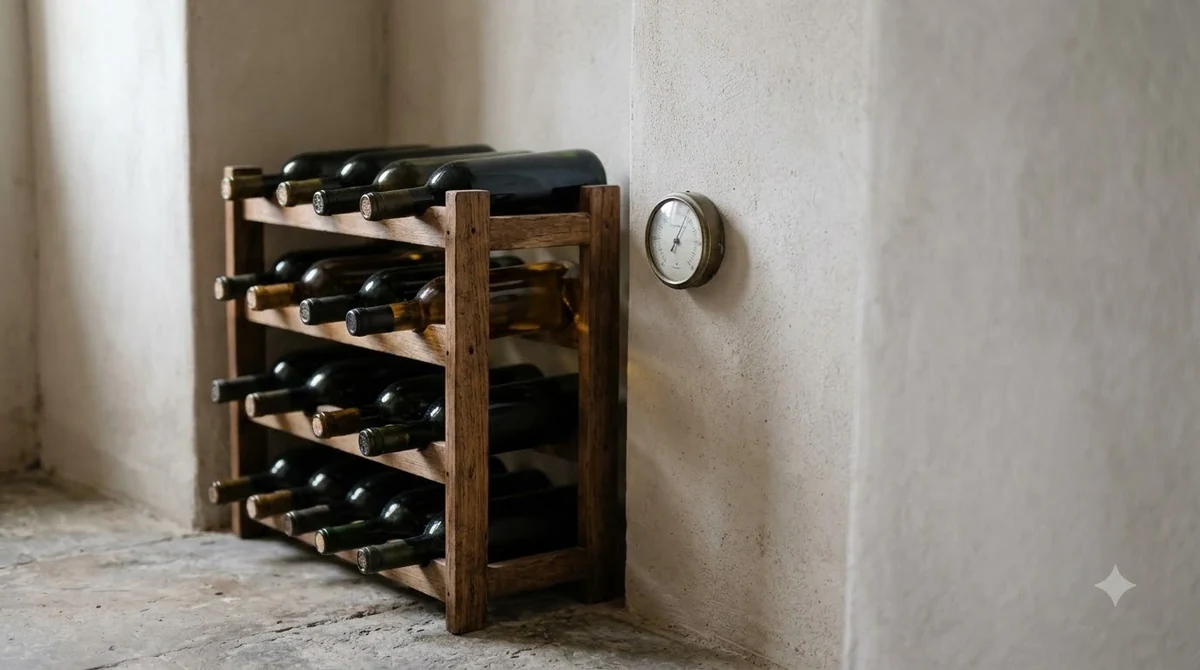
Keep unopened bottles in a cool, dark place away from direct sunlight, radiators, and kitchen appliances that produce heat. A storage temperature near 55°F is a useful target for wine, although a short-term household storage arrangement does not need to be a professional wine cellar.
If a bottle uses a traditional cork, horizontal storage helps keep the cork from drying out during longer storage. Screw-cap and other sealed bottles do not require the same orientation for cork maintenance.
Winking Owl is generally best approached as a wine for relatively early consumption rather than long-term cellaring. Its straightforward fruit character is intended for everyday enjoyment, not extended aging.
Chill and serve according to style
Serving temperature can significantly affect perceived sweetness, acidity, alcohol, and aroma. The following ranges provide useful starting points for the main Winking Owl categories.
- Sauvignon Blanc and Pinot Grigio: 45–50°F.
- Chardonnay: 50–55°F.
- Cabernet Sauvignon and Merlot: 60–65°F.
- Shiraz: 60–65°F.
- Sweet Red and Moscato: approximately 43–50°F for a refreshing chilled presentation.
- White Zinfandel: approximately 45–50°F.
A refrigerator is sufficient for preparing most bottles. The goal is to avoid serving whites excessively cold and reds excessively warm, rather than achieving an exact temperature with laboratory precision.
Preserve opened wine
Once opened, wine begins reacting with oxygen. This gradually changes its aroma and flavor, and excessive exposure can make it taste flat, stale, or vinegary.
Replace the original closure or use an appropriate wine stopper, then refrigerate opened bottles. As general guidelines, sparkling wine usually lasts approximately one to three days, still wine around three to five days, and fortified wine several weeks after opening, depending on storage conditions and the wine’s characteristics.
For Winking Owl’s still wines, refrigeration and a good seal are practical ways to preserve an unfinished bottle. Allow refrigerated red wine to warm slightly before serving again.
Use boxed wine sensibly
AldiThings documents Winking Owl boxed options in 3-liter formats. A 3-liter package contains the equivalent of four standard 750 ml bottles, making it useful when several people regularly drink the same style.
The bag-in-box system limits the amount of oxygen entering the wine as it is dispensed. Properly stored boxed wine can remain usable for approximately four to six weeks after opening, although the manufacturer’s specific storage recommendations should take priority.
For more information about the wider range, including varieties and available formats, visit our Wine Brands resource.
For additional tasting perspectives beyond the Winking Owl range, Sporked’s ranking of Aldi wines offers another comparison of the brand’s familiar varieties and flavor profiles.
Frequently Asked Questions
Is Winking Owl wine made with real grapes?
Yes. Winking Owl is sold as a conventional grape wine range, rather than a grape-flavored malt beverage. Its named varieties include familiar wine grapes such as Cabernet Sauvignon, Merlot, Chardonnay, and Pinot Grigio. Some selections, including Pinot Grigio/Colombard, combine more than one grape variety.
Is Winking Owl wine suitable for cooking?
Dry varieties such as Cabernet Sauvignon and Merlot can be used in beef stews, tomato sauces, and marinades. Sauvignon Blanc can work in seafood sauces and dishes with citrus or herbs. Avoid using strongly sweet Moscato or Sweet Red in savory recipes unless the recipe specifically calls for a sweet wine component.
Does Winking Owl wine contain sulfites?
Wine commonly contains sulfites, which can occur naturally during fermentation and may also be added during winemaking to help protect freshness. The exact sulfite concentration of an individual Winking Owl bottling should not be assumed from its grape variety or alcohol percentage. Bottles subject to US sulfite-labeling requirements carry the applicable declaration when they contain at least 10 parts per million.
Can Winking Owl wine be used to make sangria?
Yes. A straightforward red wine can provide a base for homemade sangria with sliced oranges, berries, and citrus. Winking Owl’s own Sangria selection can also be served with fresh fruit and ice. If using a particularly sweet base, reduce additional sweeteners and add fresh citrus to introduce balancing acidity.
How many glasses are in a standard Winking Owl bottle?
A standard 750 ml wine bottle provides approximately five traditional 5-ounce servings. A 3-liter boxed format contains approximately 20 equivalent servings at the same pour size. Actual servings depend on how generously the wine is poured and the glassware being used.
Winking Owl is a reasonable option for people who want simple, approachable wine for everyday occasions, provided they choose a variety that matches their preferences. Pinot Grigio/Colombard and Sauvignon Blanc are appealing white selections, while Cabernet Sauvignon and Shiraz are sensible starting points for red-wine drinkers. The range is not intended to compete with premium bottles on complexity, but its variety makes it worth considering for casual wine drinking.
The best approach is to start with the sweetness level and wine style you already enjoy, then experiment with another variety when you want something different. That way, the bottle you choose is more likely to suit both your palate and the meal.
More in Wine Brands
 Underwood Wine Price: Compare Bottles, Cans, and Pack SizesUpdated Nov 21, 2026
 Zenato Wine Price: Compare Styles and Choose the Right BottleUpdated Nov 21, 2026
 Zuccardi Wine Price: Compare Bottles and Find the Right RangeUpdated Nov 21, 2026
 Yellow Tail Moscato Review: Taste, Sweetness and Serving TipsUpdated Nov 21, 2026
 Wolf Blass Yellow Label Review: Choose Your Best StyleUpdated Nov 21, 2026
 Wolffer Estate Rose Review: Choose the Right Bottle for Your TableUpdated Nov 21, 2026