

We may earn a commission when you buy through links on this page, at no extra cost to you. Learn more.
If you are wondering is tawny port sweet or dry, the clear answer is that tawny port is a distinctly sweet fortified wine. While barrel aging adds nutty, savory complexity that makes it feel less syrupy than ruby styles, winemakers stop fermentation early with grape spirit so substantial natural grape sugar remains. Most tawny ports land between 19% and 20% ABV and sit comfortably in the sweet category, typically carrying around 90 to 130 grams per liter of residual sugar.
That balance between rich sweetness and oxidative, wood-aged character is exactly what confuses first-time drinkers. Unlike a dry table red that ferments until almost no sugar is left, every authentic tawny port from Portugal’s Douro Valley retains significant unfermented grape sugar while gaining roasted nut, dried fig, and caramel notes from years spent in small oak casks.
What Tawny Port Is and Why It Tastes Sweet
Tawny port is a barrel-aged red fortified wine produced exclusively in Portugal’s demarcated Douro Valley, regulated by the Instituto dos Vinhos do Douro e Porto (IVDP). Because winemakers halt fermentation partway through by adding neutral grape brandy, the yeast dies off before consuming the natural sugars in the grape must, locking in lasting sweetness alongside elevated alcohol.
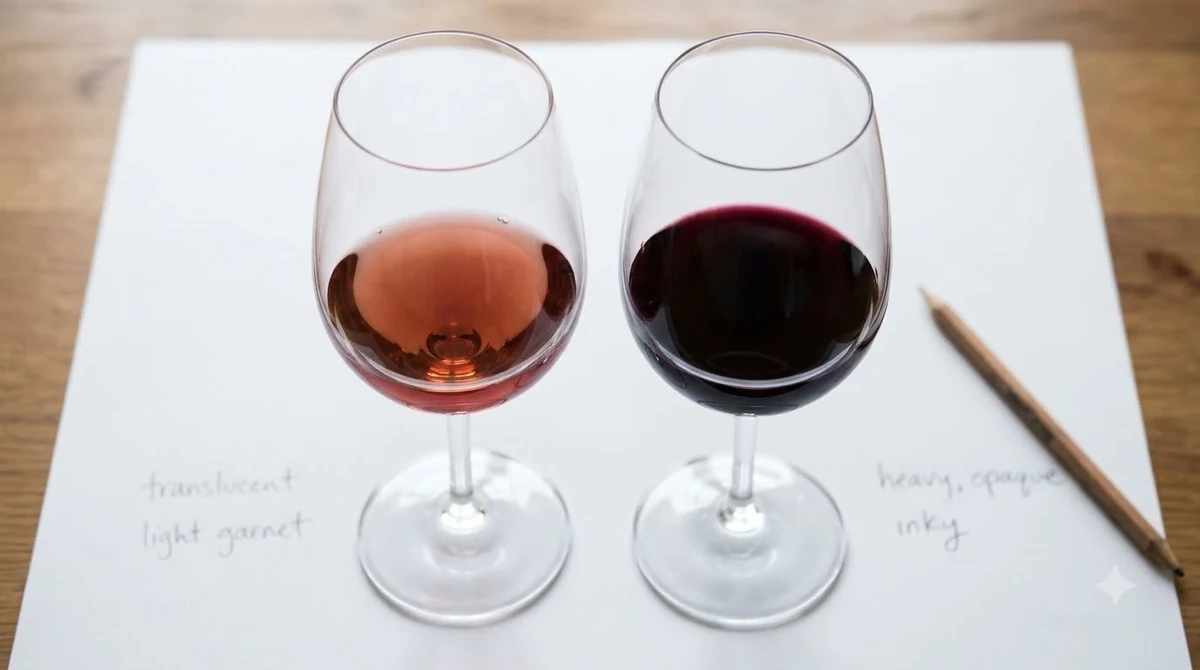
To understand the broader category of port wine sweetness, it helps to look at the exact moment fortification occurs. In standard dry red winemaking, yeast converts virtually all grape sugar into alcohol and carbon dioxide. During port production, cellar masters monitor sugar levels closely and add grape spirit—often at a ratio of roughly one part spirit to four parts fermenting must—when the wine still holds high natural sweetness. The sudden jump in alcohol arrests fermentation immediately, leaving behind a velvety, sweet wine stabilized at 19% to 22% ABV.
What sets tawny port apart from younger, purple-hued styles is what happens after fortification. Rather than aging in massive vats or bottles that shield the wine from oxygen, tawny port matures in seasoned wooden casks holding roughly 550 to 600 liters, known as pipes. Over years or decades, slow evaporation concentrates the wine while gentle oxygen exposure turns its deep ruby pigment into amber-gold and mahogany. That slow oxidation creates flavors of toasted walnuts, bitter orange peel, and brown butter that balance the sugar on the palate, making the wine taste more nuanced and less cloying than its sugar level alone would suggest.
Tawny Port Styles and Sweetness Levels
All tawny ports are sweet, yet the perception of sweetness shifts noticeably across age tiers as wood concentration, acidity, and oxidative aromatics evolve. Younger bottlings taste overtly fruity and sugary, while older age-designated blends integrate their sweetness into layers of spice, dried fruit, and roasted nuts.
| Tawny Port Style | Aging Requirement | Typical ABV | Sweetness Profile | Key Flavor Notes |
|---|---|---|---|---|
| Basic Tawny | Average of 3 years in oak casks | 18%–20% | Sweet, bright, fruit-forward | Red cherry, plum, light caramel, gentle spice |
| Tawny Reserve | Average of 5 to 7 years in wood | 19%–20% | Sweet, rounded, medium-bodied | Candied fig, toasted almond, vanilla, dried berry |
| 10 Year Old Tawny | Blend averaging 10 years in cask | 19.5%–20% | Sweet, balanced, lively acidity | Hazelnut, dried apricot, cinnamon, butterscotch |
| 20 Year Old Tawny | Blend averaging 20 years in cask | 19.5%–20% | Richly sweet with savory grip | Walnut, orange marmalade, praline, espresso |
| 30 & 40 Year Old Tawny | Blends averaging 30 or 40+ years | 20%–20.5% | Intensely concentrated, complex | Molasses, clove, roasted coffee, burnished leather |
| Colheita | Single harvest, minimum 7 years in wood | 19.5%–20% | Sweet, vintage-specific depth | Toffee, spiced pear, roasted nuts, cocoa |
As Wine Folly’s guide to tawny port styles notes, moving up from a basic three-year tawny to an age-indicated bottle changes the drinking experience dramatically. A basic tawny spends a relatively short period in oak with frequent rackings to encourage early browning, leaving plenty of youthful red berry character upfront. At the 10-year mark, fresh fruit gives way to baked orchard fruit, warm baking spices, and toasted nuts, creating a cleaner, brisker finish even though the actual residual sugar remains high.
By the time a blend reaches 20, 30, or over 40 years of average cask age, evaporation has concentrated both the sugar and the natural grape acidity. In a 30-year-old bottling, residual sugar can climb toward the top of the sweet spectrum, yet sharp citrus-peel acidity and a faint saline edge keep the finish crisp rather than heavy. Single-harvest Colheita bottles follow the same oxidative path, spending at least seven years in wood—and often several decades—before bottling, offering a snapshot of one specific growing season.
Tawny Port vs. Ruby Port and Other Sweet Wines
Compared to ruby port, tawny port shares the same baseline sweetness range, but oak aging transforms its texture and flavor away from jammy fresh berries toward caramel and toasted nuts. If you are deciding between styles, exploring ruby port sweetness shows how two wines with similar sugar numbers can taste completely different in the glass.

Ruby port is aged in large vats or stainless steel tanks designed to prevent oxygen contact, preserving deep purple color and vibrant flavors of blackberry, raspberry, and dark chocolate. Because nothing softens its primary fruit or tannic grip, ruby port hits the palate with bold, straightforward sweetness. Tawny port, aged in smaller permeable casks, trades that primary berry punch for oxidative complexity, resulting in a lighter, silkier body that many dry-wine drinkers find far more approachable.
The contrast is even sharper when stacking tawny port against lighter sweet wines or truly dry fortified wines. Compared with Moscato sweetness—where low alcohol around 5% to 7% ABV and gentle spritz highlight floral peach and mandarin notes—tawny port delivers roughly triple the alcohol and a dense, warming finish. Meanwhile, if you are specifically hunting for a dry fortified wine, Fino or Manzanilla Sherry ferments completely dry before aging under a layer of yeast called flor, offering salty, almond-driven crispness with virtually zero residual sugar—the polar opposite of tawny port.
Where Tawny Port Comes From
Authentic tawny port comes solely from the steep, terraced vineyards of Portugal’s Douro Valley, one of the oldest demarcated wine regions in the world. Extreme summer heat, rocky schist soils, and indigenous grape varieties produce concentrated musts capable of standing up to fortification and decades of cask maturation.
Over fifty native grape varieties are legally permitted in port production, though five red grapes form the backbone of most top blends: Touriga Nacional, Touriga Franca, Tinta Roriz (known in Spain as Tempranillo), Tinta Barroca, and Tinto Cão. Touriga Nacional brings structured aromatics and dark fruit density, while Touriga Franca contributes floral lift and spice. Grown on steep riverside terraces carved into mineral-rich schist slopes, the vines struggle for water, yielding small berries packed with sugar, color, and natural acidity.
Historically, newly fortified wines traveled down the Douro River to the Atlantic coastal town of Vila Nova de Gaia, directly across from Porto. There, cooler maritime temperatures and higher humidity allowed casks to age slowly without excessive alcohol spikes or harsh oxidation. Today, producers mature tawny ports both in traditional lodges in Vila Nova de Gaia and in temperature-controlled cellars up in the Douro Valley itself, with every age-designated blend evaluated by an IVDP tasting panel before release.
How to Serve and Store Tawny Port
Tawny port tastes best served slightly chilled between 50°F and 57°F (10°C to 14°C) in a small tulip-shaped port glass, which keeps the alcohol balanced and highlights the wine’s nutty aromatics. Because the wine has already spent years exposed to oxygen in oak barrels, it requires no decanting and stays fresh far longer after opening than standard table wine.
Tip: Put your bottle of tawny port in the refrigerator for 30 to 45 minutes before pouring—serving it at warm room temperature dulls its acidity and makes the alcohol and sugar feel heavy.
Pouring size matters just as much as temperature. Because tawny port sits around 20% ABV, a standard serving is roughly 3 ounces (about 85 to 90 milliliters), which is about half the volume of a typical table wine pour. A smaller tulip-shaped glass narrows toward the rim, concentrating aromas of roasted hazelnut, dried fig, and orange zest while preventing the spirit warmth from overwhelming your nose. Unlike Vintage Port, which throws heavy sediment in the bottle and must be decanted carefully, tawny port is filtered and stabilized before bottling, so you can pull the cork and pour straight away.
Once opened, tawny port is remarkably forgiving. According to official storage guidance from the IVDP, a basic Tawny or Tawny Reserve keeps its fresh flavor for three to four weeks after opening when re-corked and stored in a cool, dark spot or the refrigerator. Age-indicated 10, 20, 30, and 40 Year Old tawnies, along with Colheita bottlings, hold up even longer—retaining their character for one to four months after opening because their flavor profile is already built on controlled oxidation.
Best Food Pairings for Tawny Port
Tawny port pairs effortlessly with salty aged cheeses, roasted nuts, caramel desserts, and rich savory starters because its sugar, acidity, and toasted oak notes bridge both sweet and savory flavors. If you are building a tasting menu across different wine types, tawny port occupies the versatile sweet-and-nutty slot at either end of a meal.
Cheese boards are the most reliable match. Hard, crystalline aged cheeses like Parmigiano-Reggiano, aged Gouda, and Manchego mirror the wine’s nutty caramel character, while pungent blue cheeses like Stilton or Gorgonzola create a classic sweet-and-salty contrast. Adding toasted walnuts, marcona almonds, or dried figs to the board echoes the exact compounds created during cask aging.
For dessert, match the intensity of the dish to the age of the bottle. Younger tawny and 10-year-old styles shine alongside fruit tarts, pecan pie, crème brûlée, and milk chocolate desserts, where the wine’s acidity cuts through butter and cream. Older 20- and 30-year-old tawnies have enough concentration to stand up to dark chocolate truffles, espresso-infused pastries, or simply a small dish of salted roasted almonds on their own after dinner. In Europe, chilled 10-year-old tawny is also poured before dinner alongside duck rillettes, foie gras, or cured Iberian ham.
Frequently Asked Questions
Is tawny port sweeter than ruby port?
Both tawny port and ruby port share nearly identical residual sugar levels, generally ranging from 90 to 130 grams per liter. However, ruby port often tastes sweeter and heavier because its primary dark-berry fruit is untouched by oak, whereas tawny port’s extended barrel aging introduces nutty, roasted, and citrus-peel notes that balance the sugar.
Is there any dry tawny port?
No, traditional tawny port is always produced as a sweet wine because fermentation is halted early with grape spirit. If you want a dry Portuguese fortified wine from the Douro Valley, look for Extra Dry or Dry White Port, which ferments further before fortification and is often served chilled with tonic water.
Should tawny port be refrigerated after opening?
Yes, storing an opened bottle of tawny port in the refrigerator slows down any further oxidation and keeps it at an ideal serving temperature. Re-corked tightly in a cool place or fridge, a basic tawny stays fresh for three to four weeks, while 10- to 40-year-old tawnies hold up well for one to four months.
What does tawny port taste like if you normally drink dry wine?
Even if you usually prefer dry red or white table wines, aged tawny port rarely feels cloying because years in small oak casks build savory flavors of toasted walnuts, dried orange peel, and warm spice. Serving it slightly chilled at 50°F to 57°F keeps the acidity crisp and makes it an approachable after-dinner sipper.
Tawny port sits firmly in the sweet camp, yet its long maturation in seasoned oak casks transforms raw grape sugar into a layered, nutty, and remarkably balanced wine. Whether you pour a chilled glass of 10-year-old tawny alongside aged Gouda or sip a 20-year-old blend after dinner, understanding its sweetness and oxidative style makes choosing the right bottle straightforward.
More in Wine Types & Grapes
 What Does Ruby Port Taste Like? Flavor Notes, Styles, and Serving TipsUpdated Nov 21, 2026
 What Does Ribolla Gialla Taste Like? Crisp White and Amber Styles ExplainedUpdated Nov 21, 2026
 What Does Semillon Taste Like? Flavor Profile, Styles & PairingsUpdated Nov 21, 2026
 What Does Scuppernong Taste Like? Flavor, Styles, and Pairing GuideUpdated Nov 21, 2026
 What Does Saperavi Taste Like? Flavors, Styles, and Pairing GuideUpdated Nov 21, 2026
 What Does Natural Wine Taste Like? Flavors, Styles, and Serving TipsUpdated Nov 21, 2026