

We may earn a commission when you buy through links on this page, at no extra cost to you. Learn more.
The question “is syrah sweet or dry” has a clear answer: Syrah is usually a dry red wine, with most of the grape sugar fermented into alcohol. Ripe blackberry, blueberry, plum, and vanilla flavors can seem sweet, but fruit character is not the same as residual sugar. A fuller, warmer-climate Shiraz can feel plush and rich while still finishing dry. A few bottlings retain a small amount of residual sugar, but that is not the norm.
Syrah is a dark-skinned red grape associated with France’s northern Rhône Valley and grown in wine regions around the world. The same grape is widely known as Shiraz in Australia, where warmer conditions often produce a riper, more fruit-forward expression. Understanding the difference between sweetness, fruit flavor, and body makes it easier to choose a bottle that suits your palate.
Syrah Is Usually Dry, Even When Its Fruit Tastes Ripe
Syrah is generally fermented until little sugar remains, so the finished wine tastes dry rather than sugary. Its dark-fruit aromas and full-bodied texture can create an impression of sweetness, but those sensations do not mean the wine contains much residual sugar.
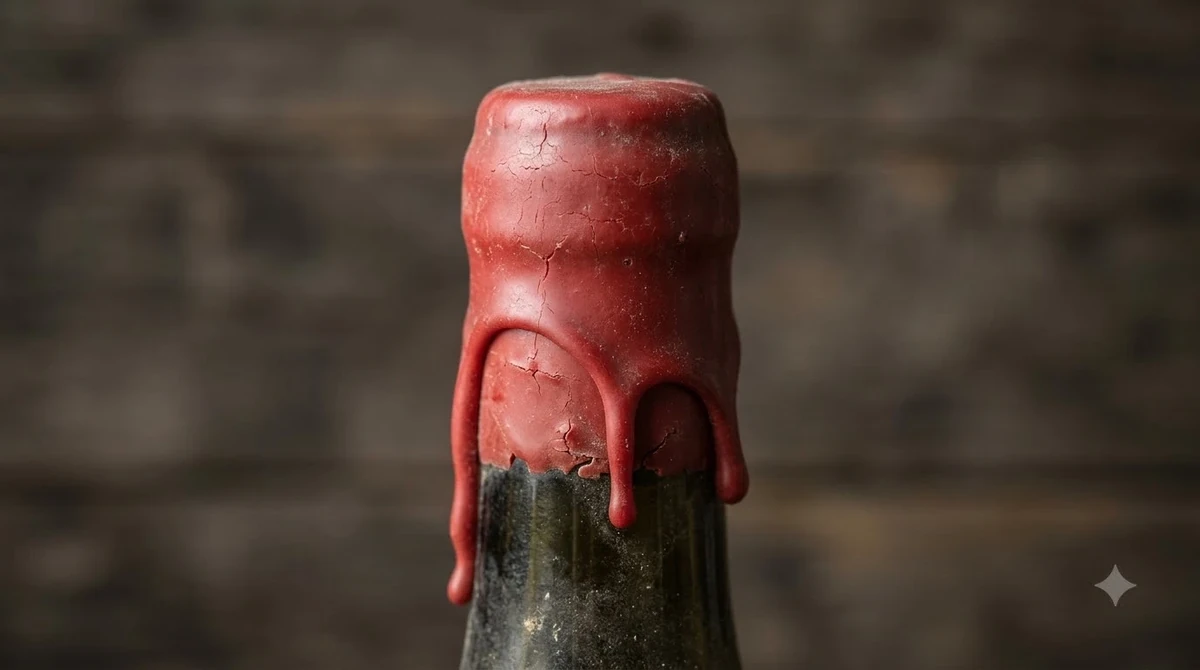
During fermentation, yeast converts grape sugar into alcohol and carbon dioxide. If fermentation stops early, or leaves a small amount unfermented, the finished wine retains residual sugar (RS). A typical dry Syrah has little enough RS that it does not taste noticeably sweet, even if testing detects a few grams per liter.
“Fruity” is not another word for “sweet.” Blackberry, blueberry, black cherry, plum, and raspberry are aromas and flavors that can remain vivid after fermentation. Warm growing conditions and oak aging can emphasize ripe-fruit character, but sweetness is the taste of sugar remaining in the wine.
Wine Enthusiast’s Syrah and Shiraz overview describes both as usually dry, while noting that some entry-level Shiraz may retain a touch of residual sugar. A few grams per liter can soften the impression of a wine without making it taste like a sweet red. For a useful comparison, a sweet Moscato is made in a noticeably sweeter style; the guide to is moscato sweet or dry explains why that wine gives a very different impression in the glass.
Blackberry, Pepper, and Oak Shape Syrah’s Flavor
Syrah’s usual profile combines dark fruit with savory and spicy notes, while firm tannin gives the wine structure. The balance varies by vineyard and cellar choices, but black pepper, blackberry, violet, smoke, and herbs are useful clues when describing a classic example.
Expect the aroma to move beyond simple fruit. A glass may suggest black cherry, blueberry, plum skin, cracked pepper, dried herbs, olive, smoked meat, or violets. Some wines show a fresher, more restrained set of aromas; others lean toward dense, ripe fruit. In wines matured in oak, vanilla, toast, clove, and baking spice may join the mix. Oak can add flavor and a rounder impression, but vanilla-scented oak does not mean the winemaker has sweetened the wine.
Texture can also make Syrah seem sweet. Its medium-plus to high tannin, full body, and alcohol give it a broad, warming feel. Tannin dries the gums; alcohol adds weight. Ripe fruit may seem sweet at first, even when the finish is dry and peppery.
Age changes flavor without necessarily changing dryness. Young Syrah may emphasize blackberry, blueberry, black pepper, and herbs; with time, leather, earth, truffle, tobacco, or dried spice can become more apparent. Inter Rhône describes violet as a characteristic aroma that can evolve toward leather and licorice. These are aromatic changes, not signs that the wine has gained sugar.
Syrah and Shiraz Show Different Regional Styles
Syrah and Shiraz are names for the same grape, not two separate varieties. The name on the bottle often hints at regional tradition and style: cooler-climate wines are frequently labeled Syrah, while Australian examples from warmer areas are commonly labeled Shiraz.
In France’s northern Rhône, appellations such as Hermitage, Côte-Rôtie, Cornas, and Saint-Joseph are closely associated with Syrah. These wines can emphasize pepper, violet, savory herbs, freshness, and firm structure. They are often less overtly jammy than warm-climate Shiraz, though the exact character depends on the producer, site, vintage, and winemaking. Inter Rhône identifies Syrah as a signature red grape of the northern Rhône and lists its regional wine styles as dry reds and rosés.
Australia offers a broad range of Shiraz expressions. Barossa Valley examples often have a full body and concentrated blackberry, pepper, and spice. McLaren Vale is known for richer blueberry and chocolate notes, while Hunter Valley Shiraz is typically more medium-bodied, with red-fruit and savory character. Wine Australia’s Shiraz profile notes that climate, region, and winemaking choices influence body and flavor, and that the variety grows across moderate, cool, and warm Australian regions. The naming distinction is not an inflexible rule: Wine Enthusiast points to Sonoma Coast in California and Yarra Valley in Australia as cooler-climate areas where producers use Syrah for leaner, more savory expressions. In South Australia, Barossa, McLaren Vale, and Adelaide Hills are among the regions where the Shiraz name is common. The name is a useful starting clue, but region and producer provide more context.
Blends add another layer. Syrah or Shiraz may join Grenache and Mourvèdre in a GSM blend; Australian Shiraz is also blended with Cabernet Sauvignon, and some producers co-ferment a little Viognier with Shiraz. These blends can be dry while tasting rounder or more floral than a single-variety wine.
How to Choose a Bottle by Region and Style
Choose Syrah when you want a dry red with savory detail, pepper, and firm structure; choose a warmer-climate Shiraz when you prefer riper dark fruit and a broader feel. Neither name guarantees a specific level of sweetness, so use the region, alcohol level, producer description, and style cues together.
For a more restrained profile, look for Syrah from the northern Rhône, Sonoma Coast, or Yarra Valley. Northern Rhône labels such as Crozes-Hermitage and Saint-Joseph can be useful starting points, while Hermitage and Côte-Rôtie are better-known appellation names. These places do not produce identical wines, but they offer a clear regional context for Syrah’s savory, peppery side. A description that mentions fresh acidity, herbs, pepper, or restrained oak may also point toward a less opulent style.
For richer fruit, consider Shiraz from Barossa Valley or McLaren Vale. Barossa is associated with concentrated blackberry, pepper, spice, and a full-bodied texture. McLaren Vale often shows blueberry and chocolate notes, while Eden Valley can bring blackberry, sage, and pepper in a medium-to-full-bodied style. These are regional tendencies rather than guarantees; vineyard elevation, harvest conditions, blending, extraction, and oak use all influence the final wine.
Alcohol offers a clue about ripeness and weight, not sweetness: a higher-alcohol wine may feel warmer and fuller but can still be dry. Wine Enthusiast gives broad ABV ranges of 13% to 14.5% for Syrah and 14% to 15.5% for warmer-climate Shiraz. “Jammy,” “plush,” “ripe,” and “chocolatey” usually describe flavor or texture, not a guaranteed sugar level; “off-dry” or “softly sweet” speaks more directly to sweetness. A producer’s technical description or a retailer can clarify whether a bottle has noticeable RS. Tasting a northern Rhône Syrah beside a Barossa Shiraz is a practical way to hear how climate and winemaking shape the same grape.
| Measure | Typical range | What it suggests | Sweetness |
|---|---|---|---|
| Cooler-climate Syrah ABV | 13–14.5% ABV | Peppery, savory, often leaner | Usually dry |
| Warmer-climate Shiraz ABV | 14–15.5% ABV | Riper dark fruit, broader body | Usually dry; some retain a little RS |
| Serving temperature | 60–65°F | Slightly cool red-wine service | Not applicable |
Serve Syrah at 60–65°F for Balance
Syrah is best served slightly cool, around 60–65°F, rather than warm room temperature. A modest chill helps keep alcohol from seeming hot and lets the wine’s fruit, pepper, and savory aromas remain distinct.
For a bottle stored at a typical room temperature, place it in the refrigerator for about 15 minutes before serving. If it has been stored in a cool cellar, it may already be close to the right range. Very cold Syrah can seem hard and closed, with muted aromas and more prominent tannin. Very warm Syrah can make alcohol stand out and can blur the difference between ripe fruit and heat. Aim for the middle of the range, then let the wine warm gradually in the glass.
Use a generously sized red-wine glass so the aromas have room to collect. Pour a standard 5-ounce serving rather than filling the bowl to the rim; a 750-milliliter bottle contains about five such glasses. Give a young, full-bodied Syrah 30 to 60 minutes in a decanter if its tannins feel especially firm or its aromas seem closed. Decanting exposes the wine to oxygen and can help open the aromatics, although it will not make a dry wine sweeter or remove its tannin.
Store an unopened bottle on its side in a cool, dark place near 55°F, away from temperature swings and sunlight. After opening, recork it and refrigerate; most still wines are best within 3 to 5 days. Let the remaining Syrah move back toward serving temperature before pouring.
Tip: Chill a room-temperature Syrah for about 15 minutes, pour 5 ounces, and taste it again after 10 minutes in the glass. If the wine seems less hot and more aromatic as it warms slightly, you have found a comfortable serving range.
Pair Dry Syrah With Rich, Savory Food
Syrah’s firm tannin, dark fruit, pepper, and full body suit dishes with strong flavors and substantial texture. Grilled lamb, beef, sausages, and slow-cooked stews are natural matches because their savory richness can meet the wine’s structure.
Roast lamb with rosemary, grilled steak with black pepper, beef short ribs, smoked brisket, and sausages with caramelized onions all work well. The wine’s pepper and herbal notes echo seasonings such as rosemary, thyme, oregano, and cracked black pepper. A braise with mushrooms or a lentil stew can also make a good match, especially with a more restrained Syrah from the northern Rhône. For a bolder Barossa Shiraz, choose food with enough flavor to stand alongside its ripe fruit and higher alcohol.
Think about tannin and fat when building the plate. Fatty or protein-rich food softens tannin, while salt can make a red seem less harsh. Aged cheddar, Manchego, and charcuterie are useful matches. Highly tannic Syrah can clash with delicate oily fish such as salmon or tuna, so choose a lighter red or crisp white for that meal.
Acidity and spice deserve attention too. With strongly acidic dishes such as tomato-heavy pasta, choose a wine with enough acidity to avoid a flat taste; a sharp vinegar dressing may overwhelm Syrah. Chili heat is amplified by alcohol and tannin, so high-alcohol Shiraz with a heavily spiced curry can feel hotter than expected. For a simple meal, match pepper-crusted steak with savory Syrah or Barossa Shiraz with grilled lamb and roasted potatoes. Rosé made from Syrah is another option for lighter food; the guide to is rose sweet or dry explains how rosé sweetness can vary. For sparkling wine with salty snacks, see is brut champagne sweet or dry.
Frequently Asked Questions
These quick answers cover common points that can be confusing when choosing a bottle. They also clarify how Syrah’s grape identity, color, and production choices relate to the finished wine.
Is Syrah the same grape as Petite Sirah?
No. Syrah and Petite Sirah are different grape varieties, despite the similar names. Petite Sirah is commonly associated with the Durif variety, which has a separate identity from Syrah.
Can Syrah be made into rosé wine?
Yes. Syrah can be used to make rosé as well as red wine, and Inter Rhône lists both dry red and rosé styles for the variety. Rosé color is influenced by how long the juice stays in contact with the grape skins.
Is every red wine from the northern Rhône made from Syrah?
No. The northern Rhône includes white-wine appellations based on grapes such as Viognier, Marsanne, and Roussanne. For example, Condrieu is associated with Viognier rather than Syrah.
Does Syrah always need decanting?
No. Decanting is optional and depends on the bottle’s age, structure, and how open it smells and tastes. A lighter, ready-to-drink Syrah may be enjoyable immediately, while a young, concentrated bottle may benefit from time in a decanter.
Can Syrah age for many years?
Some concentrated Syrah wines are made to develop over many years, especially structured examples from appellations such as Hermitage and Cornas. Aging potential depends on the producer, vintage, vineyard, and cellar conditions, so not every bottle is intended for long-term storage.
Syrah is best understood as a dry red with ripe fruit, firm tannin, and savory spice rather than as a sweet wine. Start with a regional style that fits your preference—northern Rhône for peppery restraint or Barossa for a richer Shiraz—and serve it slightly cool with food that can meet its structure. For more comparisons across grapes and styles, explore Wine by Type.
More in Wine Types & Grapes
 Zinfandel Sugar Content: Dry Red vs. White Zinfandel GramsUpdated Nov 21, 2026
 Best Zinfandel Substitute Options for Sipping and CookingUpdated Nov 21, 2026
 Zweigelt Food Pairing: Best Dishes, Cheeses, and Serving TipsUpdated Nov 21, 2026
 Zinfandel Tannins Explained: How Structure Shapes Every BottleUpdated Nov 21, 2026
 Zinfandel Sweetness Level: Dry Red vs. Sweet White Zin ExplainedUpdated Nov 21, 2026
 Xinomavro Food Pairing: Best Dishes, Styles, and Serving TipsUpdated Nov 21, 2026