
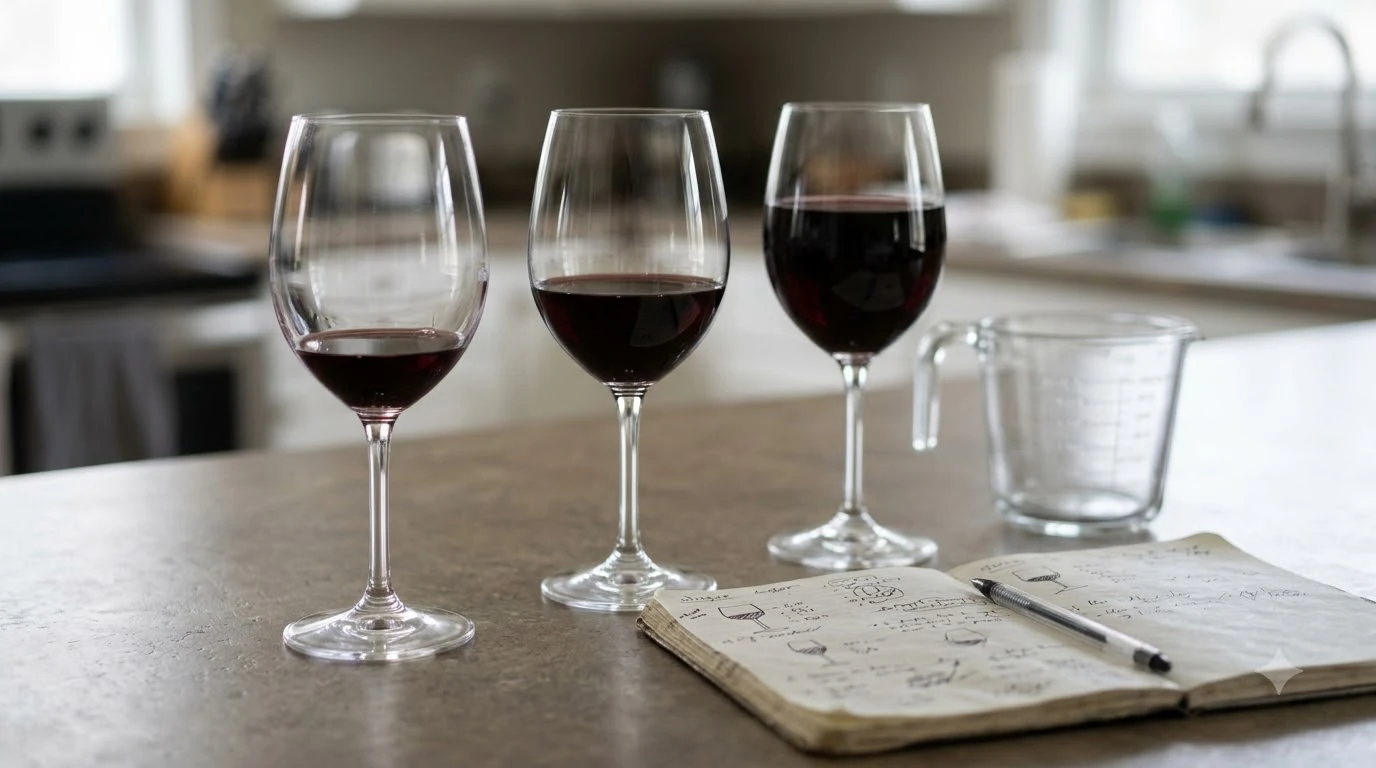

We may earn a commission when you buy through links on this page, at no extra cost to you. Learn more.
If you are wondering is rioja sweet or dry, the short answer is that Rioja is overwhelmingly a dry wine. Nearly all red, white, and rosé bottles produced under Spain’s DOCa Rioja appellation are fermented completely dry, leaving minimal residual sugar in the finished wine. While ripe fruit flavors and American oak aging can create a plush, rounded impression on the palate, the wine contains virtually no actual sweetness.
Understanding why a dry wine can occasionally feel smooth or faintly sweet comes down to how Rioja is grown, fermented, and aged. Across northern Spain, winemakers rely on native grape varieties, strict oak-aging rules, and distinct regional microclimates that shape everything from tannin grip to aromatic spice. Whether you are eyeing a youthful red or a bottle-aged Gran Reserva, knowing what drives Rioja’s flavor profile will help you pick the exact style you want.
What Rioja Is and How Sweetness Works
Rioja is Spain’s flagship wine region, located in the north-central part of the country along the Ebro River valley, and it produces predominantly dry wines across red, white, and rosé styles. When winemakers ferment grape juice into wine, yeast consumes the natural grape sugars and converts them into alcohol; in Rioja, fermentation almost always runs to completion, leaving the finished bottle firmly in the dry category.
In technical winemaking terms, still wines classified as dry contain very little unfermented residual sugar, typically sitting at just a couple of grams per liter or less. Because yeast converts nearly all available sugar during fermentation, standard red Rioja wines regularly reach alcohol levels between 13.5% and 15% ABV without any sugary syrupiness on the finish. Under European and Spanish labeling laws, if a rare off-dry or sweet style is ever bottled in the region, the back label must explicitly carry terms like semiseco (semi-dry), semidulce (semi-sweet), or dulce (sweet)—otherwise, you can safely assume the bottle is dry.
The confusion around whether Rioja tastes sweet usually stems from the difference between physical sugar and perceived fruitiness. Ripe Tempranillo grapes grown in warm, sunny vineyards develop lush aromas of black cherry, strawberry, and red plum that trick the brain into expecting sweetness. Add time in seasoned or new oak barrels, which impart sweet-smelling compounds like vanilla, coconut, and baking spice, and a bone-dry wine can register as remarkably plush and velvety on the mid-palate.
Tip: Check the back label for the Spanish word seco (dry) or the absence of sweetness descriptors; unless a Rioja bottle specifically says semiseco or dulce, it is a dry wine.
Flavor Profile and Styles of Rioja
Rioja spans four official aging tiers—Genérico, Crianza, Reserva, and Gran Reserva—plus white, rosé, and sparkling bottlings, all of which share a dry foundation while varying wildly in texture and oak influence. Rather than classifying wines strictly by grape variety on the front label, Rioja’s regulatory council categorizes bottles by how long they spend maturing in oak barrels and in the cellar before release.
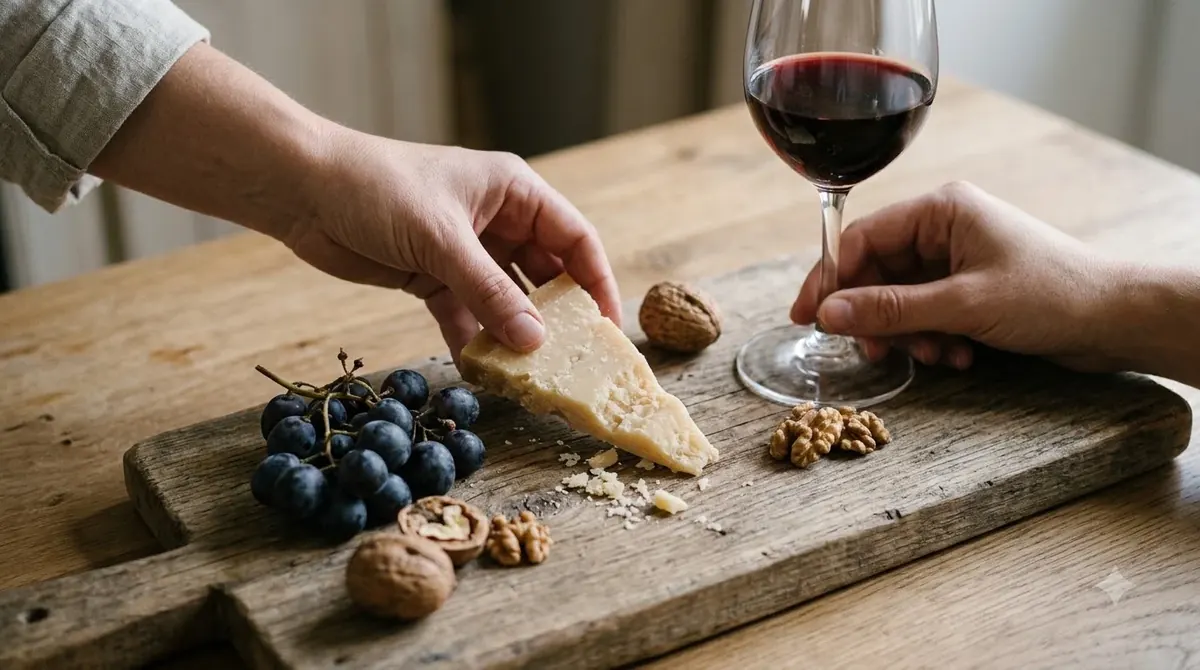
Red Rioja is anchored by Tempranillo, an indigenous Spanish grape known for savory, earthy aromatics, medium-to-full body, and structured tannins. According to Wine Folly’s Rioja red guide, primary tasting notes center on cherry, plum, dill, vanilla, and leather, backed by medium-high acidity and firm tannic grip. Producers often blend Tempranillo with smaller percentages of Garnacha (which adds juicy red fruit and body), Graciano (which brings dark color, floral lift, and crisp acidity), and Mazuelo (which contributes extra structure and spice).
Beyond classic reds, Rioja also makes dry white wines (Rioja Blanco) and dry rosés (Rioja Rosado). White Rioja is traditionally built around Viura (also known as Macabeo), sometimes blended with Malvasía or Garnacha Blanca, and ranges from crisp, citrus-driven stainless-steel versions to rich, nutty, oak-aged bottles with remarkable longevity. Rioja Rosado leans heavily on Garnacha to deliver bright strawberry, watermelon, and herbal notes, offering a crisp alternative if you already enjoy exploring whether rosé is sweet or dry across different European regions.
| Rioja Classification | Minimum Total Aging (Red) | Minimum Oak Aging (Red) | Sweetness Level | Core Flavor & Texture Profile |
|---|---|---|---|---|
| Genérico (Joven) | No minimum | None required | Dry | Bright red berries, floral lift, lively acidity, light-to-medium tannins |
| Crianza | 2 years | 1 year | Dry | Fresh cherry, plum, subtle vanilla, balanced oak, everyday structure |
| Reserva | 3 years | 1 year | Dry | Dried red fruit, baking spice, leather, integrated tannins, savory depth |
| Gran Reserva | 5 years | 2 years | Dry | Fig, dried cherry, cedar, tobacco, dusty earth, silky aged tannins |
Where Rioja Grows and How Terroir Shapes Taste
DOCa Rioja sits in northern Spain, sheltered from cold Atlantic winds by the Sierra Cantabria mountains, and divides into three distinct subzones that influence ripeness and perceived richness. Even though all three zones produce dry wines, shifts in elevation, soil composition, and rainfall create noticeable differences in how fruity or savory a glass tastes.
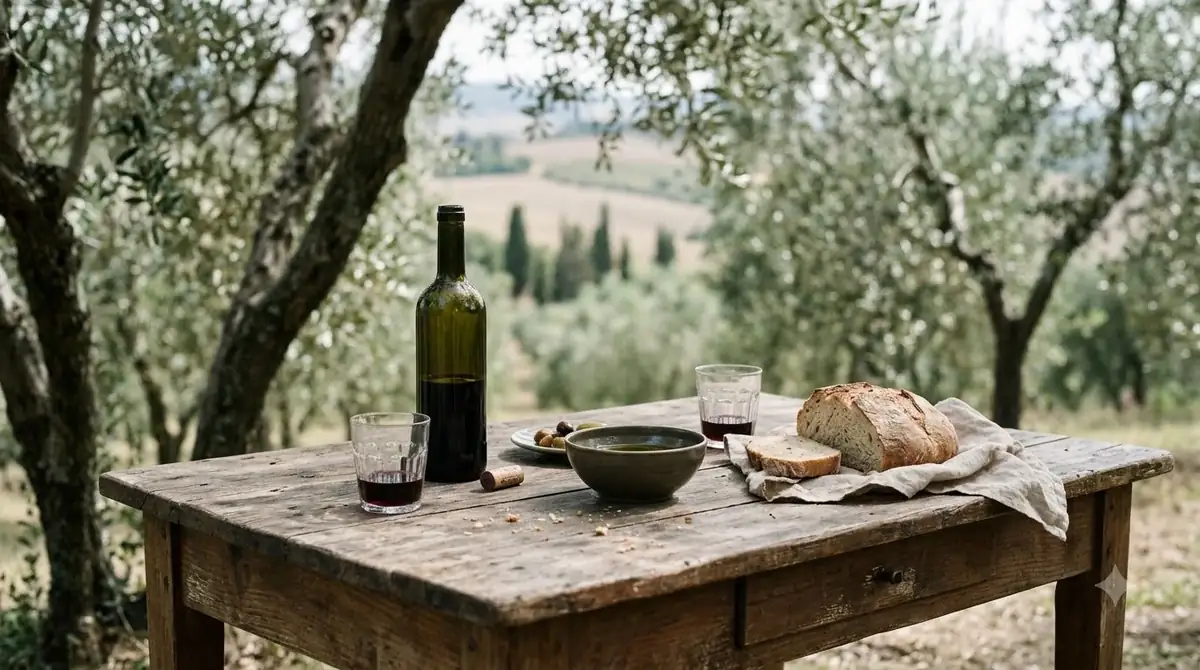
Rioja Alta occupies the western, higher-elevation portion of the appellation, where cooler temperatures and clay-limestone soils slow down grape ripening. Wines from Rioja Alta tend to display higher natural acidity, firmer tannins, and brighter red-fruit flavors that lean tart and savory rather than plush. Rioja Alavesa, located just across the river in the Basque Country, shares a similar cool climate and limestone-rich slopes, yielding aromatic, lively reds with medium body and vibrant structure.
Further southeast lies Rioja Oriental (formerly known as Rioja Baja), where the climate turns warmer and drier under Mediterranean influence. Grapes ripen more fully here, resulting in darker fruit flavors, fuller body, slightly softer acidity, and higher alcohol levels. As noted in VinePair’s overview of Rioja wine, producers frequently blend grapes from multiple subzones to balance Rioja Alta’s crisp acidity with Rioja Oriental’s ripe fruit weight, though single-zone and single-vineyard bottlings have become increasingly common.
How to Serve Rioja for the Best Balance
Serving Rioja at the proper temperature keeps its alcohol and oak notes in check so the wine tastes crisp and structured rather than warm or heavy. Because red Rioja often sits between 13.5% and 15% ABV, serving it too warm—such as in a heated dining room—amplifies the sensation of alcohol and makes the fruit taste overly jammy.
Younger, fruit-forward styles like Genérico and Crianza show best slightly chilled, around 57°F to 61°F (14°C to 16°C), which highlights their bright cherry acidity. More mature bottles like Reserva and Gran Reserva thrive between 61°F and 64°F (16°C to 18°C), a range cool enough to preserve delicate cedar, tobacco, and dried-flower aromatics. Placing a room-temperature bottle in the refrigerator for 20 to 30 minutes before pouring is an easy way to hit that sweet spot.
Decanting depends largely on the bottle’s age. Younger Crianza or recently released Reserva wines benefit from 30 to 60 minutes in a decanter to soften firm tannins and let tight aromatics open up. Older Gran Reserva vintages, especially those 15 years or older, have already softened in the cellar and only require a brief, gentle decant to separate the clear wine from natural bottle sediment before serving.
Food Pairings That Highlight Dry Rioja
Rioja’s combination of brisk acidity, savory oak spice, and firm tannins makes it one of the most food-friendly dry wines at the dinner table. In classic food-and-wine pairing, dry red wines with noticeable tannin and acid cut cleanly through rich fats and proteins, softening the wine’s grip while brightening the dish.
Roast lamb is the gold-standard pairing for aged Rioja, as the meat’s rich, savory fat balances the wine’s dusty tannins and earthy leather notes. Grilled pork chops, beef short ribs, and Spanish dishes seasoned with smoked paprika or chorizo also mirror Rioja’s smoky, spiced oak character without clashing. For a lighter spread, aged Manchego cheese, Ibérico ham, and roasted mushrooms play right into the nutty, umami-driven depth of a Reserva or Gran Reserva.
If you prefer white or rosé Rioja, treat them like crisp, dry gastronomic wines rather than sweet patio sippers. Oak-aged white Rioja pairs effortlessly with roast chicken, seared scallops, or creamy seafood pasta, while dry Rioja Rosado handles grilled vegetables, paella, and herb-marinated poultry with ease. If you are building a wider dinner menu and want to compare dry options across categories, browsing our guide to wine by type can help you match body and acidity to every course.
How to Choose the Right Bottle of Rioja
Picking a bottle of Rioja comes down to matching the aging tier and oak style to your personal palate, since sweetness level will almost never vary from dry. If you normally gravitate toward crisp, fruit-driven reds like Pinot Noir or Beaujolais, start with a Genérico or young Crianza, where vibrant strawberry and cherry flavors take center stage without heavy barrel influence.
If you enjoy fuller-bodied, structured reds like Cabernet Sauvignon or Merlot, look for a Reserva or Gran Reserva. Traditional producers age their wines in American oak barrels, which infuse the wine with pronounced vanilla, coconut, and sweet dill-like spice, whereas modern-leaning wineries often use French oak for subtler spice, darker fruit concentration, and toastier notes. Checking the back label for the official color-coded Rioja seal—green for Genérico, red for Crianza, burgundy for Reserva, and blue for Gran Reserva—gives you an instant snapshot of how much oak and cellar time the bottle received before hitting the shelf.
Frequently Asked Questions
Is red Rioja sweeter than Cabernet Sauvignon?
No, red Rioja and Cabernet Sauvignon are both fermented dry and contain negligible residual sugar. Rioja can sometimes feel rounder or softer on the mid-palate because American oak aging adds vanilla and coconut aromas, while ripe Tempranillo delivers plush red-fruit notes.
Are there any sweet wines made in Rioja?
While the overwhelming majority of Rioja is dry, a tiny fraction of producers make off-dry or sweet wines labeled as semiseco, semidulce, or dulce. These bottles are specialty releases and must clearly state their sweetness level on the label, unlike standard dry Rioja.
Does Gran Reserva Rioja taste sweeter because it is aged longer?
Extended aging does not add sugar to Gran Reserva Rioja, so the wine remains completely dry. However, five or more years of oak and bottle maturation softens harsh tannins and transforms tart fresh berries into mellow flavors of dried fig, vanilla, and sweet spice.
How does Rioja compare in sweetness to Moscato or Brut Champagne?
Rioja is much drier than Moscato, which retains high levels of unfermented grape sugar for a distinctly sweet finish—a contrast you can explore further in our breakdown of whether Moscato is sweet or dry. Compared to sparkling wine, standard Rioja has even less residual sugar than most Brut bottlings, which typically contain a small dosage of sugar as explained in our guide on whether Brut Champagne is sweet or dry.
Whether you open a lively young Crianza for a weeknight dinner or decant a silky Gran Reserva for a special roast, Rioja delivers pure, dry Old World character backed by vibrant acidity and savory complexity. Use the aging tier on the back label as your compass, serve the bottle slightly below room temperature, and enjoy one of Spain’s most reliable food wines.
More in Wine Types & Grapes
 Zinfandel Sugar Content: Dry Red vs. White Zinfandel GramsUpdated Nov 21, 2026
 Best Zinfandel Substitute Options for Sipping and CookingUpdated Nov 21, 2026
 Zweigelt Food Pairing: Best Dishes, Cheeses, and Serving TipsUpdated Nov 21, 2026
 Zinfandel Tannins Explained: How Structure Shapes Every BottleUpdated Nov 21, 2026
 Zinfandel Sweetness Level: Dry Red vs. Sweet White Zin ExplainedUpdated Nov 21, 2026
 Xinomavro Food Pairing: Best Dishes, Styles, and Serving TipsUpdated Nov 21, 2026