

We may earn a commission when you buy through links on this page, at no extra cost to you. Learn more.
If you are wondering is montepulciano sweet or dry, the answer is dry—almost every bottle of Montepulciano on the shelf is fermented fully dry with virtually zero residual sugar. While its lush flavors of ripe blackberry, black cherry, and red plum can give a fruity first impression, those notes come from ripe grape skins rather than actual sweetness. Balanced by medium-high acidity and soft-to-firm tannins, it finishes crisp, savory, and food-friendly.
Confusion around this popular Italian red usually comes down to two things: its generous, jam-like dark berry character and its name. Because ripe fruit tricks the palate into expecting sugar, first-time drinkers often assume a glass of Montepulciano d’Abruzzo carries residual sweetness. Understanding how the grape is fermented, how oak aging changes its texture, and how it differs from similarly named Tuscan bottles makes shopping for it much easier.
What It Is
Montepulciano is a dark-skinned red wine grape native to central Italy, most famous as the primary variety in Montepulciano d’Abruzzo. Despite the sweet-sounding richness of its ripe fruit aromas, winemakers ferment the grape juice completely dry, converting nearly all natural grape sugars into alcohol.
The biggest point of confusion on a wine list is separating the grape from the Tuscan hilltop town of the same name. A bottle labeled Montepulciano d’Abruzzo is made from at least 85 percent Montepulciano grapes grown along Italy’s Adriatic coast in Abruzzo. By contrast, Vino Nobile di Montepulciano or Rosso di Montepulciano comes from Tuscany and is made primarily from Sangiovese, named after the town rather than the grape variety.
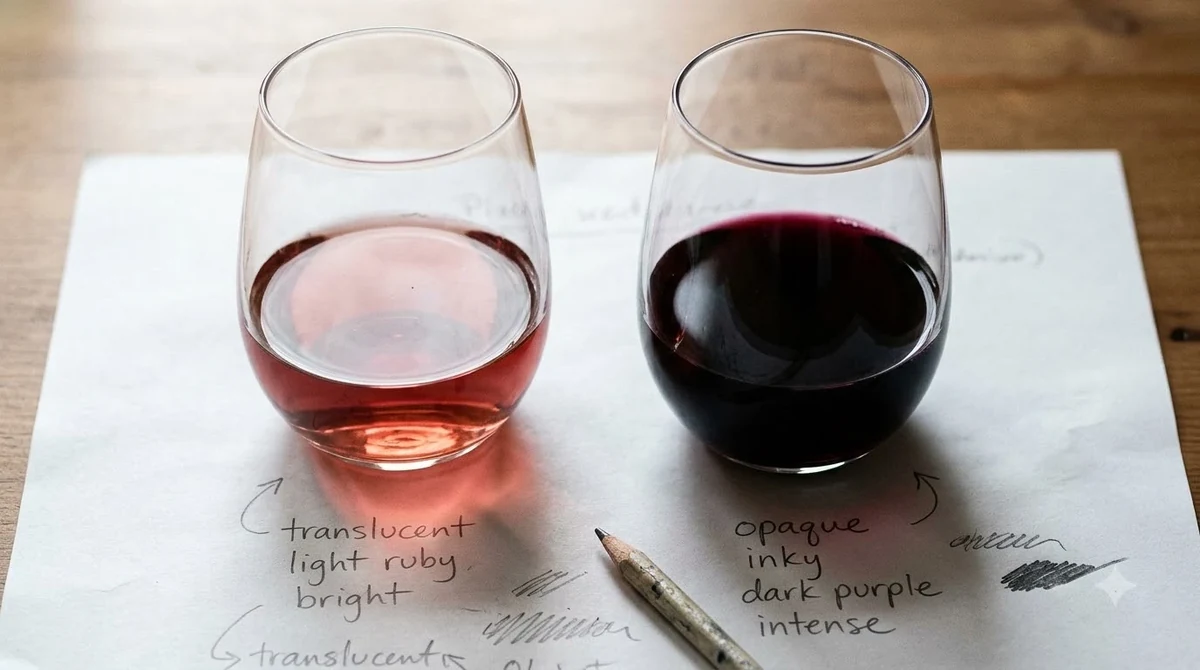
In the glass, true Montepulciano pours an inky, deep ruby-purple hue that looks much heavier than it actually feels. If you are exploring Wine by Type, Montepulciano sits comfortably in the medium-to-full-bodied dry red category. Unlike dessert reds or off-dry grocery-store blends, standard DOC regulations require dry fermentation, leaving the palate clean and refreshed rather than syrupy.
Flavor and Styles
Whether neutral-aged or matured in oak, Montepulciano expresses savory herbs, dark berries, and earthiness rather than sugary sweetness. Depending on how long the wine rests in the cellar and what kind of vessel the winemaker chooses, the bottle can shift from bright and juicy to dense and velvety.
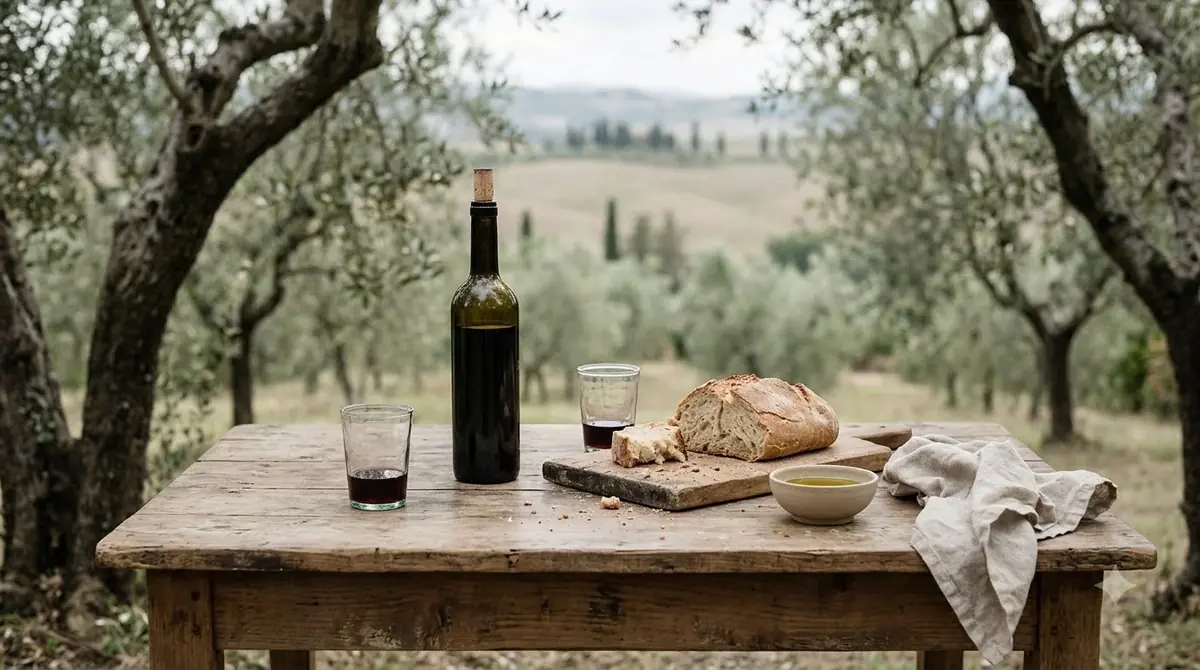
According to Wine Folly’s Montepulciano wine guide, Italian producers generally follow two distinct winemaking approaches. Unoaked or neutral-aged bottlings highlight vibrant red fruit flavors such as sour cherry, red plum, cranberry, and raspberry alongside subtle notes of violet, dried herbs, and an ash-like earthiness. Because these wines see little to no new wood, their acidity feels snappy and their tannins remain gentle and approachable right upon release.
Oak-aged versions—often labeled Riserva or sourced from top subzones like Colline Teramane DOCG—offer a much darker, richer profile. Extended barrel maturation adds layers of cocoa, vanilla, mocha, and baking spice over concentrated black fruit flavors like blackberry, boysenberry, and prune. These bottlings carry firmer, grippier tannins and typically sit near the upper end of the grape’s 12.5 percent to 14 percent ABV range, giving a warm, plush sensation that some tasters mistake for sweetness.
Abruzzo also produces a famous dry pink wine from the exact same grape called Cerasuolo d’Abruzzo. As Wine Enthusiast notes in its profile of Abruzzo wine culture, Cerasuolo translates to “pale cherry red” and relies on brief skin contact to capture bright cherry, blood orange, and crushed stone notes. Much like asking is rose sweet or dry, Cerasuolo looks vibrantly fruity in the glass yet drinks thoroughly crisp and dry.
| Montepulciano Style | Aging & Vessel | Sweetness Level | Key Tasting Notes |
|---|---|---|---|
| Montepulciano d’Abruzzo DOC | Minimum 5 months; mostly stainless steel or neutral vats | Dry | Sour cherry, red plum, dried oregano, soft tannins |
| Montepulciano d’Abruzzo Riserva | Minimum 2 years (including wood aging) | Dry | Blackberry, prune, cocoa, vanilla, firmer tannins |
| Colline Teramane DOCG | Minimum 1 to 2 years; stricter yield limits | Dry | Black cherry, leather, tobacco, dried herbs, structured grip |
| Cerasuolo d’Abruzzo DOC | Short skin maceration; mostly stainless steel or concrete | Dry | Morello cherry, blood orange peel, crushed limestone, bright acid |
Where It Grows
Montepulciano thrives across central and southern Italy along the Adriatic coast, with Abruzzo serving as its undisputed home. Rugged mountains and cooling sea breezes allow the late-ripening grape to develop deep color and ripe fruit flavors without losing its natural acidity.
More than half of Abruzzo is mountainous terrain framed by the Apennine peaks to the west and the Adriatic Sea to the east. Vineyards planted on sunny hillside slopes soak up warm afternoon sun, which pushes sugar development in the berries while cool night air locks in freshness. That diurnal temperature swing is why ripe Montepulciano tastes lush and generous without turning flabby or sweet.
Beyond Abruzzo, the grape plays a major role in neighboring Marche, Molise, and Puglia. In Marche, coastal Rosso Conero DOC requires at least 85 percent Montepulciano and delivers bold, mineral-driven reds, while Rosso Piceno blends Montepulciano with Sangiovese for a lighter, everyday table wine. Further south in Molise and Puglia, Biferno DOC and San Severo Rosso DOC also rely heavily on Montepulciano to bring dark color and supple structure to regional blends.
How to Serve
Serve dry red Montepulciano slightly below room temperature, ideally between 60°F and 68°F (15°C to 20°C). Giving the bottle a brief chill keeps its ripe dark fruit focused and prevents the alcohol from tasting overly warm or jammy.
If your bottle has been sitting on a warm kitchen counter, place it in the refrigerator for about 20 to 30 minutes before pulling the cork. Serving red wine too warm accentuates alcohol and softens acidity, which exaggerates the perception of sweetness on the mid-palate. At a cool cellar temperature, the grape’s herbal, peppery edge stays crisp and balanced.
Glassware and aeration also make a noticeable difference, especially for oak-aged bottles. Pouring Montepulciano into a large, wide-bowled red wine glass gives its dark berry and spice aromatics room to open up. Young, everyday bottlings are ready to pour right away, whereas Riserva or Colline Teramane DOCG reds benefit from 45 to 60 minutes in a decanter to soften their firm tannins.
Tip: If you are pouring Cerasuolo d’Abruzzo—the cherry-pink version of Montepulciano—chill it down to 46°F to 50°F (8°C to 10°C) like a structured white wine rather than serving it at red wine temperature.
Food Pairing
Montepulciano’s dry finish, medium-high acidity, and plush tannins make it one of Italy’s most versatile dinner companions. It shines alongside rich, savory dishes where sweet wines would clash and overly tannic reds would feel harsh.
Tomato-based pasta sauces are a classic match because the wine’s natural acidity mirrors the brightness of slow-simmered tomatoes. Dishes like rigatoni with ragù, meat lasagna, or wood-fired pizza topped with fennel sausage highlight the grape’s red plum and dried herb flavors. Because its tannins are smoother than those of Cabernet Sauvignon or Nebbiolo, Montepulciano wraps around melted mozzarella and savory meats without turning bitter.
For heartier oak-aged Riserva bottlings, lean into grilled and roasted meats. Traditional Abruzzese arrosticini (charcoal-grilled lamb skewers), herb-crusted pork loin, beef short ribs, and aged sheep’s milk cheeses like Pecorino stand up easily to the wine’s cocoa, black pepper, and dark fruit depth. Even smoky barbecue ribs work well, provided the sauce leans savory and tangy rather than heavily sugary.
How to Choose a Bottle
Choosing the right bottle of Montepulciano comes down to reading the appellation on the front label and matching the aging tier to your meal. Because almost every version is dry, you do not need to worry about accidentally grabbing a sweet red.
For weeknight pizza, pasta, or casual gatherings, look for a standard Montepulciano d’Abruzzo DOC from a recent vintage within the past two to four years. These bottles prioritize fresh cherry, plum, and dried herb notes with easygoing tannins that need zero cellar time. If you want deeper structure, dark chocolate notes, and aging potential of eight years or more, reach for a bottle labeled Riserva or Montepulciano d’Abruzzo Colline Teramane DOCG.
Keep an eye out for the Tuscan naming trap when scanning retail shelves. If a bottle reads Vino Nobile di Montepulciano or Rosso di Montepulciano, you are buying a dry Tuscan Sangiovese—delicious in its own right, with brighter tart cherry and firmer tannins, but noticeably different from the plush, dark-fruited Abruzzo grape. And if you prefer genuinely sweet wine rather than dry fruit-forward reds, exploring is moscato sweet or dry or checking is brut champagne sweet or dry will help you find bottles with actual residual sugar.
Frequently Asked Questions
Why does Montepulciano taste slightly sweet if it is a dry wine?
Montepulciano is a late-ripening grape grown in sunny central Italy, which gives it concentrated flavors of ripe blackberry, black cherry, and plum. Your brain associates those lush fruit aromas—along with vanilla and mocha notes from oak barrels—with sweetness, even though the yeast has fermented virtually all the grape sugar into alcohol.
Is Montepulciano d’Abruzzo sweeter than Chianti or Cabernet Sauvignon?
No, all three wines are fermented dry with minimal residual sugar. Montepulciano d’Abruzzo simply feels softer and fruitier because it has lower acidity than Chianti and gentler, plusher tannins than Cabernet Sauvignon, creating a rounder mouthfeel without any added sugar.
Is there such a thing as sweet Montepulciano wine?
Virtually all commercial Montepulciano d’Abruzzo, Rosso Conero, and Cerasuolo d’Abruzzo wines are strictly dry. While rare local passito (dried-grape) dessert wines exist in small quantities in central Italy, any standard bottle labeled Montepulciano you find in a US wine shop will be dry.
How does Montepulciano compare to Merlot or Malbec in sweetness?
Like Merlot and Malbec, Montepulciano is a dry, medium-to-full-bodied red wine defined by dark berry and plum flavors rather than sugar. It shares Merlot’s plush, approachable texture and Malbec’s deep color, while adding a distinct savory note of dried Italian herbs and cracked black pepper.
Once you know that Montepulciano is reliably dry, its generous dark fruit becomes one of its best assets at the dinner table. Whether you pour a bright, unoaked bottle with weeknight pasta or decant a structured Riserva for grilled lamb, you get rich Italian character without a trace of cloying sweetness.
More in Wine Types & Grapes
 Zinfandel Sugar Content: Dry Red vs. White Zinfandel GramsUpdated Nov 21, 2026
 Best Zinfandel Substitute Options for Sipping and CookingUpdated Nov 21, 2026
 Zweigelt Food Pairing: Best Dishes, Cheeses, and Serving TipsUpdated Nov 21, 2026
 Zinfandel Tannins Explained: How Structure Shapes Every BottleUpdated Nov 21, 2026
 Zinfandel Sweetness Level: Dry Red vs. Sweet White Zin ExplainedUpdated Nov 21, 2026
 Xinomavro Food Pairing: Best Dishes, Styles, and Serving TipsUpdated Nov 21, 2026