
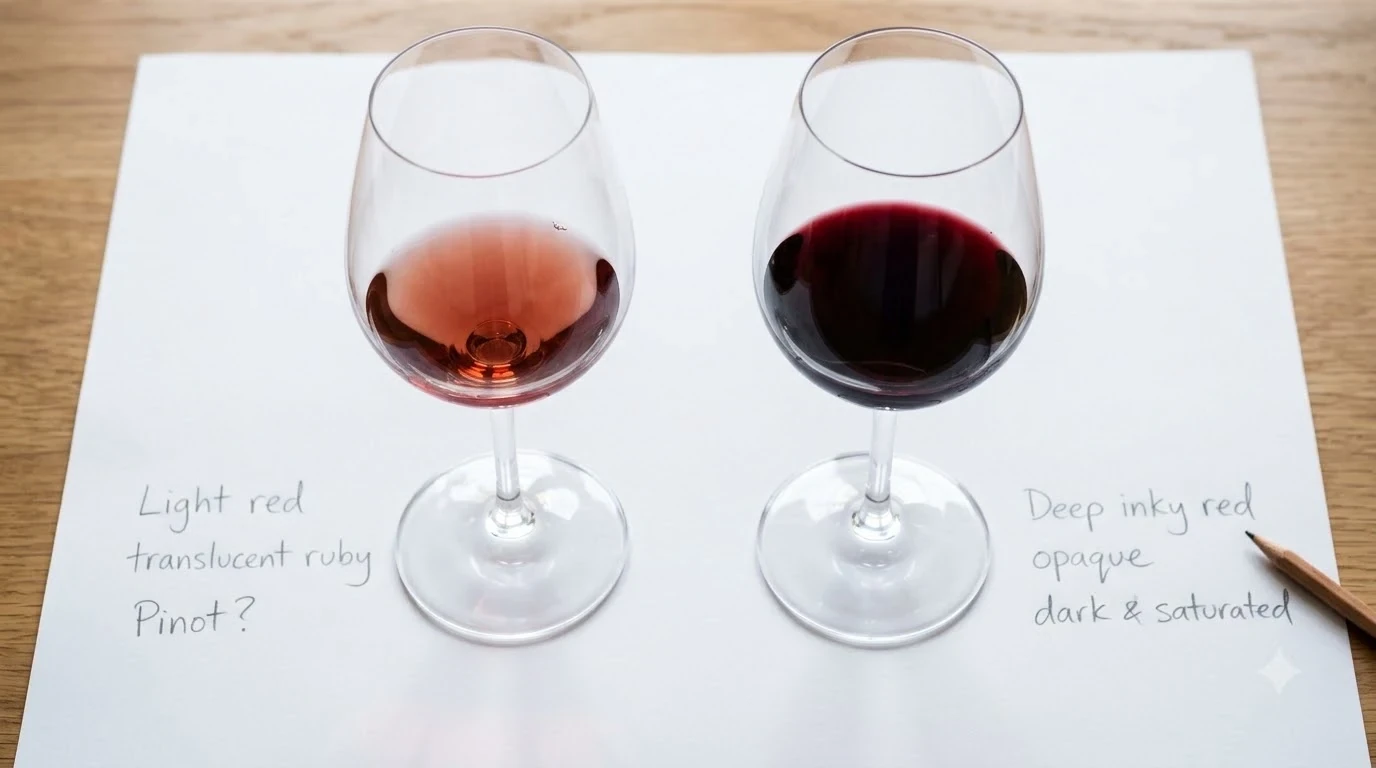

We may earn a commission when you buy through links on this page, at no extra cost to you. Learn more.
Is meiomi pinot noir good? Yes, Meiomi Pinot Noir is a good choice if you enjoy ripe berry flavors, smooth tannins, noticeable oak, and a richer California red wine style. It is approachable, fruit-forward, and particularly appealing to drinkers who prefer generous cherry, blackberry, vanilla, and mocha flavors. However, it is not the ideal Pinot Noir for everyone: people who prefer delicate fruit, pronounced acidity, earthy complexity, and a lighter Burgundy-inspired style may find it too rich.
Meiomi has developed a recognizable style that sits between traditional lighter-bodied Pinot Noir and fuller, more concentrated California reds. Its combination of ripe fruit, oak influence, and soft texture makes it an accessible option for casual dinners, gatherings, and everyday drinking. The important question is not simply whether it is good, but whether its particular style matches what you want from a bottle of Pinot Noir.
Who Should Buy Meiomi Pinot Noir?
Meiomi Pinot Noir is best suited to people who enjoy smooth, fruit-forward red wines rather than lean, restrained examples. Its combination of dark cherry, raspberry, blackberry, vanilla, and mocha makes it particularly attractive to drinkers who want recognizable flavors and a rounded mouthfeel.
If you are relatively new to red wine, Meiomi can be an approachable introduction to Pinot Noir. Pinot Noir generally has lower tannins than Cabernet Sauvignon, and Meiomi’s ripe fruit character makes its structure feel less demanding than that of many powerful reds. You do not need extensive wine knowledge to appreciate its straightforward fruit and oak profile.
It also suits experienced wine drinkers who deliberately enjoy the richer side of California Pinot Noir. There is nothing inherently wrong with preferring ripe fruit and a plush texture over subtle earthiness and restrained alcohol. Wine styles are matters of preference, and Meiomi offers a recognizable interpretation rather than attempting to imitate every traditional Pinot Noir style.
However, there are reasons to choose something else. If you regularly enjoy lighter Pinot Noir from Burgundy or Oregon’s Willamette Valley, Meiomi may feel heavier, sweeter-tasting, and more heavily influenced by oak than you prefer. Those differences become especially noticeable when comparing a rich California Pinot Noir with a more restrained cool-climate example.
The following characteristics can help identify whether the bottle fits your usual preferences:
- New red-wine drinkers: A reasonable option because its fruit-forward character and softer tannins are approachable.
- Fans of ripe fruit: A particularly good match for cherry, blackberry, raspberry, and vanilla preferences.
- Oak enthusiasts: Worth considering if you enjoy mocha, toast, baking spice, and vanilla notes.
- Traditional Pinot Noir enthusiasts: Potentially less appealing if you prefer delicate fruit, earthy aromas, and restrained oak.
- Full-bodied red-wine drinkers: A useful alternative to more tannic Cabernet Sauvignon when you want something smoother.
For a closer look at the bottle itself, the Meiomi Pinot Noir overview provides additional information about the wine and its characteristics.
Key Factors to Compare When Judging Meiomi
The quality of Meiomi Pinot Noir depends on more than whether you like its fruit flavors. Consider its aroma, body, acidity, tannin, alcohol level, oak influence, and overall balance together rather than judging the wine by one characteristic.
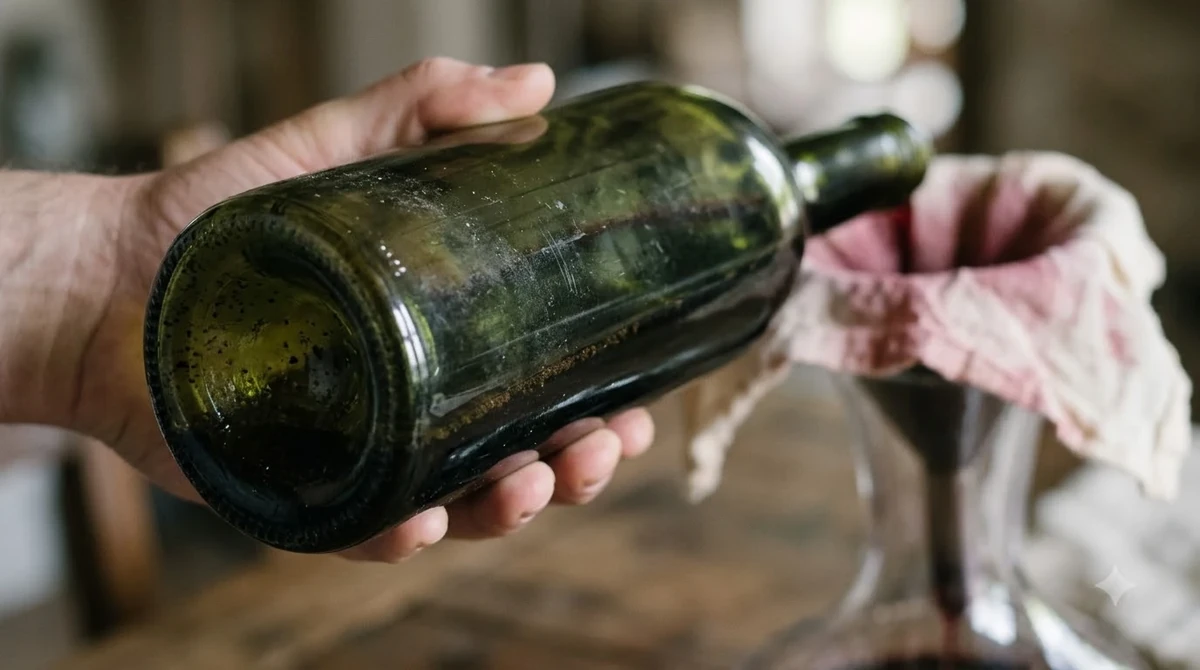
Professional reviews provide useful evidence of its style. Wine Enthusiast awarded the 2023 Meiomi Pinot Noir 88 points and described raspberry, red plum, coriander, mushroom, dark cherry, loganberry, vanilla bean, and mocha. You can read its Wine Enthusiast review of Meiomi Pinot Noir for the full tasting assessment.
Tastings.com awarded the same vintage 86 points, describing bramble berry, black plum, baking spice, chocolate-covered cherry, vanilla, and raspberry jam. Its 2023 Meiomi Pinot Noir review also emphasizes a soft, fruity impression with pronounced oak. These reviews suggest that Meiomi delivers recognizable fruit and oak flavors, although reviewers do not describe every aspect of the wine identically.
Wine Enthusiast highlights dry, juicy tannins, while Tastings.com emphasizes a softer, fruitier impression. That difference illustrates why vintage, serving conditions, and individual preferences matter.
| Factor | What to Expect | What It Means for Buyers |
|---|---|---|
| Grape variety | Pinot Noir | Expect red and dark berry fruit with relatively restrained tannins compared with Cabernet Sauvignon. |
| Origin | California, USA | A fruit-forward regional style rather than a direct representation of Burgundy. |
| Alcohol | 14.5% in the reviewed 2023 vintage | Expect a relatively warming finish compared with lower-alcohol Pinot Noir. |
| Bottle size | 750 ml | Approximately five standard 5-ounce glasses. |
| Fruit character | Cherry, raspberry, blackberry, and plum | Suitable for drinkers who prefer ripe, generous fruit. |
| Oak character | Vanilla, mocha, and baking spice | Appealing to people who enjoy noticeable barrel influence. |
| Tannins | Generally soft to moderate in impression | Less drying than a strongly tannic Cabernet Sauvignon. |
| Overall style | Rich, smooth, and fruit-forward | Better suited to generous flavors than delicate, restrained wine preferences. |
The alcohol figure in the table refers specifically to the 2023 bottle reviewed by Wine Enthusiast and Tastings.com. Different vintages can have different alcohol levels, so it should not automatically be applied to every bottle carrying the Meiomi name. For additional details, see our guide to Meiomi Pinot Noir alcohol content.
Another important distinction is that fruitiness does not automatically mean sweetness. A wine can be technically dry while tasting generous, ripe, and almost dessert-like because of its fruit concentration, alcohol, and oak-derived flavors. This distinction is especially important when comparing Meiomi with leaner Pinot Noir.
For reference, Wine Enthusiast considers a score between 87 and 89 points Very Good. Its 88-point assessment places the reviewed 2023 bottle in that category, while Tastings.com’s 86-point assessment indicates a somewhat different evaluation. Neither score means that every vintage will deliver exactly the same experience.
Step-by-Step: How to Decide If Meiomi Is Right for You
The easiest way to evaluate Meiomi is to compare its style with wines you already enjoy. A few straightforward checks can help you determine whether its richer California character is likely to suit your palate.
-
Identify your preferred red-wine style.
Think about whether you enjoy fruity, smooth wines or lighter, more delicate reds. If you regularly choose ripe California reds, Meiomi will probably feel familiar. If you prefer restrained Pinot Noir from Burgundy, its richer profile may be less appealing.
-
Consider how much oak you enjoy.
Meiomi’s flavor profile includes vanilla, mocha, and baking spice. These characteristics can come from oak influence and complement the ripe fruit. If you prefer fresh cherry and raspberry without noticeable vanilla or toast, consider a less oak-forward Pinot Noir.
-
Check the alcohol level.
The 2023 vintage reviewed by Wine Enthusiast and Tastings.com contains 14.5% alcohol. That is a meaningful consideration if you prefer lighter-bodied wines with a less warming finish. Alcohol contributes to the overall impression of body and warmth, although it does not determine quality by itself.
-
Think about the food you plan to serve.
Meiomi works particularly well with foods that have enough flavor and richness to complement its fruit and oak. Burgers, roasted poultry, mushroom pasta, pork, and tomato-based dishes are useful starting points. Delicate seafood may be better matched with a lighter, less oak-driven Pinot Noir.
-
Choose an appropriate serving temperature.
Lightly chilling the wine can make its fruit feel fresher and prevent alcohol from dominating the aroma. Aim for approximately 55 to 60 degrees Fahrenheit for a lighter red-wine serving experience rather than serving the bottle warm at typical room temperature.
-
Evaluate the wine after pouring.
Notice whether the cherry and berry aromas appeal to you, whether the oak feels balanced, and whether the finish is pleasantly smooth. Give the wine a few minutes in the glass before making a final judgment. Its aroma and texture can become easier to assess as it opens.
-
Compare it with a different Pinot Noir.
If possible, compare Meiomi with a bottle from Oregon’s Willamette Valley or Burgundy in France. Look for differences in body, acidity, fruit intensity, oak, and tannin. This comparison will help you understand whether you prefer Meiomi’s particular style or a more traditional interpretation.
Tip: If you are unsure whether Meiomi will suit your palate, compare it with a lighter Pinot Noir at the same meal. Pay attention to fruit intensity, oak, acidity, and alcohol warmth instead of judging both wines only by their smoothness.
Types and Styles of Meiomi Pinot Noir Explained
Meiomi is associated with a recognizable fruit-forward Pinot Noir style, but its portfolio also includes a separately presented Sonoma Coast Pinot Noir. Understanding the distinction helps prevent confusion when looking at different bottles or reading tasting descriptions.
The standard California Pinot Noir is the central reference point for people asking whether Meiomi is good. Its profile is associated with ripe berry flavors, a rounded texture, and oak-derived vanilla and mocha characteristics. The result is a more generous interpretation of Pinot Noir than the lightest examples from cool-climate regions.
Wine Enthusiast’s review of the 2023 standard bottling identifies raspberry, red plum, dark cherry, loganberry, vanilla bean, and mocha. Tastings.com identifies black plum, bramble berry, baking spice, nutmeg, and chocolate-covered cherry. Together, these descriptions illustrate the combination of red fruit, darker fruit, and oak influence that defines the wine’s appeal.
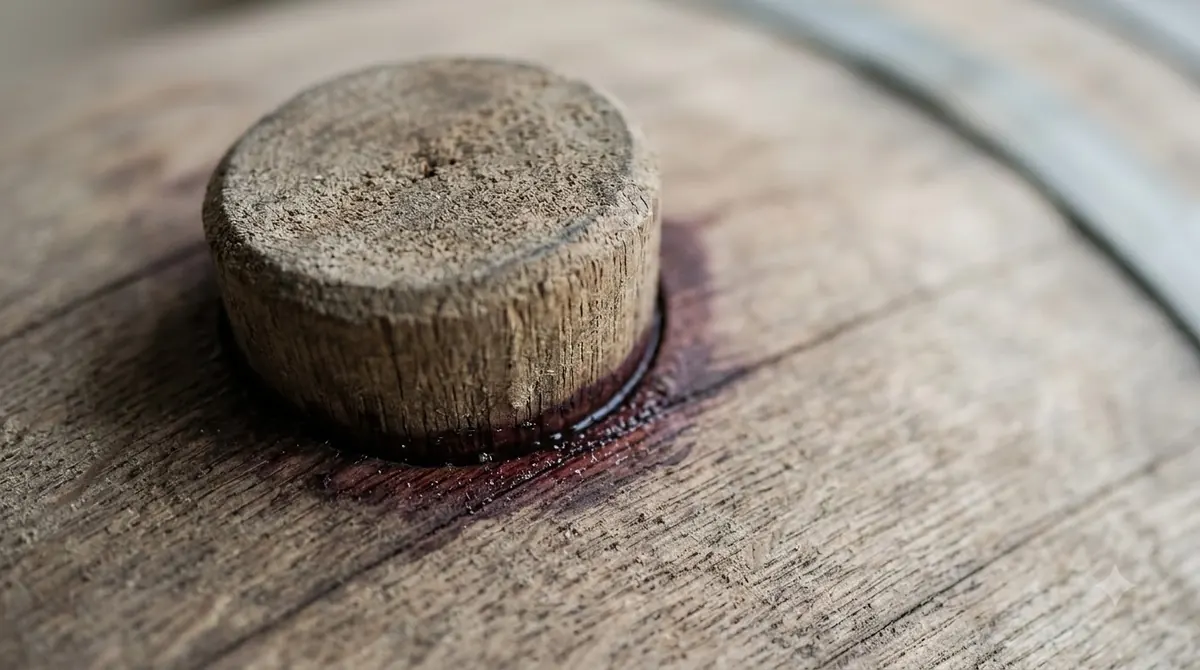
Meiomi also presents a Sonoma Coast Pinot Noir as a separate bottling. According to the producer, this wine focuses on fruit selected from the Sonoma Coast, primarily Arnold Vineyard and Silk Road Vineyard. Its winemaker, Jason Becker, describes blackberry, red raspberry, toasted mocha, warm spice, and subtle oak as important characteristics.
The Sonoma Coast bottling is described by Meiomi as a more nuanced and structured expression of its signature style. The producer also identifies French oak aging as an influence on its warmth, refinement, and plush texture. These are producer descriptions rather than independent evidence that the wine is necessarily superior to the standard bottling.
There is also an important distinction between Meiomi’s standard Pinot Noir and the general Pinot Noir category. Pinot Noir is capable of producing wines ranging from delicate and earthy to ripe, concentrated, and oak-influenced. The grape variety alone does not guarantee a particular body, sweetness impression, or level of complexity.
For a more detailed look at the aromas and flavors associated with the standard bottling, read our Meiomi Pinot Noir tasting notes article.
How Meiomi Compares With Traditional Pinot Noir
Traditional Pinot Noir is often associated with red cherry, strawberry, fresh acidity, subtle earthiness, and relatively low tannin. Burgundy is an important reference point for this style, while Oregon’s Willamette Valley also produces Pinot Noir with a reputation for freshness and elegance.
Meiomi leans toward a more immediately expressive style. Its ripe dark fruit, vanilla, mocha, and smooth texture make it feel more generous than many lighter examples. That does not make it less authentic as Pinot Noir; it simply represents a different winemaking and regional expression.
For people who enjoy California fruit intensity, the distinction is often a positive. For people who want delicate aromas and subtle layers that emerge gradually, it can be a reason to explore other producers.
Common Mistakes When Evaluating Meiomi Pinot Noir
Many disagreements about Meiomi come from comparing it with the wrong reference point. A rich, fruit-forward California Pinot Noir should not necessarily be judged by the same expectations as a delicate Burgundy or a light-bodied Oregon example.
Confusing Ripe Fruit With Residual Sugar
One of the most common misunderstandings is assuming that a wine tastes sweet simply because it has intense fruit flavors. Cherry, blackberry, raspberry jam, and vanilla can create a sweet impression even when a wine is technically dry.
For Meiomi, the distinction matters because its fruit-forward character can make it seem sweeter than a more restrained Pinot Noir. Tastings.com describes its 2023 sample as fruity and soft, while Wine Enthusiast describes dry, juicy tannins in its review of the same vintage. Those descriptions reflect different aspects of the wine rather than necessarily contradicting each other.
Expecting Pinot Noir to Taste Like Cabernet Sauvignon
Cabernet Sauvignon generally has higher tannin, while Pinot Noir usually has lower to moderate tannin and comparatively high acidity. Meiomi may feel fuller than many Pinot Noir wines, but it is not simply a softer version of Cabernet Sauvignon.
If you expect a powerful structure, firm grip, and concentrated blackcurrant flavors, Meiomi may not provide the same experience. Its appeal comes from a different combination of ripe fruit, texture, and oak.
Serving the Wine Too Warm
Serving red wine at an excessively warm temperature can make alcohol seem more prominent and reduce the freshness of its fruit aromas. This is particularly relevant for a wine whose reviewed 2023 vintage reaches 14.5% alcohol.
A temperature around 55 to 60 degrees Fahrenheit can help maintain balance. A brief period in the refrigerator before serving is often enough to bring the wine closer to that range.
Pairing It With Food That Is Too Delicate
Meiomi’s ripe fruit and oak influence can overwhelm subtle dishes. A lightly seasoned white fish or delicate vegetable preparation may not provide enough flavor to balance the wine’s richness.
Likewise, oily fish and strongly tannic reds can be difficult combinations, although Pinot Noir’s relatively low tannin makes it more versatile than Cabernet Sauvignon with certain seafood dishes. The key is to match the wine’s intensity with the food rather than assuming every Pinot Noir works with every meal.
Judging Every Vintage by One Review
Wine reviews describe specific bottles and vintages. A score or tasting note for the 2023 vintage should not be treated as a permanent rating for all Meiomi Pinot Noir releases.
Growing conditions, blending decisions, and production choices can influence the finished wine. Even when the producer maintains a recognizable house style, differences between vintages are normal. Use professional reviews as a reference rather than a guarantee that every bottle will taste identical.
Care and Storage Tips for Meiomi Pinot Noir
Proper storage and serving conditions can make a noticeable difference to Meiomi’s aroma, fruit character, and texture. You do not need specialized wine equipment to enjoy the bottle, but avoiding excessive heat and serving it at an appropriate temperature will help preserve its intended style.
Store the Bottle Correctly
If you are keeping an unopened bottle, aim for a consistent storage temperature near 55 degrees Fahrenheit. Avoid leaving wine in direct sunlight, near heating appliances, or in a kitchen cupboard exposed to frequent temperature changes.
For bottles with natural cork closures, horizontal storage helps keep the cork in contact with the wine. The main priority is a cool, dark, stable environment rather than finding an elaborate storage arrangement.
Meiomi is generally a wine to enjoy for its accessible fruit and oak profile rather than something that needs extended cellar aging. Unless you have a specific reason to keep a bottle, there is little advantage in waiting years simply because it is Pinot Noir.
Serve It Slightly Cool
A serving temperature of approximately 55 to 60 degrees Fahrenheit is a useful target for light-bodied reds such as Pinot Noir. This range helps preserve freshness while allowing the fruit and oak aromas to develop.
If the bottle has been stored at normal room temperature, place it in the refrigerator briefly before serving. Avoid serving it extremely cold, because excessive chilling can make the wine seem less aromatic and emphasize its structure.
Use the Right Glass
A medium-to-large Burgundy-style wine glass is a useful choice. Its rounded bowl provides room for swirling and helps concentrate the wine’s aromas near the opening.
A standard red wine glass also works perfectly well. The important factors are having enough room to swirl the wine and avoiding a glass filled to the rim. A 5-ounce pour is a practical serving size for a 750 ml bottle, which provides approximately five glasses.
Decide Whether Decanting Is Necessary
Most bottles of Meiomi Pinot Noir do not require lengthy decanting before drinking. Pouring the wine into a glass and allowing it to breathe for several minutes is generally sufficient for casual enjoyment.
If the wine seems closed or its oak aromas dominate immediately after opening, give it 10 to 15 minutes in the glass before reassessing. A young, full-bodied red may benefit from 30 to 60 minutes of decanting, but that is not a universal requirement for Pinot Noir.
Preserve Opened Wine
After opening, reseal the bottle and keep it in the refrigerator. Still red wines generally retain acceptable drinking quality for approximately three to five days, although fruit aromas and freshness gradually decline.
Allow a refrigerated bottle to warm slightly before pouring another glass. A short period outside the refrigerator can help restore the aromas and texture that make Meiomi appealing.
These simple practices are especially useful if you are drinking the bottle over multiple evenings rather than serving it at one gathering.
Frequently Asked Questions
Is Meiomi Pinot Noir considered a premium wine?
Meiomi is generally positioned as an accessible commercial California Pinot Noir rather than a prestige single-vineyard wine. Its appeal is its recognizable fruit-forward house style and broad availability. Premium quality can mean different things depending on whether you prioritize vineyard expression, complexity, craftsmanship, or immediate drinking pleasure.
Does Meiomi Pinot Noir need to breathe before drinking?
It does not usually require extended aeration. A few minutes in the glass can help its fruit and oak aromas become more apparent. If you prefer a more expressive aroma, swirl the wine gently and revisit it after approximately 10 minutes.
Can Meiomi Pinot Noir be used for cooking?
Yes, it can be used in recipes that benefit from a fruit-forward red wine, including mushroom sauces, braised pork, and tomato-based dishes. Its ripe fruit and oak character may be more noticeable in a reduced sauce, so use it in recipes where those flavors complement the other ingredients.
Is Meiomi Pinot Noir suitable for a wine gift?
It can be a practical gift for someone who enjoys approachable California reds with generous berry fruit and smooth texture. It is less suitable as a surprise for someone who collects traditional Burgundy or prefers restrained, vineyard-specific Pinot Noir. Knowing the recipient’s preferred style is more useful than choosing a bottle based on the grape name alone.
Is Meiomi Pinot Noir made from a single Pinot Noir clone?
No single-clone claim should be assumed for the standard bottling. Meiomi’s winemaker specifically discusses using several Pinot Noir clones for its separately presented Sonoma Coast Pinot Noir. Different clones can contribute different combinations of aroma, texture, and structure to a finished wine.
Meiomi Pinot Noir is a worthwhile choice if you enjoy smooth California reds with ripe berry flavors, vanilla, mocha, and noticeable oak. Its richer style will not satisfy every traditional Pinot Noir enthusiast, but its approachable character makes it a sensible option for casual meals and relaxed gatherings. If you prefer generous fruit over delicate complexity, Meiomi deserves a place on your shortlist.
More in Wine Brands
 Underwood Wine Price: Compare Bottles, Cans, and Pack SizesUpdated Nov 21, 2026
 Zenato Wine Price: Compare Styles and Choose the Right BottleUpdated Nov 21, 2026
 Zuccardi Wine Price: Compare Bottles and Find the Right RangeUpdated Nov 21, 2026
 Yellow Tail Moscato Review: Taste, Sweetness and Serving TipsUpdated Nov 21, 2026
 Wolf Blass Yellow Label Review: Choose Your Best StyleUpdated Nov 21, 2026
 Wolffer Estate Rose Review: Choose the Right Bottle for Your TableUpdated Nov 21, 2026