

We may earn a commission when you buy through links on this page, at no extra cost to you. Learn more.
The answer to “is la crema pinot noir good” is yes: La Crema makes approachable, well-balanced Pinot Noir with vivid red-fruit character, enough acidity to keep it lively, and softer tannins than many fuller-bodied reds. The best bottle depends on the region and tier, because Sonoma Coast, Monterey, Willamette Valley, and Green Valley bottlings do not taste identical. For a reliable starting point, look at the Sonoma Coast or Monterey wines and match the bottle’s alcohol level and flavor profile to the meal.
La Crema suits drinkers who want California Pinot Noir that is expressive without the weight of Cabernet Sauvignon. Its wines show cherry and raspberry, while regional bottlings can add pomegranate, plum, cocoa, herbs, or savory earth. This guide explains how to compare and serve them.
Who This Is For
La Crema Pinot Noir suits people who enjoy a dry red with fresh fruit, moderate body, and enough acidity to work at the dinner table. The 2023 Sonoma Coast bottling, for example, is listed at 13.5% alcohol by volume and is described with red cherry, blood orange, dark berries, and spice; those details point to a balanced, fruit-forward style rather than a heavy, sweet-tasting red.
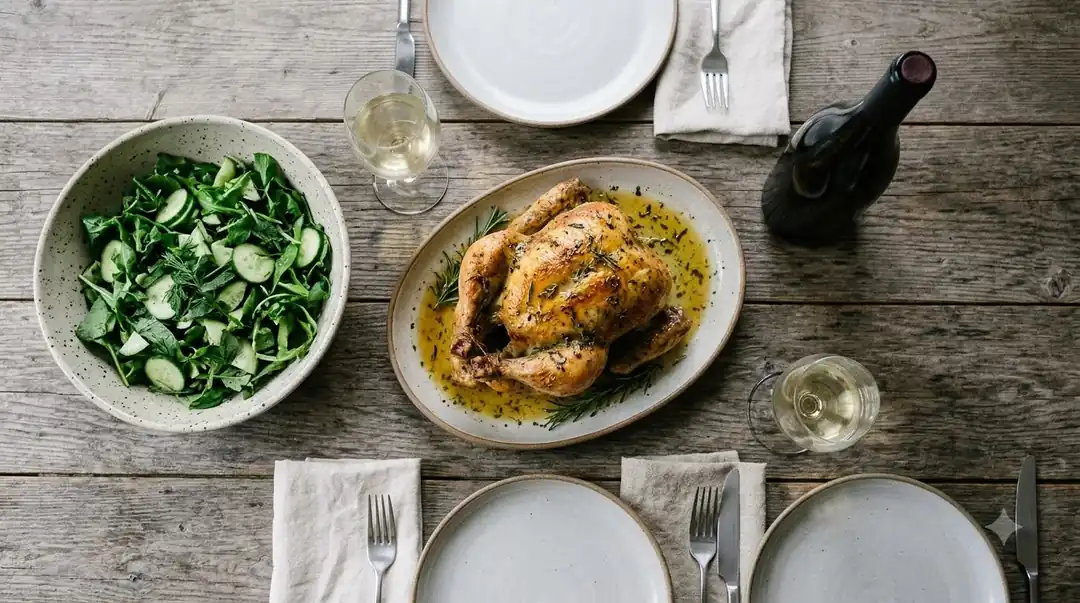
It suits people moving from Merlot into Pinot Noir and experienced drinkers who want a dependable dinner wine. Pinot Noir generally has less tannin than Cabernet Sauvignon, making it friendly with roast chicken, pork, mushrooms, and richer fish.
Choose it for red-fruit aromas with a savory accent rather than intense oak or dense black fruit. Monterey leans toward raspberry, rose petal, white pepper, and sagebrush; Sonoma Coast toward cherry, cranberry, cinnamon, and mint. It may disappoint anyone seeking a firmly tannic red. The 2023 Monterey wine is 14.5% ABV, so it can feel warmer than Pinot Noir near 12% or 13%. See this guide to La Crema Pinot Noir and compare the region on the label.
Key Factors to Compare
Start with the region, alcohol level, and balance of fruit and acidity; these three clues tell you more than the brand name alone. La Crema’s 2023 Sonoma Coast and Monterey wines provide a useful comparison because the producer publishes technical details for both.
| Comparison point | 2023 Sonoma Coast | 2023 Monterey | Why it matters |
|---|---|---|---|
| Variety | 100% Pinot Noir | 100% Pinot Noir | The fruit comes from one grape variety, not a multi-variety red blend. |
| Alcohol by volume | 13.5% | 14.5% | The Monterey bottling is one percentage point higher in alcohol. |
| Total acidity | 5.4 g/L | 5.2 g/L | Both have measured acidity in a similar range, with Sonoma Coast slightly higher. |
| pH | 3.73 | 3.72 | The figures are close; neither wine should be judged by pH alone. |
| Bottle size shown | 750 ml | 750 ml | A standard bottle provides about five 5-ounce pours. |
These figures apply to the listed 2023 wines, not every vintage. La Crema describes Sonoma Coast with red fruit, fine tannins, and balanced acidity; its Monterey page highlights black plum, cherry, raspberry, mineral notes, and toasted spice. For more detail on the ABV variation, see the guide to La Crema Pinot Noir alcohol content.
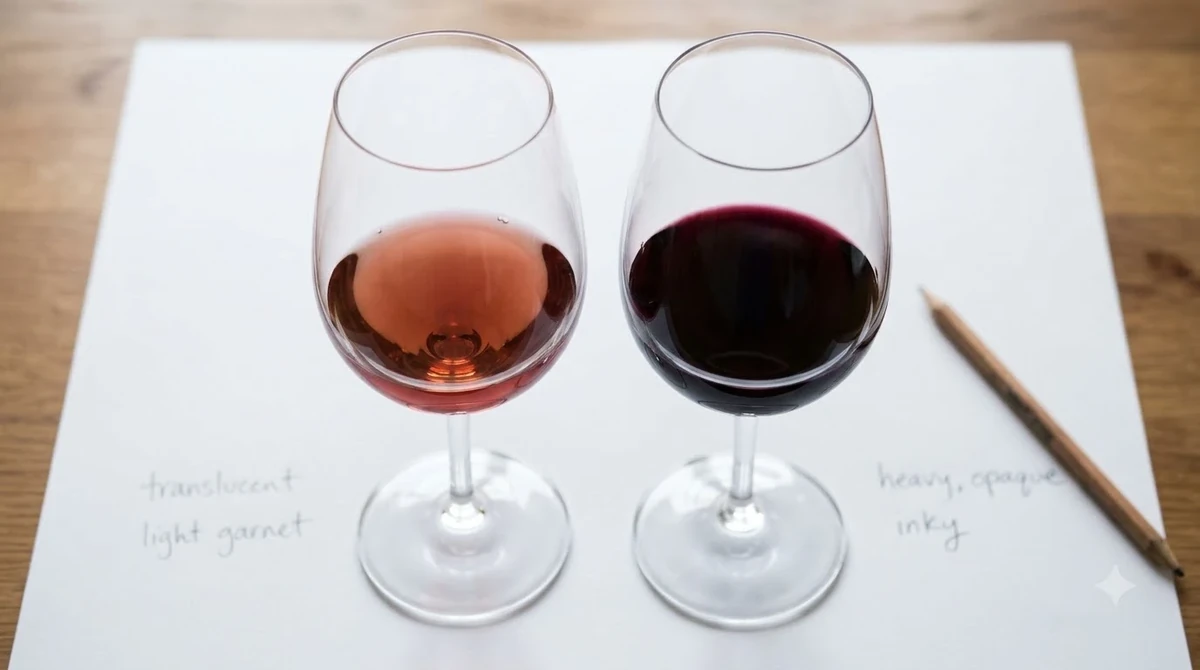
Compare aroma and texture next. Wine Enthusiast describes Sonoma Coast with cherry, cranberry, cinnamon, raspberry, and mint; the Monterey review mentions strawberry, rose petal, white pepper, and sagebrush. The latter reads brighter and more herbal, while Sonoma Coast leans toward red berries and baking spice. Pinot Noir changes with site, vintage, and winemaking, so those profiles are not contradictory.
Finally, decide how much structure you prefer. A silky finish suits casual sipping, while firmer tannin and concentrated fruit can work with grilled meat or mushrooms. Both bottlings are dry; the one-percentage-point difference between 13.5% and 14.5% ABV is worth considering if you dislike a warm finish.
Step-by-Step: Choosing a Bottle
A simple sequence keeps the choice practical: select the occasion, narrow the region, compare the alcohol and flavor notes, then plan the food and serving temperature. You do not need specialist tasting vocabulary to choose well; the label and the producer’s technical details usually give enough information.
- Decide what the wine needs to do. For roast chicken, pork, salmon, or mushroom pasta, start with a fresh Pinot Noir. Grilled lamb or a rich roast can suit a more structured bottle. The 13.5% Sonoma Coast wine is a moderate-bodied starting point.
- Choose the regional profile. Sonoma Coast suggests cherry, cranberry, and spice; Monterey has a brighter fruit-and-herb profile. Wine Enthusiast describes La Crema’s 2023 Willamette Valley wine with blackberry, boysenberry, lilac, and loamy soil.
- Compare the alcohol percentage. The 2023 Sonoma Coast wine is 13.5% ABV, while the 2023 Monterey wine is 14.5% ABV. That difference does not tell you which wine is better, but the lower-alcohol bottle may feel more restrained, while the higher-alcohol wine can come across as fuller and warmer.
- Read the tasting description. Cherry, cranberry, raspberry, pomegranate, and plum signal red fruit; cocoa, toasted spice, tea, or mushroom suggest a savory accent. Match those notes to the meal rather than relying on the word “Pinot” alone.
- Plan the serving conditions. Chill the bottle before opening so that it reaches about 55–60°F in the glass. Use a stemmed glass with room for swirling, pour a measured 5-ounce serving, and allow a young, structured bottle some air if the aromas seem closed at first.
For a mixed group, choose familiar fruit notes and serve the wine cool. Pair mushroom sauce with its earthy side, roasted poultry with savory notes, or cranberry garnish with the red fruit. See La Crema Pinot Noir food pairing for more meal ideas.
Types or Styles Explained
La Crema Pinot Noir is not one fixed flavor profile: the region on the label is a useful guide to the style in the glass. Sonoma Coast, Monterey, Willamette Valley, and Green Valley bottlings show how the same grape can range from bright and herbal to more concentrated and earthy.
Sonoma Coast
The Sonoma Coast bottling is the natural starting point if you want the classic La Crema profile. The producer describes red cherry, pomegranate, assorted berries, plum, and subtle toasted notes, with fine tannins and balanced acidity. Wine Enthusiast’s notes on the 2023 vintage add cranberry, cinnamon, raspberry, and mint. Together, the descriptions suggest a dry, fruit-led red with enough savory character to remain interesting at the table.
The 2023 Sonoma Coast wine is 13.5% ABV, with a listed total acidity of 5.4 g/L and pH of 3.73. It is 100% Pinot Noir. Those numbers offer a useful reference point, although they should not be treated as a formula for how every vintage will taste. A different harvest can change ripeness, fruit intensity, and the balance between acidity and alcohol.
Monterey
The Monterey version gives a livelier impression in the reviewed 2023 vintage. Wine Enthusiast describes strawberry, raspberry, rose petal, white pepper, and sagebrush, while La Crema’s own description adds black plum, cherry, mineral character, and toasted spice. It still has Pinot Noir’s red-fruit core, but the herbal and mineral elements make the profile feel a little more lifted.
The 2023 Monterey wine is listed at 14.5% ABV, 5.2 g/L total acidity, and pH 3.72; it is also 100% Pinot Noir. Its alcohol is higher than the Sonoma Coast comparison, even though the acidity and pH figures are close. That is a good reminder that region, ripeness, and the full tasting profile matter more than any one number. The Wine Enthusiast Monterey review is useful for seeing how those fruit and herbal notes appear in a professional tasting description.
Willamette Valley and Green Valley
Willamette Valley offers a different expression from La Crema’s California wines. Wine Enthusiast’s 2023 review notes blackberry, boysenberry, lilac, and loamy soil, supported by acidity and velvety tannins. It leans toward darker berry and floral-earthy character rather than only bright cherry.
The Green Valley of Russian River Valley bottling shows another direction: roasted cherry, cocoa, purple flowers, cranberry, salty plum, orange, and cola spice. Wine Enthusiast also describes richer tannin than the lightest Pinot Noir stereotype suggests. For the winery’s own Sonoma Coast description and technical figures, see the 2023 Sonoma Coast wine page.
Regional labels matter because La Crema’s bottles do not all taste identical. Sonoma Coast is a useful everyday reference; a more specific subregion can show a distinct mix of fruit, earth, tannin, and spice.
Common Mistakes
Do not assume Pinot Noir must always be pale, delicate, and low in alcohol. It is often light to medium in body and lower in tannin than Cabernet Sauvignon, but La Crema’s Monterey example reaches 14.5% ABV and can feel broader than the lightest styles.
Another mistake is serving the wine at ordinary room temperature. A warm room can push alcohol aromas forward and make fruit seem heavier, especially in a 14.5% bottling. Aim for 55–60°F rather than the 68–72°F conditions common in heated rooms. A short chill in the refrigerator before serving is more useful than adding ice to the glass, which dilutes the wine.
Pairing errors can make a sound bottle seem less successful. Hot chili amplifies alcohol and tannin; a heavily tannic red can clash with delicate oily fish; and dessert sweeter than the wine can make the wine seem sour. For an acidic sauce, choose a wine with enough acidity to keep pace, while salt and fat soften tannin in richer dishes.
Do not treat higher alcohol as a quality score. The difference between 13.5% and 14.5% ABV is only one clue; region, balance, and the meal matter just as much. A Sonoma Coast bottle may suit delicate food better than a more concentrated style.
Care or Storage Tips
Serve light reds at 55–60°F to keep red-fruit aromas fresh and alcohol from dominating. If the bottle is at room temperature, chill it for about 20–30 minutes; too much cold can mute the aromas until the wine warms in the glass.
Use a stemmed glass with room to swirl. A 750 ml bottle gives about five 5-ounce pours. La Crema suggests one hour of decanting for its Sonoma Coast Pinot Noir, while general Pinot Noir guidance often recommends around 30 minutes for young wines; begin with less air and allow more if the aromas seem closed.
Store unopened bottles on their side in a dark place near 55°F, away from sunlight and temperature swings. Recork opened wine and refrigerate it; most still wines are best within 3–5 days. Bring the remaining wine back toward serving temperature before pouring.
Tip: Put the bottle in the refrigerator before guests arrive, then take it out shortly before dinner. For a 13.5% Sonoma Coast Pinot Noir, begin serving around 55–60°F and give the first pour a few minutes in the glass before deciding whether it needs more air.
Frequently Asked Questions
These extra details cover regional grape names, cellaring, and the winery’s fruit handling.
Is Pinot Noir known by another name in Europe?
Yes. Wine Folly lists Pinot Nero, Spätburgunder, and Blauburgunder as regional names for Pinot Noir. The name can help identify the grape on an Italian, German, or Austrian wine list.
What kind of glass works best for La Crema Pinot Noir?
Choose an aroma-focused red wine glass with a broad bowl and narrower rim. It gives cherry, raspberry, floral, and earthy aromas room to open while directing them toward the nose. A universal red wine glass also works.
Can Pinot Noir improve with age?
Wine Folly notes that many Pinot Noir wines evolve over roughly 5–10 years, with top examples sometimes developing for up to 20 years. That is a general range, not a guarantee for every La Crema bottling; enjoy an everyday regional wine for its fresh fruit.
What does MOG mean in La Crema’s winemaking notes?
MOG means “material other than grapes,” such as leaves or unwanted plant material that arrives with harvested clusters. La Crema says its team removes stems, leaves, green grapes, and overripe grapes during hand-sorting before winemaking continues.
How long does La Crema soak Pinot Noir skins before fermentation?
La Crema says its Pinot Noir receives a cold soak in chilled tanks for three to five days after destemming. Clear juice rests with the dark skins during this pre-fermentation extraction step, taking on color before fermentation.
La Crema Pinot Noir is a good choice for drinkers who want dry, fruit-driven red wine with useful acidity and approachable tannins. Start with Sonoma Coast for cherry and cranberry or Monterey for a brighter, more herbal profile, then serve it slightly cool with food that complements its freshness.
More in Wine Brands
 Underwood Wine Price: Compare Bottles, Cans, and Pack SizesUpdated Nov 21, 2026
 Zenato Wine Price: Compare Styles and Choose the Right BottleUpdated Nov 21, 2026
 Zuccardi Wine Price: Compare Bottles and Find the Right RangeUpdated Nov 21, 2026
 Yellow Tail Moscato Review: Taste, Sweetness and Serving TipsUpdated Nov 21, 2026
 Wolf Blass Yellow Label Review: Choose Your Best StyleUpdated Nov 21, 2026
 Wolffer Estate Rose Review: Choose the Right Bottle for Your TableUpdated Nov 21, 2026