

We may earn a commission when you buy through links on this page, at no extra cost to you. Learn more.
Is Kim Crawford Sauvignon Blanc good? Yes, Kim Crawford Sauvignon Blanc is a good choice for people who enjoy crisp, aromatic, fruit-forward white wine, especially the recognizable Sauvignon Blanc style of Marlborough, New Zealand. It delivers lively acidity, recognizable passion fruit and grapefruit flavors, and enough freshness to work with seafood, salads, and casual meals. Its main limitation is that its straightforward, fruit-driven character may not satisfy drinkers looking for a particularly complex or distinctive white wine.
Kim Crawford Sauvignon Blanc has become a familiar option for people shopping for approachable New Zealand white wine. Its appeal comes from a combination of tropical fruit, citrus, refreshing acidity, and a relatively uncomplicated drinking experience. However, deciding whether it is a good bottle requires looking beyond its popularity. Flavor preferences, sweetness, alcohol content, food compatibility, and the expectations of the person drinking it all matter. Here is how to decide whether this Marlborough Sauvignon Blanc deserves a place in your wine collection.
Who This Wine Is For
Kim Crawford Sauvignon Blanc is particularly suitable for drinkers who prefer refreshing, aromatic white wines with noticeable citrus and tropical fruit flavors. It is also a practical option for people introducing friends to New Zealand Sauvignon Blanc because its recognizable fruit profile makes the grape variety easy to understand.
The wine suits people who enjoy passion fruit, grapefruit, melon, and fresh herbal aromas rather than rich vanilla, buttery textures, or pronounced oak flavors. The producer describes the wine as fresh and juicy, with vibrant acidity and ripe tropical fruit. That combination makes it a natural choice for warm-weather meals, outdoor gatherings, and uncomplicated weeknight dinners.
Its appeal also extends to wine drinkers who want a bottle that can work both as an aperitif and alongside food. A glass before dinner provides refreshing citrus and fruit character, while the acidity helps the wine remain lively beside seafood, vegetables, and herb-based dishes. The 2024 technical information also identifies roast chicken and linguine alle vongole as suitable food matches.
There are, however, some drinkers who may prefer another style. People who enjoy creamy Chardonnay, delicate white Burgundy, or restrained Loire Valley Sauvignon Blanc may find Kim Crawford more expressive and fruit-forward than they prefer. Those seeking a wine with substantial oak influence, pronounced mineral complexity, or extended bottle-aging potential should also consider other categories.
For a closer look at the wine’s overall identity, the Kim Crawford Sauvignon Blanc profile provides additional information about its style and characteristics. It is useful to distinguish the regular Marlborough bottling from other wines carrying the same brand name, particularly when comparing different bottles in a store.
Key Factors to Compare Before Buying
Three factors explain most of the wine’s appeal: its aromatic fruit profile, its refreshing acidity, and its relatively dry finish. Comparing those characteristics with your preferences provides a better indication of quality than relying on brand recognition alone.
The producer’s 2024 technical sheet provides useful numerical information about the wine. Its listed alcohol level is 13.5%, residual sugar is 3.5 grams per liter, total acidity is 7.1 grams per liter, and pH is 3.26. These figures help explain why the wine tastes lively and predominantly dry rather than sugary.
| Characteristic | 2024 technical information | What it means for drinkers |
|---|---|---|
| Origin | Marlborough, New Zealand | Recognizable New Zealand Sauvignon Blanc style |
| Grape | Sauvignon Blanc | Aromatic white grape with naturally refreshing acidity |
| Alcohol | 13.5% ABV | Moderate-to-full strength for a dry white wine |
| Residual sugar | 3.5 g/L | Predominantly dry rather than sweet |
| Total acidity | 7.1 g/L | Supports a crisp, refreshing impression |
| pH | 3.26 | Consistent with a relatively bright acid profile |
| Color | Pale lemon | A light-colored white wine |
| Primary flavor profile | Passion fruit, guava, citrus, herbs | Fruit-forward and aromatic |
These are vintage-specific technical figures, not permanent specifications for every bottle sold under the brand. Alcohol levels and other measurements can differ between releases. The figures are most useful as a reference for understanding the 2024 bottling rather than as a guarantee that every vintage will be identical.
Acidity is particularly important when evaluating this wine. Sauvignon Blanc generally has naturally high acidity, and the 2024 technical sheet’s total acidity measurement supports its fresh, lively character. This is why a chilled glass can taste particularly refreshing alongside food with citrus, herbs, or light sauces.
Another important consideration is sweetness. The reported 3.5 grams per liter of residual sugar in the 2024 technical information is consistent with a dry wine. Ripe tropical fruit aromas can create an impression of sweetness, but fragrant fruit does not automatically mean that a wine contains substantial sugar.
For people comparing bottles by strength, the Kim Crawford Sauvignon Blanc alcohol content information helps clarify how the alcohol percentage affects serving choices and the overall drinking experience.
Step-by-Step: How to Decide Whether You Will Enjoy It
A good buying decision starts with your preferred wine style rather than the label. The following steps help establish whether Kim Crawford matches your taste, intended meal, and serving preferences.
-
Identify your preferred white wine style.
Think about whether you usually enjoy crisp Sauvignon Blanc, Pinot Grigio, unoaked Chardonnay, or aromatic Riesling. If you prefer citrus, grapefruit, passion fruit, and fresh herbal aromas, Kim Crawford is likely to suit your preferences. If you generally choose buttery Chardonnay or sweeter Moscato, its dry, high-acid character may be less appealing.
-
Decide how much fruit character you want.
The wine’s flavor profile leans toward tropical and citrus fruit. The producer identifies passion fruit, melon, and grapefruit, while an independent review of the 2024 vintage also describes Meyer lemon, yellow pepper, and peach. People who enjoy expressive fruit flavors are likely to appreciate this style.
-
Consider whether you enjoy refreshing acidity.
High acidity creates a crisp sensation and helps prevent fruit-forward white wines from feeling heavy. It is particularly useful with seafood and salads. However, drinkers who prefer soft, low-acid white wines may find the sensation more pronounced than they like.
-
Choose a suitable meal.
Consider oysters, shrimp, grilled fish, asparagus, or chicken with fresh herbs. These dishes work well with the wine’s acidity and aromatic character. Rich cream sauces, very sweet desserts, and heavily charred red meats are less natural matches.
-
Serve it at the correct temperature.
Light, refreshing white wines are generally best served between 45 and 50 degrees Fahrenheit. This temperature helps preserve the wine’s aromatic character without making its acidity seem unnecessarily aggressive.
-
Evaluate the finish rather than only the first sip.
Pay attention to how the grapefruit, tropical fruit, and herbal notes develop after swallowing. A good everyday Sauvignon Blanc does not need an exceptionally long finish, but it should remain pleasant and balanced rather than ending with an unpleasantly sharp sensation.
-
Compare it with your usual Sauvignon Blanc.
Think about whether you prefer more tropical fruit, more green herbal character, or greater complexity. Kim Crawford is a recognizable Marlborough expression, so this comparison can help determine whether its particular style deserves a regular place in your shopping routine.
Tip: Chill the bottle to approximately 45 to 50 degrees Fahrenheit before serving. If it seems too sharp straight from the refrigerator, allow it a few minutes in the glass. Slightly warmer serving conditions can make the tropical fruit and herbal aromas easier to appreciate.
It is also helpful to remember that a wine’s performance depends on the occasion. A straightforward Sauvignon Blanc can be excellent for a casual seafood dinner without offering the complexity expected from a premium cellar selection. Judge the bottle according to the experience it is designed to provide.
Types and Styles Explained: What Makes Kim Crawford Different?
Kim Crawford belongs to the New Zealand Marlborough Sauvignon Blanc tradition, which is generally known for vivid fruit aromas, fresh acidity, and expressive herbal notes. Understanding that style helps explain why this wine tastes different from Sauvignon Blanc produced in France, California, or other regions.
Marlborough Sauvignon Blanc
Marlborough is one of the best-known regions for Sauvignon Blanc. Its wines frequently show tropical fruit, citrus, gooseberry, and green herbal aromas. Kim Crawford follows this recognizable profile, with passion fruit, grapefruit, melon, and crushed herbs among its defining characteristics.
The producer describes attention to vineyard practices, individual vineyard block harvesting, and small-lot fermentation as important parts of its approach. Its 2024 technical sheet also describes slow, cool fermentation with selected yeast. These practices are intended to preserve the fresh aromatic qualities associated with Sauvignon Blanc.
The producer’s official Kim Crawford Sauvignon Blanc profile describes the wine’s citrus, tropical fruit, crushed-herb aromas, and recommended food pairings. This is a useful reference for understanding the intended style before choosing a bottle.
Loire Valley Sauvignon Blanc
Sauvignon Blanc from France’s Loire Valley, including Sancerre and Pouilly-Fumé, can offer a different expression of the grape. These wines are often more restrained, with citrus, gooseberry, herbal character, and mineral impressions rather than the pronounced tropical fruit commonly associated with Marlborough.
Someone who enjoys the bright, fruit-driven character of Kim Crawford may also appreciate Loire Sauvignon Blanc, but the wines do not necessarily provide the same drinking experience. The French examples can be more subtle and structured, depending on the producer and vineyard.
California Sauvignon Blanc
California Sauvignon Blanc covers a wide range of styles. Some examples are fresh and citrus-driven, while others use oak fermentation or aging to create greater texture and richness. This makes California an interesting alternative for people who like Sauvignon Blanc but want something different from the familiar New Zealand profile.
Other Kim Crawford Expressions
The regular Sauvignon Blanc should not be confused with every other wine carrying the Kim Crawford name. The brand also lists other products, including Chardonnay, Pinot Noir, and alcohol-removed Sauvignon Blanc. Each has a different purpose and flavor profile.
For example, an alcohol-removed Sauvignon Blanc is designed for people looking for the grape’s aromatic character without the alcohol found in a conventional bottle. It should not be judged using exactly the same expectations as the standard Marlborough Sauvignon Blanc.
Understanding these distinctions prevents a common shopping mistake: assuming that every bottle bearing the same brand name will have identical sweetness, alcohol, acidity, or flavor.
Common Mistakes When Buying and Drinking Kim Crawford
Most disappointment with this wine comes from mismatched expectations rather than an obvious flaw. Understanding its dry, fruit-forward style and serving requirements makes it easier to appreciate what the bottle offers.
Assuming Tropical Fruit Means Sweet Wine
Passion fruit, melon, guava, and peach can make a wine smell ripe and sweet. However, aromatic intensity and actual residual sugar are different things. The 2024 technical sheet reports 3.5 grams per liter of residual sugar, which is consistent with a dry Sauvignon Blanc.
People who want a genuinely sweet white wine should consider a different category. Moscato, sweeter Riesling, and dessert wines generally provide a more obvious sweetness than a dry Marlborough Sauvignon Blanc.
Expecting Creamy Chardonnay Texture
Kim Crawford Sauvignon Blanc is designed around freshness, fruit, and acidity. It is not intended to replicate the buttery texture of an oak-aged Chardonnay. Drinkers who expect vanilla, toasted oak, and creamy richness may misunderstand its relatively crisp presentation.
Serving It Too Warm
Serving Sauvignon Blanc at room temperature can make the alcohol seem more prominent and reduce the refreshing impression of the acidity. A temperature around 45 to 50 degrees Fahrenheit is a better starting point for this light white wine style.
Pairing It With Heavy Red Meat
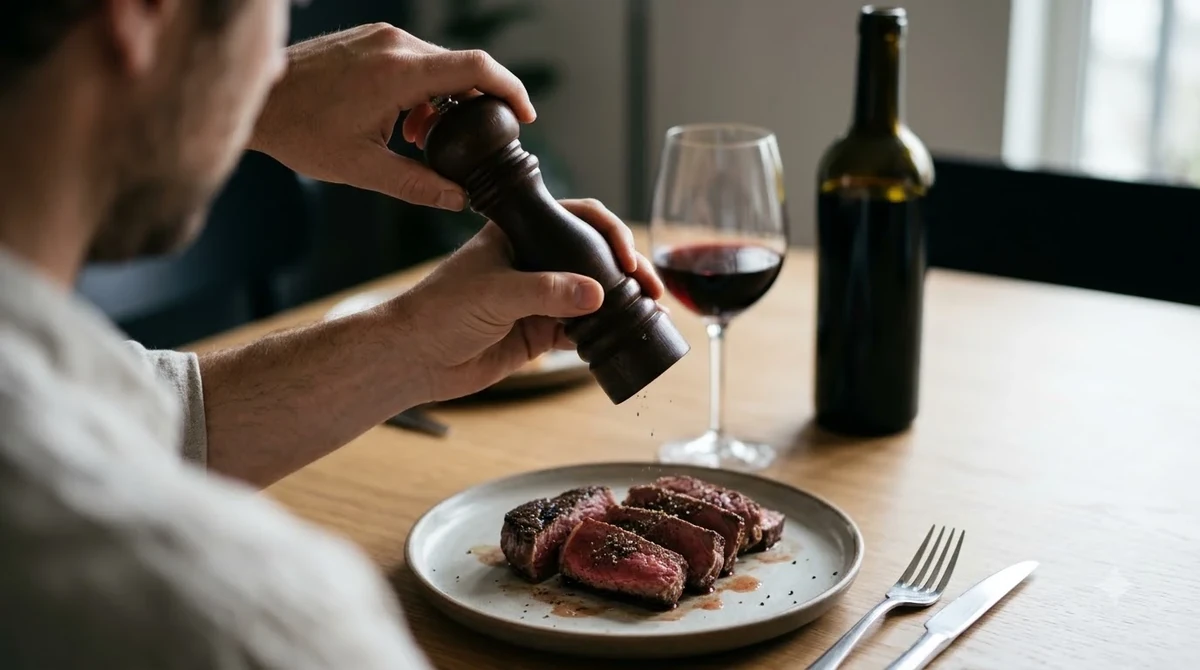
High-acid white wine generally works better with seafood, vegetables, and lighter poultry than with fatty, heavily grilled red meat. The wine’s delicate fruit and herbal notes can be overwhelmed by strong char, concentrated meat flavors, and rich sauces.
Oily fish also deserves some consideration. A tannic red wine can clash with oily fish, but a crisp white wine is often a more suitable starting point. Choose preparation methods and sauces that complement rather than overpower the wine’s acidity.
Expecting Every Vintage to Taste Identically
Vintage conditions, grape ripeness, and blending decisions can affect the final wine. The official 2024 technical sheet, for example, reports 13.5% ABV, while another vintage may have different measurements. A tasting impression from a 2022 or 2024 bottle should therefore not be treated as a universal description of every release.
An independent review of the 2022 vintage described the wine as straightforward, fruity, and highly acidic, while the 2024 review from Tastings.com highlighted a bright, smooth, medium-to-full-bodied profile. These descriptions overlap, but they also demonstrate why vintage differences and individual tasting preferences matter.
The independent Tastings.com review of the 2024 bottling provides another perspective, describing passion fruit, grapefruit, Meyer lemon, yellow pepper, and peach alongside a smooth finish. Its tasting assessment is useful as an additional reference, although personal preferences will always influence how a wine is received.
Care, Serving, and Storage Tips
Kim Crawford Sauvignon Blanc is best enjoyed while its fresh fruit and aromatic character remain lively. Proper refrigeration, appropriate glassware, and sensible storage after opening help preserve the qualities that make this wine appealing.
Serve Between 45 and 50 Degrees Fahrenheit
Light whites and rosé wines generally benefit from serving temperatures between 45 and 50 degrees Fahrenheit. This range is a useful starting point for Kim Crawford because it preserves the refreshing impression of acidity while allowing citrus and tropical fruit aromas to develop.
A bottle that has been stored in a standard refrigerator may initially be colder than this range. Allow it to warm slightly before pouring if the fruit aromas seem muted. Conversely, a bottle left on a warm kitchen counter may benefit from additional chilling.
Choose an Appropriate Glass
A standard white wine glass works well. A moderately sized bowl provides enough room for the passion fruit, grapefruit, and herbal aromas to develop without requiring the large bowl used for some full-bodied reds.
There is no need for specialized glassware to enjoy this bottle. A clean white wine glass is sufficient for everyday drinking, dinner parties, and casual tastings.
Store the Bottle Properly
Keep unopened wine away from direct sunlight, strong temperature fluctuations, and sources of heat. A cool storage environment near 55 degrees Fahrenheit is a useful general target for wine storage. A wine refrigerator is helpful if bottles are kept for extended periods, although this particular style is generally intended for relatively early enjoyment rather than lengthy cellaring.
For short-term storage, refrigeration is appropriate. If the bottle has a screw cap, keep it tightly closed and store it upright in the refrigerator. The wine should remain protected from strong food odors and temperature fluctuations.
Preserve Opened Wine
After opening, reseal the bottle promptly and return it to the refrigerator. Most opened still white wines retain their best qualities for approximately three to five days, although the precise period depends on storage conditions and exposure to oxygen.
As the days pass, the wine may gradually lose its fresh citrus aromas and become less lively. A properly fitted closure reduces unnecessary oxygen exposure, but it cannot completely stop the wine from changing.
For a standard 750 ml bottle, a typical five-ounce pour provides approximately five glasses. This is a useful serving reference for dinner planning and helps prevent excessive pouring when serving several guests.
Frequently Asked Questions
Is Kim Crawford Sauvignon Blanc a good wine for beginners?
Yes, its recognizable fruit aromas and straightforward flavor profile make it accessible to people learning about Sauvignon Blanc. The wine also provides a useful introduction to the Marlborough style without requiring detailed knowledge of wine regions or production techniques. Its acidity is noticeable, so beginners who prefer softer white wines may need some time to appreciate it.
Does Kim Crawford Sauvignon Blanc need to be decanted?
No, conventional decanting is generally unnecessary for this young, aromatic white wine. Pouring it directly into a clean white wine glass is sufficient. Unlike some young full-bodied reds, it does not normally require 30 to 60 minutes of aeration before serving.
Can Kim Crawford Sauvignon Blanc be used for cooking?
Yes, a dry Sauvignon Blanc can be used in dishes that benefit from citrus-like acidity and fresh wine character. It can contribute freshness to seafood sauces, vegetable preparations, and some chicken dishes. Avoid using a wine that has become noticeably oxidized or unpleasant after being left open for too long.
Is Kim Crawford Sauvignon Blanc suitable for a wine gift?
It can be a sensible gift for someone who regularly enjoys New Zealand Sauvignon Blanc or crisp white wines. Its recognizable regional style makes it a relatively straightforward choice for casual occasions. For a collector who prefers rare wines or age-worthy bottles, a more specialized selection may be appropriate.
How long can an unopened bottle of Kim Crawford Sauvignon Blanc be kept?
For the freshest fruit and aromatic expression, it is generally sensible to enjoy this style within a few years of its vintage rather than treating it as a long-term cellar wine. Tastings.com lists the reviewed 2024 bottling as suitable for drinking from release through approximately three years. Proper storage away from heat and sunlight remains important throughout that period.
Kim Crawford Sauvignon Blanc is a good everyday choice for people who appreciate dry, aromatic white wine with lively acidity and recognizable tropical fruit flavors. Its greatest strengths are approachability, freshness, and versatility with seafood, salads, and lighter meals, although drinkers seeking exceptional complexity may prefer a more specialized Sauvignon Blanc. For anyone looking for a familiar Marlborough style, it is a worthwhile bottle to consider.
More in Wine Brands
 Underwood Wine Price: Compare Bottles, Cans, and Pack SizesUpdated Nov 21, 2026
 Zenato Wine Price: Compare Styles and Choose the Right BottleUpdated Nov 21, 2026
 Zuccardi Wine Price: Compare Bottles and Find the Right RangeUpdated Nov 21, 2026
 Yellow Tail Moscato Review: Taste, Sweetness and Serving TipsUpdated Nov 21, 2026
 Wolf Blass Yellow Label Review: Choose Your Best StyleUpdated Nov 21, 2026
 Wolffer Estate Rose Review: Choose the Right Bottle for Your TableUpdated Nov 21, 2026