

We may earn a commission when you buy through links on this page, at no extra cost to you. Learn more.
Is fresh vine wine good? Yes, Fresh Vine Wine is worth considering if you enjoy approachable California wines and want lower-sugar, lower-carbohydrate options without giving up traditional grape varieties. Its lineup includes Cabernet Sauvignon, Pinot Noir, Chardonnay, Sauvignon Blanc, and rosé, giving shoppers several familiar styles to choose from. Its appeal is strongest among people who prioritize nutritional information and easy-drinking wines, although it may not satisfy everyone looking for complex, powerful, or age-worthy bottles.
Fresh Vine Wine occupies an interesting position in the American wine market. Rather than building its identity around rare vineyard sites or traditional luxury winemaking, the brand emphasizes recognizable California varietals alongside carefully monitored sugar and carbohydrate levels. That makes it an appealing option for some everyday wine drinkers, but the important question is whether the wine itself delivers enough flavor and quality to justify a purchase. Here’s what to know about its taste, varieties, alcohol content, and value before choosing a bottle.
Who This Is For
Fresh Vine Wine is best suited to shoppers who want familiar California wine styles with a particular emphasis on lower sugar and carbohydrate content. It is also worth considering if you prefer accessible fruit flavors, straightforward varietal character, and bottles designed for casual meals rather than formal wine collecting.
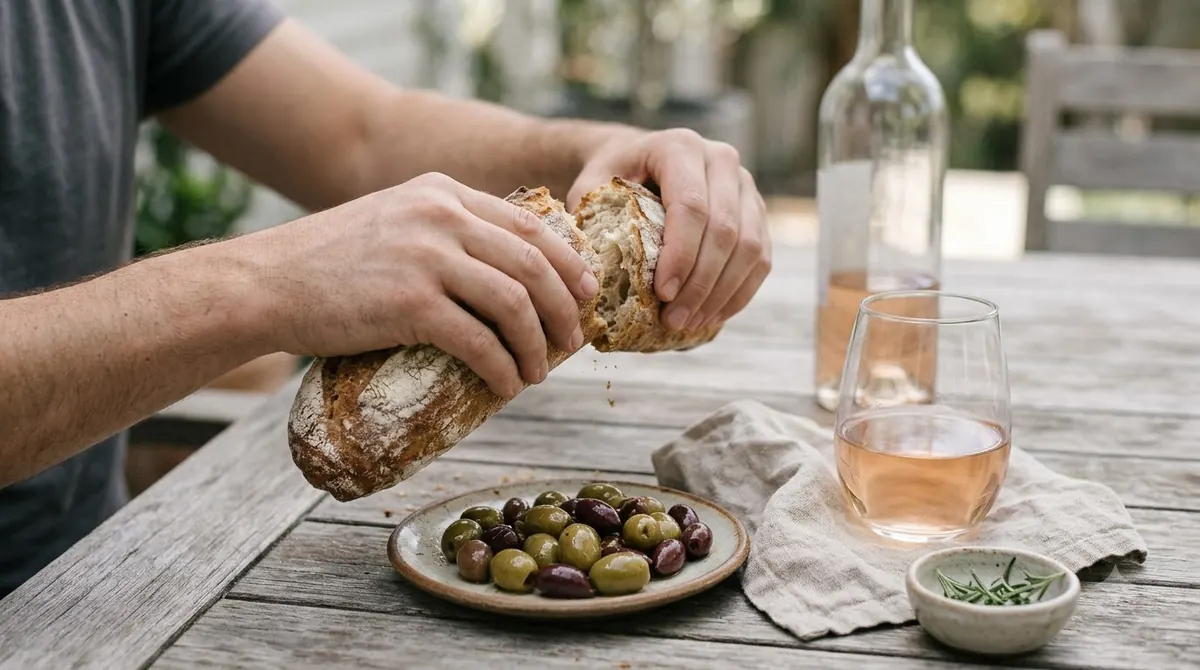
The brand’s positioning makes it particularly relevant to people comparing different approaches to everyday wine. Someone who normally buys Chardonnay, Pinot Noir, or Cabernet Sauvignon can explore a corresponding Fresh Vine bottle without learning an unfamiliar grape variety. The nutritional information adds another comparison point that many conventional wine labels do not prominently emphasize.
There is also a quality argument in the brand’s favor. Wine Enthusiast reviewed Fresh Vine’s 2020 California Cabernet Sauvignon and awarded it 87 points, placing it in the publication’s Very Good category. The reviewer described a relatively light-bodied Cabernet with black and red plum, boysenberry jam, licorice, and toasted wood characteristics. That is meaningful independent recognition, although one reviewed vintage cannot establish the quality of every wine in the collection. The Wine Enthusiast Fresh Vine Cabernet Sauvignon review provides further details about that particular bottling.
Fresh Vine may be less suitable for shoppers who want extensive vineyard information, numerous regional bottlings, or a broad selection of aged wines. Its range is relatively focused compared with established wine merchants and larger winery portfolios. Collectors seeking powerful Napa Cabernet Sauvignon or distinctive single-vineyard expressions may prefer producers whose primary focus is terroir and long-term cellaring.
Consider these general buyer profiles:
- Everyday wine drinkers: People looking for familiar grape varieties and approachable drinking styles.
- Nutrition-conscious shoppers: Buyers who compare sugar and carbohydrate information alongside flavor and alcohol content.
- Casual dinner hosts: People who want recognizable wines that can accompany chicken, seafood, pasta, and lighter meat dishes.
- Wine enthusiasts: Shoppers curious about how a lower-sugar-focused brand performs against conventional California wines.
- Traditional collectors: Less suitable for those primarily interested in extensive vineyard selections, collectible vintages, and complex cellar-worthy bottles.
The key distinction is that Fresh Vine should be evaluated as wine first and as a nutrition-conscious alternative second. A favorable nutritional profile does not automatically make a wine enjoyable, just as a conventional wine’s higher sugar content does not automatically indicate inferior quality.
Key Factors to Compare
The most useful way to evaluate Fresh Vine Wine is to compare five characteristics: grape variety, flavor profile, sugar, carbohydrates, and alcohol strength. These factors provide a much clearer picture of what you are buying than marketing language alone.
Fresh Vine’s Chardonnay offers a particularly useful example because H-E-B publishes specific nutritional and production information for this bottling. Its listed figures provide a concrete starting point for understanding the brand’s approach, although they should not automatically be applied to every other varietal.
| Comparison factor | Fresh Vine Chardonnay | What it means |
|---|---|---|
| Bottle size | 750 ml | Approximately five standard 5-ounce servings |
| Serving size | 5 fl oz | Standard wine serving reference |
| Calories | 98 | Listed per serving |
| Carbohydrates | 2.8 g | Listed per serving |
| Sugar | 0.1 g | Listed per serving |
| Alcohol | 13.5% ABV | Alcohol concentration |
| Oak aging | 1 year | Includes 15% new French oak |
| Fermentation | Stainless steel | Part of the stated Chardonnay production approach |
These figures come from H-E-B’s Fresh Vine Chardonnay product listing. They demonstrate that a wine can have very little reported sugar while retaining a conventional wine alcohol concentration. The 13.5% ABV figure is especially important because lower sugar should never be confused with low alcohol.
Flavor is the next consideration. The Chardonnay description includes ripe pear, green apple, lychee, hazelnut, tropical fruit, and citrus. These characteristics suggest a fuller white wine with fruit richness and some oak influence rather than a very lean, purely citrus-driven style.
For red wine shoppers, the Cabernet Sauvignon provides another useful reference. Wine Enthusiast’s reviewed 2020 bottling had 13.5% ABV and a relatively light body for the variety. Its plum, boysenberry, licorice, and toasted wood notes suggest a fruit-forward profile rather than an exceptionally concentrated, heavily structured Cabernet.
Compare the following characteristics before choosing:
- Body: Light-bodied wines generally feel less weighty, while full-bodied wines create a richer impression.
- Acidity: Higher acidity makes a wine feel fresher and more refreshing.
- Tannin: Important in red wines, tannin creates a drying sensation, particularly in Cabernet Sauvignon.
- Oak influence: Oak can introduce vanilla, toast, spice, and richer textural characteristics.
- Alcohol: ABV indicates alcohol concentration, not sweetness or overall wine quality.
Tip: Compare the nutrition information for the exact varietal you intend to purchase. Fresh Vine Chardonnay’s published figures are useful, but they should not be treated as universal nutritional values for its Cabernet Sauvignon, Pinot Noir, Sauvignon Blanc, or rosé.
Step-by-Step: How to Choose Fresh Vine Wine
Choosing the right Fresh Vine bottle becomes easier when you begin with the occasion and your preferred wine style. Instead of automatically selecting the bottle with the most attractive nutritional claims, match the grape variety, structure, and serving conditions to what you actually enjoy drinking.
-
Decide between red, white, rosé, and sparkling wine.
Start with the basic category. Choose red wine for dishes such as grilled beef and mushroom pasta, white wine for seafood and chicken, and rosé for lighter meals and casual gatherings. Sparkling rosé is another option when you want bubbles rather than a conventional still wine.
-
Choose a grape variety that suits your palate.
Cabernet Sauvignon generally has higher tannin and a fuller structure than Pinot Noir. Chardonnay usually offers a broader, rounder texture, while Sauvignon Blanc typically emphasizes acidity and fresh citrus or green-fruit character. Pinot Noir is a useful starting point if you prefer lighter reds.
-
Compare the nutritional information.
Look for calories, sugar, and carbohydrates per serving. Fresh Vine Chardonnay’s H-E-B listing provides a useful example at 98 calories, 2.8 grams of carbohydrates, and 0.1 gram of sugar per 5-ounce serving. Different wines can have different nutritional profiles.
-
Check alcohol concentration separately.
Do not assume a wine with less sugar has less alcohol. Fresh Vine Chardonnay is listed at 13.5% ABV, while Wine Enthusiast also lists 13.5% for the reviewed 2020 Cabernet Sauvignon. These are conventional wine-strength figures.
-
Think about food pairings.
A crisp white wine may work better with lemon-seasoned fish than a structured red. Cabernet Sauvignon is generally more suitable for beef, lamb, and dishes containing rich sauces. Match the intensity of the food to the intensity of the wine.
-
Consider independent reviews.
Look for assessments of the exact varietal and vintage rather than assuming that one favorable review represents the entire range. Wine Enthusiast’s 87-point Cabernet review is a useful reference for that particular bottling.
-
Choose a bottle size and serving occasion.
A standard 750 ml bottle provides approximately five 5-ounce servings. That is a practical amount for a small dinner or a tasting with several people, especially when serving more than one wine style.
This approach helps prevent a common purchasing mistake: selecting wine solely because it has a low-sugar claim. Flavor, balance, body, and compatibility with food still determine whether a bottle is a good match.
Fresh Vine Wine Types and Styles Explained
Fresh Vine’s range covers several familiar varietals, which makes it relatively easy for shoppers to find a recognizable style. Each grape has different characteristics, so the best bottle depends on whether you prefer fruit-forward reds, refreshing whites, or versatile rosé.
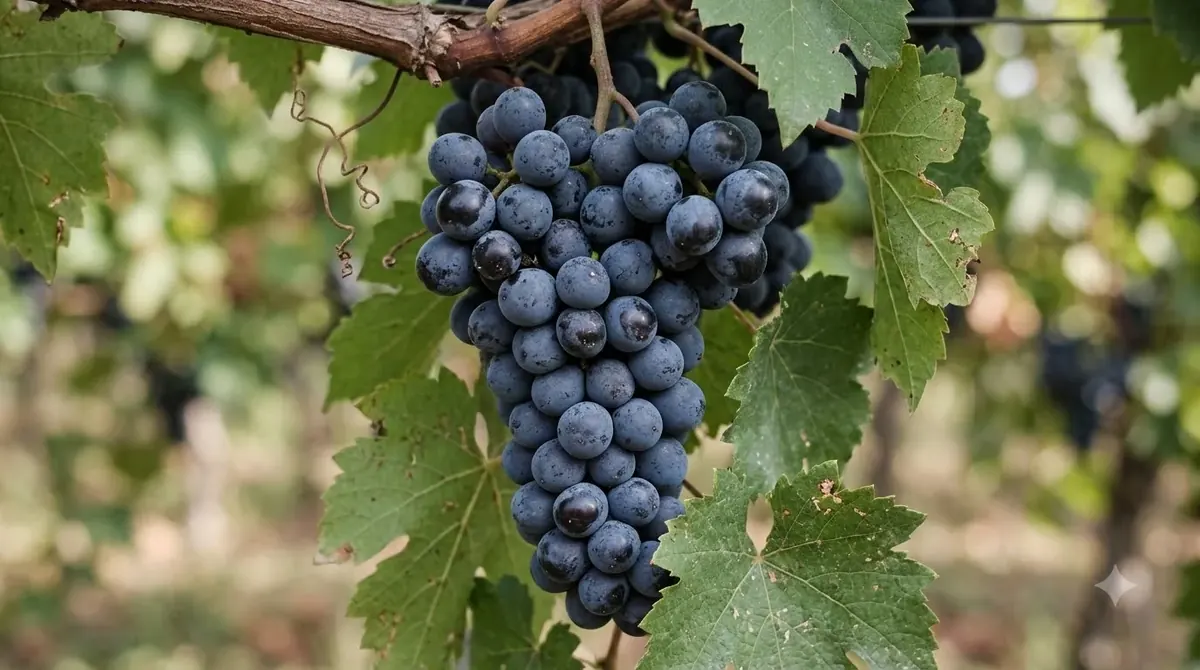
Cabernet Sauvignon
Cabernet Sauvignon is the natural choice for people who prefer red wine with recognizable dark-fruit flavors. The reviewed Fresh Vine 2020 California Cabernet Sauvignon offers a useful indication of its style: Wine Enthusiast described black plum, red plum, boysenberry jam, licorice, and toasted wood, while characterizing its body as relatively light for the grape.
That description matters because Cabernet Sauvignon is often associated with substantial tannin and firm structure. Fresh Vine’s reviewed bottling appears to offer a more approachable interpretation. It may appeal to shoppers who like Cabernet flavors but do not necessarily want a particularly heavy red wine.
Serve Cabernet Sauvignon around 60–65 F. Pair it with grilled beef, roasted lamb, aged cheddar, or mushroom dishes. Salt and fat can soften the perception of tannin, making richer foods useful partners for this variety.
Pinot Noir
Pinot Noir is generally a lighter red with lower-to-medium tannin and relatively high acidity. It is a good option for people who find Cabernet too structured or prefer red wines that can accompany a wider range of lighter meals.
Look for red cherry, raspberry, cranberry, and subtle earthy characteristics as general Pinot Noir reference points. These are typical grape-variety expectations rather than verified tasting notes for every Fresh Vine vintage.
Serve Pinot Noir around 55–60 F. It works particularly well with roast chicken, grilled salmon, mushroom risotto, and roasted vegetables. Its acidity can help balance dishes containing butter or other rich ingredients.
Chardonnay
Fresh Vine Chardonnay is one of the more clearly documented bottles in the range. H-E-B describes ripe pear, green apple, lychee, hazelnut, tropical fruit, and citrus, with a full-bodied palate and a lingering finish.
The production description is also informative. The wine is listed as stainless-steel fermented and aged for one year with 15% new French oak. This combination helps explain why its style can offer both freshness and richer oak-associated characteristics.
Its listed nutritional profile is 98 calories, 2.8 grams of carbohydrates, and 0.1 gram of sugar per 5-ounce serving. At 13.5% ABV, it is not a low-alcohol wine. Serve full-bodied Chardonnay at approximately 50–55 F.
Sauvignon Blanc
Sauvignon Blanc is usually the best starting point for shoppers who prefer crisp white wines. Its naturally high acidity makes it refreshing, particularly alongside seafood, salads, fresh herbs, and citrus-based sauces.
Typical Sauvignon Blanc characteristics include grapefruit, lime, green apple, gooseberry, and grassy aromas. These are general varietal characteristics, not a substitute for a specific tasting assessment of a Fresh Vine bottle.
Serve Sauvignon Blanc at approximately 45–50 F. Its acidity makes it particularly useful with dishes containing lemon, vinegar, and other bright ingredients.
Rosé and Sparkling Rosé
Rosé provides a middle ground between red and white wine. Depending on the grape blend and winemaking approach, it can offer red-fruit flavors with refreshing acidity and relatively little tannin.
It is a flexible choice for grilled shrimp, salads, charcuterie, light pasta, and outdoor meals. Serve still rosé at 45–50 F to preserve its refreshing character.
Sparkling rosé offers a different experience through carbonation. The bubbles make it particularly suitable for celebrations, appetizers, and salty snacks. Serve sparkling wine colder, around 40–50 F.
Fresh Vine’s selection has included these styles alongside a Limited Reserve Napa Cabernet Sauvignon. However, availability can vary, so shoppers should distinguish between the brand’s broader product lineup and individual bottles currently offered by retailers.
Common Mistakes When Buying Fresh Vine Wine
Most misunderstandings about Fresh Vine Wine come from treating its nutritional positioning as a complete measure of quality. A better assessment separates wine flavor, production, alcohol concentration, and nutritional information.
Confusing low sugar with low alcohol
This is probably the most important distinction. Sugar and alcohol are separate characteristics, and fermentation converts grape sugars into alcohol. A dry wine can contain very little residual sugar while still having a substantial ABV.
Fresh Vine Chardonnay provides a clear example: its published listing shows 0.1 gram of sugar per serving alongside 13.5% ABV. Someone specifically looking for lower-alcohol wine should compare alcohol percentages rather than relying on sugar claims.
Assuming every varietal tastes the same
Cabernet Sauvignon and Pinot Noir are both red wines, but their structures differ considerably. Cabernet generally has more tannin, while Pinot Noir tends to be lighter and more acidic. Chardonnay and Sauvignon Blanc also offer distinctly different experiences, despite both being white wines.
Choosing the right grape variety is more useful than assuming the brand has one universal flavor profile.
Expecting every bottle to have an independent review
Independent coverage of a wine brand can be uneven. Wine Enthusiast’s reviewed 2020 Cabernet provides a useful reference, but that does not mean every Fresh Vine varietal has received the same level of professional assessment.
Similarly, online customer feedback can be helpful, but reviews of one vintage should not be transferred automatically to another. Vintage, production decisions, storage conditions, and serving temperature can all influence the experience.
Judging quality by marketing alone
Terms such as premium, low sugar, and lifestyle-friendly describe positioning rather than proving wine quality. Look for evidence in the form of independent reviews, clearly stated production details, and specific tasting descriptions.
Fresh Vine has some useful supporting information, including a professional Cabernet assessment and detailed Chardonnay specifications from a major retailer. Those are better starting points than relying exclusively on promotional language.
Ignoring the food pairing
Even a well-made wine can seem disappointing beside the wrong dish. Highly tannic red wines can clash with oily fish, while chili heat can become more pronounced with wines that have substantial alcohol and tannin.
For Fresh Vine, match Cabernet Sauvignon with richer meats, Chardonnay with roasted poultry and creamy dishes, and Sauvignon Blanc with seafood and acidic preparations. This makes the wine’s natural characteristics more enjoyable.
Care, Serving, and Storage Tips
Proper serving and storage can make a noticeable difference to Fresh Vine Wine. The most important details are temperature, bottle handling, glass size, and how quickly an opened bottle is consumed.
Serve each varietal at the right temperature
Temperature affects how strongly you perceive fruit, acidity, alcohol, and tannin. Serving white wine too warm can make it seem heavier, while serving red wine too cold can make tannins feel more prominent.
- Cabernet Sauvignon: 60–65 F.
- Pinot Noir: 55–60 F.
- Chardonnay: 50–55 F.
- Sauvignon Blanc: 45–50 F.
- Still rosé: 45–50 F.
- Sparkling rosé: 40–50 F.
These are practical serving ranges rather than strict rules. If a Chardonnay seems too warm or a red seems too cold, allow the wine to adjust gradually before pouring another glass.
Store unopened bottles correctly
Wine generally benefits from a cool, dark, stable storage environment. A temperature near 55 F is a useful reference for longer-term storage, although a consistent temperature matters more than achieving an exact number.
Keep bottles away from direct sunlight, radiators, kitchen appliances, and locations with repeated temperature changes. Bottles sealed with natural cork are generally stored on their sides to keep the cork from drying out. Avoid unnecessary movement, especially when storing bottles for an extended period.
Preserve opened wine
Once opened, wine begins to interact with oxygen. Refrigeration slows this process, even for red wines, and helps preserve freshness.
- Still white wines: Approximately 3–5 days refrigerated.
- Still red wines: Approximately 3–5 days refrigerated.
- Sparkling wines: Approximately 1–3 days when properly sealed.
These are general storage estimates rather than guarantees. The wine’s condition, closure, temperature, and exposure to oxygen all affect how long it remains enjoyable.
Use appropriate glassware and serving sizes
A standard 5-ounce pour is a useful reference when comparing wine characteristics and nutritional figures. A 750 ml bottle provides approximately five such servings.
Use a standard wine glass for Cabernet Sauvignon and Pinot Noir, allowing enough room to swirl the wine. Chardonnay and Sauvignon Blanc also benefit from glasses that concentrate aromas without requiring oversized bowls.
For a young, particularly concentrated red wine, decanting for 30–60 minutes can help soften its initial impression and allow aromas to develop. This is not essential for every Fresh Vine bottle, especially a lighter-bodied Cabernet intended for relatively straightforward drinking.
Fresh Vine is primarily a practical everyday wine choice, so storage should focus on maintaining freshness rather than assuming every bottle needs years of cellaring. Buy the style you intend to drink and keep it under stable conditions.
Frequently Asked Questions
Who founded Fresh Vine Wine?
Fresh Vine Wine was founded by Nina Dobrev and Julianne Hough, who were associated with the brand’s development and promotion. The company also identified Napa winemaker Jamey Whetstone in its corporate materials. These associations help explain the brand’s positioning, but the founders’ celebrity profiles should not be treated as a measure of wine quality.
Is Fresh Vine Wine vegan-friendly?
H-E-B describes Fresh Vine Chardonnay as vegan-friendly and gluten-free. That information applies to the listed Chardonnay product and should not automatically be extended to every wine in the range. Shoppers following specific production requirements should seek confirmation for the exact bottle they intend to purchase.
Does Fresh Vine Wine use oak barrels?
Fresh Vine Chardonnay’s H-E-B product description states that it is aged for one year in French oak, including 15% new oak. This provides a specific example of oak use within the collection. Production methods can differ between grape varieties, so the Chardonnay details should not be assumed to describe the red wines.
How many servings are in a standard Fresh Vine bottle?
A standard 750 ml bottle contains approximately 25.4 fluid ounces. Dividing that amount into 5-ounce pours gives approximately five servings, with a small remainder. Actual servings depend on the amount poured into each glass.
Can Fresh Vine Wine be used for cooking?
Yes. Fresh Vine Chardonnay can work in cream-based sauces, risotto, and chicken dishes, while Cabernet Sauvignon can be used in beef stews and red-wine reductions. Choose a dry style appropriate to the recipe rather than relying on the brand’s nutritional positioning, since cooking concentrates some wine flavors as liquid evaporates.
Fresh Vine Wine is a worthwhile option for shoppers who want familiar California varietals with a clear emphasis on lower sugar and carbohydrate content. Its Chardonnay has particularly useful published production and nutritional information, while its reviewed Cabernet Sauvignon provides evidence of an approachable, fruit-forward red style. Compare the individual wines rather than judging the entire brand by one bottle, and prioritize flavor, alcohol concentration, and food compatibility alongside nutritional details.
If you are comparing the collection with other accessible California labels, explore our guides to Fresh Vine Wine, Fresh Vine Wine alcohol content, and Beringer Main & Vine. These comparisons can help clarify which style and production approach best matches your preferences.
More in Wine Brands
 Is Penfolds Wine Good? How to Choose the Right BottleUpdated Nov 21, 2026
 Is J Lohr Wine Good? What to Know Before You BuyUpdated Nov 21, 2026
 Is Hardys Wine Good? How to Choose the Right BottleUpdated Nov 21, 2026
 Is Gnarly Head Wine Good? Find the Right Bottle for Your TasteUpdated Nov 21, 2026
 Is Grahams Port Good? Quality, Styles, and What to BuyUpdated Nov 21, 2026
 Is Gerard Bertrand Wine Good? How to Choose a Bottle You’ll EnjoyUpdated Nov 21, 2026