

We may earn a commission when you buy through links on this page, at no extra cost to you. Learn more.
Is Fre wine good? Yes, FRE is a worthwhile alcohol-removed wine for people who want recognizable wine flavors without drinking a conventional alcoholic wine, particularly if they enjoy approachable fruit-forward styles. Its biggest strengths are its selection of grape varieties, accessible flavor profiles, and traditional winemaking followed by alcohol removal. However, FRE does not perfectly reproduce the body, aroma, structure, or finish of regular wine, and some bottles can taste sweeter or lighter than traditional alternatives. It is best viewed as an approachable alcohol-removed option rather than a direct replacement for every bottle in a conventional wine collection.
FRE is a familiar name in the alcohol-removed wine category, offering California-made Cabernet Sauvignon, Chardonnay, Merlot, Sauvignon Blanc, sparkling wine, and several other styles. Its appeal comes from a production process that begins with fermented wine rather than simply mixing grape juice and water. Understanding that distinction, along with the differences between individual varieties, makes it easier to decide whether FRE deserves a place at your table.
Who Should Buy FRE Wine?
FRE is a good choice for wine drinkers who want the appearance, aromas, flavors, and social experience of wine while keeping alcohol consumption very low. Its approachable selection also makes it suitable for casual dinners, celebrations, and occasions where guests have different drinking preferences.
The brand is particularly appealing to people who enjoy the familiar taste of California wine but do not necessarily need the intensity of a traditional 12% to 15% ABV bottle. FRE generally contains less than 0.5% alcohol by volume, according to its official production information. This makes it a useful option for people seeking an alcohol-removed beverage, although it should not automatically be treated as completely alcohol-free.
Another advantage is the variety of available styles. Someone who normally drinks Sauvignon Blanc can choose a recognizable white wine style, while a Cabernet Sauvignon drinker can select a fruit-forward red instead of settling for a generic sparkling alternative. The collection also includes Moscato, Rosé, Pinot Grigio, Merlot, Red Blend, and Sparkling Brut.

FRE is especially worth considering in these situations:
- Casual wine drinkers: People who enjoy accessible fruit flavors and do not require the complexity of premium traditional wines.
- Social occasions: Hosts who want a wine-style beverage available alongside conventional wine and other nonalcoholic drinks.
- Curious wine shoppers: People interested in exploring alcohol-removed winemaking without starting with an expensive specialty bottle.
- Variety seekers: Buyers who prefer having choices between reds, whites, rosé, and sparkling wine.
- Food-focused drinkers: People who want to pair a wine-style beverage with cheese, pasta, seafood, or a casual meal.
FRE is less suitable for someone expecting the full weight and complexity of a traditional Napa Cabernet Sauvignon or Burgundy Pinot Noir. Alcohol contributes to the perception of body, warmth, and flavor intensity, so removing it changes the drinking experience. People who are particularly sensitive to residual alcohol should also pay attention to the stated ABV rather than relying solely on the phrase nonalcoholic.
For a closer look at the complete selection, the FRE wine collection provides a useful starting point for comparing available varieties and styles. Shoppers can then narrow their choices according to sweetness, acidity, and the types of wine they normally enjoy.
Key Factors That Determine FRE Wine Quality
The quality of FRE depends on more than whether alcohol has been removed successfully. Its grape variety, sweetness, aroma retention, acidity, mouthfeel, and intended drinking occasion all influence whether a particular bottle will be enjoyable.
One important consideration is how the wine is made. FRE explains that it begins with conventionally fermented California wine and then uses spinning cone and vacuum distillation technology to remove alcohol. During the spinning cone process, centrifugal force spreads wine into a thin film while nitrogen helps capture delicate aroma compounds. The alcohol is removed during a subsequent processing stage, and the captured essences are recombined with the dealcoholized wine. FRE also blends in unfermented varietal grape juice to replace lost volume.
This is a more wine-focused approach than simply producing a grape-flavored beverage. However, the final result still differs from the original wine. A scientific review published in Food and Bioprocess Technology examined 53 research records and found that dealcoholization can influence aroma compounds, acidity, color, phenolic composition, and sensory characteristics. The results depend on the original wine and the processing conditions.
For additional background, the research review examines the effects of dealcoholization on wine quality, including the factors that influence aroma retention and consumer perception.
Sweetness and flavor balance
Sweetness is one of the most important considerations when choosing FRE. Alcohol-removed wines can have a different balance from their conventional counterparts because ethanol contributes to texture, warmth, and the overall perception of flavor. Residual sweetness and added grape juice can also influence the finished profile.
Someone who normally enjoys dry Cabernet Sauvignon may find a sweeter alcohol-removed red less satisfying. Likewise, a person who prefers off-dry or fruity wines may find FRE more appealing than someone who primarily drinks structured, bone-dry European wines.
Body and texture
Traditional wine has a physical weight that comes partly from alcohol. Without the same alcohol concentration, FRE can feel lighter on the palate. This is particularly noticeable when comparing an alcohol-removed Cabernet Sauvignon with a conventional full-bodied red.
Rather than treating lighter texture as an automatic quality problem, consider the intended occasion. A refreshing glass with dinner may be perfectly satisfying even if it does not deliver the same richness as a traditional wine.
Comparison checklist
| Quality factor | What to look for | Why it matters |
|---|---|---|
| Alcohol content | Typically below 0.5% ABV | Establishes how much alcohol remains. |
| Sweetness | Dry, fruity, or noticeably sweet | Determines whether the style suits your palate. |
| Acidity | Fresh citrus or crisp fruit character | Helps the wine remain refreshing with food. |
| Body | Light, medium, or relatively full | Influences texture and perceived richness. |
| Aroma | Fruit, floral, spice, or citrus notes | Contributes to the overall wine experience. |
| Serving temperature | Approximately 45–60°F depending on style | Helps preserve freshness and balance. |
These factors are more useful than choosing a bottle simply because it carries a familiar grape name. FRE Cabernet Sauvignon and traditional Cabernet Sauvignon share a grape variety, but their texture, intensity, and overall balance can be quite different.
Step-by-Step: How to Choose the Right FRE Wine
Choosing a satisfying bottle of FRE becomes easier when you start with your usual wine preferences rather than assuming every alcohol-removed variety tastes alike. A few simple comparisons can help narrow the selection before purchasing.
-
Identify your usual wine style.
Start by considering whether you normally drink red, white, rosé, sparkling, or sweet wine. If Cabernet Sauvignon is your usual choice, begin with FRE Cabernet Sauvignon or Red Blend. Chardonnay and Sauvignon Blanc drinkers should start with the corresponding white varieties.
-
Decide how much sweetness you enjoy.
Think about whether you prefer dry wines, fruity wines, or sweeter styles. Moscato and White Zinfandel are sensible starting points for shoppers who enjoy noticeable fruitiness. Those who prefer traditional dry wine should compare the individual product profiles before selecting a bottle.
-
Choose according to the occasion.
For a weekday dinner, a still white or red may be more practical. For a celebration or appetizer course, Sparkling Brut offers bubbles and a recognizable celebratory presentation. Rosé can also work well for casual gatherings and lighter meals.
-
Check the alcohol content.
FRE describes its collection as typically containing less than 0.5% ABV. Individual products may have more specific figures, so examine the product information if the remaining alcohol is an important consideration. Do not assume that every bottle contains exactly 0.0% ABV.
-
Match the wine with your meal.
Consider the acidity, sweetness, and intensity of the food. Sauvignon Blanc works naturally with salads and seafood, while Cabernet Sauvignon is a more logical choice for hearty dishes and grilled foods. Sweet wine should generally be at least as sweet as the dessert accompanying it.
-
Serve it at the appropriate temperature.
Chill Sparkling Brut and lighter whites to approximately 40–50°F. Rosé and light whites generally work well around 45–50°F, while full-bodied whites can be served around 50–55°F. Reds benefit from slight chilling, usually around 55–60°F for lighter styles and 60–65°F for fuller styles.
-
Start with one bottle before buying several.
Alcohol-removed wine is a category where personal preference matters considerably. Buying one bottle of your preferred grape variety gives you an opportunity to evaluate its sweetness, aroma, texture, and food compatibility before committing to a larger purchase.
Tip: If you normally drink dry red wine, start with FRE Cabernet Sauvignon rather than Moscato or White Zinfandel. If you prefer crisp whites, compare Sauvignon Blanc and Pinot Grigio before choosing a sweeter variety. Matching your familiar wine style is often the easiest way to find a satisfying first bottle.
There is no universally correct FRE variety. The best choice is the one that matches the flavors you already enjoy, rather than the bottle with the most familiar grape name or the most impressive description.
FRE Wine Types and Styles Explained
FRE offers several recognizable wine varieties, covering red, white, rosé, sweet, and sparkling styles. Understanding the differences helps buyers select a bottle that fits their usual drinking habits and the food they plan to serve.
The following overview focuses on the characteristics associated with each grape or wine style. These are useful starting points, but the actual sweetness and texture of an alcohol-removed wine may differ from its conventional counterpart.
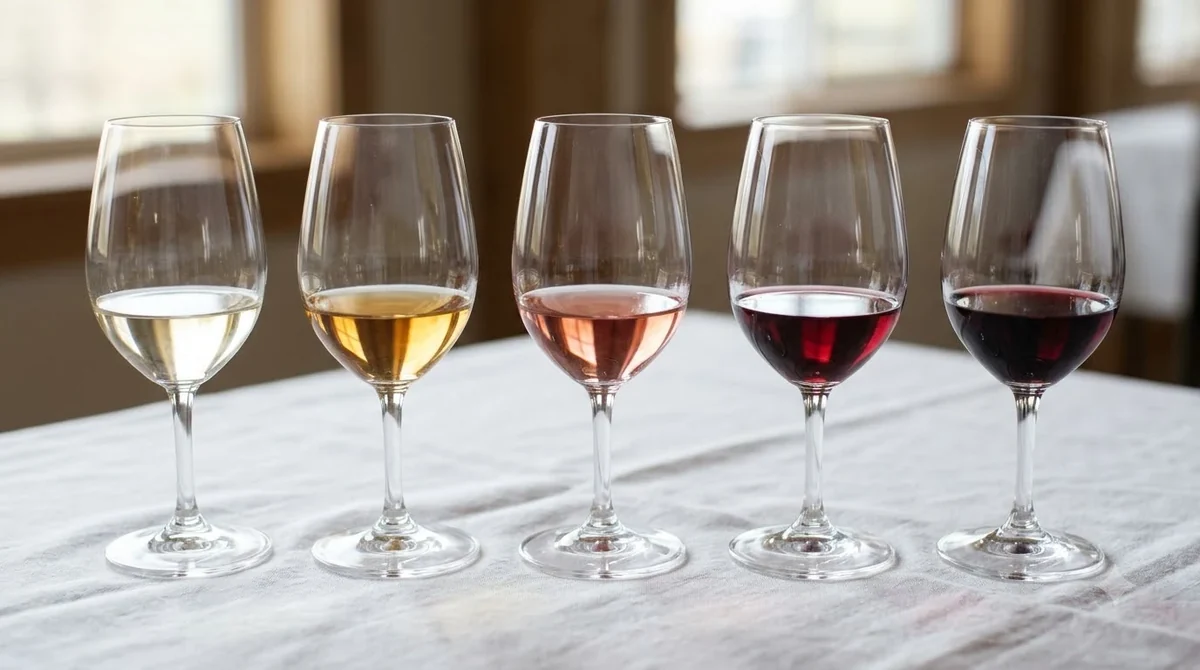
Red wines: Cabernet Sauvignon, Merlot, and Red Blend
FRE Cabernet Sauvignon is a logical starting point for people who enjoy darker fruit flavors. The producer describes dark cherry aromas, berries, spice, and a juicy finish. An independent product review by The Dry Standard also describes its profile as soft and fruit-forward, with mixed berries and light spice.
However, buyers should not expect the same tannin structure or weight as a traditional Cabernet Sauvignon. Conventional Cabernet is typically high in tannin, while removing alcohol changes the way the finished wine feels in the mouth. FRE Cabernet Sauvignon is better approached as an accessible red wine-style beverage than as a direct substitute for a powerful cellar-worthy red.
Merlot is another option for shoppers who prefer softer red wine characteristics. Conventional Merlot typically has medium tannin and a smoother profile than Cabernet Sauvignon. FRE Red Blend provides another route for people who want a mixed red wine style rather than focusing on one grape variety.
White wines: Chardonnay, Sauvignon Blanc, and Pinot Grigio
FRE Chardonnay is worth considering for people who enjoy softer white wine styles with apple and pear characteristics. Traditional Chardonnay usually has medium acidity, although its profile varies depending on winemaking techniques and whether oak is used.
Sauvignon Blanc is a better starting point for people who prefer fresher acidity and citrus-driven flavors. Conventional Sauvignon Blanc typically has high acidity, making it a useful companion for salads, seafood, goat cheese, and dishes with citrus-based sauces.
Pinot Grigio is another familiar option for shoppers who enjoy lighter white wine. It is generally associated with refreshing fruit flavors and an easygoing style, particularly when served chilled. These three options give FRE shoppers several different directions without requiring them to switch to an unfamiliar wine category.
Rosé, Moscato, and White Zinfandel
FRE Rosé is suitable for people who want a lighter-colored wine with a versatile food-pairing profile. It can accompany salads, grilled vegetables, mild cheeses, and lighter poultry dishes. Serving it around 45–50°F helps preserve its refreshing character.
Moscato is the more obvious option for someone who likes sweeter wines. Conventional Moscato typically has low to medium acidity, expressive fruit aromas, and a softer drinking profile. It can work with fruit desserts, mild cheeses, and dishes containing moderate sweetness.
White Zinfandel is another style to consider if you prefer fruit-forward rosé-like wines with noticeable sweetness. It is generally more appropriate for relaxed gatherings and lighter meals than for pairing with heavily tannic or intensely savory dishes.
Sparkling Brut
FRE Sparkling Brut is designed for celebrations, brunches, and occasions where bubbles are part of the experience. Consumer Reports describes its Sparkling Brut as refreshing and noticeably bubbly, with apple and pear flavors. Some tasters also found its sweetness more pronounced than they preferred for drinking multiple glasses.
This is an important distinction for buyers who expect Brut to taste bone-dry. Traditional sparkling wine sweetness categories progress from Brut Nature and Extra Brut through Brut, Extra Dry, Dry, Demi-Sec, and Doux. The word Brut therefore does not guarantee that every alcohol-removed sparkling wine will taste identical to a conventional dry Champagne.
FRE Sparkling Brut is best considered by shoppers who prioritize bubbles, approachable fruit flavors, and a celebratory presentation over the complexity of traditional bottle-fermented sparkling wine.
Quick style comparison
| FRE variety | General style | Good starting point for |
|---|---|---|
| Cabernet Sauvignon | Fruit-forward red | Dark berry and cherry preferences |
| Merlot | Softer red | Approachable red wine drinkers |
| Red Blend | Mixed red style | Flexible everyday red options |
| Chardonnay | White wine | Apple and pear flavor preferences |
| Sauvignon Blanc | Fresh white | Crisp, higher-acidity styles |
| Pinot Grigio | Light white | Refreshing, lighter wines |
| Rosé | Pink wine | Casual meals and warm-weather occasions |
| Moscato | Sweet white | Fruit-forward wine drinkers |
| White Zinfandel | Fruity pink wine | People who enjoy sweeter styles |
| Sparkling Brut | Fruity sparkling wine | Celebrations and brunches |
For shoppers interested in the differences between red varieties, the FRE red wine selection is a useful place to compare Cabernet Sauvignon, Merlot, and Red Blend. Those who want a broader introduction to the brand can also explore FRE alcohol-removed wine and its different production and drinking styles.
Common Mistakes When Buying FRE Wine
Many disappointing experiences with alcohol-removed wine come from expecting it to behave exactly like conventional wine. FRE has recognizable grape varieties and wine-inspired characteristics, but the production process changes the finished beverage in ways that shoppers should understand.
Expecting identical traditional wine texture
The first mistake is assuming that alcohol removal leaves every sensory characteristic untouched. Alcohol contributes to perceived body, warmth, and the way aromas develop. Removing it can make a wine seem lighter, less persistent, or less complex than the original fermented version.
This difference can be especially noticeable in Cabernet Sauvignon and other traditionally full-bodied reds. Someone who regularly enjoys concentrated wines with substantial tannins may find an alcohol-removed red comparatively simple. That does not necessarily make the bottle poor quality; it means the product serves a different drinking preference.
Assuming every FRE variety is dry
Another common mistake is purchasing a bottle based solely on its grape name. Moscato, White Zinfandel, and Sparkling Brut can appeal to shoppers who enjoy fruit-forward or sweeter wines, but they may disappoint someone who expects a completely dry finish.
For example, a shopper who normally prefers crisp Sauvignon Blanc may find Moscato too sweet for a savory dinner. Likewise, someone expecting traditional Brut Champagne may find FRE Sparkling Brut noticeably fruitier than anticipated.
Confusing alcohol-removed with zero alcohol
FRE is generally classified as an alcohol-removed wine, not necessarily a completely alcohol-free beverage. Its stated level is typically below 0.5% ABV, which means small amounts of alcohol can remain after processing.
This distinction matters for people who require complete avoidance rather than simply a substantial reduction in alcohol. If 0.0% ABV is a strict requirement, a product with a general below-0.5% description should not be treated as equivalent.
Ignoring food compatibility
Even an approachable wine-style beverage can taste less satisfying when paired with the wrong meal. High-acidity foods generally work better with wines that have equal or greater acidity, while salt and fat can soften the perception of tannin in conventional red wine.
Spicy dishes can also be challenging because alcohol and tannin can amplify chili heat. With FRE, the reduced alcohol changes that interaction, but sweetness and acidity still influence how the pairing works. A sweeter wine may complement spicy food better than a very dry style.
Buying several bottles before discovering your preference
Alcohol-removed wines vary considerably between producers and individual styles. Someone who enjoys FRE Cabernet Sauvignon may not automatically enjoy its Sparkling Brut, and a fan of FRE Moscato may find its Sauvignon Blanc too crisp.
Start with one variety that matches your established preference. This makes it easier to evaluate the wine on its own merits instead of buying a large assortment that may not suit your palate.
FRE Wine Care, Serving, and Storage Tips
Proper serving and storage can improve the drinking experience, particularly because alcohol-removed wines are often more sensitive to freshness and flavor changes after opening. FRE recommends keeping its bottles cool and dark, serving whites and sparkling wines chilled, and enjoying opened bottles within 1–2 days.
Serve each style at the right temperature
Temperature has a noticeable effect on aroma, acidity, sweetness, and texture. Serving a white wine too warm can make it seem less refreshing, while serving a red too cold can suppress its aromas.
These practical serving ranges provide a useful starting point:
- Sparkling Brut: Approximately 40–50°F.
- Sauvignon Blanc and Pinot Grigio: Approximately 45–50°F.
- Rosé: Approximately 45–50°F.
- Chardonnay: Approximately 50–55°F.
- Light red styles: Approximately 55–60°F.
- Fuller red styles: Approximately 60–65°F.
- Sweet white styles: Approximately 43–50°F.
For a practical example, refrigerate FRE Sauvignon Blanc before serving it with grilled shrimp or a summer salad. FRE Cabernet Sauvignon can be served slightly chilled rather than at an overly warm room temperature. A few minutes in the refrigerator can make a noticeable difference when the bottle has been stored in a warm kitchen.
Store unopened bottles correctly
Keep unopened FRE bottles in a cool, dark location away from direct sunlight and large temperature fluctuations. A consistent storage environment helps protect the wine’s freshness and flavor.
Unlike conventional wines that are commonly stored horizontally for cork moisture, FRE’s FAQ recommends storing its bottles upright if possible. This is a practical option for short-term household storage, particularly when bottles are intended for relatively early consumption.
Refrigerate opened bottles
Once opened, FRE recommends refrigeration and consumption within 1–2 days. This shorter recommended period helps preserve the fresh aromas and flavors that make alcohol-removed wine enjoyable.
Close the bottle securely after pouring and return it to the refrigerator instead of leaving it exposed on a counter. Limiting contact with air helps slow oxidation, which can gradually make fruit aromas less expressive and the wine taste flatter.
Choose suitable glassware
Glassware also affects how a wine-style beverage smells and tastes. A standard white wine glass works well for Sauvignon Blanc, Pinot Grigio, and Chardonnay. A medium-sized red wine glass is appropriate for Cabernet Sauvignon and Merlot, while a flute or tulip-shaped sparkling glass can help preserve the bubbles in Sparkling Brut.
You do not need an expensive collection of specialized glasses to enjoy FRE. A clean, appropriately sized wine glass is sufficient for most everyday occasions. Pouring a standard 5-ounce serving also makes it easier to compare varieties and avoid overfilling the glass.
For unopened bottles, a cool, dark cupboard is usually adequate for short-term storage. For opened bottles, refrigeration and prompt consumption are more important than attempting to age the wine.
Frequently Asked Questions
Is FRE wine made from real grapes?
Yes. FRE begins with grapes that are harvested and fermented using traditional winemaking methods. Its wines are then dealcoholized, with captured aroma and flavor essences recombined with the finished base wine. This makes the production process different from simply manufacturing a grape juice beverage.
Does FRE wine contain added grape juice?
Yes. FRE explains that unfermented varietal grape juice is blended into the dealcoholized wine to replace lost volume. This is part of its production approach and helps explain why the finished flavor may differ from conventional wine made from the same grape variety.
Is FRE wine suitable for cooking?
FRE can be used in some recipes that call for wine, particularly sauces, marinades, and dishes where fruit character and acidity are useful. However, cooking does not guarantee that all remaining alcohol disappears. Its reduced body and sweetness can also affect the balance of a recipe, so it is sensible to adjust seasoning and other ingredients accordingly.
Does FRE wine have sulfites?
FRE Cabernet Sauvignon product information lists potassium metabisulfite among its ingredients, a compound associated with sulfite preservation. Sulfites are also naturally produced in small quantities during conventional winemaking. People who need to identify specific ingredients should consult the ingredient information for the individual variety rather than assuming every bottle has an identical formulation.
Can FRE wine be used to make wine spritzers?
Yes. FRE’s official website includes alcohol-removed mocktail recipes, demonstrating that its wines can be used as ingredients in mixed drinks. Sparkling Brut can work as a base for a simple fruit spritzer, while Sauvignon Blanc can be combined with chilled sparkling water and citrus. The added ingredients will change the final sweetness and flavor balance.
FRE is a worthwhile option if you want accessible, California-made alcohol-removed wine with a choice of familiar grape varieties and recognizable wine flavors. Its fruit-forward reds, approachable whites, and sparkling selection make it particularly useful for casual drinking and social occasions, although it will not reproduce every characteristic of conventional wine. Start with the variety you already enjoy, pay attention to sweetness and residual alcohol, and serve the bottle well chilled or slightly cool according to its style.
More in Wine Brands
 Underwood Wine Price: Compare Bottles, Cans, and Pack SizesUpdated Nov 21, 2026
 Zenato Wine Price: Compare Styles and Choose the Right BottleUpdated Nov 21, 2026
 Zuccardi Wine Price: Compare Bottles and Find the Right RangeUpdated Nov 21, 2026
 Yellow Tail Moscato Review: Taste, Sweetness and Serving TipsUpdated Nov 21, 2026
 Wolf Blass Yellow Label Review: Choose Your Best StyleUpdated Nov 21, 2026
 Wolffer Estate Rose Review: Choose the Right Bottle for Your TableUpdated Nov 21, 2026