

We may earn a commission when you buy through links on this page, at no extra cost to you. Learn more.
Is dark horse chardonnay good? Yes, Dark Horse Chardonnay is a good choice for everyday white wine drinkers who enjoy ripe fruit, a smooth texture, and recognizable Chardonnay flavors without seeking a particularly complex bottle. It offers flavors associated with baked apple, peach, pear, vanilla, and toasted oak, although the precise balance varies between vintages. Its approachable style makes it particularly appealing alongside chicken, creamy pasta, seafood, and mild cheeses.
Dark Horse Chardonnay is a California white wine designed around familiar, generous fruit flavors and an accessible drinking style. It is not intended to compete with expensive, age-worthy white Burgundy, but it offers an appealing option for casual dinners, relaxed gatherings, and people who prefer fuller-flavored white wines. The most important buying consideration is its balance of fruit, oak, body, and acidity, especially if you have strong preferences about buttery or heavily oaked Chardonnay.
Who Should Buy Dark Horse Chardonnay?
Dark Horse Chardonnay is best suited to drinkers who enjoy medium-bodied or fuller California whites with ripe fruit and a smooth finish. It is particularly appropriate for people who want a familiar Chardonnay profile rather than a very lean, mineral-driven white wine.
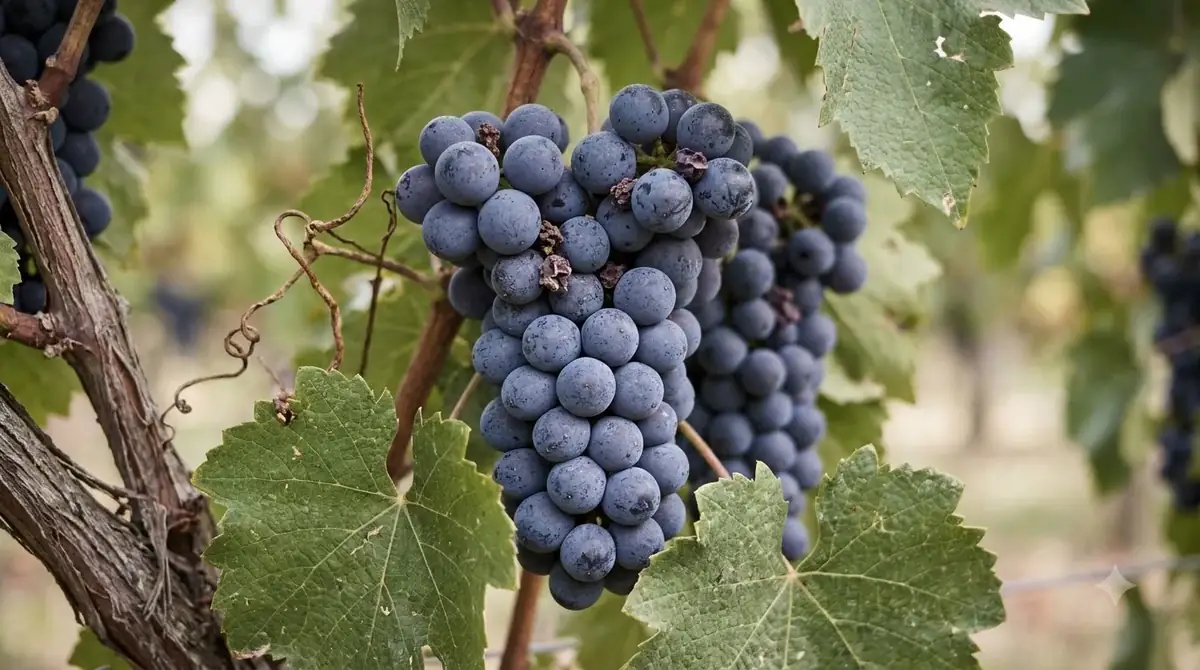
Its appeal starts with recognizable fruit flavors. The producer’s 2022 description identifies pineapple, guava, peach, white flowers, honeycomb, and lemon zest. Wine Enthusiast’s review of the 2023 vintage identifies canned peaches, ripe pear, cinnamon spice, mineral notes, vanilla, and rich oak. These descriptions suggest a wine with a fruit-forward personality and enough texture to accompany flavorful food. The official Dark Horse Chardonnay description provides additional details about the producer’s approach to its 2022 vintage.
Dark Horse is especially suitable for several types of wine drinkers:
- Casual Chardonnay drinkers: If you enjoy apple, peach, vanilla, and a rounded mouthfeel, this wine offers a familiar starting point.
- Fans of California white wine: Its ripe fruit profile suits people who prefer generous fruit flavors over extremely crisp, restrained styles.
- People serving dinner: Its combination of fruit, acidity, and body makes it adaptable to chicken, seafood, pasta, and cheese.
- Newer wine drinkers: Its recognizable flavors make it easier to understand what Chardonnay can taste like.
- Shoppers seeking an uncomplicated bottle: It works for informal occasions where drinkability matters more than extensive aging potential.
However, Dark Horse Chardonnay is not automatically the right choice for everyone. Drinkers who prefer very high acidity, pronounced citrus, green apple, and little oak may find its fruit and richer flavors less refreshing than they would like. People who specifically seek the restrained character of Chablis or the complexity of premium white Burgundy may also prefer another style.
There is an important distinction between enjoying a wine and judging it against an expensive benchmark. Dark Horse should be considered within the everyday California Chardonnay category. Its strongest qualities are accessibility, familiar fruit flavors, and a smooth drinking profile rather than unusual complexity or long-term cellaring potential.
If you want to understand the bottle’s general profile before buying, the dedicated Dark Horse Chardonnay overview provides a useful starting point for exploring its characteristics.
Key Factors to Compare Before Buying
The best way to decide whether Dark Horse Chardonnay suits your preferences is to examine its alcohol level, body, acidity, fruit character, and oak influence. These factors determine whether the wine feels refreshing, creamy, rich, or particularly food-friendly.
| Factor | What to Expect | Why It Matters |
|---|---|---|
| Origin | California, USA | Provides a familiar California Chardonnay style. |
| Grape | Chardonnay | Produces a versatile white wine with adaptable flavor profiles. |
| Alcohol | 13.5% ABV for the reviewed 2023 vintage | Indicates a relatively substantial alcohol level for a white wine. |
| Bottle size | 750 ml | Provides approximately five standard 5-ounce servings. |
| Body | Medium-bodied in the Harris Teeter description | Provides more weight than a very light, delicate white. |
| Fruit profile | Apple, peach, pear, pineapple and guava | Creates a ripe, approachable fruit character. |
| Oak character | Toasted oak and vanilla in published descriptions | Adds warmth and a richer impression. |
| Acidity | Soft acidity in Wine Enthusiast’s 2023 review | Helps balance the ripe fruit and richer flavors. |
These figures and descriptions are supported by the producer, Wine Enthusiast, and Harris Teeter. The 13.5% ABV figure is specifically documented for the 2023 vintage and should not be assumed to apply identically to every bottle. Likewise, the medium-bodied description comes from the retailer’s product information rather than a universal measurement of every vintage.
Fruit and oak balance
Fruit is one of the most recognizable features of Dark Horse Chardonnay. Peach, apple, pear, and tropical fruit notes give the wine an accessible personality. Oak-related flavors such as vanilla, caramel, and toast can add a richer impression, making it suitable for people who enjoy a rounded white wine rather than something exceptionally austere.
Oak perception is particularly important when choosing Chardonnay. Some drinkers associate vanilla, toasted bread, and buttery flavors with the traditional California Chardonnay style. Others prefer fruit and acidity without those additional flavors. Dark Horse’s published descriptions include both fruit-focused and oak-influenced characteristics, so it is sensible to consider the specific vintage rather than assuming every bottle will taste exactly the same.
Alcohol, body, and acidity
The reviewed 2023 vintage contains 13.5% alcohol by volume. This is a meaningful consideration for people who prefer lighter white wines. Alcohol contributes to the wine’s overall weight and warmth, while acidity helps maintain freshness and balance.
Wine Enthusiast described the 2023 bottle as having soft acidity. That suggests a less sharply acidic experience than a particularly crisp Sauvignon Blanc. Chardonnay generally has medium acidity, making it versatile with a range of foods, although the perceived freshness depends on ripeness, winemaking, and serving temperature.
The overall combination is more important than any single flavor. A wine can taste rich without being particularly sweet, and a creamy impression does not necessarily mean that sugar has been added. Understanding these distinctions helps set realistic expectations before opening the bottle.
Step-by-Step: How to Decide Whether Dark Horse Chardonnay Is Right for You
A few straightforward checks can help you determine whether this California Chardonnay matches your preferences. Start with the flavor style you enjoy, then consider the bottle’s vintage, alcohol level, serving temperature, and intended food pairing.
-
Decide how much oak you enjoy.
If you like vanilla, toasted oak, caramel, and rounded fruit, Dark Horse may appeal to you. If you prefer crisp citrus and little oak influence, compare it with a more restrained Chardonnay or Sauvignon Blanc before choosing.
-
Think about your preferred fruit flavors.
Dark Horse’s published descriptions include apple, peach, pear, pineapple, and guava. These flavors suit people who enjoy ripe orchard and tropical fruit rather than exclusively lemon, lime, and green apple characteristics.
-
Consider alcohol content.
The 2023 Wine Enthusiast review lists 13.5% ABV. If you normally prefer lighter white wines, this is worth considering because alcohol contributes to the wine’s perceived warmth and weight.
-
Identify the style of Chardonnay you want.
Look for a balance of fruit, texture, and oak rather than relying exclusively on the word Chardonnay. A lean Chablis, a creamy California Chardonnay, and a fruit-forward supermarket bottle can offer substantially different experiences.
-
Choose a suitable meal.
Plan to serve it with roast chicken, grilled shrimp, creamy pasta, or mild cheese. These foods complement its fruit and texture without overwhelming the wine.
-
Serve it at the right temperature.
For a fuller white wine, aim for approximately 50–55°F. This temperature allows the aromas to develop while keeping the wine refreshing.
-
Evaluate the first glass.
Notice the initial fruit aromas, the weight on your palate, the acidity, and the finish. If you enjoy the balance, Dark Horse is likely a suitable everyday Chardonnay for your preferences.
One useful approach is to compare Dark Horse with another Chardonnay you already enjoy. Pay attention to whether you prefer the stronger fruit, softer acidity, or oak character. This is more informative than deciding whether a wine is good based on its label or reputation alone.
Tip: Do not serve Chardonnay straight from a very cold refrigerator if you want to appreciate its aromas. Let the bottle warm slightly until it reaches approximately 50–55°F. Excessively cold temperatures can make fruit, vanilla, and other aromas less noticeable.
Types and Styles Explained: What Does Dark Horse Chardonnay Taste Like?
Dark Horse Chardonnay has a recognizable California fruit profile, but its specific expression can vary between vintages. Published descriptions show both tropical fruit and a more traditional apple, peach, vanilla, and toasted-oak character.
Fruit-forward Chardonnay
The official US producer description of the 2022 vintage highlights pineapple, guava, peach, white flowers, honeycomb, and lemon zest. The wine’s stainless-steel storage after fermentation was intended to preserve natural acidity and balance.
This description suggests a style where fruit and freshness are important parts of the experience. Tropical fruit can make the wine feel generous, while lemon zest and natural acidity provide contrast. This is particularly appealing to people who enjoy aromatic whites but still want the body and texture associated with Chardonnay.
Oak-influenced Chardonnay
Wine Enthusiast’s 2023 review presents another side of the wine. Its description identifies fresh stone fruit, rich oak, vanilla, spice, canned peaches, ripe pear, and cinnamon. This is a more pronounced oak-influenced profile than the tropical-fruit emphasis in the producer’s 2022 description.
Oak-related flavors can make Chardonnay seem creamy, warm, and rounded. Vanilla and toast are particularly familiar characteristics, while cinnamon and other baking spices contribute additional complexity. These flavors can work well with roasted chicken, buttery sauces, and grilled vegetables.
Buttery versus crisp Chardonnay
Buttery Chardonnay is a familiar category among American wine drinkers. The sensation can come from several factors, including malolactic fermentation, which converts sharper malic acid into softer lactic acid, and lees-related winemaking techniques that contribute texture.
However, a buttery impression does not automatically mean that a wine is sweet. Vanilla, ripe fruit, and caramel-like aromas can also make a dry Chardonnay seem sweeter than it actually is. Dark Horse’s US producer description emphasizes stainless-steel storage for its 2022 vintage, while the 2023 Wine Enthusiast review identifies rich oak and soft acidity. Those descriptions should be considered vintage-specific rather than combined into a claim that every bottle has an identical buttery profile.
Dryness and perceived sweetness
Dark Horse Chardonnay is generally presented as a dry-style white wine. Ripe peaches, pineapple, baked apple, and vanilla can create an impression of sweetness, but fruit aromas are not the same thing as residual sugar.
This distinction matters if you are shopping for someone who enjoys sweet wines. A person who likes Moscato or sweeter Riesling may find dry Chardonnay less sweet than expected. Conversely, someone who enjoys dry white wine with ripe fruit flavors may find Dark Horse appealing.
For a more detailed look at its strength, see the separate guide to Dark Horse Chardonnay alcohol content. It is helpful when comparing the bottle with other California whites and deciding whether its alcohol level suits your usual drinking preferences.
Common Mistakes When Choosing Dark Horse Chardonnay
The biggest purchasing mistakes involve confusing fruit aromas with sugar, expecting every vintage to taste the same, and choosing a Chardonnay without considering its oak profile. Understanding these differences makes it easier to select a bottle you will genuinely enjoy.
Assuming all Chardonnay tastes buttery
Chardonnay is a versatile grape, not a single fixed flavor style. Some examples emphasize lemon, green apple, and mineral character, while others have ripe tropical fruit, vanilla, toast, and creamier textures.
Dark Horse’s published descriptions illustrate this variation. The producer’s 2022 description highlights tropical fruit and stainless-steel storage, while the 2023 Wine Enthusiast review emphasizes rich oak, vanilla, and spice. A buyer who assumes that every Chardonnay tastes like heavily buttered popcorn may misunderstand the range of styles available.
Confusing ripe fruit with sweetness
Peach, pear, pineapple, and baked apple aromas can make a wine seem sweet even when it is made in a dry style. The sensation of sweetness can also be influenced by alcohol, acidity, and texture.
If you prefer genuinely sweet white wines, compare the wine’s actual sweetness description with your usual preferences. Do not use the presence of peach or honey aromas as the only indication of sugar content.
Ignoring vintage differences
One of the most important details is that the official producer description and independent reviews do not always describe the same vintage. The 2022 and 2023 descriptions emphasize different aspects of the wine, so an older tasting note should not be treated as a guarantee of the flavor in a newly purchased bottle.
Vintage variation can reflect growing conditions, grape ripeness, fermentation choices, and other production decisions. A change in the balance of fruit and oak does not automatically mean that the wine has become better or worse. It simply means that the drinking experience may differ.
Serving it too cold
White wine is often served colder than its ideal drinking temperature. Very cold Chardonnay can seem muted, with less noticeable fruit and a less expressive aroma.
For a fuller California Chardonnay, approximately 50–55°F is a useful target. If the wine has been stored in a refrigerator at around 38–40°F, allow it some time to warm before serving. This small adjustment can make the wine more expressive.
Pairing it with overly delicate food
A wine with ripe fruit, oak, and noticeable alcohol can overwhelm foods with very subtle flavors. Delicate white fish prepared without sauce may be better suited to a lighter, more restrained white wine.
Instead, choose dishes with enough flavor and texture to match Chardonnay. Roast chicken, creamy risotto, grilled salmon, and moderately rich cheeses are more natural options. Avoid pairing it with very spicy food if you are sensitive to alcohol warmth, because chili heat can seem stronger alongside alcoholic wines.
Care, Serving, and Storage Tips for Dark Horse Chardonnay
Dark Horse Chardonnay is best enjoyed chilled and stored under stable conditions. Correct serving temperature, a suitable glass, and sensible storage help preserve its fruit aromas and maintain a pleasant drinking experience.
Ideal serving temperature
A serving temperature of approximately 50–55°F works well for a fuller-bodied Chardonnay. It is slightly warmer than the temperature commonly used for lighter white wines, allowing richer fruit and oak-related aromas to become more noticeable.
If the bottle is refrigerator-cold, remove it ahead of serving and allow it to warm gradually. Avoid leaving it in direct sunlight or beside a hot stove. Temperature changes can affect the wine’s aroma and make the drinking experience less consistent.
Choose an appropriate glass
A medium-sized white wine glass with a slightly wider bowl is a good option. It provides enough room for the aromas to develop without requiring the large bowl typically associated with some full-bodied red wines.
Fill the glass to approximately 5 ounces rather than filling it to the rim. This leaves room to swirl the wine and notice its fruit, floral, and oak-related aromas.
Food pairing recommendations
Dark Horse Chardonnay’s fruit and texture make it a flexible companion for several everyday dishes. The most successful pairings generally combine moderate richness with enough seasoning to complement the wine.
- Roast chicken: The savory meat and browned skin complement ripe fruit and oak notes.
- Grilled shrimp: The natural sweetness of shrimp works well with peach and tropical fruit characteristics.
- Creamy pasta: Alfredo-style sauces and mushroom cream sauces match the wine’s fuller texture.
- Grilled salmon: The fish’s richness provides a good match for a medium-bodied Chardonnay.
- Soft cheeses: Brie, Camembert, and mild Gouda complement the wine without overwhelming it.
- Roasted vegetables: Butternut squash, cauliflower, and lightly seasoned potatoes provide savory and slightly sweet flavors.
Acidity is important when planning food pairings. Dishes with strong acidity generally work best with wines offering similar or greater freshness. Fat and salt can soften the perception of tannin in red wines, while creamy or rich foods often complement the body of Chardonnay.
Storage after opening
Once opened, keep the bottle sealed and refrigerated. A properly resealed still white wine generally remains enjoyable for approximately 3–5 days, although its freshness gradually declines as oxygen affects the aromas and flavors.
A standard 750 ml bottle provides approximately five 5-ounce servings. If you do not intend to finish the bottle, use a suitable wine stopper and return it to the refrigerator promptly.
Long-term storage
For unopened bottles, choose a cool, dark location away from sunlight, heating appliances, and significant temperature changes. A storage temperature near 55°F is a useful general target for wine.
Store bottles with cork closures on their sides when appropriate. Dark Horse Chardonnay is generally better approached as an accessible drinking wine than as a bottle intended for extended cellaring. There is little reason to hold an everyday Chardonnay for many years in the hope that it will develop the complexity of a premium age-worthy white Burgundy.
For general brand comparisons, the broader Dark Horse wine overview can help put the Chardonnay into context alongside other varieties in the producer’s range.
Frequently Asked Questions
Is Dark Horse Chardonnay considered a good beginner wine?
Yes. Its familiar apple, peach, pear, and vanilla characteristics make it approachable for people learning about Chardonnay. The wine also provides a useful example of how California Chardonnay can combine fruit, texture, and oak-related flavors without requiring knowledge of specialist wine terminology.
Does Dark Horse Chardonnay contain sulfites?
Commercially produced wines generally contain sulfites, either naturally formed during fermentation or added during winemaking. Retailer product information identifies sulfites as an allergen for Dark Horse Chardonnay. Anyone who needs specific ingredient or allergen information should consult the bottle and producer.
Can Dark Horse Chardonnay be used in cooking?
Yes. Dry Chardonnay can be used in dishes such as chicken pan sauces, mushroom risotto, seafood pasta, and cream-based sauces. Its fruit and moderate acidity can add flavor to a dish, although heavily oak-influenced wines may contribute more pronounced vanilla or toasted notes than a neutral cooking wine.
Does Dark Horse Chardonnay need decanting?
No. Most everyday white wines are ready to serve after opening and do not require traditional decanting. Simply pour the wine into a suitable glass and allow a few minutes for its aromas to develop. Extended aeration is generally unnecessary for this drinking style.
Is Dark Horse Chardonnay suitable for a wine cocktail?
It can be used in simple wine-based cocktails that benefit from a dry white wine with ripe fruit character. However, its oak and vanilla notes may influence the finished drink, so it is more appropriate for recipes that complement those flavors than for cocktails requiring a completely neutral white wine.
Dark Horse Chardonnay is a worthwhile option for drinkers who enjoy accessible California white wine with ripe fruit, a rounded profile, and some oak influence. It is best judged as an everyday Chardonnay rather than compared with premium wines designed for complexity and extended aging. If its flavor profile matches your preferences, it can be a satisfying choice for casual meals and relaxed occasions.
More in Wine Brands
 Louis Latour Wine Price: Compare Bottles by Style and TierUpdated Nov 20, 2026
 Yellow Tail Moscato Price: What to Expect Before You BuyUpdated Nov 20, 2026
 Sutter Home Sweet Red Review: Find the Right Food PairingsUpdated Nov 20, 2026
 Franzia Chillable Red Review: Find the Right Serving StyleUpdated Nov 20, 2026
 Veuve Clicquot Rose Review: Flavor, Food Pairings and Buying AdviceUpdated Nov 20, 2026
 Rombauer Wine Price: Compare Bottles Before You BuyUpdated Nov 20, 2026