


We may earn a commission when you buy through links on this page, at no extra cost to you. Learn more.
For readers asking “is cupcake moscato good,” the answer is yes: Cupcake Moscato is a good choice if you enjoy a sweet, smooth white wine with peach and honey flavors and an easygoing texture and finish. It is designed for people who like fruit-forward wines rather than dry, crisp whites. It works especially well chilled with berries, brunch foods, and mildly spicy dishes, but its sweetness will not suit every palate.
Cupcake Vineyards makes more than one Moscato, and the distinction matters before you buy. The standard Cupcake Moscato is the California bottling; Cupcake Moscato d’Asti is a separate wine from Italy with a gently sparkling profile. This guide focuses first on the California bottle, then explains how to choose between the two and what to serve alongside them.
Who This Is For
Cupcake Moscato is best suited to drinkers who want noticeable sweetness, approachable fruit flavors, and little of the grip associated with tannic red wine. The producer describes the California wine as sweet and smooth with peach and honey notes, and recommends serving it chilled with mixed berries.
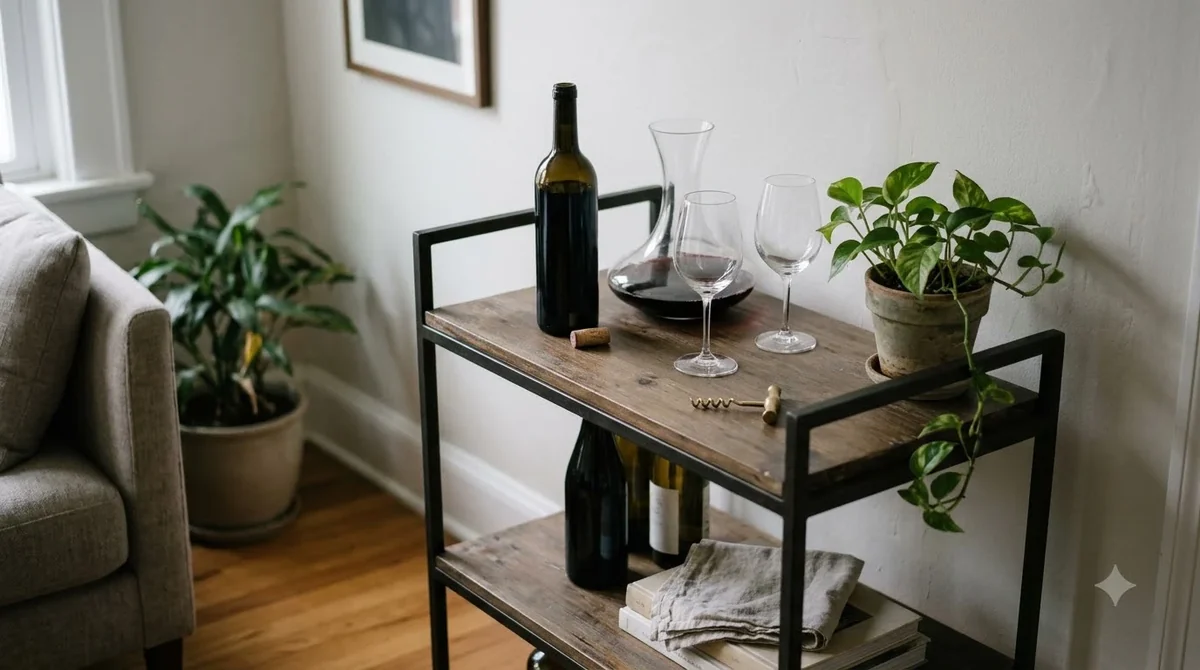
It is a sensible pick for new wine drinkers, casual brunch, or a group with varied experience. Its sweet profile may be easier to enjoy than a strongly acidic Sauvignon Blanc or tannic Cabernet Sauvignon, especially for guests who usually choose fruit-forward drinks. A 750 ml bottle gives roughly five standard 5-ounce pours.
It is less suitable for someone who wants a dry finish, restrained fruit, or a crisp wine with a very tart salad. People who prefer dry Pinot Grigio, unoaked Chardonnay, or mineral-driven Albariño may find it too sweet as an everyday white. Think of it for a warm afternoon, fruit-and-cheese snacks, or dessert rather than a formal meal built around delicate seafood or a sharp vinaigrette.
Key Factors to Compare
Before choosing a bottle, compare its origin, sweetness, flavor profile, alcohol level, and level of sparkle. The standard California Moscato and the Italian Moscato d’Asti share a grape family and a sweet-leaning style, but they are not identical wines.
| What to compare | Cupcake California Moscato | Cupcake Moscato d’Asti |
|---|---|---|
| Origin | California, United States | Asti, Piedmont, Italy |
| Producer tasting description | Sweet and smooth; peach and honey | Effervescent and smooth; nectarine and honey |
| Calories per 5 fl oz | 130 | 110 |
| Carbohydrates per 5 fl oz | 11 g | 17 g |
| Typical bottle format | 750 ml | 750 ml |
| Best first impression | Fruit-forward sweet white | Gently sparkling sweet white |
The nutrition figures come from Cupcake’s product pages and are averages per 5-fluid-ounce serving. They are not a direct sweetness scale: carbohydrate totals do not equal residual sugar, and calories do not tell you exactly how sweet a wine tastes. The California bottle lists 130 calories and 11 grams of carbohydrates, while the d’Asti lists 110 calories and 17 grams. Use these figures as product information, not as a way to rank sweetness.
Alcohol is another useful comparison. A retailer lists the standard California Moscato at 10% ABV: moderate for table wine, but not alcohol-free. The d’Asti is a separate, lightly sparkling category, so do not transfer the California figure to it; compare the exact product details before buying. More information is available in this guide to Cupcake Moscato alcohol content.
For a closer look at the standard bottle’s positioning, the Cupcake Vineyards Moscato page describes the wine as California-grown and fruit-forward. The winemaking note says the producer combines grapes from warmer and cooler California growing areas to build ripeness and preserve a sweet, fruit-led character, and names Jessica Tomei as its winemaker. This is presented as a smooth sweet white, while the Italian d’Asti is described as effervescent; compare the Cupcake Moscato range with the Italian bottle rather than treating the names as interchangeable.
Step-by-Step
Use a simple buying sequence to decide whether the California bottle fits your taste and the food you plan to serve. The goal is to buy for the actual sweetness and texture you enjoy, not just for a familiar brand name.
- Decide whether you want sweet wine. Cupcake Moscato is meant to taste sweet. If you usually prefer dry whites, select a different style instead of expecting this bottle to drink like an unoaked Chardonnay or Sauvignon Blanc.
- Choose the right Cupcake bottling. Look for the California Moscato if you want the standard sweet white described here. Choose Moscato d’Asti when you want the Italian wine with gentle effervescence and a nectarine-and-honey profile. The producer separates these as different wines on its site.
- Check the alcohol level for the exact bottle. The standard California wine is listed at 10% ABV by a retailer. Alcohol details can differ between products and bottlings, so do not transfer that number to the d’Asti or Peach Moscato.
- Plan the food pairing. Start with mixed berries, fruit salad, mildly spicy chicken or shrimp, or a simple fruit tart. Sweet white wine can also work with salty snacks because the sweet-salty contrast is appealing.
- Chill it before pouring. Aim for about 45–50°F for a light sweet white. This keeps the wine refreshing and prevents the sweetness from seeming heavy. Avoid serving it warm straight from a kitchen counter.
- Use a modest first pour. Pour about 5 ounces into a white-wine glass or a small all-purpose glass. Swirl gently and smell for peach, honey, pear, or floral aromas before deciding whether you want a larger pour.
- Try it with the food, not only on its own. Take a bite, then sip. If the wine makes the food taste fresher or creates a pleasant sweet-salty contrast, the match is working. If the wine overwhelms the dish, switch to something drier or more acidic.
This sequence prevents a common mistake: choosing a familiar Moscato label, then discovering that it is sparkling when you wanted a still wine or sweeter than expected. Keep the occasion in mind; a bottle that suits brunch may not fit a savory main course. Readers comparing accessible sweet wines can also consider Barefoot Moscato as another familiar option.
Tip: Put the bottle in the refrigerator for a few hours before serving, then pour a small glass and let it sit for two minutes. Very cold wine can mute its peach and floral aromas; a brief pause in the glass makes the fruit easier to notice while the wine stays cool.
Types or Styles Explained
“Moscato” is a family name rather than a promise that every wine will taste or feel the same: Muscat grapes are highly aromatic, and producers make still, gently sparkling, fully sparkling, sweet, and occasionally dry versions. Cupcake’s range includes a California Moscato, an Italian Moscato d’Asti, and a separate Peach Moscato, so the full name on the bottle is important.
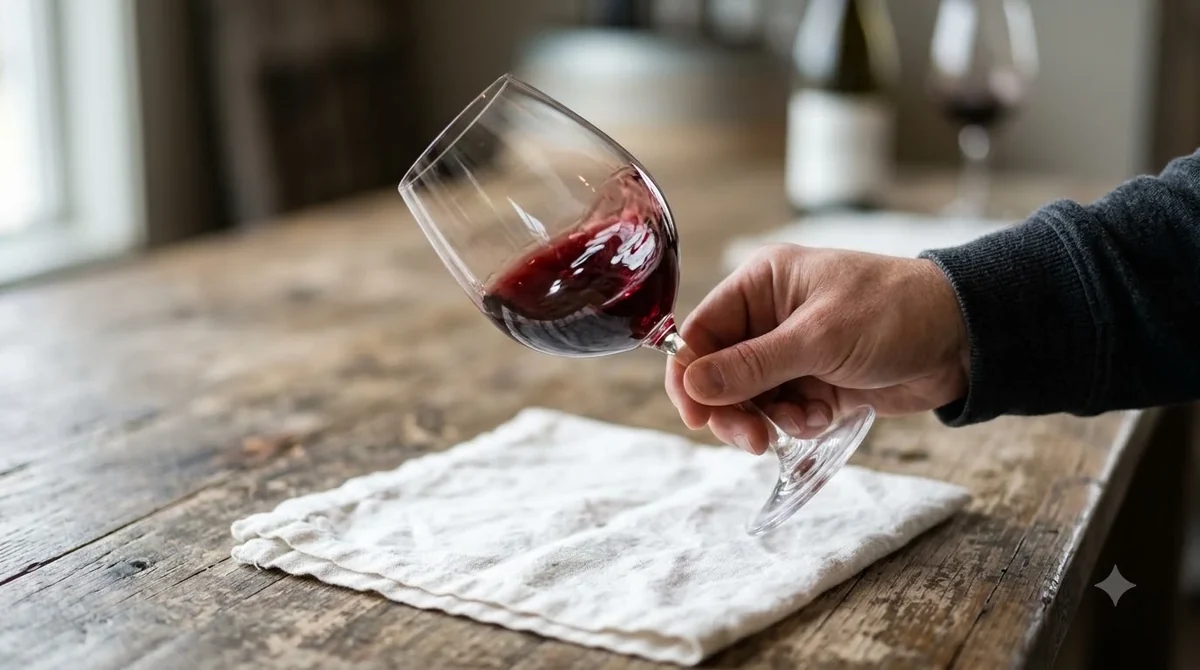
The California Cupcake Moscato is the straightforward choice for a drinker who wants a sweet white with peach and honey notes. Cupcake says it combines fruit from warmer California vineyards, which contribute ripeness, with fruit from cooler areas, which help shape a sweet, fruit-forward wine. Its Moscato d’Asti comes from hillside vineyards around Asti in Piedmont, Italy, and is described as effervescent and smooth, with nectarine and honey notes. Cupcake lists 110 calories and 17 grams of carbohydrates per 5-ounce serving for the d’Asti.
Peach Moscato is another separate label in Cupcake’s range. Its existence is confirmed in the producer’s wine listings, but the standard California Moscato tasting note should not be treated as a full description of the peach bottling. Moscato also varies by place and method: Total Wine’s Muscat guide associates Piedmont with Moscato d’Asti, while California producers make Moscato styles with juicy stone fruit, citrus, and tangy acidity. The grape name alone does not tell you whether a bottle is still, lightly fizzy, sweet, or dry. For a broader view of producers and styles, browse our guide to wine brands.
A sweet aromatic wine may not be powerful enough for every dessert. Wine Folly notes that delicate Moscato d’Asti can disappear beside dense chocolate torte or whiskey bread pudding, and points instead to softer flavors such as caramel, vanilla, and coconut. Cupcake’s standard Moscato is a more natural match for berries, lighter cakes, or a snack board.
Common Mistakes
The biggest mistake is expecting Cupcake Moscato to taste dry just because it is a white wine. Sweetness is central to the style, and the producer describes it as smooth, so it can seem cloying to anyone who wants crisp citrus, pronounced acidity, or a dry finish.
Another mistake is treating the California Moscato and Moscato d’Asti as the same product. One is the California bottling; the other is from Asti in Italy and is described as effervescent. Cupcake lists 130 calories and 11 grams of carbohydrates per five ounces for California Moscato, compared with 110 calories and 17 grams for d’Asti. Keep those figures with their respective wines.
Serving it too warm is also likely to make the sweetness feel heavier. A sweet white served around 45–50°F is usually more refreshing than one poured at room temperature. At the other extreme, freezing it until the aromas disappear makes it harder to appreciate the peach and honey character. Chill the bottle thoroughly, but do not leave it in the freezer until it is icy.
Food matching can go wrong in two ways. A dessert sweeter than the wine can make the wine seem sour or thin, so choose a wine at least as sweet as the dessert. A highly acidic dish can also make a softer wine taste flat. Serve Moscato with fruit, mild cheeses, salty appetizers, or gently spiced dishes rather than expecting it to cut through a sharp vinegar dressing. Chilled sweet whites can work with spicy food, as Wine Folly’s sweet-wine pairing advice explains, but extreme chili can still dominate the wine. Cupcake’s California Moscato is listed at 10% ABV, so start with mildly spiced Thai chicken or shrimp, and do not treat it as a substitute for a structured red at a Cabernet-centered dinner.
Care or Storage Tips
Serve Cupcake Moscato cold, keep the bottle sealed between pours, and drink it while its fresh fruit character is vivid. This is an approachable aromatic wine for near-term enjoyment rather than a bottle to purchase for long-term cellaring.
For serving, aim for 45–50°F. Chill the bottle in the refrigerator for a few hours, or use an ice bucket for a shorter chill. A standard white-wine glass allows peach, honey, and floral aromas to collect; a flute is more useful when preserving visible bubbles is the priority, as with d’Asti.
Once opened, close the bottle securely and refrigerate it. A still sweet white is generally best within 3–5 days, although its aromas are usually most expressive earlier. Keep an opened bottle upright and avoid repeatedly warming it on the counter and returning it to the fridge. Unopened wine belongs away from sunlight, heat, and large temperature swings; a stable environment near 55°F is a useful general storage target, but this style is best enjoyed young.
A 750 ml bottle holds about 25.4 fluid ounces, or roughly five 5-ounce glasses. For a side-by-side tasting, keep the California Moscato and Italian d’Asti chilled separately and identify the glasses; one is presented as smooth and sweet, while the other has gentle effervescence.
Frequently Asked Questions
These quick answers cover sweetness, serving quantities, and a few practical ways to use Moscato beyond a straight pour. They also clarify the difference between the California bottle and the broader Muscat grape family.
What aromas are common in Muscat wines?
Muscat wines can show exotic citrus, white peach, green grape, golden pear, honeysuckle, and fresh nutmeg. The exact mix varies by grape variety and growing conditions, so Cupcake’s peach-and-honey profile represents one expression of a much broader aromatic family.
Why do some Moscato wines have bubbles?
Carbon dioxide can remain in wine after fermentation or be retained through a controlled sparkling-wine process, giving the finished wine a gentle or more pronounced fizz. Moscato d’Asti is commonly made in a lightly sparkling style, while other Moscato wines can be still. The level of sparkle is a winemaking choice, not a fixed trait of the grape.
How many calories are in a full bottle of Cupcake Moscato?
Cupcake lists an average of 130 calories per 5-fluid-ounce serving for its California Moscato. A 750 ml bottle contains just over five such servings, so a rough bottle total is about 660 calories; actual pours and the product’s average analysis can vary. This is an estimate based on the producer’s serving figure, not a separate bottle nutrition claim.
Can Cupcake Moscato be used in a wine spritzer?
Yes. Pour 3 ounces of chilled Moscato over ice and add 2–3 ounces of plain sparkling water for a lighter, less sweet drink. Add a slice of peach or a few berries, and avoid sweet soda if you do not want to push the drink further toward dessert-like sweetness.
How diverse is the Muscat grape family?
There are more than 200 kinds of Muscat grapes and related clones cultivated around the world, according to Total Wine’s Muscat guide. That diversity helps explain why Muscat wines range from dry to sweet, still to sparkling, and fresh table wines to fortified dessert wines.
Cupcake Moscato is a good buy for the drinker who wants a clearly sweet, peach-and-honey white that is easy to serve chilled, especially with fruit, brunch, and mild spice. Choose the California bottle for a smooth fruit-forward pour, or the Italian d’Asti when you specifically want gentle effervescence; choose another style if your preference is dry and sharply crisp.
More in Wine Brands
 Louis Latour Wine Price: Compare Bottles by Style and TierUpdated Nov 20, 2026
 Yellow Tail Moscato Price: What to Expect Before You BuyUpdated Nov 20, 2026
 Sutter Home Sweet Red Review: Find the Right Food PairingsUpdated Nov 20, 2026
 Franzia Chillable Red Review: Find the Right Serving StyleUpdated Nov 20, 2026
 Veuve Clicquot Rose Review: Flavor, Food Pairings and Buying AdviceUpdated Nov 20, 2026
 Rombauer Wine Price: Compare Bottles Before You BuyUpdated Nov 20, 2026