


We may earn a commission when you buy through links on this page, at no extra cost to you. Learn more.
Moscato tasting notes typically describe a fragrant, fruit-forward wine with aromas of peach, orange blossom, honeysuckle and citrus, accompanied by refreshing acidity and often noticeable sweetness. Depending on the grape variety and winemaking style, Moscato can be still, gently sparkling, fully sparkling, dry or dessert-sweet. Its most recognizable expressions combine juicy fruit flavors, delicate floral aromas and a light, approachable texture. Learning to recognize these characteristics makes it easier to distinguish different Moscato wines and choose the right bottle for a meal or occasion.
Moscato has a reputation as an easygoing sweet wine, but its aromatic character is more interesting than that description suggests. The Muscat grape family produces wines with distinctive floral fragrances, fresh fruit flavors and considerable variation in sweetness and structure. Italian Moscato d’Asti, California Moscato and dry Muscat wines can taste noticeably different despite sharing a grape-family connection. The following guide explains what to look for in the glass, how to evaluate the wine and which foods complement its flavors.
The Signature Aromas and Flavors of Moscato
Moscato is best recognized by its expressive floral fragrance and fresh fruit character. Peach, orange blossom, pear, honeysuckle and citrus are among its most recognizable aromas, although individual bottles can also suggest tropical fruit, honey, apricot and fresh grapes.

The first impression usually comes from the nose rather than the palate. Muscat grapes naturally develop aromatic compounds that produce an unmistakable perfume. When smelling a typical white Moscato, look for orange blossom, jasmine, honeysuckle and delicate rose-like floral notes. These aromas can be particularly noticeable when the wine is slightly warmer than refrigerator temperature, although excessive warmth can make the alcohol and sweetness seem more prominent.
Stone fruit is another defining characteristic. Ripe peach and apricot are common, sometimes accompanied by nectarine or fresh pear. These flavors give Moscato its juicy, recognizable personality. In sweeter examples, the fruit may resemble peach nectar, canned apricots or fruit preserves rather than freshly cut fruit. Lighter and drier examples generally emphasize crisp citrus, pear skin and fresh orchard fruit.
Citrus provides an important counterpoint to the sweetness. Mandarin orange, Meyer lemon, lime zest and orange peel can contribute freshness and aromatic complexity. Some bottles also show tropical notes such as lychee, guava and pineapple. These characteristics vary with the Muscat variety, growing conditions, ripeness and production decisions.
Honey and ginger can appear as secondary impressions, especially in richer expressions. A wine might smell predominantly of peach and flowers initially, then reveal a suggestion of honeycomb, sweet herbs or candied citrus after several minutes in the glass. These supporting aromas help distinguish a straightforward fruity Moscato from a more layered example.
For a practical tasting exercise, smell the wine before tasting it and identify three separate categories: fruit, flowers and secondary aromas. For example, peach, orange blossom and honey provide a useful description without relying on vague terms such as sweet or fruity. The goal is to identify what the wine actually resembles rather than assume that every Moscato tastes identical.
Sweetness, Acidity and Mouthfeel
Most familiar Moscato wines are noticeably sweet, but sweetness is only one part of their structure. Acidity, alcohol, carbonation and body determine whether the wine feels refreshing, soft, syrupy or balanced.
On the palate, a traditional sweet Moscato often begins with ripe peach, pear and citrus flavors. The middle of the sip may reveal orange blossom, honey or tropical fruit, while the finish retains a pleasant combination of sweetness and aromatic fruit. The best-balanced examples do not taste sugary without interruption. Their freshness gives the sweetness definition and prevents the wine from feeling excessively heavy.
Acidity is especially important. Moscato generally has low to medium acidity compared with sharply acidic white wines, although individual examples can be considerably fresher. A lively Moscato d’Asti can show enough acidity to balance substantial residual sugar. This contrast creates a sweet-tart impression similar to ripe peaches served with a squeeze of lemon.
Sweetness and acidity should not be confused. Sweetness describes the impression of sugar on the palate, while acidity contributes a mouthwatering, fresh sensation. A wine can be sweet and refreshing at the same time. Conversely, a wine with moderate sweetness and limited acidity can seem heavier than its actual sugar level suggests.
Carbonation also changes the texture. Lightly sparkling Moscato d’Asti has delicate bubbles that provide a gentle tingling sensation. Fully sparkling Asti generally feels more energetic, with stronger effervescence. Still Moscato lacks this fizzy sensation and can appear rounder and softer, particularly when it has substantial residual sugar.
Body is generally light to medium in familiar Moscato styles. The wine rarely has the weight or gripping structure associated with heavily extracted reds. Instead, its texture tends to be smooth, soft and refreshing. Sweetness can make the palate seem fuller, while bubbles help create a lighter overall impression.
The finish usually emphasizes fruit and flowers rather than oak, smoke or strong tannins. Depending on the wine, peach, orange peel, honey or citrus may linger briefly after swallowing. A more concentrated dessert Muscat can leave a longer impression of dried fruit, candied orange and honey.
Tip: When assessing sweetness, take a small sip and pay attention to the finish. If the wine leaves a sugary impression without much freshness, it is probably a richer style. If citrus, acidity and bubbles keep the finish lively, the sweetness is more effectively balanced.
Different Moscato Styles and Their Tasting Profiles
Moscato is a family of wine styles rather than one fixed flavor profile. The grape can produce still white wine, pink wine, lightly sparkling wine, fully sparkling wine, dry expressions and concentrated dessert wines.
Moscato d’Asti is the classic reference point for many drinkers. Produced in Piedmont, Italy, it is typically lightly sparkling, sweet and low in alcohol. Wine Enthusiast describes its familiar aromatic profile through honeysuckle, tropical fruit and peach. Its gentle carbonation and retained grape sweetness create a delicate, refreshing style rather than the forceful bubbles associated with many traditional sparkling wines.
Asti is a different expression from the same Piedmont wine tradition. It is fully sparkling and generally has more pronounced carbonation than Moscato d’Asti. Both styles showcase the aromatic character of Moscato Bianco, but their bubbles, fermentation approach and overall presentation differ. Decanter explains the distinctive single-fermentation approach traditionally used for Asti in its Asti and Moscato d’Asti regional guide.
Still Moscato offers another perspective. Without carbonation, its fruit and floral aromas can seem more direct. Depending on the producer and grape variety, expect peach, pear, mandarin orange, lychee and orange blossom. Some examples are sweet and soft, while others are made dry with a cleaner, more citrus-driven finish.
Pink Moscato typically has a rosy appearance and a fruity profile. Some versions use Muscat grapes alongside red varieties to achieve their color and flavor. Strawberry, raspberry, peach and citrus may join the familiar floral aromas. The exact composition depends on the producer, so pink Moscato should not automatically be assumed to have the same taste or sweetness as white Moscato.
Dry Muscat is particularly useful for understanding the grape’s versatility. Although Moscato is frequently associated with sugar, dry Muscat wines preserve the grape’s characteristic fragrance without relying on a sweet finish. Expect orange blossom, citrus zest, pear, peach and herbs, often accompanied by a cleaner, more focused palate.
Pét-nat Moscato is made using the ancestral sparkling method. The wine is bottled while its first fermentation is still underway, allowing carbon dioxide to develop in the bottle. This can create softer bubbles, a slightly cloudy appearance and additional yeast-related or herbal characteristics. The result can be more rustic and less polished than conventional sparkling Moscato.
For a quick comparison, the following table summarizes typical tasting expectations. These are style descriptions rather than guaranteed characteristics of every bottle.
| Style | Typical sweetness | Common aromas | Texture |
|---|---|---|---|
| Moscato d’Asti | Sweet | Peach, honeysuckle, citrus | Lightly sparkling |
| Asti | Usually sweet | Orange blossom, pear, peach | Fully sparkling |
| Still white Moscato | Dry to sweet | Mandarin, pear, flowers | Soft and light |
| Pink Moscato | Usually sweet | Strawberry, peach, citrus | Light and fruity |
| Dry Muscat | Dry | Citrus, herbs, orange blossom | Fresh and focused |
| Pét-nat Moscato | Dry to off-dry | Pear, lemon, floral notes | Gently sparkling |
| Dessert Muscat | Very sweet | Honey, dried fruit, orange peel | Rich and concentrated |
For a more detailed look at the Italian lightly sparkling expression, see our Moscato d’Asti tasting notes. That style is especially useful for learning how acidity and gentle carbonation can balance a sweet aromatic wine.
How Moscato Grape Varieties and Regions Influence Flavor
The Muscat family includes several grape varieties, and their differences help explain why Moscato does not always taste the same. Climate, vineyard location and winemaking also influence the balance between floral fragrance, fruit concentration and acidity.
Muscat Blanc à Petits Grains is closely associated with classic Italian Moscato d’Asti. Its expressive aromatic profile commonly includes peach, orange blossom, citrus and honeysuckle. In Piedmont, the grape is particularly associated with the Asti wine-growing area, including Canelli and surrounding communities. The region’s established tradition makes Moscato d’Asti one of the most recognizable examples of this grape family.
Muscat of Alexandria is another important variety. It is used in different wine-producing countries and can contribute generous fruit aromas, including orange, apricot and tropical fruit. Depending on the growing region and winemaking approach, it may produce fresh, lightly sweet wines or richer dessert expressions.
Orange Muscat has a distinctive citrus-oriented identity. Its aromatic profile can include orange peel, orange blossom and sweet citrus fruit. California producers use several Muscat varieties, including Orange Muscat and Muscat of Alexandria, to create wines with different colors and sweetness levels.
Muscat Ottonel is another variety associated with aromatic white wines. It can produce delicate floral and fruity expressions, including wines from Central European regions. In sparkling pét-nat examples, it may retain an aromatic profile while showing a slightly more textured, yeast-influenced character.
Italy remains a particularly important reference point. In Piedmont, Moscato Bianco is used for both Asti and Moscato d’Asti. The Asti DOCG covers approximately 9,700 hectares across the provinces of Asti, Alessandria and Cuneo, according to Decanter. The designation also distinguishes different wine styles rather than treating every bottle as the same kind of sparkling wine.
California provides a different perspective. According to the Wine Institute, local vintners produce Muscat wines in white, pink and red shades, with sweetness ranging from dry to intensely sweet. This flexibility means California Moscato can show a wider variety of flavor profiles than the familiar sweet Italian style might suggest.
Other regions, including France, Spain and Oregon, also produce Muscat wines. Alsace is associated with dry aromatic Muscat, while Mediterranean regions have long traditions of sweet and fortified Muscat. The same family of grapes can therefore produce very different experiences depending on the climate, ripeness and fermentation decisions.
For readers comparing aromatic grapes, Grenache tasting notes offer an interesting contrast. Grenache typically emphasizes red berries, ripe cherries and spice, while Moscato is more readily identified by floral perfume and stone fruit.
How to Taste Moscato and Identify Its Quality
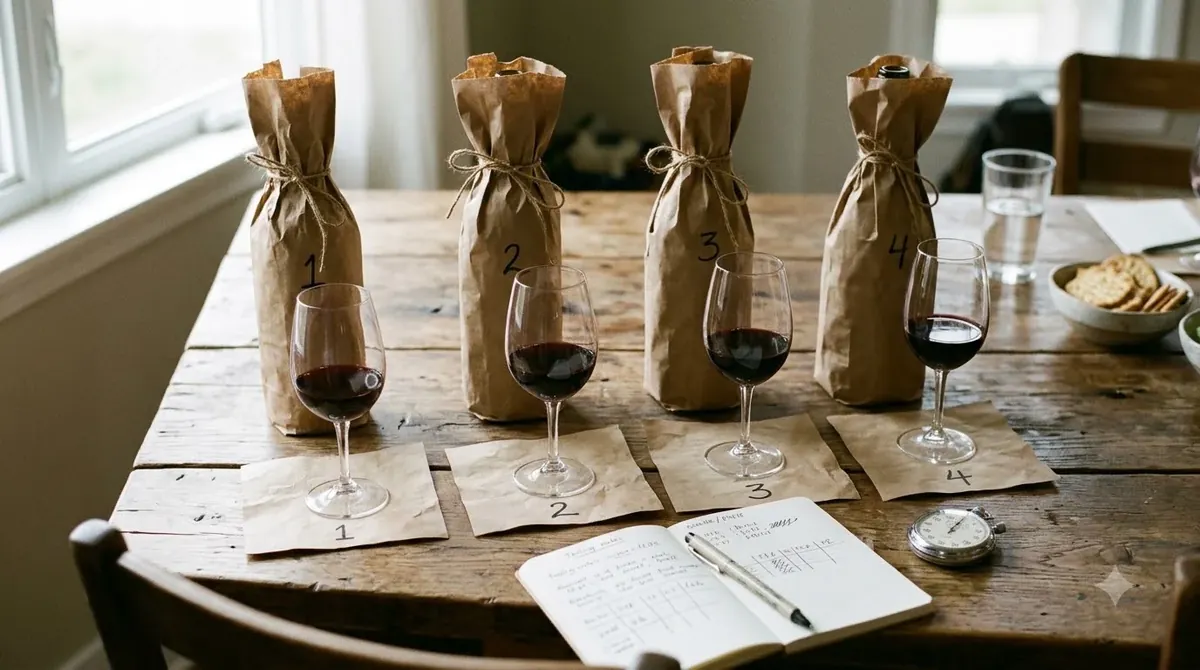
A simple tasting routine helps reveal Moscato’s aromatic detail and balance. Pay attention to appearance, aroma, sweetness, acidity and finish rather than judging the wine solely by how sweet it tastes.
1. Examine the appearance
Begin by pouring a small amount into a clear wine glass. Most white Moscato appears pale straw yellow, sometimes with green or golden reflections. Pink Moscato ranges from pale salmon to brighter pink, while some dessert styles show deeper golden or amber tones.
Observe the bubbles if the wine is sparkling. Moscato d’Asti generally has gentle effervescence, while Asti produces a more energetic stream of bubbles. Still Moscato should have no noticeable carbonation unless the producer has deliberately retained a small amount.
2. Evaluate the aromas
Swirl the glass gently and smell the wine. Start with the strongest fruit aromas, then look for floral and secondary characteristics. Peach, apricot, pear and mandarin are useful starting points, followed by orange blossom, honeysuckle and honey.
Try smelling the wine twice. The first impression often reveals its most obvious fruit, while the second can reveal subtler notes. A dry Muscat may emphasize citrus peel and herbs, whereas a sweet Moscato d’Asti may show more ripe stone fruit and floral sweetness.
3. Assess the palate
Take a modest sip and let the wine cover the tongue. Consider whether the sweetness is light, moderate or pronounced. Then assess how the acidity interacts with it. A balanced wine should have enough freshness to keep its fruit flavors lively rather than allowing sugar to dominate the entire experience.
For sparkling Moscato, notice how the bubbles influence the texture. Fine, gentle carbonation can make a sweet wine seem lighter and more refreshing. More vigorous bubbles create a livelier sensation and can make the wine feel closer to a conventional sparkling wine.
4. Consider the finish
After swallowing, identify which flavors remain. Citrus, peach and floral notes are common, although richer Muscat wines can finish with honey, dried apricot or candied orange. Consider whether the finish is short, moderate or lingering, and whether the sweetness feels balanced by acidity.
Quality is not determined by sweetness or alcohol level alone. A well-made Moscato should show recognizable varietal aromas, clean fruit expression and an appropriate balance for its intended style. A simple, fresh Moscato can be enjoyable without being especially complex, while a more concentrated example may offer several layers of aroma and a longer finish.
Unwanted characteristics include a noticeably dull fruit profile, unpleasant oxidation or harsh fermentation aromas that overwhelm the grape’s fragrance. However, a little yeast character in pét-nat wine or a more developed honeyed note in dessert Muscat is not automatically a fault. Evaluate those characteristics in relation to the intended style.
Serving Temperature, Glassware and Food Pairings
Moscato tastes best when served cool enough to preserve its freshness without suppressing its floral aromas. The ideal temperature depends on sweetness, body and carbonation, while food pairings should account for both the wine’s sugar and acidity.
For sweet sparkling Moscato, aim for approximately 40-50 degrees Fahrenheit. Still light-bodied white Moscato generally works well at 45-50 degrees Fahrenheit. Richer full-bodied white expressions can be served slightly warmer, around 50-55 degrees Fahrenheit, to reveal more aromatic detail.
Use a small white wine glass for still Moscato or a standard sparkling wine glass for sparkling versions. A white wine glass provides enough room to appreciate the grape’s fragrance, while a narrower sparkling glass helps retain bubbles. There is no need for an unusually large glass because Moscato is generally light-bodied and highly aromatic.
A standard wine pour is approximately 5 ounces, and a 750-milliliter bottle contains about five such servings. For a tasting, a smaller pour makes it easier to compare different styles without filling the glass excessively.
Fruit desserts and pastries
Fruit tarts, peach cobbler, lemon cake and fresh fruit salads are natural partners for sweet Moscato. The wine’s peach, pear and citrus flavors complement similar ingredients in desserts. A lightly sparkling Moscato d’Asti can also work well with fruit-based pastries because its bubbles provide freshness alongside the sweetness.
One important pairing principle is to choose a wine at least as sweet as the dessert. If a dessert is sweeter than the Moscato, the wine can taste thin, sharp or unexpectedly sour. Very rich chocolate desserts may also overpower delicate floral Moscato, making a more concentrated dessert Muscat a better choice.
Cheese and savory dishes
Soft cheeses, mild blue cheeses and creamy cheeses can complement Moscato’s sweetness. The contrast between salty cheese and sweet wine can be especially appealing. Fresh goat cheese may work with a brighter, drier Muscat, while a sweeter sparkling Moscato can complement a stronger blue cheese.
Spicy dishes are another interesting match. Sweet Moscato can soften the impression of chili heat, particularly in dishes with aromatic sauces. However, alcohol and tannin can amplify chili heat, so a lighter, lower-alcohol Moscato is generally more suitable than a strongly alcoholic red wine.
For seafood, consider the sauce and preparation. Lightly seasoned shrimp, citrus-dressed shellfish and mild fish dishes can work with a dry Muscat. Very tannic reds are generally poor partners for oily fish, and a delicate Moscato should not be expected to match heavily smoked or strongly spiced seafood.
Fresh salads with citrus, herbs and fruit can also work with dry Moscato. The important consideration is acidity: food with substantial acidity needs a wine with equal or higher acidity to prevent the wine from tasting flat. A fresh citrus-based dish is therefore better suited to a lively Muscat than to a soft, low-acid sweet wine.
Buying, Storing and Enjoying Moscato
Choosing Moscato becomes easier when the intended drinking experience is clear. Look for the style, sweetness and grape variety rather than assuming that every bottle bearing the Moscato name will taste the same.
For a familiar sweet and gently sparkling experience, Moscato d’Asti is a useful starting point. Its typical combination of peach, citrus, flowers and light bubbles makes it recognizable. Those who prefer stronger carbonation can explore Asti, while drinkers who want less sweetness can look for dry Muscat from regions such as Alsace or California.
For a more aromatic and concentrated experience, explore wines made from Muscat of Alexandria or Orange Muscat. These varieties can deliver distinctive citrus and tropical fruit aromas. Dessert Muscat offers a richer option with honey, dried fruit and candied orange characteristics.
Storage matters, especially for sparkling wines. Keep unopened bottles in a cool, dark place away from temperature fluctuations. For longer-term bottle storage, a temperature near 55 degrees Fahrenheit is a useful target. Bottles with traditional cork closures are generally stored on their sides to help keep the cork from drying out.
Moscato is usually intended to be enjoyed relatively young, particularly when its appeal comes from fresh fruit and floral fragrance. There are exceptions among concentrated dessert Muscats, which can develop additional complexity over time. Most everyday sparkling Moscato benefits more from freshness than from extended cellaring.
After opening, refrigerate the bottle promptly. Still wines generally remain in good condition for approximately 3-5 days, although the freshness of a delicate Moscato may decline sooner. Sparkling wines usually retain their best character for around 1-3 days when properly refrigerated and sealed with a suitable sparkling wine stopper.
Keep the bottle upright after opening to reduce the exposed wine surface and limit unnecessary movement. Avoid leaving Moscato on a warm kitchen counter for several hours. Heat can accelerate the loss of fresh fruit aromas and make the wine taste less lively.
When exploring different wines, compare Moscato with other aromatic and structured grape varieties. For example, Petit Verdot tasting notes provide a useful contrast: Petit Verdot is a deeply colored red grape with substantially more tannin, structure and dark-fruit character. Exploring different grape profiles helps clarify what makes Moscato distinctive.
Readers who want to compare more grape varieties can also explore our Wine by Type collection, which provides a broader introduction to wine styles and their typical characteristics.
Frequently Asked Questions
Is Moscato made from the same grape as Muscat wine?
Yes. Moscato is the Italian name commonly used for wines made from grapes in the Muscat family. The family includes several distinct varieties, so two Muscat wines do not necessarily use identical grapes. The names Moscato and Muscat often reflect regional naming conventions rather than completely different grape families.
Why does Moscato sometimes smell like fresh grapes?
Muscat grapes are particularly aromatic and can retain a recognizable fresh-grape character in the finished wine. This distinctive fragrance is one reason the variety is often described as having an intensely grapey aroma. It can appear alongside peach, citrus and floral notes rather than replacing them.
Can Moscato develop a deeper color as it ages?
Yes. Some white wines gradually develop deeper golden or amber tones as they mature and experience oxidative development. Concentrated dessert Muscats can show especially rich golden and brownish hues. However, an unexpectedly dark color in a young, fresh Moscato may indicate that the wine has not been stored properly.
What does Zibibbo taste like compared with Moscato Bianco?
Zibibbo is a name associated with Muscat of Alexandria, particularly in Sicily. It commonly shows expressive citrus, orange blossom, apricot and tropical fruit aromas. Moscato Bianco, used in classic Moscato d’Asti, is often associated with peach, honeysuckle and delicate floral fragrance. Both belong to the Muscat family but can produce noticeably different wines.
Does Moscato have tannins like red wine?
Most white Moscato contains very little perceptible tannin because the juice is generally fermented without extended contact with grape skins. Tannin is more noticeable in red wines made with substantial skin extraction. Certain rosé and red Muscat expressions may show some additional skin-derived texture, depending on their production method.
Moscato offers much more than simple sweetness: its combination of peach, citrus, flowers and refreshing texture makes it one of the most recognizable aromatic wine styles. Exploring still, sparkling, dry and dessert expressions reveals how versatile the Muscat family can be. Start with a well-balanced Moscato d’Asti, then compare other regional styles to discover which combination of fragrance, sweetness and acidity you enjoy most.
More in Wine Types & Grapes
 What Does Mourvèdre Taste Like? Flavor Profile, Regions, and PairingsUpdated Nov 20, 2026
 What Does Marsanne Taste Like? Flavors, Styles, and Food PairingsUpdated Nov 20, 2026
 What Does Malvasia Taste Like? Styles, Flavors, and Food PairingsUpdated Nov 20, 2026
 What Does Grenache Blanc Taste Like? Flavor Profile, Styles, and PairingsUpdated Nov 20, 2026
 What Does Garnacha Taste Like? Key Flavors, Styles, and Pairing TipsUpdated Nov 20, 2026
 What Does Fruit Wine Taste Like? A Complete Flavor and Style BreakdownUpdated Nov 20, 2026