

We may earn a commission when you buy through links on this page, at no extra cost to you. Learn more.
Is chardonnay gluten free? Chardonnay is made from grapes, not wheat, barley or rye, so it is naturally gluten free in its basic ingredients. The main gluten question for a bottle is whether a grain-based ingredient or processing aid was used at some point, and most producers do not print that detail on the label. Checking the producer’s information is the most direct way to confirm the answer for a specific wine.
Chardonnay is one of the most widely drunk white wines, and people who avoid gluten often ask whether it is a safe choice for dinner or a celebration. The answer depends on two parts: what the wine is made from, and whether any processing step adds something that contains gluten. This guide explains both, what the label can and cannot tell you, and how to pick a bottle with confidence.
What Chardonnay Is Made From
Chardonnay is a green-skinned grape variety that produces white wine in styles ranging from lean and crisp to full-bodied and oaky. The wine is fermented from grape juice, and the grapes themselves contain no wheat, barley or rye. Wine Folly’s chardonnay profile describes the wine as dry, with medium body and medium acidity, and lists its alcohol at roughly 12 to 15 percent ABV depending on the style.
Because the base is fruit, the typical bottle does not contain the grains that gluten comes from. That is why chardonnay is usually described as naturally gluten free in its basic form. The question for a careful reader is what happens after the grapes are pressed.
Where Gluten Could Enter the Process
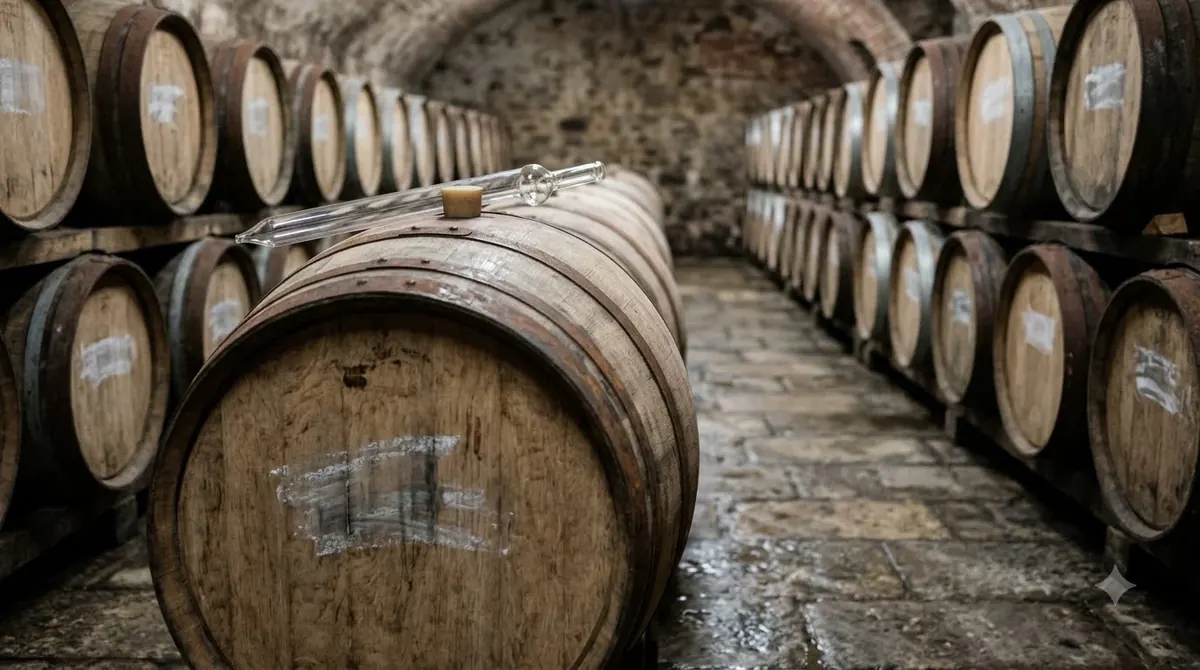
Gluten is only a concern when a grain-based ingredient is added at some point. In winemaking, the most common additions are processing aids such as fining agents, which help clear the wine. Many of these are minerals, clays or animal-derived proteins rather than cereals, but the exact product used is a decision each producer makes.
Flavorings and sweeteners are another possible route, although they are unusual in standard dry chardonnay. Wines with added flavors, and some ready-to-drink wine cocktails, are a separate category and can list ingredients that matter more for gluten-free eaters. Reading the ingredient line on those products is the simplest way to rule out a hidden grain source.
| Chardonnay style | Typical gluten concern | What to check |
|---|---|---|
| Dry, unoaked (Chablis-style) | Low, with few additions | Producer’s processing notes |
| Oaked, full-bodied | Low, the oak is wood, not grain | Fining and filtration details |
| Sparkling Blanc de Blancs | Same grape base, plus second fermentation | Yeast and dosage sources |
| Flavored or wine cocktail | Higher, depends on added ingredients | Full ingredient list |
Tip: Oak barrels are made from wood, so an oaked chardonnay has no grain in its basic recipe. The processing aids are the step to check, not the oak.
What Celiac Disease Guidance Says About Gluten
The celiac.org overview of celiac disease describes gluten as a protein found in wheat, rye and barley. When people with celiac disease eat it, their immune response damages the small intestine. The page lists bread and beer among the foods that contain these grains and must be avoided on a gluten-free diet. It also notes that even small amounts, such as crumbs from a toaster, can trigger intestinal damage.
The same page does not say whether distilled or fermented drinks are a concern, and it does not give guidance on specific wines. That gap is why the producer’s information matters more than a general rule. A wine made from grapes alone is a different case from a wine with grain-based additions, and the two should not be treated the same way.
How to Check a Specific Bottle
Most chardonnay labels list the grape, vintage, region and alcohol, but very few mention gluten. The most useful step is to look at the producer’s website or technical sheet, which sometimes lists fining, filtration and any additives. If that information is missing, contact the winery by email and ask what processing aids are used.
Look at the ingredient list where one is printed, especially on wine-based cocktails, canned wines and flavored products. Those items are more likely to contain added ingredients, so the label carries more weight. For standard bottles of table wine, the grape base is the starting point, and the production notes fill in the rest.

Other White Wines and Pairings
If you are comparing options, many other white wines share the same grape-based profile. A moscato and a rosé follow the same logic, so the processing question applies to each of them. Sparkling chardonnay, often labeled Blanc de Blancs, is made from the same grape but adds a second fermentation in the bottle, which is worth checking for any added ingredients.
When you pair chardonnay with food, the gluten question usually shifts to the dish rather than the wine. Creamy sauces, breaded seafood and pasta dishes are where gluten tends to appear. A dry, medium-bodied chardonnay pairs well with roast chicken, grilled fish and soft cheeses, all of which can be prepared without grain-based ingredients.
For a broader view of the wine family, see our wine by type guide, which groups wines by style and grape so you can compare options quickly.
Common Mistakes When Checking Chardonnay
Chardonnay is grown in many regions, from cool-climate Burgundy and Chablis to warmer areas of California, Australia and South America. The grape is the same, but producers make different choices about clarifying, filtering and aging. That is why two bottles of chardonnay from different countries can have very different processing details, and why the region on the label is not a reliable gluten signal on its own.
Sparkling chardonnay adds another layer. A Blanc de Blancs made in the traditional method goes through a second fermentation in the bottle, then a period of aging on the yeast and a disgorgement step. Each of these stages involves choices about additives and clarification, so the producer’s technical sheet is more useful than the word “sparkling” alone.
The most common mistake is assuming that a wine is safe because the grape is safe. The grape is only the starting point, and the rest of the process decides the final answer. A second mistake is reading a generic claim, such as “natural” or “traditional,” as a gluten statement. Those words describe style or intent and do not say whether any processing aid was used.
A third mistake is skipping the check for flavored or ready-to-drink versions. A plain bottle of dry chardonnay and a flavored chardonnay spritzer are different products, and the spritzer may carry ingredients that are not on the wine label. Checking the actual product in front of you is the simplest way to avoid that surprise.
Frequently Asked Questions
Is chardonnay gluten free in general?
Chardonnay is made from grapes, which contain no wheat, barley or rye, so it is naturally gluten free in its basic form. The answer for a specific bottle depends on whether any grain-based processing aid or additive was used.
Does oak make chardonnay contain gluten?
No. Oak barrels are made from wood, not grain. The aging step does not add gluten, although the processing aids used during clarification are still worth checking.
Is sparkling chardonnay gluten free?
Sparkling chardonnay, such as a Blanc de Blancs, uses the same grape base, but it adds a second fermentation in the bottle. Check the producer’s information for yeast, sugar and any other additions.
Are wine cocktails and flavored chardonnays safe?
They need a closer look. Flavored and ready-to-drink products can contain added ingredients that are not part of a plain wine, so reading the full ingredient list is the most reliable step.
Chardonnay starts as a grape-based wine, which is a good sign for gluten-free drinkers. The remaining question is the processing and any added ingredients, and the producer’s details or the full ingredient list will usually settle it. For the broader wine family, the wine by type hub is a good next stop.
More in Wine Types & Grapes
 Zinfandel Sugar Content: Dry Red vs. White Zinfandel GramsUpdated Nov 21, 2026
 Best Zinfandel Substitute Options for Sipping and CookingUpdated Nov 21, 2026
 Zweigelt Food Pairing: Best Dishes, Cheeses, and Serving TipsUpdated Nov 21, 2026
 Zinfandel Tannins Explained: How Structure Shapes Every BottleUpdated Nov 21, 2026
 Zinfandel Sweetness Level: Dry Red vs. Sweet White Zin ExplainedUpdated Nov 21, 2026
 Xinomavro Food Pairing: Best Dishes, Styles, and Serving TipsUpdated Nov 21, 2026