


We may earn a commission when you buy through links on this page, at no extra cost to you. Learn more.
Is rose gluten free? Usually yes, because rosé is made from grapes. Rosé gets its pink color from grape skins that stay in contact with the juice for a short time, or from blending or bleeding off juice from red wine. None of those steps add gluten by default. The main things to check are any processing aids the producer used and whether a pink drink is a plain wine or a flavored product.
Rosé is popular in summer, and many people who avoid gluten ask whether pink wine is safe to drink. The short answer is yes for most plain rosé, but the reasons and the exceptions matter. This guide explains how rosé is made, where gluten could appear, and what to check on a label or producer website before you pour.
How Rosé Is Made and Why It Is Gluten Free
Rosé is wine that takes some color from grape skins, but not enough to be classed as red. According to the Wikipedia article on rosé, winemakers use three main methods. The first is skin contact, where black-skinned grapes are crushed and left on their skins for a short period before pressing. The second is saignée, where a winemaker bleeds off some pink juice early from a red wine’s must. The third is blending a small amount of red wine into white, which is uncommon and restricted in many places.
Each method starts with grapes, juice and yeast. None of those ingredients contains gluten. That is why rosé is considered naturally gluten free, in the same way as most other wines. The risk comes from additional steps, such as fining or flavoring, rather than from the color-making process itself.

Where Gluten Could Come From
The concern for people with celiac disease is usually cross-contact or an added ingredient, not the grape. Wheat and barley have historically been used in some processing aids, and some flavored products contain grain-based ingredients. For plain rosé, these cases are uncommon. For pink drinks that are not plain wine, such as wine coolers or ready-to-drink mixes, the risk is higher because the ingredient list is longer.
Shared equipment is a second consideration. Some wineries bottle several products on the same line. Producers that publish allergen statements often mention this, and it is worth reading before you buy if you react to very small amounts of gluten.
Sweetness Does Not Change the Gluten Answer
Rosé ranges from very dry to sweet, and that range is wide. Provençal rosés are highly dry, while White Zinfandel and blush wines are sweet. Sweetness is a flavor question, not a gluten question. Sugar comes from grapes, and a sweet rosé is no more likely to contain gluten than a dry one, as long as it is a plain wine without added grain-based ingredients.
Sparkling rosé follows the same reasoning. It may use the traditional method or a tank method, but the grapes are still the base ingredient. Read the producer’s information rather than assuming the sparkling format changes anything.
| Type of pink drink | Gluten concern | What to check |
|---|---|---|
| Plain still rosé | Very low | Producer statement on processing |
| Sparkling rosé | Very low | Producer statement, same as still wine |
| Sweet blush or White Zinfandel-style | Low for plain wine | Confirm it is a wine, not a flavored product |
| Wine coolers or ready-to-drink pink mixes | Possible | Full ingredient list |
| Rosé cocktails or spritz | Depends on mixers | Each ingredient in the recipe |
How to Check a Rosé Label
Most rosé labels do not mention gluten, and in the United States, wine is not required to carry a gluten statement. The most reliable source is the producer’s website, which often includes ingredient and processing information. If it is missing, contact the winery and ask whether any wheat- or barley-based processing aids were used.
When you read a label, check three things. First, confirm the product is wine rather than a flavored drink. Second, look for a clear statement on gluten or allergens. Third, if the label is silent, look up the producer’s technical sheet, which often lists fining and filtration methods.
What “Gluten Free” Means on a Label
Gluten-free labeling is strictly defined for some foods and beverages. In the United States, the Food and Drug Administration allows products with 20 parts per million or less of gluten to be labeled gluten free. The Wikipedia article on gluten-free beer describes that threshold and notes how the FDA treats beverages made from gluten-containing grains. Wine is made from grapes rather than those grains, so plain rosé generally falls well below the threshold.
A label or producer statement is a promise, not a lab result you can check yourself. If you have celiac disease, your doctor or dietitian can explain how strictly to read labels and what level of exposure is acceptable for you.
Serving and Pairing Rosé
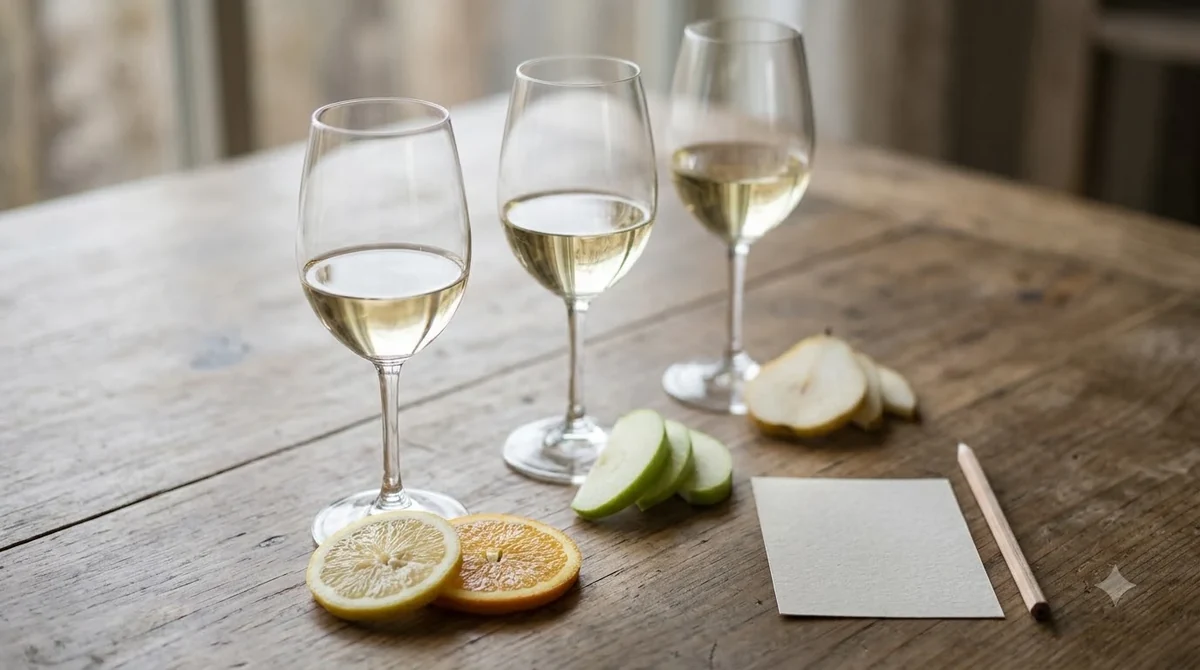
Rosé is usually served chilled, which brings out its fruit and keeps the acidity crisp. Dry rosés pair well with salads, grilled fish and light pasta. Sweeter pink wines suit spicy food and fruit desserts. Whatever you pair it with, check the food as well, since bread, sauces and marinades can contain gluten even when the wine does not.
Rosé is also a common base for spritzes and cocktails. Many recipes add syrups, liqueurs or mixers that contain gluten or are made in shared facilities. If you plan to make a rosé cocktail, check each ingredient rather than assuming the wine is the only concern. For a broader view of how pink wines differ, the Wine by Type guide is a useful starting point.
Other Sweet and Pink Wines to Compare
Many people who ask about rosé also ask about moscato and other sweet white wines. The same logic applies: the grape is gluten free, and the question is about additives and processing. The moscato gluten free article covers sweet white wine and flavored products in more detail, and the chardonnay gluten free guide explains how a dry white wine label compares.
Practical Steps for Buying Rosé
If you avoid gluten, the simplest routine is to buy plain rosé from producers that publish processing information, check the label for a clear statement, and avoid flavored pink drinks unless you have read the full ingredient list. Those steps cover nearly every situation without making a shopping trip much harder.
Storage and service do not change the gluten answer either. Keeping a bottle chilled, using a standard wine glass, and pouring from a bottle rather than a shared pitcher all avoid the same kind of cross-contact risk that matters in restaurants. At home, wash any shared utensils or pitchers that held a gluten-containing mixer before they touch a glass of rosé.
Your own comfort level matters. Some people with celiac disease are happy with plain wine, while others prefer to choose only producers who state gluten-free status directly. Either approach works as long as it fits your health needs and medical advice.
Frequently Asked Questions
Is rose wine gluten free?
Plain rosé is generally considered gluten free because it is made from grapes. Flavored pink drinks and coolers can contain gluten, so check the ingredient list for those.
Is sweet rosé more likely to contain gluten?
No. Sweetness comes from grape sugar, not gluten. A sweet rosé that is a plain wine has the same gluten profile as a dry one.
Is sparkling rosé gluten free?
Sparkling rosé follows the same logic as still rosé. Check the producer’s processing statement, since the grapes are the base and the risk comes from processing aids.
Are rosé cocktails gluten free?
They can be, but mixers, syrups and liqueurs may contain gluten or be made in shared facilities. Check each ingredient in the recipe before drinking.
Plain rosé is generally a safe choice for people who avoid gluten. Check the producer’s information, read the label, and be careful with flavored pink drinks, and you can enjoy rosé without guessing.
More in Wine Types & Grapes
 Zinfandel Sugar Content: Dry Red vs. White Zinfandel GramsUpdated Nov 21, 2026
 Best Zinfandel Substitute Options for Sipping and CookingUpdated Nov 21, 2026
 Zweigelt Food Pairing: Best Dishes, Cheeses, and Serving TipsUpdated Nov 21, 2026
 Zinfandel Tannins Explained: How Structure Shapes Every BottleUpdated Nov 21, 2026
 Zinfandel Sweetness Level: Dry Red vs. Sweet White Zin ExplainedUpdated Nov 21, 2026
 Xinomavro Food Pairing: Best Dishes, Styles, and Serving TipsUpdated Nov 21, 2026