

We may earn a commission when you buy through links on this page, at no extra cost to you. Learn more.
The answer to “is chablis sweet or dry” is dry: Chablis is a crisp white wine made from 100% Chardonnay. Its freshness comes from high natural acidity, cool-climate fruit, and a mineral character often described as flinty or steely. Most bottles taste more like lemon, green apple, and citrus zest than ripe tropical fruit, and they are not made to taste sugary.
Chablis comes from the northern part of Burgundy in France, where Chardonnay takes on a leaner profile than it often does in warmer growing areas. Knowing what “dry” means, how the four appellation levels differ, and which foods suit the wine makes it easier to choose a bottle with the style you expect.
Is Chablis Sweet or Dry?
Chablis is a dry white wine, not a dessert wine or a sweet Chardonnay. Its defining impression is freshness: lively acidity, restrained fruit, and a finish that usually feels clean rather than sugary.
Dryness describes the amount of residual sugar left after fermentation, not whether a wine tastes fruity. A Chablis can smell of ripe pear, apple, peach, or lemon and still taste dry. Fruit aromas are not the same as sugar; acidity can make fruit flavors seem especially bright while keeping the overall impression crisp.
The Chablis regional body identifies the wines as dry whites made from one grape variety, Chardonnay. In practical terms, a standard bottle of Chablis should not taste like Moscato, a sweet Riesling, or a late-harvest dessert wine.
There can be small differences in perceived richness from one producer or vineyard to another. A warmer vintage, riper fruit, lees aging, or a touch of oak can make a wine feel broader and rounder, but those qualities do not automatically make it sweet. If the main thing you want to avoid is sugar, classic Chablis is a dependable dry-white choice.
Why Chablis Has a Crisp, Mineral Style
Chablis combines a cool growing climate with limestone-rich soils, producing Chardonnay that is usually taut, bright, and mineral rather than broad and tropical. The region’s northern position in Burgundy helps preserve acidity in the grapes.
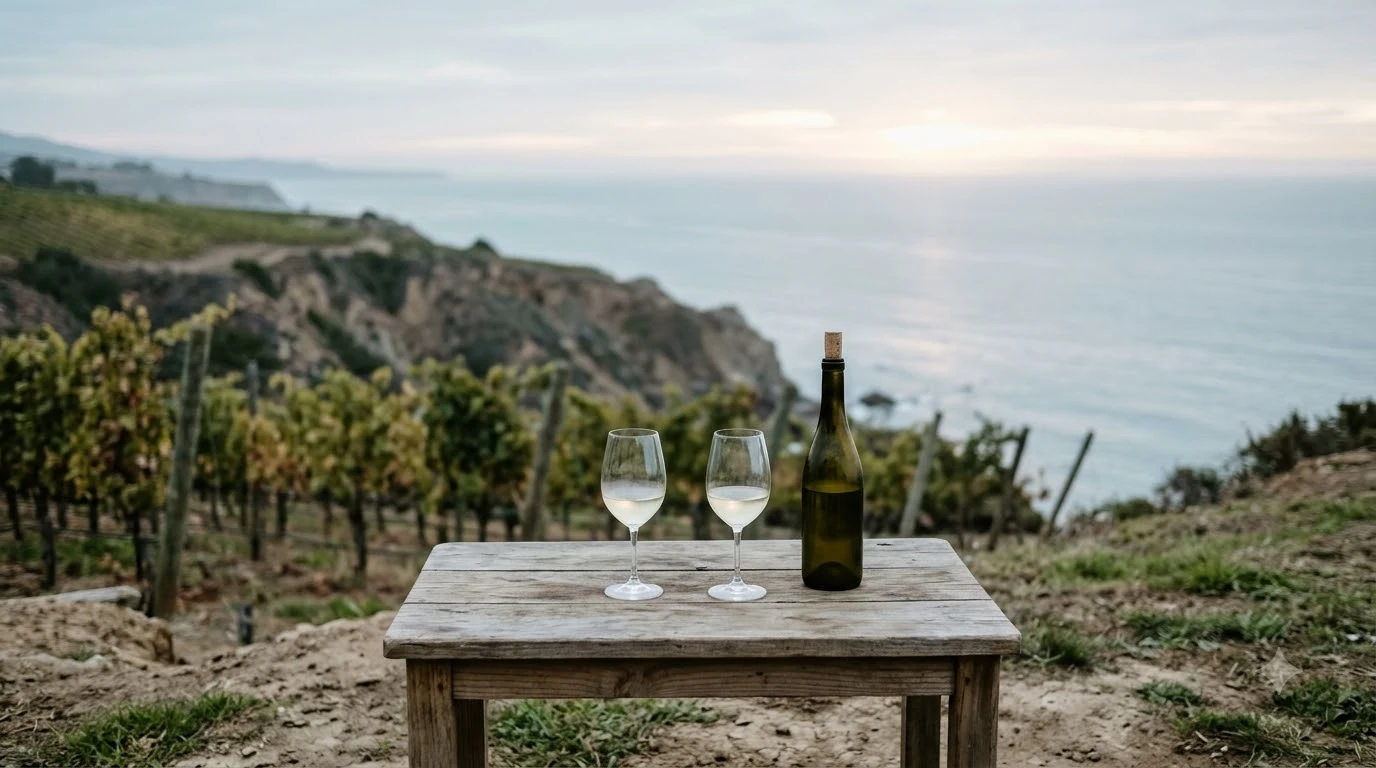
Chablis is Burgundy’s northernmost major wine area, and its cooler conditions distinguish it from warmer parts of the region. Grapes do not always reach the same level of lush ripeness found in hotter places, so the finished wines commonly show lemon, green apple, pear, and restrained white-fruit notes. Higher acidity gives those flavors definition and leaves a brisk sensation on the palate.
The region is particularly associated with Kimmeridgian limestone and marl, geological layers dating to the Jurassic period. These soils contain marine fossils, including remnants of ancient oyster shells. Their presence is often linked with the stony, saline, or flinty character wine drinkers describe in Chablis. That mineral language is a tasting description, not a claim that the wine literally contains pieces of rock or tastes like seawater.
Vineyard position also matters. According to Wine Enthusiast, south-, southeast-, and southwest-facing slopes receive more sunlight, which can help grapes ripen in a cool region. The result is not one uniform flavor in every bottle: exposure, soil, vintage conditions, and the producer’s choices all influence weight and intensity. The broader regional signature, however, is freshness rather than sweetness.
For a deeper regional overview, Chablis Wines’ explanation of its four appellations describes the connection between Chardonnay, the local subsoil, and the region’s crisp style.
The Four Chablis Appellation Levels
Chablis has four appellation levels, from Petit Chablis to Grand Cru, and all four use Chardonnay. The classification signals the origin and standing of the vineyard area; it does not sort the wines by sweetness.
The following outline shows the hierarchy and the key numerical distinctions. Decanter describes 40 Premier Cru vineyard designations and seven Grand Cru sites, while the Chablis regional body confirms the four-tier structure.
| Appellation | Position in the four-level hierarchy | Grape varieties | Vineyard designation |
|---|---|---|---|
| Petit Chablis | 1 of 4 | 1: Chardonnay | Regional appellation |
| Chablis | 2 of 4 | 1: Chardonnay | Village appellation |
| Chablis Premier Cru | 3 of 4 | 1: Chardonnay | 40 designated Premier Cru vineyards |
| Chablis Grand Cru | 4 of 4 | 1: Chardonnay | 7 named Grand Cru climats |
Petit Chablis is generally the lightest and most straightforward tier. It often emphasizes citrus, orchard fruit, and a direct, refreshing finish. It is a useful choice for casual meals, aperitifs, or drinkers who prefer a lighter white wine. The name may sound like a smaller version of Chablis, but it is a distinct appellation with its own delimited growing area.
Chablis, sometimes called village Chablis, is the central appellation most people encounter. It typically balances citrus and apple fruit with noticeable acidity and a mineral edge. Chablis Premier Cru comes from designated vineyard sites and can show added concentration, structure, and site-specific character. Fourchaume, Montée de Tonnerre, Vaillons, and Montmains are examples of names that may appear on labels.
Chablis Grand Cru sits at the top of the hierarchy and comes from seven named climats: Blanchot, Bougros, Les Clos, Grenouilles, Preuses, Valmur, and Vaudésir. These wines can have greater depth and texture, as well as the acidity that keeps them dry-tasting. The step up in level usually means more concentration and aging potential, not a sweeter finish.
What Chablis Tastes Like in the Glass
Classic Chablis tastes dry, bright, and relatively restrained, with citrus and orchard-fruit flavors supported by firm acidity. The exact balance changes by tier, vintage, and producer, but the style usually favors precision over overt richness.
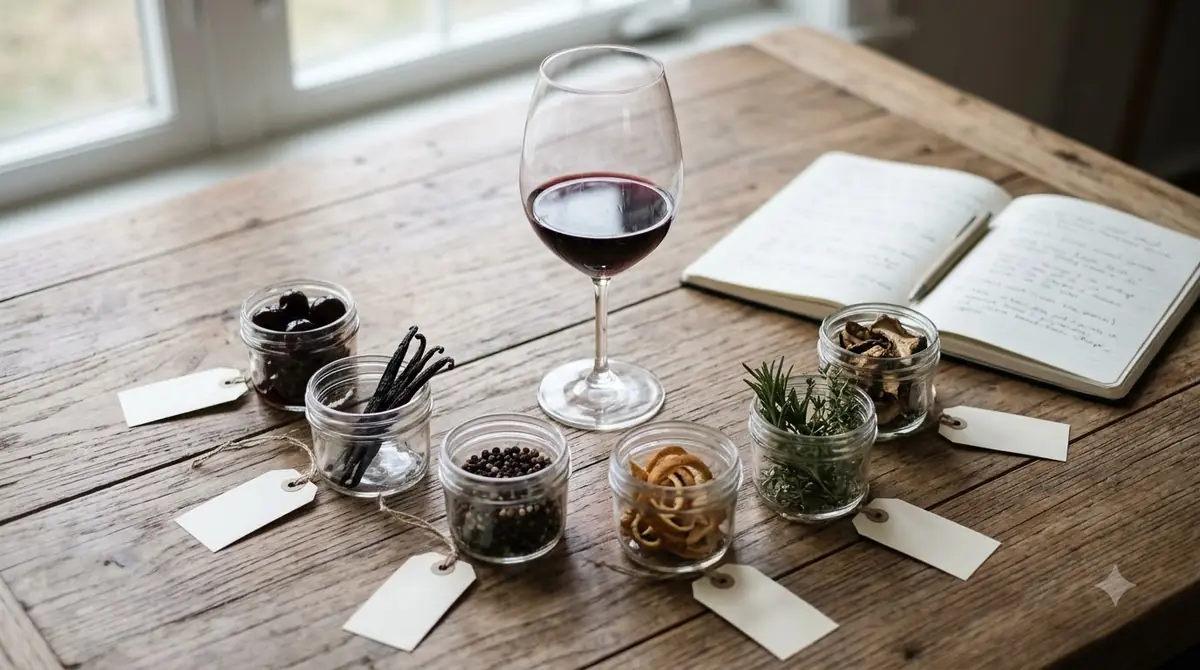
Common aromas include lemon peel, lime, green apple, pear, white flowers, and sometimes white peach. On the palate, the wine often feels light to medium in body, with acidity that makes the mouth water and a clean, stony finish. Some bottles show a faint saline impression, while others lean more toward citrus or subtle floral notes.
Do not confuse a hint of fruit sweetness with actual residual sugar. A ripe pear aroma can seem sweet to the nose even though the wine finishes dry. Likewise, honeyed or floral notes in a more developed bottle can add an impression of softness without turning the wine into a sweet style. The better test is the finish: classic Chablis usually ends crisp, refreshing, and not syrupy.
Age can change the aromas without changing the basic dry character. A young village Chablis may lead with lemon and green apple; a more mature Premier Cru or Grand Cru can develop layers of dried fruit, nuts, savory notes, or a softer texture. Acidity often remains an important part of the wine’s structure. That combination of freshness and complexity is one reason some higher-tier bottles can develop for years in the cellar.
Oak, Acidity, and Differences Between Bottles
Most Chablis is made to preserve Chardonnay’s freshness, often with stainless-steel fermentation and little obvious oak flavor. Some producers use barrels, especially for more ambitious Premier Cru and Grand Cru wines, so the category does not mean every bottle tastes exactly alike.
Stainless steel helps retain clean fruit character and a direct impression of acidity. With this approach, lemon, green apple, and mineral notes tend to stand out without strong vanilla, toast, or butter flavors. Wine Enthusiast notes that steel-tank fermentation is common in the region and that oak is sometimes used as wines move into higher-end bottlings.
Barrel fermentation or maturation can add texture and flavors such as toast, spice, or a subtle creaminess. These notes may make a wine feel fuller, but they do not necessarily mean it contains more sugar. The producer may also use lees aging, allowing the wine to rest on spent yeast cells after fermentation. This can contribute a rounder texture while retaining a dry finish and the tension of acidity.
When comparing bottles, look at the appellation, producer, vintage, and any description of oak use. Petit Chablis and village Chablis are often good starting points for a lean, direct style. Premier Cru and Grand Cru can offer more density and complexity, and their greater structure may make them suitable for longer cellaring. The label’s vineyard name can be useful, but the producer’s approach is just as important to the final style.
Chablis should not be treated as interchangeable with every Chardonnay. Warm-climate Chardonnay can be ripe, full-bodied, and strongly marked by oak, while traditional Chablis tends to be more citrus-driven and brisk. For a wider comparison of wine styles, the site’s Wine by Type overview can help place dry whites alongside other categories.
Food Pairings for Dry Chablis
Chablis is especially effective with seafood, shellfish, and simply prepared foods because its acidity refreshes the palate without overwhelming delicate flavors. Oysters, shrimp, crab, white fish, and lemon-seasoned vegetables are natural matches.
Oysters are a classic pairing because their briny flavor complements the wine’s mineral and saline impressions. Chablis also works with steamed mussels, grilled prawns, scallops, and crab cakes that are not heavily spiced. For a main course, try roast chicken, poached cod, sole, or a mild white fish with herbs. The wine’s acidity cuts through butter or a creamy sauce, while its restrained body lets the food remain prominent.
Cheese can work well, especially fresh goat cheese, young cow’s-milk cheeses, and mild washed-rind styles. The acidity balances creamy textures and helps clear the palate. For a simple appetizer, pair Chablis with a goat-cheese salad, cucumber, or asparagus with a squeeze of lemon. Avoid very sweet sauces, which can make a dry wine taste sharper and less satisfying.
Acidic ingredients need a wine with equal or higher acidity, so lemon, vinaigrette, and pickled vegetables are best handled with a similarly lively Chablis. Delicate seafood lets the wine’s freshness show, while rich sauces give its acidity something substantial to balance. If you are serving spicy food, keep the heat moderate; alcohol and tannin can amplify chili heat, and strongly seasoned dishes may overpower the subtle fruit and mineral character of Chablis.
Chablis is less successful with strongly smoked or spicy preparations that overwhelm its restrained fruit. The sauce and cooking method matter as much as the main ingredient; a lemon-herb sauce usually suits the wine better than a sweet glaze.
Guests who prefer a sweeter style can compare whether Moscato is sweet or dry, while rosé sweetness and Brut Champagne sweetness show how levels vary across categories.
How to Serve and Store Chablis
Serve most Chablis chilled but not icy, so its citrus aromas and acidity remain clear. A temperature around 45–50°F suits lighter, fresh examples, while fuller Premier Cru or Grand Cru bottlings can show better closer to 50–55°F.
If the bottle is very cold, let it sit in the glass for a few minutes; excessive chill can mute aroma and make acidity seem harder. Use a standard white-wine glass with enough room to swirl gently. A 5-ounce pour is a practical serving, and a 750-milliliter bottle yields about five such glasses. You do not need a special glass or elaborate preparation to enjoy a straightforward village Chablis.
Most young Chablis does not need decanting. Open the bottle shortly before serving and let it develop in the glass. More mature or especially concentrated bottles may benefit from a little air, but prolonged decanting is rarely necessary for a fresh, unoaked white. If a wine seems tight straight from the refrigerator, allowing it to warm slightly is often more useful than immediately decanting it.
Store unopened bottles away from direct sunlight and major temperature swings, ideally in a cool space near 55°F. Bottles intended for longer storage should be kept on their sides if sealed with natural cork. After opening, recork the bottle and refrigerate it; most still wines keep their best qualities for about three to five days. Bring the remaining wine back toward serving temperature before pouring another glass.
Tip: Take Chablis out of the refrigerator briefly before pouring. Start at 45–50°F for a lighter bottle, then let it warm in the glass if you want to notice more fruit and texture.
Frequently Asked Questions
These quick answers cover a few details that can help when comparing Chablis labels, vineyard sites, and regional descriptions.
What river runs through the Chablis wine region?
The Serein runs through the Chablis area, and the regional vineyards follow its valley. Wine Enthusiast notes that proximity to the river can add a few degrees of warmth, which may help explain why nearby sites can produce somewhat richer fruit than cooler positions.
Are all 40 Premier Cru vineyards shown separately on labels?
No. Wine Enthusiast explains that smaller Premier Cru sites are sometimes grouped under more widely recognized names, leaving 17 main site names that consumers are more likely to see. A label may therefore show a broader site name rather than the smallest individual climat.
Do the seven Grand Cru climats belong to one producer each?
No single producer owns an entire Grand Cru vineyard. Wine Enthusiast notes that holdings are divided among producers, with individual estates often owning only a small parcel or two. This is one reason wines from the same climat can differ by producer.
When did Chardonnay first arrive in Chablis?
Decanter reports that Chardonnay is believed to have been planted in the area in the 12th century by Cistercian monks from the Abbey of Pontigny. The vines were planted on hillsides near the Serein, linking the region’s long wine history to its river valley.
How close is the town of Chablis to the A6 highway?
Wine Enthusiast describes the town as roughly 10 miles from the A6, the highway connecting Paris with southern France. That makes Chablis relatively easy to reach by road while still feeling like a small wine town centered on its vineyards and cellars.
Chablis is a dry Chardonnay for drinkers who enjoy citrus, brisk acidity, and a mineral finish rather than obvious sweetness. Start with village Chablis for the classic style, then compare Premier Cru or Grand Cru when you want more depth and aging potential. Serve it cool with seafood, chicken, or creamy cheeses to bring its freshness into focus.
More in Wine Types & Grapes
 What Does Mourvèdre Taste Like? Flavor Profile, Regions, and PairingsUpdated Nov 20, 2026
 What Does Marsanne Taste Like? Flavors, Styles, and Food PairingsUpdated Nov 20, 2026
 What Does Malvasia Taste Like? Styles, Flavors, and Food PairingsUpdated Nov 20, 2026
 What Does Grenache Blanc Taste Like? Flavor Profile, Styles, and PairingsUpdated Nov 20, 2026
 What Does Garnacha Taste Like? Key Flavors, Styles, and Pairing TipsUpdated Nov 20, 2026
 What Does Fruit Wine Taste Like? A Complete Flavor and Style BreakdownUpdated Nov 20, 2026