


We may earn a commission when you buy through links on this page, at no extra cost to you. Learn more.
Is carlo rossi wine good? Yes, Carlo Rossi is a good choice for affordable, approachable everyday wine, particularly if you enjoy fruit-forward flavors, uncomplicated drinking, and convenient large-format bottles. Its wines are designed around accessibility rather than the complexity of premium vineyard-focused bottlings. The best choice depends on your sweetness preference: Sweet Red suits people who enjoy noticeably sweet wine, while California Red offers a more medium-dry alternative.
Carlo Rossi is a familiar name in American grocery stores, often recognized for its distinctive jug-style packaging and generous bottle sizes. The brand offers considerably more variety than its everyday reputation might suggest, including red blends, varietal wines, white wines, rosé-style options, and sangria. Understanding the differences between these styles makes it easier to decide whether the brand deserves a place at your dinner table, backyard gathering, or casual weekend meal.
Who This Wine Is For
Carlo Rossi is best suited to people who prioritize straightforward fruit flavors, approachable drinking, and practical bottle sizes over elaborate tasting experiences. It can be a sensible introduction to wine for beginners and a convenient option for informal occasions where serving several people matters more than showcasing a collectible bottle.
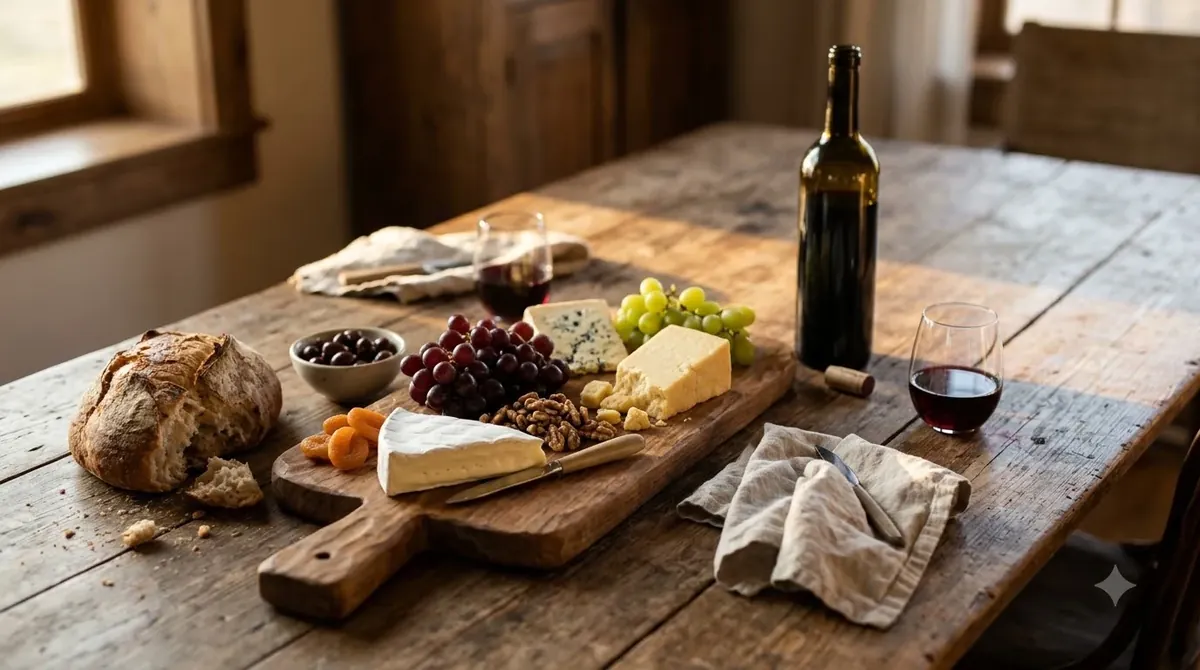
One of the brand’s main strengths is its range of accessible styles. Someone who prefers sweet red wine can choose Sweet Red, while a drinker looking for something less sweet can consider California Red. Its white wines, including Chardonnay and Rhine, provide additional choices for people who prefer lighter flavors.
Carlo Rossi can also work well for hosts who need wine for a family-style dinner, casual celebration, or outdoor gathering. The official portfolio includes formats ranging from 750 ml to 4 liters, allowing buyers to choose a quantity that suits the occasion. A larger bottle can be particularly practical when several adults are sharing wine, provided it can be stored properly after opening.
However, expectations matter. Carlo Rossi generally targets accessible everyday drinking rather than the layered aromas, regional character, and aging potential associated with more expensive wines. People who regularly seek detailed expressions of specific vineyards, carefully managed oak aging, or complex vintage differences may find the range too uncomplicated.
It is also important to distinguish between enjoying a wine and judging it by traditional fine-wine standards. A straightforward, slightly sweet red can be enjoyable with pizza or grilled food even if it does not offer the complexity of an aged Cabernet Sauvignon. Wine quality depends partly on whether the bottle delivers the style and experience its drinker actually wants.
Key Factors to Compare Before Buying
The most useful way to evaluate Carlo Rossi is to compare sweetness, flavor intensity, alcohol content, bottle size, and intended serving occasion. These factors reveal more about the wine’s suitability than its packaging or reputation alone.
Sweetness is particularly important because the brand includes wines that serve different preferences. Sweet Red is clearly positioned toward drinkers who like pronounced fruit and sweetness, whereas California Red is described as medium-dry. These are not interchangeable styles, even though both are red wines from the same brand.
Alcohol content also differs between products. The published product information lists Sweet Red at 9% ABV, Sangria at 10% ABV, and California Red at 12% ABV. These figures help distinguish the products, although the exact bottling available in a particular market should be considered when comparing labels.
| Wine or format | Published ABV | Style | Best use |
|---|---|---|---|
| Sweet Red | 9% | Sweet, fruity red | Casual sipping and spicy meals |
| Sangria | 10% | Fruity wine-based drink | Parties and chilled service |
| California Red | 12% | Medium-dry red | Grilled food and pasta |
| 750 ml bottle | Varies | Standard bottle format | Small gatherings |
| 1.5-liter bottle | Varies | Large bottle format | Sharing with several guests |
| 3-liter bottle | Varies | Large-format wine | Group occasions |
| 4-liter bottle | Varies | Large-format wine | Extended casual entertaining |
The ABV figures above come from the published product descriptions for the corresponding wines. The bottle sizes come from the official Carlo Rossi wine portfolio; not every wine necessarily comes in every size.
Another consideration is how much wine you actually need. A standard 750 ml bottle provides approximately five 5-ounce servings. A 1.5-liter bottle provides about ten servings, while a 3-liter bottle provides approximately twenty. A 4-liter bottle contains slightly more than five standard 750 ml bottles, making portion planning particularly important.
Finally, consider the food you intend to serve. A sweeter red can complement spicy sausage pizza or strongly flavored grilled meat, while a medium-dry red may be a better match for tomato-based pasta and barbecue. The right pairing can make a simple wine feel much more satisfying.
Step-by-Step: How to Choose the Right Bottle
Choosing a Carlo Rossi wine becomes easier when you start with your preferred sweetness level and work toward the occasion, food, and bottle format. Follow these steps instead of choosing solely by color or packaging.
- Decide how sweet you want your wine. If you enjoy noticeable sweetness and ripe fruit flavors, begin with Sweet Red. If you prefer something less sweet, consider California Red. This first decision eliminates much of the guesswork.
- Choose between red, white, and sangria. Red wines generally suit richer dishes and grilled foods. White wines can complement lighter meals, while sangria is a convenient option for chilled social occasions. Carlo Rossi offers examples in all three categories.
- Match the wine to your food. Sweet Red is suggested with spaghetti, adobo, spicy sausage pizza, and grilled meats. California Red is recommended with barbecue ribs, grilled pork, and spicy red pasta sauces.
- Consider the number of guests. A 750 ml bottle is suitable for approximately five standard 5-ounce glasses. A 1.5-liter bottle provides about ten, while a 4-liter format offers approximately twenty-seven.
- Choose an appropriate serving temperature. Sweet Red and Sangria are intended for chilled service. California Red can be served at cool room temperature or slightly chilled, depending on personal preference.
- Check the style information. Look for sweetness descriptions, grape or blend information, and alcohol content. These details help avoid buying a bottle that is significantly sweeter or fuller-bodied than expected.
- Plan for leftovers. If you are opening a large-format bottle, make sure you have suitable storage space and a reliable closure. Refrigeration after opening helps preserve freshness.
This process is especially useful for beginners who have not yet established a preferred wine style. Rather than starting with technical grape classifications, it focuses on the characteristics that most directly affect enjoyment: sweetness, body, food compatibility, and serving temperature.
Tip: If you are uncertain about your sweetness preference, start by comparing Sweet Red with California Red. Their published descriptions clearly distinguish a sweet, fruit-forward profile from a medium-dry one, making them useful reference points for choosing other wines later.
Types and Styles Explained
Carlo Rossi offers several wine categories, and each serves a different purpose. Understanding the differences between its popular red wines, white wines, and sangria helps prevent the common mistake of assuming every bottle has the same sweetness and flavor profile.
Sweet Red
Sweet Red is one of the clearest choices for people who enjoy noticeable sweetness. Its published tasting description highlights ripe red fruit and Concord grape character, producing a straightforward, fruit-focused drinking experience. The listed alcohol content is 9% ABV, and the producer’s product information recommends serving it chilled. The Sweet Red product description also identifies its suggested food pairings and fruit-forward profile.
This style is particularly useful with strongly flavored food. Spicy sausage pizza, grilled meats, spaghetti, and strong cheeses appear among the suggested pairings. The wine’s sweetness can provide a pleasant contrast to salty or spicy dishes, although particularly hot food can make the alcohol seem more prominent.
For readers interested in this particular category, our guide to Carlo Rossi red wine offers a more focused starting point.
California Red
California Red is described as medium-dry, with ripe berry flavors and hints of red fruit. At 12% ABV in the published product information, it provides a different experience from the sweeter Sweet Red bottling.
Its recommended food pairings include grilled pork belly, barbecue ribs, grilled meats, and spicy red pasta sauces. These combinations make sense for a casual dinner because the wine’s fruit character can complement savory and smoky flavors.
California Red is a practical option for people who want red wine without the pronounced sweetness associated with Sweet Red. It should not automatically be treated as a full-bodied, highly tannic red simply because it is labeled California Red.
Other Red Wines
The official Carlo Rossi selection also includes Paisano, Burgundy, Cabernet Sauvignon, Merlot, and Chianti. These names provide additional choices for shoppers who want to explore familiar wine categories.
Cabernet Sauvignon typically has higher tannin, while Merlot generally has softer, medium tannins. Chianti is associated with Sangiovese, a grape known for its acidity and food-friendly character. However, the precise characteristics of individual Carlo Rossi bottlings should not be assumed from grape names alone.
For example, someone who expects a structured Cabernet Sauvignon with firm tannins and pronounced oak character may have different expectations from someone looking for an uncomplicated everyday red. The product description and intended style remain important.
White Wines
Carlo Rossi’s white wine selection includes Chardonnay, Chablis, and Rhine. These choices make the brand relevant to people who prefer white wine rather than sweet or medium-dry red varieties.
Chardonnay generally has medium acidity, making it flexible with foods such as roast chicken, creamy pasta, and richer seafood dishes. Rhine-style white wines are often associated with fruit-forward flavors and can offer a more approachable option for drinkers who enjoy some sweetness.
The name Chablis also deserves attention. Traditional Chablis is a specific French Chardonnay appellation, but a product name within a California wine portfolio should not automatically be interpreted as evidence of French origin or traditional Chablis production.
Sangria
Carlo Rossi Sangria is designed around refreshing fruit character and is recommended for chilled service or pouring over ice. Its published alcohol content is 10% ABV.
Suggested pairings include pork barbecue, paella negra, fried chicken, spicy chicken wings, and sweet-and-sour chicken. It is especially useful for informal gatherings where guests prefer an uncomplicated, fruit-forward drink rather than a traditional dry wine.
The wider sangria selection includes Pink Moscato, Moscato Sangria, Watermelon Sangria, Pineapple Sangria, and Raspberry Sangria. For a closer look at the original style, see our dedicated Carlo Rossi sangria guide.

Common Mistakes When Buying Carlo Rossi
Most disappointment with everyday wine comes from choosing the wrong style or expecting a different level of complexity. Carlo Rossi is easier to evaluate fairly when buyers understand what its individual products are intended to deliver.
Assuming Every Red Wine Is Dry
One of the biggest mistakes is assuming all red wines have similar sweetness. Sweet Red and California Red are distinctly different options, even though both belong to the red category.
Sweetness is also different from body and tannin. A red wine can be light-bodied and sweet, or full-bodied and relatively dry. Someone who dislikes sweet wine should not assume that choosing a red bottle automatically solves the problem.
Expecting Premium-Wine Complexity
Carlo Rossi is positioned as an accessible everyday brand. Buyers expecting the detailed aromas, distinctive vineyard character, or long development of an expensive Napa Valley Cabernet Sauvignon may find the experience relatively simple.
That does not automatically make it a poor purchase. A wine intended for casual meals does not need to meet the same expectations as a premium bottle intended for a special dinner or a long-term collection.
Ignoring Food Pairings
Serving every style with every meal can produce disappointing combinations. Sweet Red may work with spicy sausage pizza, but it is not necessarily the best option for someone seeking a dry accompaniment to delicate seafood.
Likewise, highly tannic red wines can clash with oily fish. A lighter white wine or a suitable low-tannin red is usually a more practical starting point for seafood dishes.
Buying Too Much Wine
Large-format bottles are convenient, but they are not automatically the right choice for every household. A 4-liter bottle can provide approximately twenty-seven standard 5-ounce servings, which is considerably more than most small gatherings need.
If only two people will drink the wine, a smaller format may be easier to manage. This is particularly relevant for people who do not regularly consume wine and may leave a large quantity open for several days.
Serving Sweet Wine Too Warm
Sweet Red is recommended chilled, and Sangria is intended for chilled service or ice. Serving these styles too warm can make their sweetness seem heavier and reduce the refreshing character that makes them appealing.
Conversely, serving every red wine straight from a very cold refrigerator can suppress its aromas. California Red is better approached at cool room temperature or slightly chilled.
Care and Storage Tips
Proper storage and serving make a noticeable difference to everyday wine enjoyment. Carlo Rossi does not require elaborate wine-cellar equipment, but temperature control, protection from light, and sensible handling still matter.
Storing Unopened Bottles
For longer storage, keep wine in a cool, dark location with a relatively stable temperature near 55°F. Avoid placing bottles beside ovens, heating appliances, or sunny windows where repeated temperature changes can affect quality.
Traditional cork-closed bottles are generally best stored on their sides so the cork remains in contact with the wine. This helps prevent the cork from drying out. For bottles with alternative closures, follow the appropriate storage position and closure requirements.
Everyday Carlo Rossi wines are generally intended for relatively early consumption rather than extended cellaring. There is little reason to purchase a large quantity with the expectation that ordinary bottlings will become significantly more complex after years of storage.
Serving Temperature
Temperature affects how sweetness, acidity, tannin, and aroma are perceived. A useful starting point is to serve light whites and rosé between 45°F and 50°F, fuller white wines between 50°F and 55°F, and lighter reds between 55°F and 60°F.
Sweet Red is best served chilled according to its product information. Sangria can be served over ice, particularly at informal gatherings. For California Red, a slightly chilled serving temperature can be preferable to a warm room-temperature pour.
Preserving Opened Wine
After opening, reseal the bottle and place still wine in the refrigerator. Most opened still wines retain their best qualities for approximately three to five days, although the actual period depends on exposure to air, the wine’s condition, and storage temperature.
Opened sparkling wine generally lasts one to three days with a suitable sparkling-wine stopper. Fortified wines can remain enjoyable for several weeks, while properly sealed bag-in-box wines may retain quality for four to six weeks after opening.
For large Carlo Rossi formats, a secure closure is particularly useful. If the original closure does not seal effectively, transferring the remaining wine into a clean, smaller container can reduce the amount of air inside and slow oxidation.
Do not leave an opened bottle sitting in direct sunlight or beside a warm cooking area. Refrigeration is a simple way to slow changes in flavor, even for red wines that would normally be served above refrigerator temperature.
Finally, pour moderate servings rather than filling every glass to the rim. A standard 5-ounce serving provides enough room in the glass to appreciate the wine’s aroma and makes it easier to manage a shared bottle.
Frequently Asked Questions
Is Carlo Rossi considered a cheap wine brand?
Carlo Rossi is generally positioned in the accessible everyday-wine category rather than the premium collectible category. Its larger bottle formats and straightforward styles contribute to its reputation as a practical household and party option. Its market positioning does not mean every bottle will appeal to every drinker.
Does Carlo Rossi wine contain sulfites?
Carlo Rossi wine products can contain sulfites, as indicated in product ingredient information for some bottlings. Sulfites are commonly used in winemaking to help protect wine from oxidation and unwanted microbial activity. Ingredient information can differ by product and market.
Can Carlo Rossi wine be used for cooking?
Yes, suitable Carlo Rossi red or white wines can be used in recipes that call for wine. California Red can work in tomato-based sauces and savory meat preparations, while an appropriate white wine can be used in some poultry or seafood dishes. Avoid adding a very sweet wine to a recipe unless its sweetness is intentionally part of the flavor profile.
Is Carlo Rossi wine suitable for making wine cocktails?
Carlo Rossi wines can be used as ingredients in simple wine-based cocktails. Sangria is already a fruit-forward wine-based option, while suitable red and white bottlings can serve as starting points for homemade punches and spritz-style drinks. The finished recipe should account for the wine’s existing sweetness and alcohol content.
Does Carlo Rossi produce wines from a single grape variety?
Yes, its official range includes named varietal offerings such as Cabernet Sauvignon, Merlot, and Chardonnay alongside blends and other wine styles. The presence of a grape name in the portfolio gives shoppers a useful starting point, but it does not establish that every product is made exclusively from that grape. The individual product information provides the more specific details.
Carlo Rossi is a reasonable choice for drinkers who want uncomplicated, fruit-forward wine for everyday meals and informal gatherings. Its strongest appeal is variety and accessibility, with Sweet Red, California Red, and Sangria offering noticeably different experiences. Choose according to your sweetness preference, food pairing, and serving occasion, and the brand can provide a satisfying option without requiring a premium-wine budget or a complicated buying process.
More in Wine Brands
 Underwood Wine Price: Compare Bottles, Cans, and Pack SizesUpdated Nov 21, 2026
 Zenato Wine Price: Compare Styles and Choose the Right BottleUpdated Nov 21, 2026
 Zuccardi Wine Price: Compare Bottles and Find the Right RangeUpdated Nov 21, 2026
 Yellow Tail Moscato Review: Taste, Sweetness and Serving TipsUpdated Nov 21, 2026
 Wolf Blass Yellow Label Review: Choose Your Best StyleUpdated Nov 21, 2026
 Wolffer Estate Rose Review: Choose the Right Bottle for Your TableUpdated Nov 21, 2026