

We may earn a commission when you buy through links on this page, at no extra cost to you. Learn more.
Carlo Rossi Sangria is a ready-to-drink, fruit-flavored wine from the Carlo Rossi brand, which the company describes as America’s top-selling sangria. It sits in the same family as the classic Spanish drink: wine, fruit and a touch of sweetness, served chilled. The bottle is designed for easy sharing at picnics, parties and casual dinners, and the flavor leans sweet and fruity rather than dry.
Carlo Rossi is one of the best-known wine brands in the United States, and its sangria is one of the names shoppers see most often in the aisle. If you have never tried it, or you are deciding whether it fits a party, this guide explains what sangria is, how the Carlo Rossi version fits that tradition and how to serve it well.
What Sangria Is
Sangria is a wine punch with roots in Spain and Portugal. Historians trace its ancestry to a medieval drink from the Kingdom of León, which mixed wine with citrus, sugar and spices. The modern version is built on a red wine base, often a Spanish Rioja, with chopped fruit, sugar or a sweetener, orange juice and sometimes brandy or a liqueur added. Sparkling water or lemon-lime soda is a common finishing touch.
Because the base is wine, sangria is usually a light, sweet, refreshing drink rather than a strong cocktail. The fruit soaks into the wine, and the flavor grows as the mixture rests. That slow infusion is what makes homemade sangria taste different from a simple glass of red with fruit on the side.
The word sangria is often used loosely. In Spain, recipes vary from one region to the next, and some cooks use white wine, sparkling wine or cava instead of red. Portugal has its own version, and the European Union has rules about which products may be sold under the name sangria, so the label on a bottle can tell you where the drink was made. Bottled sangrias from American brands usually follow the same basic idea, but the base wine and sweetness are set by the producer.

What Carlo Rossi Sangria Tastes Like
Carlo Rossi markets several sangria styles, and product images on the brand’s site show fruit-forward versions, including a watermelon sangria and a moscato-based sangria. That range tells you the house approach: bright fruit, a sweet and easy finish, and a wine base that is not heavy or tannic. The flavors are designed to be approachable for people who do not drink much wine.
The exact flavor depends on the variety you buy, so read the label for the fruit and base. Fruit-led sangrias tend to taste like juicy berries, citrus and melon, with a soft sweetness at the finish. Moscato-based versions lean lighter and more floral. If you want a dry, savory red, a sweet sangria from this brand will not match that goal.
| Element | What to expect |
|---|---|
| Base | Wine-based, with a fruit-forward profile |
| Sweetness | Noticeably sweet, easy to drink |
| Fruit notes | Berry, citrus or melon depending on variety |
| Body | Light to medium, not tannic |
| Serving | Chilled, over ice, with fruit |
The brand’s official site describes the product as America’s top sangria by sales, citing industry sales data. That claim reflects the brand’s own marketing, so treat it as the producer’s statement rather than an independent ranking. What matters more to most buyers is whether the taste suits the occasion.
In the United States, sangria became popular as an iced drink in Spanish restaurants and among Hispanic American communities, then grew more widely after the 1964 World’s Fair in New York. That history explains why many American sangrias are sweeter and fruitier than the dry versions served in Spain. The bottled Carlo Rossi style follows that American taste, which is one reason it sells so widely.
How Carlo Rossi Sangria Compares With Homemade Sangria
Homemade sangria gives you control over sweetness, fruit and strength. You can use a dry red, add fresh orange slices, or make a white version with peaches and mint. The bottled version trades that control for convenience: it is ready in seconds, and the flavor is consistent from bottle to bottle.
For a party where many guests will drink, a bottled sangria is often the practical choice. For a small dinner where you want to show off a homemade touch, a batch made the same day usually tastes brighter. Either approach works, and many hosts keep a bottle on hand for backup.
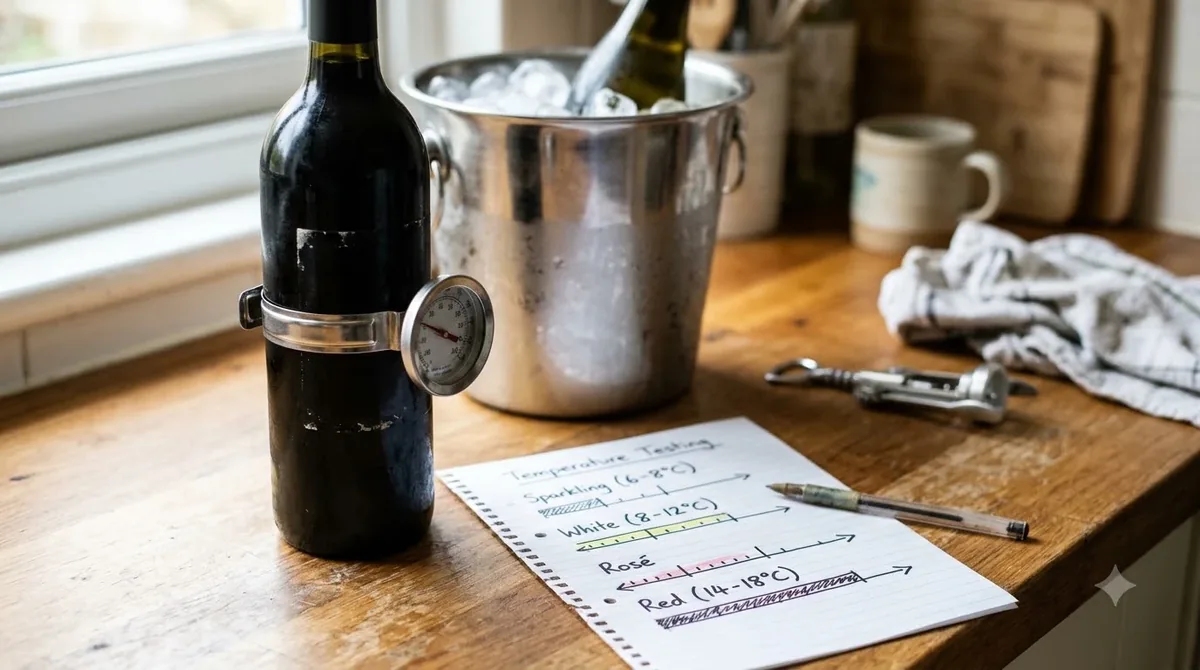
If you make a batch of your own, the best results usually come from a few simple steps. Cut the fruit into small pieces so it releases flavor quickly, combine it with the wine and sweetener, and let the mixture rest in the refrigerator for a few hours. Add any sparkling element right before serving so it stays bubbly. The same logic applies to a bottled sangria: the cold, the fruit garnish and the ice are what make the drink feel fresh.
How to Serve Carlo Rossi Sangria
Serve sangria cold. A bottle that has been in the refrigerator for a few hours will taste crisp and refreshing, and ice helps keep it cool through the evening without diluting it too quickly. Pour it into a large glass or a pitcher, and add a few fresh slices of the fruit that matches the flavor, such as orange, lemon or berries.
Check the label for the alcohol content before you serve it, especially if guests are not used to wine-based drinks. Sweet sangrias go down easily, so it can help to pour smaller glasses and offer water alongside. Keep the bottle chilled, and do not leave it sitting in the sun on a hot patio.
Tip: For a quick upgrade, pour the sangria over ice in a tall glass, add a splash of sparkling water and a few mint leaves. The drink stays bright and feels lighter.
Sangria also works well as a welcome drink. Its lower strength than a spirit-based cocktail makes it a comfortable choice for a long afternoon or evening, and its fruit flavors give guests something to talk about. Set out a pitcher with fresh fruit slices and a stack of cups, and let guests pour their own glasses.
Food Pairings for Sangria
Sangria is a natural partner for Spanish-style tapas, so try it with manchego, marcona almonds, olives and grilled shrimp. The sweetness and fruit balance salty cured meats and fried snacks, which makes the drink a good fit for a casual spread.
It also works with grilled chicken, pork skewers, fruit salads and light desserts such as sorbet or lemon bars. Avoid pairing it with very rich, heavy dishes, since the sugar can make the meal feel cloying. A simple plate of cheese and crackers is often the easiest match.
How to Choose a Sangria Bottle
Start with sweetness. If you prefer a drink that tastes more like wine, look for a sangria that is lightly sweet. If you want a fruit-forward drink for a summer party, choose a variety with a clear fruit name on the label. Read the ingredient list and alcohol content, and check whether the product is made with red or white wine.
It also helps to compare the bottle with other easy-drinking wines in the same price range. Shoppers who enjoy the Carlo Rossi style often look at the Carlo Rossi wine range for other everyday options. Those who want a lighter sparkling choice may also consider La Marca Prosecco, which offers a bubbly, fruit-forward alternative for the same kind of gathering.
Storage is simple. An unopened bottle keeps well in a cool, dark place, and an opened bottle should go back in the refrigerator with the cap on. Fruit added to a bottle will break down after a day or two, so it is best to add fresh garnish just before pouring rather than leaving sliced fruit sitting in the wine for long periods.
Frequently Asked Questions
Is Carlo Rossi Sangria sweet?
Yes. Carlo Rossi markets its sangria as a fruit-forward, easy-drinking style, and most drinkers will find it noticeably sweeter than a dry red wine.
Is Carlo Rossi Sangria red or white?
It depends on the variety. Check the label, since the brand offers several styles with different wine bases and fruit flavors.
Should Carlo Rossi Sangria be served chilled?
Yes. Serving it cold keeps the flavor crisp and refreshing, and ice or a chilled bottle helps it stay that way during a party.
What fruit goes well with sangria?
Orange, lemon, lime, berries, peaches and apples are all common choices. Pick fruit that matches the flavor on the label, so the drink tastes consistent.
Carlo Rossi Sangria is an easy way to bring a wine-based punch to a gathering without making it yourself. Chill the bottle, add a few fresh slices of fruit and pair it with tapas, grilled meats or light desserts. For more guides to the brand’s wines, the Wine Brands section groups the labels by family and style, and the producer’s official site at carlorossi.com has current product details.
More in Wine Brands
 Underwood Wine Price: Compare Bottles, Cans, and Pack SizesUpdated Nov 21, 2026
 Zenato Wine Price: Compare Styles and Choose the Right BottleUpdated Nov 21, 2026
 Zuccardi Wine Price: Compare Bottles and Find the Right RangeUpdated Nov 21, 2026
 Yellow Tail Moscato Review: Taste, Sweetness and Serving TipsUpdated Nov 21, 2026
 Wolf Blass Yellow Label Review: Choose Your Best StyleUpdated Nov 21, 2026
 Wolffer Estate Rose Review: Choose the Right Bottle for Your TableUpdated Nov 21, 2026