


We may earn a commission when you buy through links on this page, at no extra cost to you. Learn more.
Is bread and butter wine good? Yes, Bread & Butter is a good choice for casual wine drinkers who enjoy approachable California wines, particularly rich, creamy Chardonnay with vanilla, ripe fruit, and noticeable oak. Its strongest appeal is an easygoing, fruit-forward style rather than complex, restrained winemaking. However, people who prefer crisp, mineral-driven whites or subtle oak may find some of its bottles too rich or predictable.
Bread & Butter has become a recognizable name among American wine drinkers looking for accessible California wines. The brand offers several familiar varieties, including Chardonnay, Pinot Noir, Cabernet Sauvignon, and other popular styles. Its Chardonnay receives particular attention because of its creamy texture and buttery character. Understanding the brand’s approach, the differences between its wines, and the kinds of drinkers they suit makes it easier to decide whether a bottle belongs on your table.
Who This Wine Brand Is For
Bread & Butter is best suited to people who want familiar flavors, approachable textures, and uncomplicated drinking occasions. Its California Chardonnay is especially appealing to drinkers who enjoy vanilla, almond, ripe fruit, and the soft texture associated with oak-influenced white wines.
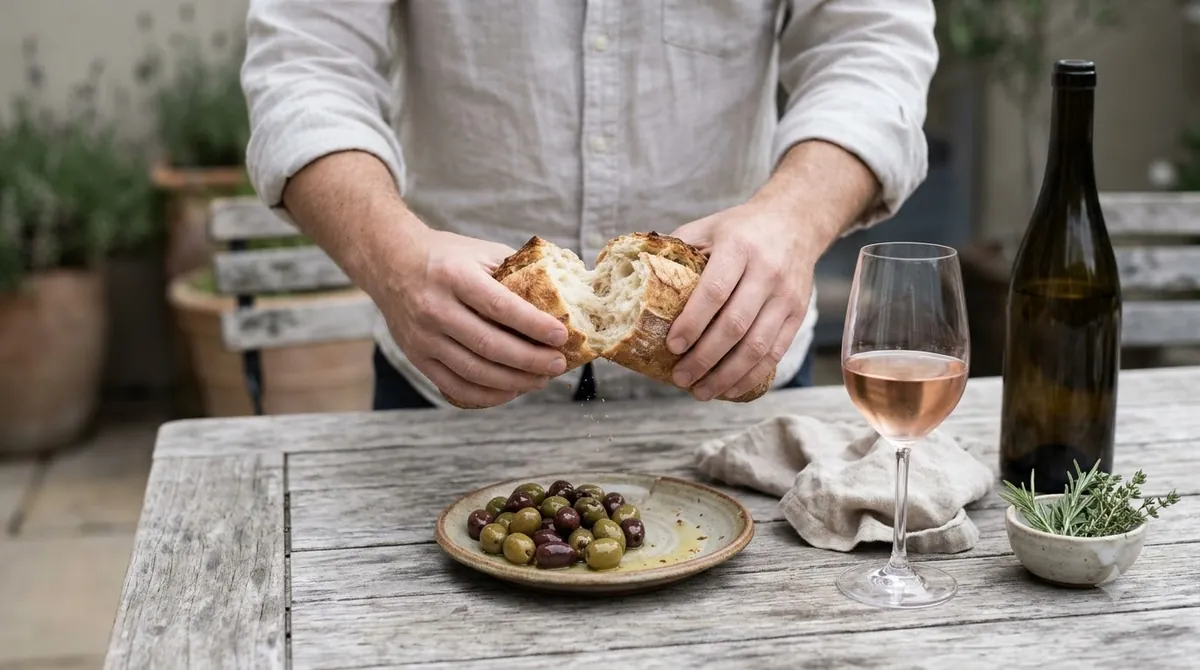
New wine drinkers may appreciate the brand because its familiar grape varieties make choosing a bottle relatively straightforward. Someone who already enjoys California Chardonnay, for example, can start with the standard Chardonnay rather than trying to understand unfamiliar grape varieties or complicated regional classifications. The same principle applies to its red wines: Pinot Noir offers a softer alternative to Cabernet Sauvignon, while Cabernet suits people who prefer firmer tannins and darker fruit.
However, Bread & Butter is not necessarily the right choice for every wine enthusiast. Drinkers who prefer restrained oak, high acidity, pronounced minerality, or distinctive vineyard character may want to explore other producers. Its Chardonnay emphasizes creamy richness, while some cooler-climate Chardonnays place greater emphasis on lemon, green apple, and mineral notes.
The brand is also worth considering for casual dinners, informal gatherings, and meals where a recognizable wine style is more important than a highly distinctive bottle. A creamy white alongside roast chicken or pasta with a rich sauce can be an uncomplicated and enjoyable combination. Its red varieties offer similarly familiar options for pizza, roasted vegetables, and meat dishes.
Think about the style you already enjoy rather than choosing solely because of the label. If you regularly reach for buttery California Chardonnay, Bread & Butter is a reasonable candidate. If your favorite white wine is crisp Sauvignon Blanc or unoaked Chablis, its signature Chardonnay may not match your preferences.
Key Factors to Compare Before Buying
The most important considerations are grape variety, sweetness, acidity, oak influence, alcohol content, and overall balance. Bread & Butter makes several different wine styles, so judging the entire brand from one bottle can create the wrong impression.
Chardonnay deserves particular attention because it represents the brand’s recognizable creamy style. The producer’s 2024 California Chardonnay information lists 13.5% alcohol, partial malolactic fermentation, and French oak treatment that includes 40% new oak. These details help explain its emphasis on richness, vanilla, and toasted flavors. The producer’s California Chardonnay description and tasting notes provide additional details about its intended flavor profile.
Another useful consideration is the difference between the standard California range and the more specifically identified regional bottlings. Wine Enthusiast reviewed the 2023 Appellation Series Chardonnay from Sonoma Coast and described cinnamon, roasted pear, fresh apple, candied ginger, white flowers, and a pithy finish. That description demonstrates that the brand’s Chardonnay offerings need not all have identical flavor profiles.
| Factor | What to Expect | Who May Prefer It |
|---|---|---|
| Grape varieties | Chardonnay, Pinot Noir, Cabernet Sauvignon, and other familiar styles | Drinkers who enjoy recognizable grapes |
| Chardonnay alcohol | 13.5% ABV for the listed 2024 California bottling | People comfortable with moderately full-bodied white wine |
| Chardonnay acidity | Medium acidity, with a creamy impression | Fans of softer white wines |
| Oak influence | French and American oak influences across producer descriptions | Drinkers who enjoy vanilla and toasted notes |
| Malolactic fermentation | Partial fermentation in the California Chardonnay | People who enjoy buttery textures |
| Serving temperature | 50–55°F for fuller-bodied whites | Drinkers who want aromatic richness without excessive warmth |
| Standard bottle size | 750 ml, approximately five 5-ounce glasses | Small dinners and casual gatherings |
Sweetness is another point worth understanding. A wine that tastes creamy or ripe is not automatically sweet. Bread & Butter Chardonnay is generally positioned as a dry California Chardonnay, but its ripe fruit, vanilla, and soft texture can create an impression of sweetness. This distinction matters if you are choosing wine for someone who specifically dislikes sweet white wine.
For a more detailed explanation of the brand’s signature style, see our guide to bread and butter wine. Comparing the grape variety and winemaking approach is more useful than assuming every bottle has the same richness or acidity.
Step-by-Step: How to Choose the Right Bottle
Choosing a Bread & Butter wine becomes easier when you start with the meal or occasion and then narrow the selection by grape variety. A few simple comparisons can help avoid buying a style that does not suit your preferences.
- Decide whether you want red or white. Choose Chardonnay if you prefer creamy white wine with oak and ripe fruit. Choose Pinot Noir if you want a lighter red, or Cabernet Sauvignon if you prefer more pronounced tannins and darker fruit.
- Consider how much oak you enjoy. If vanilla, toasted wood, and creamy textures sound appealing, Chardonnay is a logical starting point. If you prefer citrus, green apple, and freshness, compare other Chardonnay producers with less oak influence.
- Think about acidity and body. Chardonnay generally has medium acidity, while Pinot Noir usually offers higher acidity and low-to-medium tannin. Cabernet Sauvignon typically provides considerably more tannin.
- Match the bottle with the food. Creamy pasta and roast chicken work well with richer Chardonnay. Roasted mushrooms and duck are natural candidates for Pinot Noir, while Cabernet is more suitable for hearty meat dishes.
- Choose a specific wine rather than relying on the brand name. A California Chardonnay and a Sonoma Coast Appellation Series Chardonnay can have noticeably different tasting profiles.
- Serve the wine at an appropriate temperature. Chill full-bodied Chardonnay to approximately 50–55°F and lighter reds to 55–60°F.
- Compare your experience with your preferences. Pay attention to sweetness, acidity, oak, alcohol warmth, and finish. These characteristics will help determine whether another bottle from the brand is likely to suit you.
Serving temperature deserves more attention than many casual wine drinkers give it. Chardonnay served too cold can lose some of its aromas and creamy texture. Conversely, serving it too warm can make alcohol seem more noticeable and reduce the refreshing quality of its acidity.
Tip: Refrigerate Bread & Butter Chardonnay before serving, then allow it to sit briefly in the glass. Starting around 50–55°F gives the wine room to reveal its vanilla, almond, and fruit aromas without becoming overly warm.
A standard 750 ml bottle provides approximately five servings when poured in 5-ounce portions. For a dinner with four adults, one bottle can provide a moderate tasting pour for everyone, while a second bottle gives guests room for another glass.
Types and Styles Explained
Bread & Butter offers several recognizable wine categories, and each serves a different purpose at the table. Chardonnay is the most obvious starting point for creamy white wine enthusiasts, but its red varieties provide alternatives for people who prefer different levels of acidity, tannin, and fruit intensity.

Chardonnay: Creamy, Oaky, and Fruit-Forward
Chardonnay is the brand’s signature style for drinkers who enjoy a buttery white wine. Its California bottling is described by the producer as having vanilla bean, almond, tropical fruit, balanced acidity, and savory oak. Partial malolactic fermentation contributes to the rounded, creamy impression.
The term buttery refers to a combination of winemaking influences and sensory characteristics rather than actual butter being added to the wine. During malolactic fermentation, sharper malic acid is converted into softer lactic acid. This can make Chardonnay feel smoother and less angular. Oak aging can add complementary aromas such as vanilla, toast, and spice.
For readers specifically interested in this flavor profile, our butter Chardonnay article explains how malolactic fermentation and oak influence the finished wine.
Pinot Noir: Softer Red Fruit
Pinot Noir is a useful alternative for drinkers who enjoy red wine but do not want the firmer tannins associated with Cabernet Sauvignon. Bread & Butter’s producer describes its 2023 California Pinot Noir with cherry, raspberry, cassis, and soft oak characteristics.
The producer also identifies French oak as contributing soft tannins and sweet chocolate notes. This makes the style particularly relevant for people who enjoy fruit-forward red wines rather than heavily structured examples. Pinot Noir’s naturally higher acidity also helps it work with foods such as roast chicken, mushrooms, and duck.
Cabernet Sauvignon: A Firmer Red-Wine Option
Cabernet Sauvignon is generally a better choice for people who enjoy full-bodied reds, dark fruit, and stronger tannin structure. Compared with Pinot Noir, Cabernet usually feels firmer and more substantial on the palate.
That distinction matters at the dinner table. Cabernet is a natural match for grilled beef, lamb, and rich meat dishes because salt and fat can soften the perception of tannin. People who regularly enjoy lighter reds may find Cabernet more demanding, especially when served without food.
Other White-Wine Styles
Different white grapes offer different balances of fruit, acidity, and body. Sauvignon Blanc typically has higher acidity and a fresher citrus or herbal character than creamy Chardonnay. Pinot Grigio can also be a useful alternative for people who prefer lighter, less oak-driven white wine.
When comparing different Bread & Butter bottles, consider the grape first. The label’s overall branding does not mean that a Sauvignon Blanc will taste anything like its Chardonnay. Readers exploring the broader category can also consult our butter white wine explanation to understand which white-wine characteristics contribute to a creamy impression.
Common Mistakes When Evaluating Bread & Butter
The biggest mistake is treating every Bread & Butter bottle as though it has the same quality, flavor, and structure. The range includes different grapes and regional bottlings, and individual reviews demonstrate that results can vary considerably.
Another common misunderstanding is assuming that buttery Chardonnay must be sweet. A wine can be dry while still displaying ripe fruit, creamy texture, vanilla, and caramel-like aromas. These sensations influence how a person perceives sweetness, even when the wine is not actually sweet in the dessert-wine sense.
It is also a mistake to assume that more oak automatically means better Chardonnay. Oak can add complexity and texture, but too much influence for a particular drinker’s preferences can obscure fresh fruit and acidity. Someone who enjoys Chablis or unoaked Chardonnay may find an oak-forward California style less appealing.
Professional reviews also deserve careful interpretation. Wine Enthusiast’s 2023 Sonoma Coast Appellation Series Chardonnay review received 89 points and described cinnamon, roasted pear, fresh apple, candied ginger, and a pithy finish. Its 2022 Reserve Russian River Valley Chardonnay review, however, described a different combination of cinnamon, vanilla, guava, and apple pie flavors. The Wine Enthusiast review of the Sonoma Coast bottling is useful for seeing how a specific regional wine differs from the brand’s standard California Chardonnay.
These reviews illustrate why it is important to distinguish one bottling from another. A favorable review of a regional Chardonnay should not automatically be treated as a verdict on every wine produced under the same brand.
There are also examples of less favorable assessments. Wine Enthusiast’s review of a 2019 Napa Valley Chardonnay described that particular wine as dull, simple, and somewhat hot on the palate. That does not establish that every Bread & Butter wine has the same weaknesses, but it does demonstrate why the brand name alone cannot guarantee a particular experience.
Finally, do not serve every white wine directly from an extremely cold refrigerator. Very low temperatures can suppress aroma and make the wine seem less expressive. Allowing a fuller Chardonnay to warm slightly in the glass can reveal more of its fruit and oak characteristics.
Food Pairing, Serving, and Storage Tips
Bread & Butter Chardonnay works best with foods that complement its creamy texture and oak influence. The producer specifically recommends creamy pasta, winter vegetables, roasted meats, seafood, and rich sauces.
For a practical dinner pairing, consider fettuccine Alfredo, roast chicken with herbs, creamy mushroom pasta, or roasted squash. These dishes provide enough richness to complement Chardonnay’s rounded mouthfeel without overwhelming its fruit character. Roasted vegetables also bring out the wine’s softer, savory side.
For seafood, choose richer preparations rather than delicate, oily fish served without sauce. Creamy seafood pasta, roasted shellfish, and fish with a buttery sauce can work well. Highly tannic red wine is generally a poor match for oily fish because the combination can produce an unpleasant metallic impression.
Pinot Noir offers more flexibility with earthy and savory foods. Roasted mushrooms, duck breast, grilled chicken, and mushroom risotto are suitable choices. Its acidity can provide freshness, while its relatively modest tannin makes it less demanding than Cabernet Sauvignon.
Cabernet Sauvignon is more appropriate for grilled steak, roast beef, lamb, and dishes containing substantial fat or protein. Salt and fat soften the perception of tannin, making the wine feel more balanced alongside a hearty meal.
Serving Temperature
For fuller-bodied Chardonnay, aim for 50–55°F. Lighter white wines and rosé are generally better around 45–50°F, while lighter red wines such as Pinot Noir are best served around 55–60°F. Fuller reds such as Cabernet Sauvignon can be served around 60–65°F.
These temperatures are useful starting points rather than strict rules. A bottle that has been stored in a very cold refrigerator may benefit from several minutes outside before pouring. Avoid leaving white wine in direct sunlight or near a warm oven.
Storage After Opening
Store unopened bottles in a cool, dark location with a relatively stable temperature near 55°F. If bottles are fitted with natural corks, storing them on their sides helps keep the cork from drying out. Avoid direct sunlight, strong temperature fluctuations, and unnecessary movement.
Once opened, reseal still wine and keep it refrigerated. Most opened still wines remain enjoyable for approximately three to five days, although freshness varies according to the wine and storage conditions. A properly sealed bottle generally retains its character longer than one left exposed to air overnight.
For the best experience, pour moderate servings and return the bottle to the refrigerator between glasses. If the wine develops noticeably dull fruit, stale aromas, or an unpleasant flavor, it may have passed its best drinking condition.
Frequently Asked Questions
Is Bread & Butter considered a premium wine brand?
Bread & Butter is generally associated with approachable California wines rather than collectible or prestige-focused bottlings. The brand also offers more specifically identified regional and reserve wines, so its range is not limited to one basic style. Its suitability depends more on your expectations and preferences than on a premium label classification.
Does Bread & Butter Chardonnay contain actual butter?
The buttery character is associated with winemaking and flavor development rather than the addition of dairy butter. Malolactic fermentation converts malic acid into lactic acid, helping produce a softer mouthfeel. The wine’s oak treatment also contributes vanilla and toasted flavor impressions.
Can Bread & Butter wine be used for cooking?
Dry Chardonnay can be used in cream sauces, risotto, and pan sauces, while Pinot Noir can contribute fruit and acidity to certain mushroom and meat preparations. Avoid cooking with wine that has developed obvious oxidation or unpleasant off-flavors. The finished dish should be balanced rather than dominated by the wine’s oak or alcohol.
Does Bread & Butter Chardonnay need decanting?
Most young Chardonnay does not require decanting because it is generally ready to drink after opening. A few minutes in the glass are usually sufficient to reveal its aromas. Decanting is more commonly considered for young, full-bodied red wines that benefit from 30–60 minutes of aeration.
How many calories are in a glass of Bread & Butter Chardonnay?
The exact calorie content depends on the particular bottling, residual sugar, and alcohol level. The listed 2024 California Chardonnay has 13.5% ABV, but alcohol content alone does not provide an exact nutritional calculation. Consult the producer’s nutritional information for a specific bottle rather than assuming every vintage has identical values.
So, is Bread and Butter wine good? For people who enjoy approachable California wines, especially creamy Chardonnay with ripe fruit and oak, it is a worthwhile brand to consider. Its different grape varieties also offer alternatives for people who prefer softer reds or more structured styles. Start with the Chardonnay if buttery whites are your preference, or compare Pinot Noir and Cabernet Sauvignon if you are looking for a red. Exploring the specific bottling and matching it to your preferred flavor profile is the simplest way to decide whether Bread & Butter deserves a place in your regular wine selection.
More in Wine Brands
 Underwood Wine Price: Compare Bottles, Cans, and Pack SizesUpdated Nov 21, 2026
 Zenato Wine Price: Compare Styles and Choose the Right BottleUpdated Nov 21, 2026
 Zuccardi Wine Price: Compare Bottles and Find the Right RangeUpdated Nov 21, 2026
 Yellow Tail Moscato Review: Taste, Sweetness and Serving TipsUpdated Nov 21, 2026
 Wolf Blass Yellow Label Review: Choose Your Best StyleUpdated Nov 21, 2026
 Wolffer Estate Rose Review: Choose the Right Bottle for Your TableUpdated Nov 21, 2026