

We may earn a commission when you buy through links on this page, at no extra cost to you. Learn more.
Is bonterra wine good? Yes, Bonterra is a good choice for dependable, approachable California wine, particularly if you appreciate organically grown grapes, recognizable varietal flavors, and balanced everyday drinking. Its Cabernet Sauvignon is a particularly appealing starting point for red wine drinkers, while its Chardonnay offers fresh apple and pear flavors with a creamy texture. Not every bottle has the same level of complexity, however, so the best choice depends on your preferred grape, wine style, and occasion.
Bonterra has built its reputation around organic farming and accessible California wines rather than expensive, prestige-focused bottles. Based in Mendocino County, the winery offers familiar varieties that work for weeknight dinners, casual entertaining, and people who want to explore organic wine without sacrificing recognizable flavor. Its portfolio includes Cabernet Sauvignon, Pinot Noir, Chardonnay, Sauvignon Blanc, Pinot Gris, and Rosé.
The important distinction is that organic farming describes how grapes are grown, not automatically how a finished wine tastes. Bonterra’s strongest selling point is the combination of its farming commitments and approachable wine styles. Looking at its individual bottles, tasting characteristics, independent reviews, and food-pairing potential gives a much clearer picture of its quality.
Who Should Choose Bonterra Wine?
Bonterra is particularly suitable for wine drinkers who want recognizable California varietals, approachable flavor profiles, and a producer with established organic farming practices. Its selection covers several familiar grapes, making it easier to find a bottle for different meals and personal preferences.
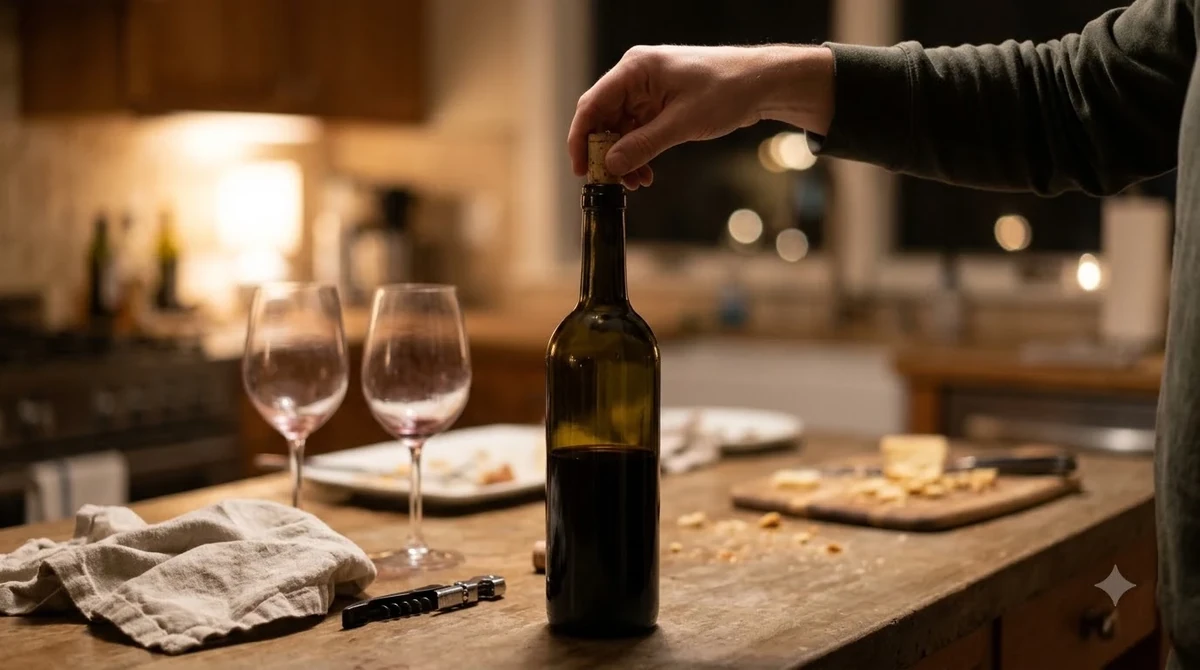
The brand is worth considering if you regularly buy Cabernet Sauvignon for burgers, grilled meats, or pasta, or Chardonnay for chicken, seafood, and creamy dishes. These familiar styles make Bonterra accessible even if you are not particularly interested in studying wine regions or complicated production methods. You can choose a grape you already enjoy and explore the producer from there.
Organic farming is another important reason shoppers consider Bonterra. The winery began farming organically in Mendocino County in 1987 and released its first organic wine vintage in 1990. Its organic farming commitments are verified through California Certified Organic Farmers, providing a more meaningful foundation than simply using environmental language on a bottle.
However, Bonterra is not automatically the right choice for every wine enthusiast. Someone seeking a highly concentrated Napa Valley Cabernet, a particularly complex aged Burgundy-style Pinot Noir, or an intensely buttery Chardonnay may prefer a different producer or a more specialized bottle. Bonterra’s appeal is primarily its balance of accessibility, varietal character, and farming philosophy.
Consider these general buyer profiles:
- Everyday red wine drinkers: Cabernet Sauvignon offers recognizable dark-fruit flavors, moderate-to-firm structure, and flexibility with familiar meals.
- Fresh white wine fans: Chardonnay and Sauvignon Blanc provide different expressions of fruit, acidity, and texture.
- Organic wine shoppers: Bonterra has a long-established organic farming program and third-party certification.
- Casual hosts: Familiar grapes make the selection relatively easy for guests with different preferences.
- Wine beginners: The recognizable varietals provide a practical introduction to comparing California wine styles.
If your main priority is learning about the producer before choosing a bottle, the Bonterra wine overview provides a useful starting point. It helps put the individual varieties into the context of the broader portfolio.
Key Factors to Compare Before Buying Bonterra
The best way to judge Bonterra is to compare its grape varieties, flavor intensity, acidity, tannins, and farming credentials. These characteristics have a greater effect on your enjoyment than the organic designation alone.
| Factor | What to Expect | Best For |
|---|---|---|
| Organic farming | 100% certified organic grapes in the producer’s featured wines | Environmentally conscious shoppers |
| Cabernet Sauvignon | Dark fruit, blackcurrant, cherry, and noticeable tannins | Steak, burgers, and red-sauce pasta |
| Pinot Noir | Red fruit, lighter body, and softer tannins | Chicken, mushrooms, and salmon |
| Chardonnay | Pear, green apple, citrus, and creamy texture | Roast chicken and seafood |
| Sauvignon Blanc | Fresh fruit character and lively acidity | Salads, shellfish, and goat cheese |
| Rosé | Refreshing, lighter-bodied pink wine | Summer meals and appetizers |
| Serving temperature | 45–50°F for light whites and 55–60°F for light reds | Preserving freshness and balance |
Organic certification and sulfites
Organic certification is one of Bonterra’s defining characteristics. Its organic farming program avoids prohibited synthetic pesticides, herbicides, and fertilizers under the applicable organic standards. The winery also describes its organic claims as independently verified through California Certified Organic Farmers.
There is an important labeling distinction, though. A wine labeled organic wine under USDA standards has different requirements from one labeled made with organic grapes. Bonterra explains that its wines in the latter category can receive a limited amount of added sulfur during the final production stage to stabilize the wine before bottling.
Bonterra reports average total sulfite levels of approximately 70 to 90 parts per million across its wines, compared with the maximum of 100 parts per million permitted under the USDA made-with-organic-grapes standard. This is useful information for shoppers who want to understand what the organic designation actually means. Organic does not mean sulfite-free, and the winery’s environmental claims should not be confused with a guarantee about individual sensitivity or reactions to wine.
Flavor, structure, and consistency
Bonterra’s wines are generally designed around recognizable grape characteristics rather than unusual winemaking experiments. Its Cabernet Sauvignon emphasizes dark fruit and savory notes, while Chardonnay combines orchard fruit with a rounded texture. That makes the range relatively approachable for people who already know which varieties they enjoy.
Independent reviews provide additional evidence that the wines can deliver quality beyond their farming credentials. Wine Enthusiast awarded the 2023 Made With Organic Grapes Cabernet Sauvignon 89 points, describing black plum, blackberry, espresso, clove, and dried thyme. Its review of Bonterra’s 2023 Cabernet Sauvignon provides more detail about the wine’s fruit, spice, and tannin profile.
Bonterra’s 2023 Chardonnay received 91 points from Wine Enthusiast, giving another indication that the white wine selection deserves consideration alongside the reds. The publication’s 2023 Chardonnay review is useful for shoppers comparing the producer’s white wines.
These scores are useful reference points, not guarantees that every vintage will taste identical. Harvest conditions, blending decisions, aging, and bottle age can all affect the result. A good purchasing decision should therefore consider the specific bottle rather than treating the entire brand as one uniform wine.
Step-by-Step: How to Choose the Right Bonterra Bottle
Choosing Bonterra becomes easier when you start with your preferred wine color and work through grape variety, food pairing, and serving conditions. A few simple decisions can prevent you from buying a bottle that technically has good reviews but does not suit your palate.

-
Decide whether you want red, white, or rosé.
Start with the type of wine you normally enjoy. Red wine drinkers can explore Cabernet Sauvignon and Pinot Noir, while white wine drinkers can compare Chardonnay, Sauvignon Blanc, and Pinot Gris. Rosé is a flexible alternative for casual meals and warmer weather.
-
Choose a grape according to your preferred flavor profile.
Cabernet Sauvignon is the logical starting point if you like blackcurrant, blackberry, and more noticeable tannins. Pinot Noir suits people who prefer cherry, raspberry, and a lighter structure. Chardonnay is suitable for shoppers who enjoy apple and pear flavors with a fuller texture, while Sauvignon Blanc is generally more suitable for those who prefer bright acidity.
-
Consider the food you intend to serve.
Think about the main ingredient rather than selecting a wine based solely on color. Cabernet Sauvignon works particularly well with steak and grilled burgers. Chardonnay is a useful partner for roast chicken and creamy seafood dishes, while Pinot Noir is an appealing option for mushroom dishes and roasted poultry.
-
Check the exact wine and vintage.
Bonterra offers standard bottlings as well as estate and single-vineyard selections. A regular California Cabernet Sauvignon and a more specialized estate selection should not be assumed to have identical intensity, oak influence, or aging potential. Compare the actual bottle description and vintage before purchasing.
-
Think about the level of oak influence you enjoy.
If you dislike pronounced vanilla and toast, consider whether a particular Chardonnay or Cabernet has substantial oak influence. The producer’s Cabernet Sauvignon, for example, spends 15 months in French oak barrels, including 40% new oak. Oak aging can add spice, texture, and complexity, but it may also make a wine seem richer than a fresh, unoaked alternative.
-
Plan the serving temperature.
Temperature affects the way fruit, acidity, and tannins appear. Serve light whites and rosé around 45–50°F, fuller whites around 50–55°F, light reds around 55–60°F, and fuller reds around 60–65°F. Avoid serving a red wine excessively warm simply because it is traditionally called a room-temperature wine.
-
Match the bottle to the occasion.
A Cabernet Sauvignon is a sensible choice for a grilled-meat dinner, while Chardonnay can be more flexible for a mixed menu featuring chicken, vegetables, and seafood. For a casual gathering with several different appetizers, Sauvignon Blanc or rosé may be easier to accommodate.
Tip: If you are buying Bonterra for the first time, start with one Cabernet Sauvignon and one Chardonnay. Comparing a familiar red and white from the same producer gives you a much better sense of its style than judging the entire portfolio from one bottle.
Bonterra Wine Types and Styles Explained
Bonterra’s portfolio includes several familiar grape varieties, but they do not all deliver the same drinking experience. Understanding the differences between its red, white, and rosé selections is essential to choosing a bottle that fits your taste.
Cabernet Sauvignon: the red wine starting point
Cabernet Sauvignon is one of the most recognizable wines in the Bonterra range. Its profile emphasizes blackcurrant, dark cherry, blackberry, tobacco, leather, and graphite. The producer describes its Cabernet Sauvignon as expressive and full-flavored, while the Philadelphia Inquirer’s wine review characterizes it as a dry, medium-weight red rather than an especially heavy Cabernet.
The production details help explain its texture. Bonterra states that its Cabernet Sauvignon undergoes warm fermentation in stainless steel tanks, completes malolactic fermentation, and ages for 15 months in French oak barrels. The use of 40% new French oak contributes oak-derived flavors and structure without making the entire wine dependent on barrel character.
This is a sensible option for people who like classic California red wine but do not necessarily want an extremely concentrated, high-tannin style. It pairs particularly well with grilled steak, burgers, meatballs, tomato-based pasta, and roasted lamb. Cabernet Sauvignon has naturally substantial tannins, so dishes containing protein and fat can make the pairing feel more balanced.
Pinot Noir: a lighter red alternative
Pinot Noir is the natural alternative if Cabernet Sauvignon feels too structured or intense. The grape generally produces lighter tannins and brighter acidity, with flavors that commonly include cherry, raspberry, strawberry, and earthy notes.
Bonterra’s portfolio includes Pinot Noir, making it a useful option for shoppers who want a red wine that works with more delicate food. Consider roast chicken, mushroom risotto, grilled salmon, and herb-seasoned pork. Its lighter structure also makes it easier to serve slightly cooler than a full-bodied Cabernet.
For the best result, serve light Pinot Noir around 55–60°F rather than at a warm room temperature. This helps preserve the wine’s freshness and prevents alcohol from becoming overly prominent.
Chardonnay: fresh fruit with a creamy finish
Bonterra Chardonnay is particularly appealing to shoppers who want a familiar California white with orchard-fruit character and some richness. The producer identifies pear, green apple, citrus, floral notes, and spice in its tasting description, alongside uplifted acidity and a subtle toasted finish.
The wine is not simply a sharp, light-bodied white. Its creamy texture makes it a good match for roast chicken, grilled shrimp, pasta with cream sauce, and soft cheeses. At the same time, the acidity helps keep the wine from seeming excessively heavy alongside richer food.
Bonterra’s 2023 Chardonnay received 91 points from Wine Enthusiast. That review result makes it a particularly interesting bottle for people who want to explore the white side of the range rather than assuming Cabernet Sauvignon is the only worthwhile selection.
Sauvignon Blanc: a fresher white wine option
Sauvignon Blanc is generally more suitable than Chardonnay for shoppers who prefer a crisp, aromatic white wine. It typically emphasizes citrus, green fruit, herbal notes, and refreshing acidity. That acidity makes it especially useful with goat cheese, salads, shellfish, and lightly seasoned seafood.
Its food-pairing flexibility comes from its freshness rather than a creamy texture or heavy oak character. For a warm-weather lunch, grilled shrimp with herbs or a salad with citrus dressing can make a particularly good match. Sauvignon Blanc is also a useful option when the menu includes ingredients that might overwhelm a delicate Chardonnay.
Rosé and Pinot Gris: versatile alternatives
Bonterra also offers Rosé and Pinot Gris, providing alternatives for shoppers who want something between the familiar red and white styles. Rosé is typically refreshing and fruit-forward, making it suitable for appetizers, grilled vegetables, seafood, and casual outdoor meals.
Pinot Gris generally offers a fruit-led white wine experience with enough freshness to work with salads, seafood, and mild cheeses. The exact character depends on the vintage and winemaking decisions, but it is a useful variety to explore if Chardonnay feels too rich and Sauvignon Blanc seems too sharp.
For a closer look at the differences among the red selections, the Bonterra red wine overview can help narrow the choice between lighter and more structured styles.
Common Mistakes When Buying Bonterra Wine
Most disappointing purchases happen because shoppers assume all organic wines taste alike or select a bottle without considering their preferred style. Bonterra offers several different grapes, and each has its own characteristics, ideal serving conditions, and food-pairing strengths.
Assuming organic means automatically better tasting
Organic farming is an important agricultural commitment, but it does not independently determine wine quality. The grape variety, harvest conditions, fermentation, blending, and maturation all influence what ends up in the glass.
Bonterra’s organic farming credentials are a meaningful part of its identity, but the wine should still be evaluated according to flavor and balance. A shopper who dislikes Cabernet Sauvignon will not necessarily enjoy Bonterra Cabernet simply because its grapes were organically farmed. Choosing the right variety remains essential.
Expecting every Cabernet Sauvignon to taste like a premium Napa wine
Cabernet Sauvignon can vary considerably depending on where it is grown and how it is produced. Bonterra’s Cabernet is generally positioned as an approachable California red rather than a bottle intended to imitate a high-end Napa Valley Cabernet with exceptionally concentrated fruit and extended aging.
Its blackcurrant, cherry, tobacco, and oak characteristics make it a recognizable example of the grape, but expectations should remain realistic. If you prefer exceptionally dense fruit, pronounced new-oak flavors, and very firm tannins, you may want a more specialized Cabernet selection.
Confusing dry wine with wine that lacks fruit
A dry wine can still taste fruity. Dryness refers to the amount of residual sugar, while fruit flavors describe the aromas and sensations associated with the grapes and winemaking process. Bonterra Cabernet Sauvignon can have noticeable blackberry and blackcurrant characteristics without tasting sweet.
The same distinction applies to Chardonnay. Apple and pear aromas do not mean the wine contains a high amount of residual sugar. Understanding this difference helps shoppers avoid rejecting a wine simply because its tasting description mentions ripe fruit.
Assuming made with organic grapes means sulfite-free
This is an especially common misunderstanding. Bonterra explains that wines labeled made with organic grapes may receive limited added sulfites to help stabilize the finished wine. The producer reports average total sulfite levels of 70–90 parts per million, so its organic farming credentials should not be interpreted as a promise of zero sulfites.
Organic certification concerns agricultural and production standards. It does not mean the finished wine contains no naturally occurring or added sulfur compounds. Read the winery’s explanation of its labeling categories if this distinction is important to your buying decision.
Serving red wine too warm
Many people serve Cabernet Sauvignon at ordinary room temperature, which can be too warm in a heated home. Excessive warmth can make alcohol feel more noticeable and soften the perception of freshness.
Try serving a fuller red around 60–65°F. If the bottle has been sitting in a warm kitchen, a short period of refrigeration can help bring it closer to the ideal temperature. Conversely, serving Chardonnay directly from an extremely cold refrigerator can mute some of its fruit and texture.
Choosing a wine without considering the meal
A wine that works beautifully with steak might be less successful with delicate white fish. Cabernet Sauvignon has higher tannin, which can make it a challenging match for oily fish and delicate seafood. Chardonnay or Sauvignon Blanc will often be more appropriate for those meals.
Also consider acidity when serving wine with food. Highly acidic tomato sauces and citrus dressings generally need wines with comparable or greater acidity. Fatty dishes can soften tannin, while very spicy food can make the alcohol and tannins in a red wine feel more pronounced.
Bonterra Wine Serving and Storage Tips
Correct serving and storage conditions can make a noticeable difference in how Bonterra tastes. Aim for approximately 45–50°F for light whites and rosé, 50–55°F for fuller whites, and 60–65°F for fuller reds.
For Bonterra Cabernet Sauvignon, a serving temperature around 60–65°F is a practical starting point. This allows the dark-fruit and savory characteristics to come through without making the alcohol seem too prominent. Young, full-bodied Cabernet can also benefit from approximately 30–60 minutes of decanting, particularly if you want to soften its initial impression and encourage more aromatic development.
Bonterra Chardonnay is better served cooler, around 50–55°F. Avoid pouring it directly into glasses while it is extremely cold, because lower temperatures can suppress its pear, green apple, citrus, and floral aromas. Letting the wine warm slightly in the glass can reveal more of its texture and aromatic detail.
Storage before opening
Store unopened bottles in a cool, dark location with a relatively stable temperature. Around 55°F is a useful target for longer-term wine storage. Avoid placing bottles near ovens, radiators, sunny windows, or other sources of temperature fluctuations.
For bottles with traditional cork closures, storing them horizontally helps keep the cork in contact with the wine. This reduces the chance of the cork drying out during extended storage. Screw-cap bottles do not require horizontal storage for the same reason, although a cool, dark storage position is still preferable.
How long does opened Bonterra wine last?
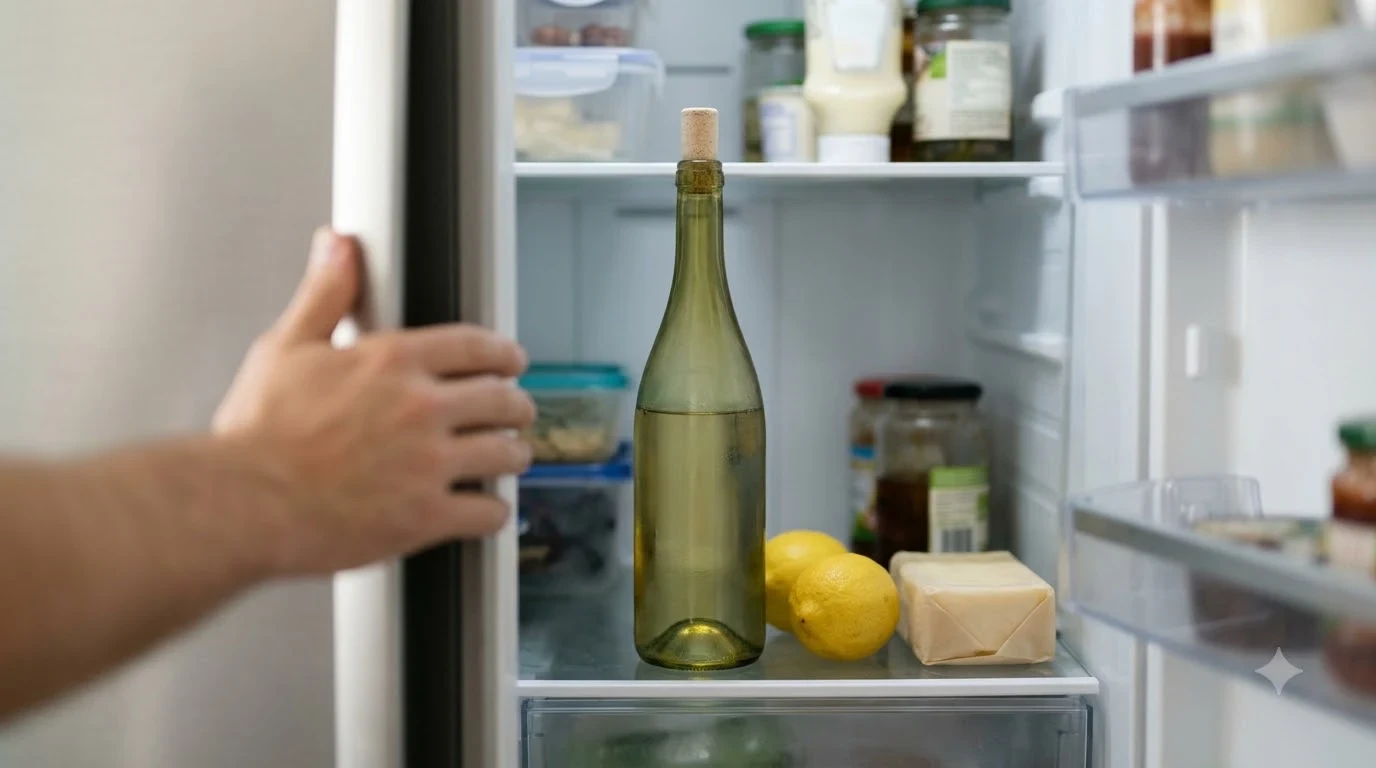
Once opened, most still wines retain their best drinking quality for approximately three to five days when refrigerated and properly resealed. This applies as a general guideline to both red and white wines, although the exact period depends on the wine’s structure, age, and exposure to oxygen.
Use a proper stopper, return the bottle to the refrigerator, and avoid leaving unfinished wine on a warm kitchen counter overnight. Before serving again, let red wine warm slightly toward its appropriate serving temperature. Chardonnay and other whites can generally be poured directly from the refrigerator after a brief adjustment.
Practical pouring advice
A standard wine pour is approximately 5 ounces. A 750 ml bottle therefore provides about five standard glasses, making it easy to estimate how much wine to purchase for a small dinner gathering.
Use an appropriately sized wineglass for each style. A larger bowl can help Cabernet Sauvignon release its aromas, while a moderately sized white-wine glass helps maintain Chardonnay’s freshness. Rosé and Sauvignon Blanc also benefit from glasses that preserve their aromatic character without requiring extensive aeration.
Bonterra is best enjoyed according to the character of the particular bottle rather than treated as a single style of wine. Good storage, sensible serving temperatures, and appropriate food pairings make it easier to appreciate what each variety offers.
Frequently Asked Questions
Is Bonterra considered a premium wine brand?
Bonterra is primarily known for approachable California wines and organic farming rather than positioning every bottle as a luxury collectible. Its broader range serves everyday wine drinkers, while selected estate and single-vineyard wines offer more specialized expressions. The winery’s history of organic production is a significant part of its market identity.
Is Bonterra wine suitable for people new to wine tasting?
Yes. Its familiar grape varieties make it relatively straightforward to understand basic wine differences. A beginner can compare Cabernet Sauvignon with Pinot Noir to learn about tannin and body, then compare Chardonnay with Sauvignon Blanc to understand the differences between texture and acidity.
Does Bonterra use animal-derived fining agents?
Bonterra identifies its Chardonnay as vegan friendly, which is useful for shoppers who avoid animal-derived ingredients in wine production. Vegan suitability should still be evaluated for the specific bottle rather than automatically assumed across every product in a producer’s portfolio. Winemaking practices and certifications can differ between individual wines.
Can Bonterra wines be kept for several years?
Some Bonterra wines have more aging potential than others. The producer specifically states that its Chardonnay can continue to evolve for up to four additional years of cellaring. This is a wine-specific recommendation, not a universal aging guarantee for every Bonterra red, white, or rosé.
What does Bonterra mean?
Bonterra translates approximately to good earth. The winery uses the name to express its emphasis on organic farming and its relationship with the land. This philosophy is reflected in its agricultural commitments and its focus on producing wines from organically grown grapes.
Overall, Bonterra is a worthwhile California wine producer for shoppers who value approachable varietal character and established organic farming practices. Its Cabernet Sauvignon is an excellent starting point for red wine fans, while Chardonnay provides a compelling white alternative. Choose according to your preferred flavor profile, match the bottle with your meal, and consider exploring the wider Bonterra organic wine selection to discover which style suits your palate best.
More in Wine Brands
 Louis Latour Wine Price: Compare Bottles by Style and TierUpdated Nov 20, 2026
 Yellow Tail Moscato Price: What to Expect Before You BuyUpdated Nov 20, 2026
 Sutter Home Sweet Red Review: Find the Right Food PairingsUpdated Nov 20, 2026
 Franzia Chillable Red Review: Find the Right Serving StyleUpdated Nov 20, 2026
 Veuve Clicquot Rose Review: Flavor, Food Pairings and Buying AdviceUpdated Nov 20, 2026
 Rombauer Wine Price: Compare Bottles Before You BuyUpdated Nov 20, 2026