

We may earn a commission when you buy through links on this page, at no extra cost to you. Learn more.
bonterra red wine is a California collection of reds made with organically grown grapes, including Cabernet Sauvignon, Merlot, Pinot Noir, Zinfandel, and Red Blend. The range covers several styles, from structured, dark-fruited Cabernet to softer, more approachable reds. Mendocino County is central to the brand’s identity, and its farming practices are a major part of what distinguishes the wines. The best bottle for your table depends on the grape variety, the flavor profile you enjoy, and the food you plan to serve.
Bonterra appeals to wine drinkers who want familiar California red varieties alongside a clearly stated commitment to organic farming. Understanding the differences between its main bottlings makes choosing easier, especially when the label features a grape name, a regional designation, or a blend. Here is how the range is organized, what its reds generally taste like, and how to serve and pair them well.
What the Bonterra Red Wine Range Includes
Bonterra makes several kinds of red wine rather than one signature red with a single fixed flavor profile. Its selection includes Cabernet Sauvignon, Merlot, Pinot Noir, Zinfandel, and Red Blend, giving drinkers a choice of grape varieties and different levels of body, acidity, and tannin.
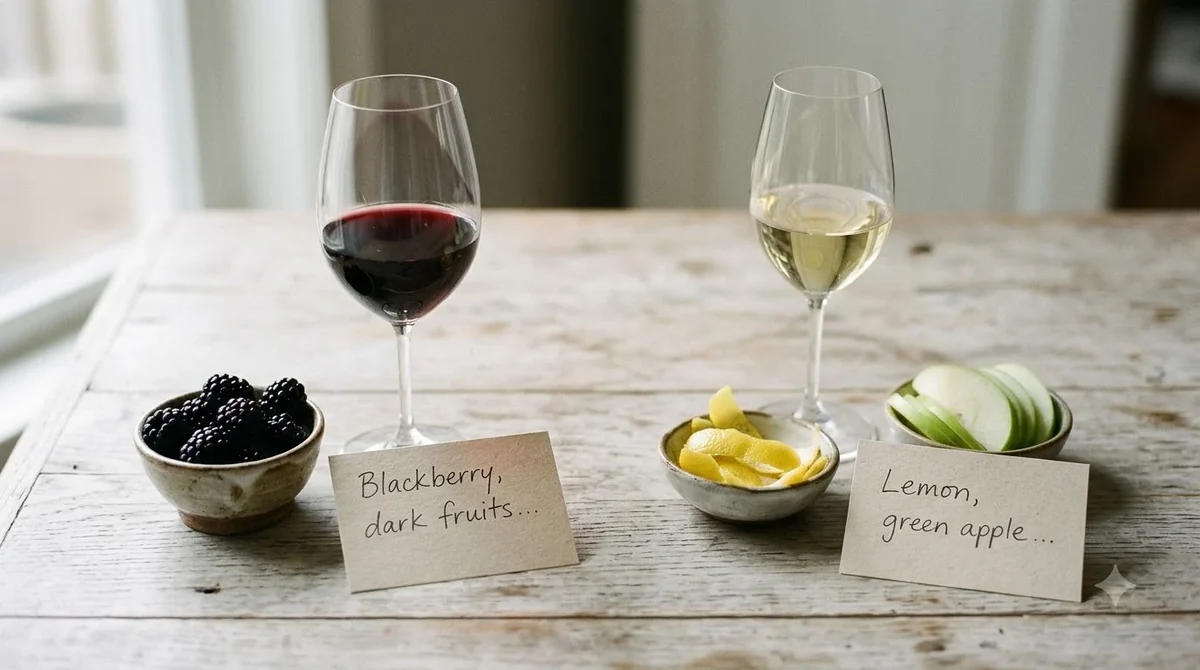
Cabernet Sauvignon is a useful starting point for anyone who likes dark fruit, a noticeable structure, and a dry finish. Merlot offers a softer alternative, while Pinot Noir generally brings lighter body, brighter acidity, and more delicate fruit. Zinfandel tends toward a riper, fuller expression, making it a natural option for people who enjoy generous fruit flavors and a warmer impression on the palate. These differences matter more than the general label description of red wine because they affect both the drinking experience and the food that works best alongside each bottle.
Red Blend is another important part of the selection. Rather than relying on the character of one named grape, a blend combines varieties to create a particular balance of fruit, structure, and texture. Wine Enthusiast reviewed Bonterra’s 2023 Red Blend at 13.5% alcohol by volume and gave it 90 points. Its notes included red berries, dried herbs, potpourri, vanilla, blackberry, blueberry, clove, and orange zest. Those details provide a useful reference for the style, although individual vintages can differ. The blend is a reasonable starting point for someone who wants a California red without committing to a single grape variety.
It helps to approach the collection by preference. Choose Cabernet Sauvignon when you want more tannin and structure, Merlot when you prefer softer texture, and Pinot Noir when freshness and lighter body are priorities. Red Blend is a flexible middle ground, while Zinfandel is worth considering with richer, more intensely seasoned dishes. For a wider overview of producers and styles, the wine brands section offers additional context for comparing bottles.
Organic Farming and Bonterra’s Mendocino Roots
Bonterra’s identity is closely tied to organic grape growing in Mendocino County, California. The winery’s history reaches back to 1987, when the Fetzer family planted its first organic vineyard, followed by the release of its first organic wine in 1990. That background helps explain why organic farming is central to the brand rather than a minor detail added to a label.
The winery’s farming approach emphasizes healthy soils, biodiversity, and working with the surrounding vineyard environment. CCOF’s directory identifies the business as Fetzer Vineyards doing business as Bonterra Organic Estates and lists its location in Hopland, in Mendocino County. CCOF also lists the company’s USDA National Organic Program certification. Bonterra identifies CCOF as the third-party organization that verifies its organic claims. This distinction matters because organic terminology on wine labels is connected to defined production standards, not simply a general statement about environmental values.
Bonterra’s history includes several milestones beyond its first organic vineyards. McNab Ranch became the winery’s first certified Biodynamic vineyard in 1996. The winery also records receiving Climate Neutral certification in 2020 and describes its broader work as regenerative organic farming. These terms refer to related but distinct approaches. Organic certification focuses on specified farming and production requirements, while Biodynamic farming adds a broader agricultural system and regenerative practices emphasize the long-term condition of soil and the farm ecosystem. They should not be treated as interchangeable labels.
For a bottle buyer, the practical point is that Bonterra’s main range is made with organically grown grapes, and its Cabernet Sauvignon is specifically described as using 100% certified organic grapes. That statement refers to the grapes, not to a promise that the wine contains no added sulfites. Bonterra uses the wording “made with organic grapes” because its winemakers allow regulated sulfite additions to help maintain consistency and stability. The difference is important when comparing labels: “organic wine” and “wine made with organic grapes” are not identical categories under the rules described by the winery.
Cabernet Sauvignon, Merlot, Pinot Noir, Zinfandel, and Red Blend
The grape variety is the clearest guide to the style of a Bonterra red. Cabernet Sauvignon generally brings the firmest tannin of these familiar options, Merlot is softer, Pinot Noir is lighter and more acidic, and Zinfandel often gives a fuller, riper impression. Red Blend takes a different approach by combining varieties rather than presenting one grape as the main identity.
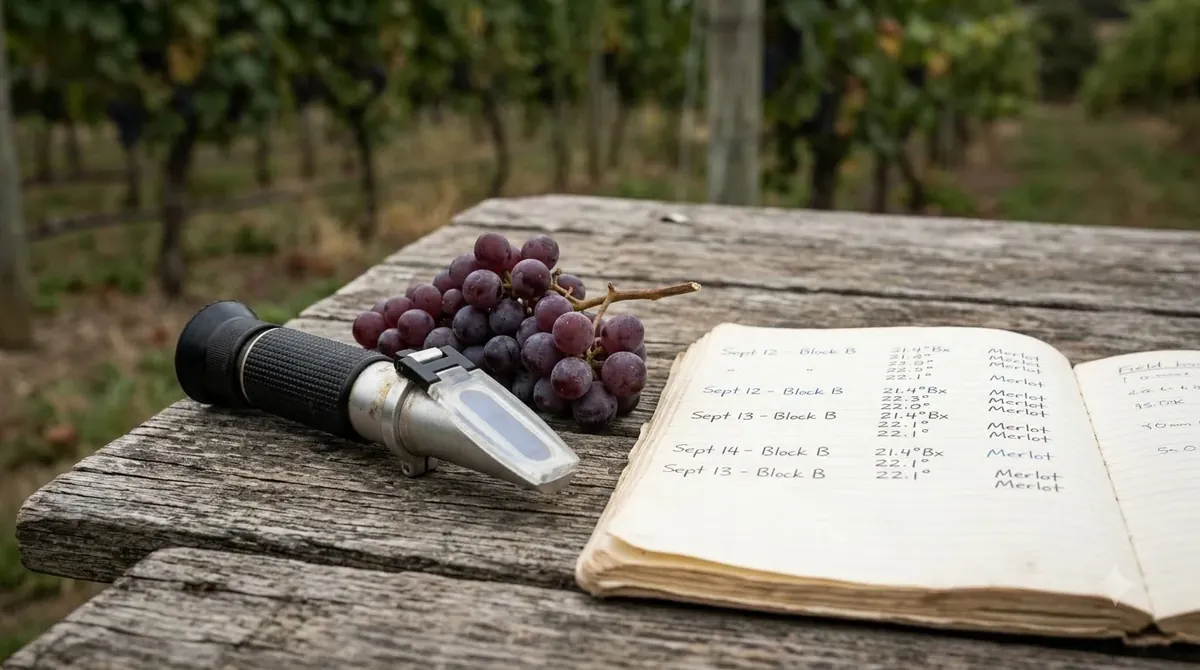
Bonterra’s Cabernet Sauvignon is described by the winery as medium-bodied, with black cherry and black currant at the center of its fruit profile. Dried herbs, leather, tobacco, and pencil shavings add earthy and savory notes. The wine is made through warm fermentation in stainless steel tanks, followed by malolactic fermentation. It then spends 15 months in French oak barrels, 40% of which are new. That combination of fruit, oak, and ripe tannin gives the wine more structure than a very light red, while the medium-bodied description indicates that it is not intended as an excessively heavy style. Details about this specific bottling are available on the Bonterra Cabernet Sauvignon page.
Merlot is a useful alternative for drinkers who enjoy plum and dark fruit but want a gentler tannin impression than Cabernet Sauvignon typically provides. Its medium tannin and softer texture can make it easier to pair with a broader range of everyday foods. Pinot Noir occupies a lighter position. Its naturally higher acidity, lower-to-medium tannin, and red-fruit character suit meals where a heavy red might overwhelm the ingredients. It is also a sensible choice for poultry, mushrooms, and dishes with herbs rather than intense sauces.
Zinfandel generally provides a fuller, fruit-forward style that can stand alongside grilled or roasted food with pronounced seasoning. Red Blend is less tied to one grape’s typical character, so it can offer a combination of fruit, spice, and texture. The reviewed Bonterra Red Blend showed berry aromas with dried herbs and vanilla, followed by darker berry flavors and silky tannins. These descriptions are useful reference points, not guarantees that every bottle will taste identical. Grape sourcing, vintage conditions, and the proportions used in a blend can all influence the final wine.
Flavor, Body, Alcohol, and Tannin Expectations
Bonterra’s reds generally sit in the dry red wine category, but their weight and texture vary according to the grape. Cabernet Sauvignon offers more structure, Merlot tends to feel rounder, Pinot Noir emphasizes freshness, and Red Blend can combine dark fruit with spice and softer tannins. Knowing how body, acidity, and tannin work together helps set realistic expectations before opening a bottle.
Body describes how substantial a wine feels in the mouth. A lighter red such as Pinot Noir often feels less dense than Cabernet Sauvignon, while a fuller Zinfandel may seem broader and warmer. Alcohol contributes to that impression, but it is only one part of the picture. Wine Enthusiast lists Bonterra’s 2023 Red Blend at 13.5% ABV. That figure indicates the alcohol content of the reviewed bottling, not a fixed percentage for every red in the collection. Cabernet Sauvignon, Merlot, Pinot Noir, and Zinfandel can have different alcohol levels depending on growing conditions, ripeness, and the individual vintage.
Tannin is the drying sensation that can be noticed along the gums and inside the cheeks. Cabernet Sauvignon is naturally high in tannin, while Merlot usually has medium, softer tannin. Pinot Noir tends to have low-to-medium tannin with higher acidity. Syrah, should it appear in a blend or another selection, is generally medium-plus to high in tannin. These differences explain why two dry red wines can feel very different even when neither tastes sweet. Tannin also affects food matching: protein, salt, and fat can soften its drying impression, which is one reason structured reds often work with meat and richer sauces.
Aroma and flavor descriptions are best treated as clues rather than a checklist that every drinker must detect. Bonterra’s Cabernet profile includes black cherry, black currant, dried herbs, leather, tobacco, and pencil shavings. The Red Blend review points to red berries, blackberry, blueberry, vanilla, clove, and orange zest. Fruit notes can suggest ripeness, while herbs, earth, oak, and spice add complexity. A wine may show one of these characteristics more clearly than another depending on serving temperature and the food on the table.
Vintage variation is normal. Weather during the growing season affects ripeness and acidity, while winemaking decisions influence texture and oak character. A Cabernet from one harvest may feel more concentrated than another, and a blend can change as its selected grape varieties or proportions change. For that reason, descriptions are best used to choose a style, not to predict every detail of a future bottle. Someone who likes black fruit and noticeable structure has a sensible reason to begin with Cabernet; someone who prefers red fruit and a fresher finish may find Pinot Noir more appealing.
Serving Temperature, Glasses, and Storage
Serving temperature makes a meaningful difference to red wine. Bonterra’s lighter reds are generally more expressive when slightly cool, while its fuller styles benefit from a little more warmth. A standard 750 ml bottle provides about five servings when poured in 5 oz portions, making glass size and serving pace useful details for a dinner or small gathering.
For light-bodied reds, including many Pinot Noir styles, aim for 55 to 60°F. Fuller reds, such as Cabernet Sauvignon and richer Zinfandel, are better around 60 to 65°F. These temperatures are cooler than a warm room, so a bottle kept at typical indoor temperature may benefit from a short period in the refrigerator before serving. Avoid serving a red very cold straight from the refrigerator, since excessive chill can suppress aromas and make tannin seem firmer. On the other hand, a warm bottle can make alcohol feel more pronounced and fruit seem less fresh.
Use a standard wine glass with enough room to swirl the wine gently. A 5 oz pour leaves space in the glass and allows the aromas to gather above the liquid. There is no need to fill the glass to the rim. Pouring smaller amounts also makes it easier to keep track of temperature and gives the wine room to open as it sits. A young, full-bodied red may benefit from 30 to 60 minutes of decanting, particularly if it seems tight when first opened. Lighter Pinot Noir usually needs less time, and older bottles should be handled carefully rather than automatically decanted for a long period.
| Wine or serving detail | Practical guideline | Why it matters |
|---|---|---|
| Standard bottle | 750 ml | Common bottle size for still wine |
| Typical glass pour | 5 oz | Leaves room for swirling and aromas |
| Glasses per bottle | About 5 | Based on five 5 oz servings |
| Light red serving temperature | 55–60°F | Works well for lighter Pinot Noir styles |
| Full red serving temperature | 60–65°F | Suitable for fuller Cabernet Sauvignon styles |
| Young, full red decanting | 30–60 minutes | Can help a tightly structured wine open up |
| Opened still wine | 3–5 days refrigerated | Best quality is usually retained over a short period |
After opening, reseal the bottle and keep it in the refrigerator, even if the wine is red. Cooler storage slows the changes caused by air exposure. Most opened still wines are best within three to five days, although freshness depends on the wine, the amount remaining in the bottle, and how well it is sealed. For unopened bottles, store them away from direct sunlight and heat, ideally near 55°F. Bottles with natural corks are generally stored on their sides so the cork remains in contact with the wine. Stable conditions are more useful than frequent movement or repeated temperature changes.
Tip: A red wine served too warm can seem more alcoholic and less balanced. Chill a bottle briefly before serving, then let it warm gradually in the glass rather than leaving it beside a hot stove or in direct sunlight.
Food Pairings for Bonterra Red Wine
The best food pairing depends on the grape’s acidity, tannin, body, and fruit character. Bonterra Cabernet Sauvignon suits savory dishes with enough protein and richness to balance its structure, while Pinot Noir works well with lighter foods that benefit from freshness. Merlot and Red Blend offer flexible options for weeknight meals, roast dishes, and familiar comfort foods.
Cabernet Sauvignon is a natural partner for grilled steak, roast beef, lamb, and burgers. Its higher tannin can feel less drying beside protein and fat, while black-fruit flavors complement browned and roasted surfaces. A mushroom burger, lentil shepherd’s pie, or grilled portobello can also work when the dish has enough savory depth. For a classic pairing, serve Cabernet with a beef roast, rosemary potatoes, and roasted carrots. The herbs and browned flavors connect with the wine’s dried-herb and earthy notes without requiring a complicated sauce.
Merlot’s softer tannins make it suitable for meatloaf, roast chicken with mushrooms, pork tenderloin, and tomato-based pasta. Its fruit can complement a tomato sauce, but the sauce’s acidity still matters. Acidic foods generally need a wine with equal or higher acidity; otherwise the wine may taste flat beside the dish. Pinot Noir is particularly useful with roast chicken, duck, salmon with a non-oily preparation, mushroom risotto, and dishes featuring thyme or sage. Its higher acidity can refresh the palate, while its lighter tannin is less likely to dominate delicate proteins. Very oily fish can clash with tannic reds, so avoid pairing a highly structured Cabernet with a rich oily fish dish.
Red Blend can be a practical choice for pizza, baked pasta, grilled sausages, roasted vegetables, and dishes with mixed ingredients. Wine Enthusiast’s description of berry fruit, herbs, vanilla, clove, and silky tannins suggests a style that can bridge several familiar flavors. Zinfandel is especially comfortable with barbecue, tomato-based meat dishes, grilled ribs, and food with sweet-smoky seasoning. When the sauce is noticeably sweet, the wine should not taste less sweet than the dish, or the fruit in the glass may seem sour or thin.
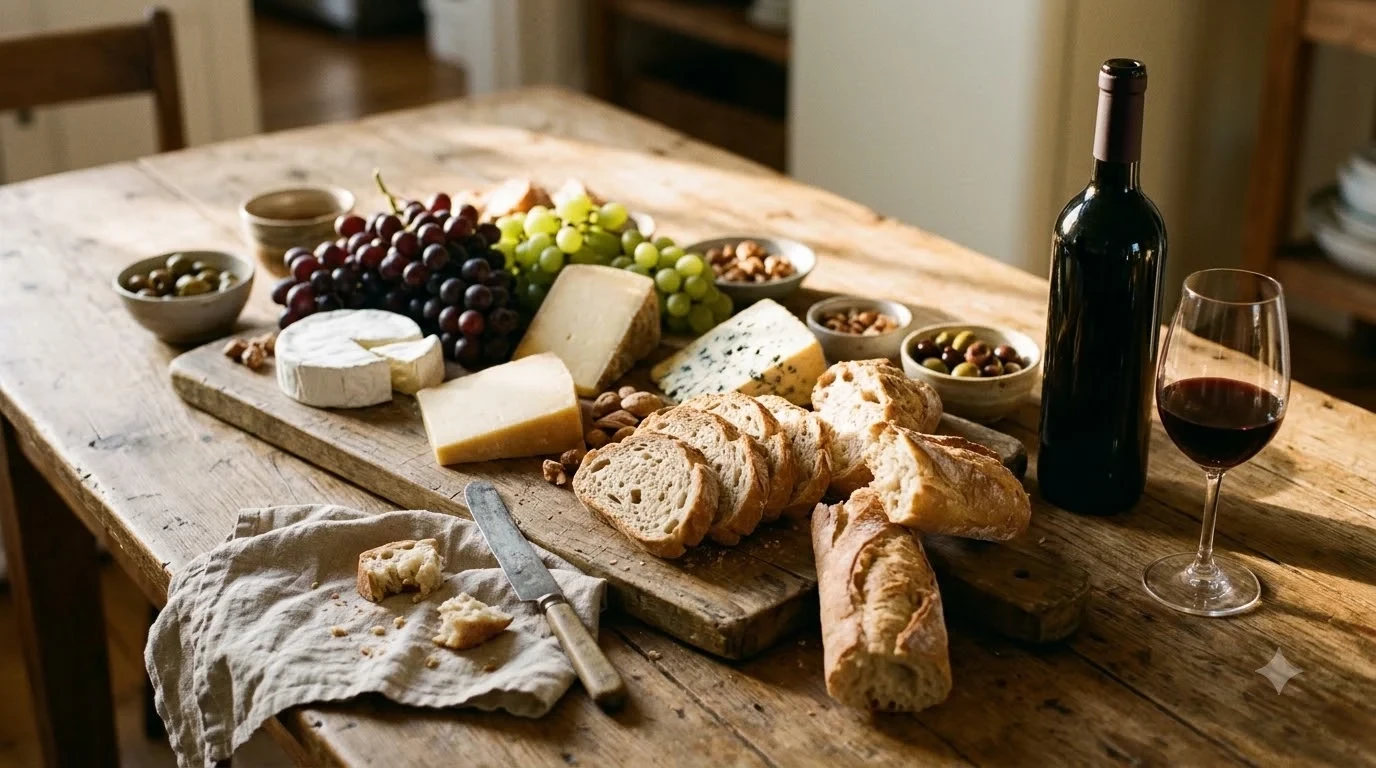
Seasoning deserves as much attention as the main ingredient. Salt can soften the impression of tannin, and fat can make a structured red seem smoother. Chili heat works differently: alcohol and tannin can amplify the sensation of spice, so a high-alcohol Cabernet is not always the most comfortable match for very hot food. With chili-heavy meals, choose a softer red, keep the dish’s heat moderate, or serve a wine with more fruit and less tannin. For a meal with varied ingredients, such as a cheese board, roasted vegetables, cured meat, and tomato bruschetta, a balanced Red Blend or softer Merlot may be more adaptable than a strongly tannic Cabernet.
For readers comparing different branded red-wine styles, Main and Vine wine offers another producer profile to consider, while Apothic Brew is a separate branded option to explore when comparing flavor-led wine choices. The important point is to select the bottle for the meal rather than assuming every California red will behave the same way. A lighter wine may be the better match for delicate food, while a structured red usually needs equally substantial flavors.
Frequently Asked Questions
Bonterra’s red range raises a few practical questions beyond grape variety and flavor. The winery’s information also clarifies details about fining, its vineyard history, and how customers can access its wines.
Are Bonterra red wines vegan-friendly?
Bonterra says its red wines are fined with organic egg whites, so they are not vegan-friendly. The winery describes its wines as suitable for vegetarians, and its FAQ distinguishes the red wines from its vegan-suitable white wines. Anyone following a strict vegan diet should take that production detail into account when choosing a bottle.
Does Bonterra have a wine club?
Bonterra’s FAQ says the winery no longer operates its own wine club. It also says the winery is not currently selling bottles directly through its website. Customers are directed to partner retailers and the winery’s wine-finder options to locate bottles.
Can visitors tour the Bonterra winery?
Bonterra’s FAQ says it does not currently have a public visitor space open at the winery. Its listed business location is in Hopland, in Mendocino County, California, but a business address should not be taken as confirmation that tours or walk-in tastings are available.
What is McNab Ranch’s connection to Bonterra?
McNab Ranch became Bonterra’s first certified Biodynamic vineyard in 1996. The milestone is part of the winery’s longer farming history, which began with the Fetzer family’s first organic vineyard planting in Mendocino County in 1987.
Does Bonterra make single-vineyard red wines?
Yes. Bonterra’s collection includes named single-vineyard wines such as The McNab Cabernet Sauvignon and The Butler, a Rhône-style red blend. These bottlings sit apart from the more widely available core range and offer another way to explore the winery’s Mendocino vineyard program.
Bonterra offers several distinct red styles, so the most satisfying choice comes down to grape preference, food, and the structure you enjoy in a glass. Cabernet Sauvignon is a sound pick for richer meals, Pinot Noir suits lighter dishes, and Red Blend gives drinkers a flexible alternative. Start with the style that matches your table, then compare another variety to discover which part of the collection suits your taste best.
More in Wine Brands
 Underwood Wine Price: Compare Bottles, Cans, and Pack SizesUpdated Nov 21, 2026
 Zenato Wine Price: Compare Styles and Choose the Right BottleUpdated Nov 21, 2026
 Zuccardi Wine Price: Compare Bottles and Find the Right RangeUpdated Nov 21, 2026
 Yellow Tail Moscato Review: Taste, Sweetness and Serving TipsUpdated Nov 21, 2026
 Wolf Blass Yellow Label Review: Choose Your Best StyleUpdated Nov 21, 2026
 Wolffer Estate Rose Review: Choose the Right Bottle for Your TableUpdated Nov 21, 2026