

We may earn a commission when you buy through links on this page, at no extra cost to you. Learn more.
Is bollinger special cuvee good? Yes, Bollinger Special Cuvée is an excellent non-vintage Champagne for drinkers who appreciate rich fruit, fine bubbles, fresh acidity and a distinctive combination of toasted, savory and brioche-like flavors. Its blend of 60% Pinot Noir, 25% Chardonnay and 15% Meunier gives it more structure and weight than many lighter, fruit-focused Champagnes. Extended cellar aging and a substantial contribution from reserve wines add depth, making it particularly appealing with food and for special occasions.
Bollinger Special Cuvée occupies an interesting position in Champagne: it is the house’s non-vintage signature wine, but its character is considerably more layered than its entry-level designation might suggest. It offers the richness associated with Pinot Noir-led Champagne while retaining enough acidity and freshness to work beyond an opening toast. Understanding its style, production and ideal serving conditions will help determine whether it deserves a place at your table.
Who Should Choose Bollinger Special Cuvée?
Bollinger Special Cuvée is particularly well suited to Champagne drinkers who prefer a full-flavored, structured sparkling wine rather than an extremely delicate or neutral one. Its combination of ripe fruit, toasted aromas, fine bubbles and refreshing acidity makes it a strong choice for both celebrations and meals.
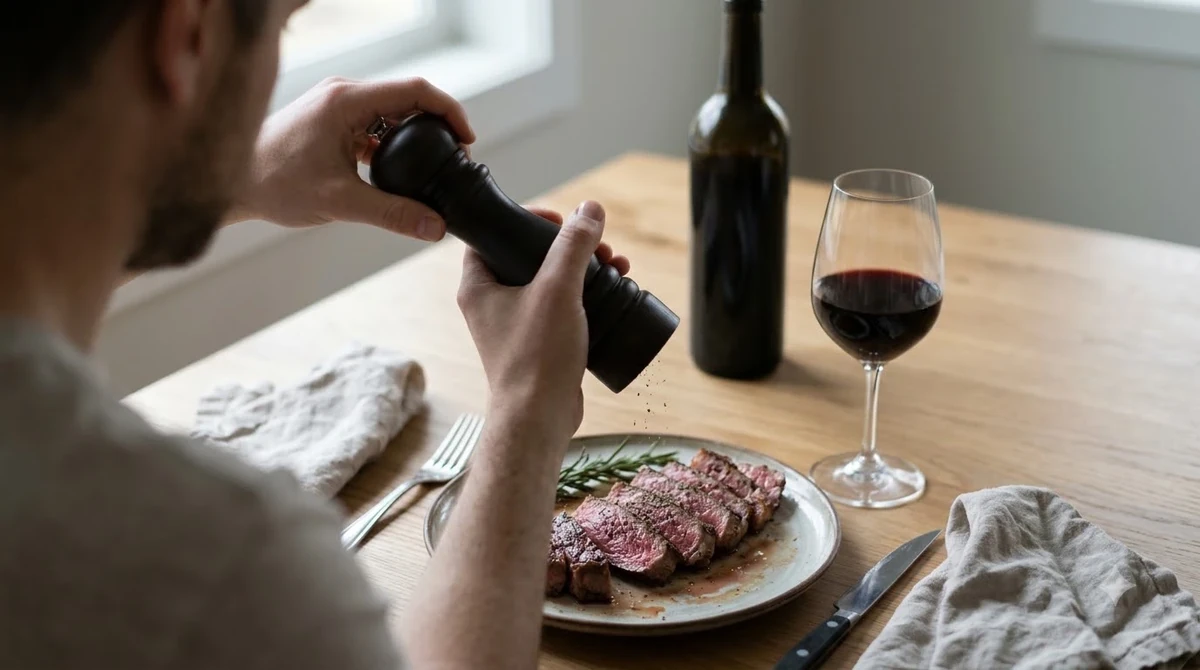
The wine’s personality comes largely from its Pinot Noir dominance. At 60% of the blend, Pinot Noir contributes body, structure and red-fruit character. Chardonnay accounts for 25%, providing freshness and balancing the richer elements, while the remaining 15% Meunier contributes additional fruit and roundness.
This balance makes Special Cuvée attractive to several types of drinkers:
- Champagne enthusiasts: People familiar with traditional-method sparkling wines will appreciate the combination of reserve wines, extended maturation and layered aromas.
- Pinot Noir fans: Drinkers who enjoy red-fruit flavors, structure and a more substantial palate will find its grape composition appealing.
- Food-focused hosts: Its body and acidity make it more versatile at dinner than sparkling wines intended mainly for light appetizers.
- Celebration buyers: Its recognizable Champagne identity and complex flavor profile suit anniversaries, birthdays and important gatherings.
- Drinkers exploring premium non-vintage Champagne: It offers an opportunity to experience a distinctive house style without moving directly into vintage Champagne.
However, this is not necessarily the right bottle for everyone. Someone who prefers very light, delicate sparkling wine with straightforward citrus and floral flavors might find Bollinger comparatively powerful. Its toasted character and developed fruit profile are central to its appeal, but they are not universal preferences.
It is also important to distinguish richness from sweetness. Special Cuvée is a Brut Champagne, not a dessert wine. Its ripe fruit and moderate dosage can create an impression of generosity, but the wine retains the acidity and dry finish expected from this category.
For readers comparing the house’s different offerings, the dedicated Bollinger wine overview provides a useful starting point for understanding the broader range. Special Cuvée is a particularly sensible introduction to the producer’s characteristic style. Readers ready to explore the bottle itself can also consult the Bollinger Special Cuvée overview for more product-specific information.
Key Factors to Compare When Evaluating Its Quality
The strongest reasons to consider Bollinger Special Cuvée are its grape composition, reserve-wine contribution, extended maturation and balance between richness and freshness. These production choices explain why it offers more complexity than a straightforward, fruit-driven non-vintage sparkling wine.
The producer identifies more than 85% of the fruit as coming from Grand Cru and Premier Cru vineyards. These classifications are important in Champagne because they identify villages with established reputations for grape quality. The blend also emphasizes Pinot Noir, which gives the finished wine a more substantial profile.
Another important consideration is the use of reserve wines. Bollinger incorporates a majority of reserve wines into the blend, including some held in magnums for 7 to 15 years. These older wines help maintain consistency between releases while adding developed aromas and additional layers of flavor.
The following table summarizes the principal characteristics buyers should understand.
| Factor | Specification | Why It Matters |
|---|---|---|
| Wine category | Non-vintage Brut Champagne | Combines wines from multiple harvests to maintain a consistent house style. |
| Pinot Noir | 60% | Provides structure, body and red-fruit character. |
| Chardonnay | 25% | Contributes freshness, acidity and balance. |
| Meunier | 15% | Adds fruitiness and roundness. |
| Vineyard classification | Over 85% Grand Cru and Premier Cru | Reflects the quality level of the source vineyards. |
| Reserve wines | Majority of the blend | Contributes complexity and continuity between releases. |
| Reserve-wine storage | Some magnums aged 7–15 years | Adds developed character to the blend. |
| Lees maturation | More than twice the appellation minimum | Supports fine bubbles, texture and developed aromas. |
| Dosage | 7–8 g/L | Provides a moderate level of sweetness while preserving a Brut profile. |
| Alcohol | 12% ABV | Provides the standard strength listed on the importer technical sheet. |
| Recommended serving temperature | 46–50°F | Preserves freshness while allowing aromas to develop. |
The figures come from Bollinger’s official product information and the Vintus technical sheet. The exact composition of an individual non-vintage release can vary slightly because the blend changes with each new bottling. For the producer’s detailed explanation of its approach, see the official Bollinger Special Cuvée description.
Lees maturation deserves particular attention. During this stage, the wine remains in contact with spent yeast cells following fermentation in the bottle. Over time, this interaction helps develop the bready, biscuit-like and brioche aromas associated with traditional-method Champagne.
Bollinger also gives considerable attention to reserve-wine management. Older wines contribute complexity that cannot be achieved simply by blending the latest harvest. This is one reason Special Cuvée can show roasted fruit, nuts and developed pastry notes alongside fresh citrus and pear.
The dosage is another useful comparison point. At 7 to 8 grams per liter according to Bollinger’s official product description, Special Cuvée sits within the Brut category. It has enough dosage to complement its ripe fruit and fuller texture without becoming noticeably sweet like a Demi-Sec Champagne.
Step-by-Step: How to Decide Whether It Suits Your Taste
The best way to evaluate Bollinger Special Cuvée is to consider its flavor profile, texture, sweetness, intended occasion and food compatibility. Five simple checks can help determine whether its relatively powerful style matches your preferences.
-
Identify your preferred Champagne style.
Think about whether you usually enjoy rich or delicate sparkling wines. Special Cuvée is medium-to-full in body, with a strong Pinot Noir influence. If you like Champagne with toasted aromas, ripe orchard fruit and a substantial palate, its style should be appealing. If you generally prefer very light citrus-driven wines, a more delicate Brut may suit you better.
-
Consider the balance between fruit and acidity.
Special Cuvée combines ripe apple, peach, pear and red-fruit characteristics with refreshing acidity. Its acidity keeps the palate lively rather than allowing the richer flavors to become heavy. This balance is especially useful when serving it alongside food rather than drinking it entirely on its own.
-
Decide how much developed flavor you enjoy.
Look beyond simple fruit descriptions. Bollinger’s use of reserve wines and extended maturation contributes aromas associated with brioche, roasted nuts and pastry. These characteristics appeal to drinkers who enjoy complexity, but they may be less attractive to people who want a purely fresh and floral sparkling wine.
-
Match the bottle to the occasion.
Consider whether you need an aperitif, a dinner companion or a Champagne for a celebration. Special Cuvée is versatile enough for all three, although its structure is especially useful with a substantial meal. It can also be served as a welcome drink before a menu featuring seafood or poultry.
-
Plan the serving temperature and glassware.
Chill the bottle to approximately 46–50°F, following Bollinger’s recommended range of 8–10°C. A tulip-shaped Champagne glass helps concentrate the aromas of pear, apple, brioche and spice. Avoid serving it extremely cold, because excessive chilling can make its aromatic complexity harder to appreciate.
After considering these five points, the decision becomes easier. Special Cuvée is a particularly strong candidate for someone who wants a Champagne that combines celebratory freshness with enough body and complexity to accompany an entire dinner.
Tip: Remove the bottle from the refrigerator briefly if it becomes excessively cold. Pour a small amount first and allow it a few minutes in the glass. As its temperature rises slightly, the pear, roasted apple, brioche and walnut characteristics become easier to recognize.
Glassware also affects the experience. A standard flute emphasizes the movement of the bubbles, but its narrow opening can restrict aromatic development. A tulip glass provides a practical middle ground, retaining the sparkling wine’s visual appeal while allowing more room for its aromas to emerge.
For a 750 ml bottle, plan on approximately five standard 5 oz pours. That makes one bottle suitable for a small celebration or a shared tasting before dinner, although larger gatherings will require additional bottles.
Types and Styles Explained: What Makes This Champagne Different?
Special Cuvée is a non-vintage Brut Champagne, meaning its final blend combines wines from different harvests rather than representing a single declared vintage. Its distinctive character comes from Pinot Noir dominance, substantial reserve-wine use and traditional bottle maturation.
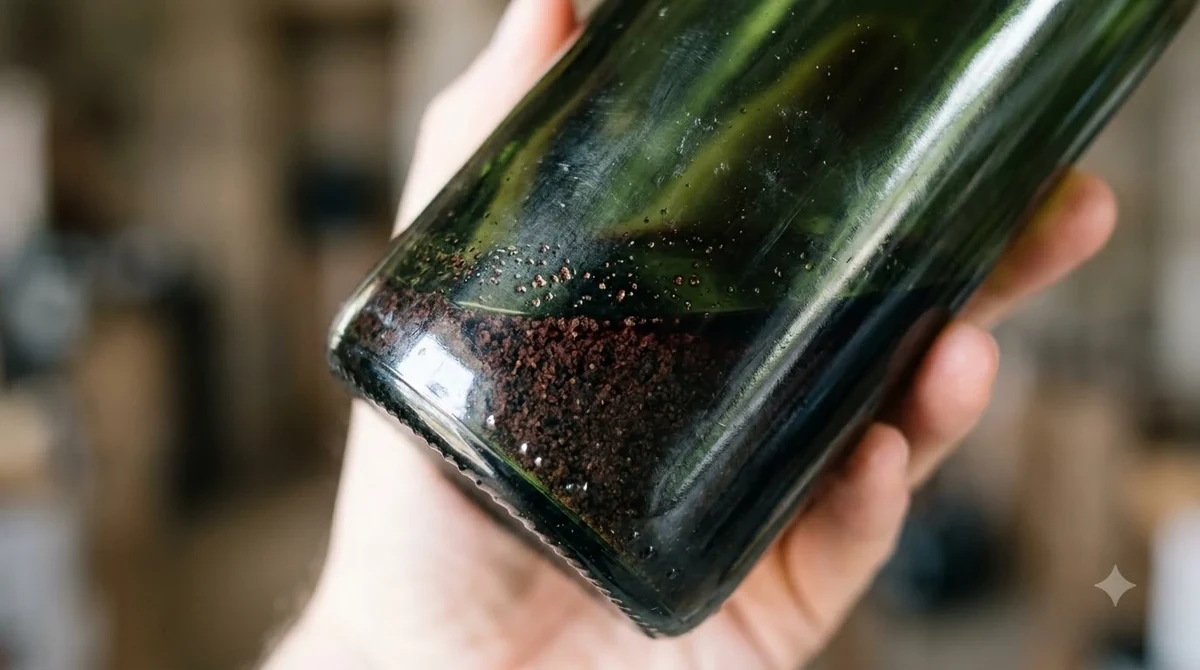
Understanding the three grapes explains much of the wine’s personality. Champagne’s principal varieties contribute different characteristics, and their proportions influence the final balance between freshness, fruit and structure.
Pinot Noir: The Main Source of Structure
At 60%, Pinot Noir is the dominant grape in Special Cuvée. It provides much of the wine’s weight and structural character, helping it stand apart from lighter sparkling wines that emphasize Chardonnay.
Its contribution can be recognized through ripe red-fruit impressions, including cherry and berry-like notes. These flavors work alongside roasted apple, peach and toasted aromas to create a Champagne with considerable depth.
Chardonnay: Freshness and Balance
Chardonnay accounts for 25% of the blend. This grape is associated with freshness and acidity, helping prevent the richer Pinot Noir component from making the Champagne feel overly heavy.
Its influence is especially useful with seafood and shellfish. The acidity provides contrast to the natural richness of lobster, scallops and buttery preparations, while the bubbles help refresh the palate between bites.
Meunier: Fruit and Roundness
The remaining 15% is Meunier, a grape that contributes fruit-forward qualities and roundness. Its role helps connect the more structured Pinot Noir with the fresher Chardonnay component.
Although it represents the smallest proportion, Meunier is an important part of the blend’s overall balance. Removing it would change the relationship between the wine’s fruit, texture and acidity.
Non-Vintage Brut Versus Vintage Champagne
Non-vintage Champagne is not necessarily an inferior version of vintage Champagne. The two categories have different objectives. A non-vintage blend aims to preserve a recognizable house style across releases, while a vintage Champagne highlights the qualities of a particular harvest.
Special Cuvée achieves its consistency through reserve wines, careful blending and extended maturation. Bollinger’s approach means that the wine can offer developed flavors even though it is not labeled with a single harvest year.
Its Brut designation also provides useful information about sweetness. The dosage of 7–8 g/L places it comfortably within the Brut category. It is intended to taste dry overall, although ripe fruit and the developed character from aging can create a rounded impression on the palate.
This distinction matters because some drinkers confuse a rich Champagne with a sweet one. Richness refers to body, texture and flavor intensity; sweetness describes the amount of residual sugar. Special Cuvée can feel generous and creamy without tasting like a sweet sparkling wine.
For a closer look at its aromas and palate, the dedicated Bollinger Special Cuvée tasting notes provide another useful reference when deciding whether this particular Champagne matches your preferences.
Common Mistakes When Buying and Drinking Bollinger Special Cuvée
Even a well-made Champagne can disappoint if it is purchased or served with the wrong expectations. The most common mistakes involve confusing richness with sweetness, serving the wine too cold, overlooking food compatibility and assuming that non-vintage means simple.
Assuming Brut Means Sharp and Light
Brut describes the wine’s sweetness category, not its body or flavor intensity. Special Cuvée is dry in style, but its Pinot Noir-led blend gives it more weight than many delicate sparkling wines.
Its ripe fruit, brioche and nutty characteristics make it feel generous, while its acidity provides freshness. Someone expecting a particularly lean, citrus-dominated Champagne may therefore be surprised by its fuller profile.
Serving It Straight From an Extremely Cold Refrigerator
Very low temperatures can suppress aromas. If the bottle is served close to freezing, the pear, peach, roasted apple and brioche characteristics become less expressive.
The recommended 46–50°F range is a better starting point. It maintains the wine’s freshness while allowing the more complex aromas to develop as the Champagne warms slightly in the glass.
Pairing It Only With Light Appetizers
Special Cuvée is not restricted to oysters or small canapés. Its structure and acidity can handle richer preparations, including roast chicken, grilled lobster and scallops.
Cheese is another useful pairing category. Parmesan and mature hard cheeses provide savory and salty characteristics that complement the Champagne’s developed fruit and nutty flavors. Good cured ham is another producer-recommended option.
Expecting Every Release to Taste Identically
Special Cuvée is non-vintage, but that does not mean every bottle contains an identical blend. The base harvest and reserve-wine proportions can change as Bollinger works to preserve its recognizable style.
Some releases may emphasize citrus, red berries or orchard fruit, while others show more pronounced toast, nuts or spice. These differences are normal features of blending rather than automatic signs of inconsistent quality.
Confusing Complexity With Oxidation or Poor Storage
Developed aromas such as roasted apple, walnut and brioche are part of the intended character. However, unwanted heat exposure or poor storage can damage Champagne and make its freshness disappear.
Buy from a retailer that handles sparkling wine carefully, and avoid bottles that have been stored in direct sunlight or exposed to repeated temperature changes. Good storage helps preserve both the fine mousse and the wine’s aromatic balance.
Care and Storage Tips for the Best Drinking Experience
Bollinger Special Cuvée can be enjoyed on release, but appropriate storage and careful serving help preserve its complexity. Keep unopened bottles in a cool, dark and stable environment, ideally around 55°F, and serve them at approximately 46–50°F.
Champagne is more sensitive to temperature fluctuations and bright light than many buyers realize. A kitchen counter, sunny shelf or warm cabinet is not an ideal long-term storage location. A wine refrigerator or suitable cellar provides a more controlled environment.
Store the Bottle Correctly
For longer storage, keep the bottle on its side so the cork remains in contact with the wine. A temperature near 55°F is a useful target, while stable conditions are more important than frequent adjustments to reach an exact number.
Humidity also deserves attention. Extremely dry conditions can affect cork integrity over extended periods, while excessive dampness may damage labels and packaging. A reasonably controlled cellar environment is preferable.
Chill Before Opening
Allow sufficient time for the bottle to cool gradually. A refrigerator can be used for several hours before serving, while an ice bucket with water and ice provides a practical option when preparing for guests.
Open the bottle carefully rather than allowing the cork to fly. Hold the cork firmly, keep a hand over it and rotate the bottle slowly. A controlled release helps preserve carbonation and reduces the chance of spilling the wine.
Choose Appropriate Glassware
A tulip-shaped glass is a good choice for Special Cuvée because it gives the aromas enough space to develop while maintaining the visual appeal of the bubbles. A traditional flute remains suitable for a quick celebratory pour, but it is less effective for examining complex aromas.
Pour gently and avoid filling the glass to the rim. Leaving room above the wine makes it easier to appreciate its aroma and texture.
Handle Leftovers Carefully
If the bottle is not finished, use a Champagne-specific stopper and return it to the refrigerator promptly. Sparkling wine generally retains its quality for around 1–3 days after opening, although bubble intensity and aromatic freshness gradually decline.
Do not rely on a regular flat wine stopper to preserve carbonation. A pressure-rated sparkling-wine closure is a better option. Keep the bottle refrigerated between pours rather than leaving it on the dining table for several hours.
Additional aging is possible, as Bollinger itself indicates that Special Cuvée can be kept in a cellar. However, proper storage and bottle condition matter. Buyers who want to experience its freshness and lively bubbles can enjoy it shortly after purchase instead of treating extended aging as a requirement.
Frequently Asked Questions
These answers address practical buying and serving questions, including bottle format, Champagne classification and the characteristics that distinguish Bollinger from simpler sparkling wines.
Is Bollinger Special Cuvée real Champagne?
Yes. Special Cuvée is produced in the Champagne region of France and carries the Champagne designation. It is made using the traditional bottle-fermentation method, in which the second fermentation takes place inside the bottle. This is an important distinction from sparkling wines made using the tank method.
Is Bollinger Special Cuvée suitable for a wedding toast?
Yes. Its non-vintage Brut classification makes it appropriate for a traditional wedding toast, anniversary or formal reception. A standard 750 ml bottle provides approximately five 5 oz servings, so a larger guest list requires advance bottle planning. For a reception, arrange for bottles to be chilled before guests arrive.
Does Bollinger Special Cuvée contain oak-aged wine?
Yes. Bollinger’s production approach includes fermentation in used oak barrels, which contributes to the wine’s texture and layered flavor. The Vintus technical information also describes the use of reserve wines aged in magnums under cork. These production choices help explain its developed, savory character.
Can Bollinger Special Cuvée be served in a white wine glass?
Yes. A medium-sized white wine glass can work particularly well because its wider bowl allows complex aromas to develop. Choose a glass with a reasonably tapered opening to concentrate the bouquet. This is a useful alternative for drinkers who want to explore the wine beyond its bubbles.
What is the difference between Special Cuvée and Bollinger La Grande Année?
Special Cuvée is Bollinger’s non-vintage signature Champagne, blending wines from multiple harvests to maintain a consistent house style. La Grande Année is a vintage Champagne associated with selected harvests rather than a recurring non-vintage blend. The latter is intended to express the characteristics of a particular year and occupies a different position in the producer’s range.
Bollinger Special Cuvée is a convincing choice for anyone seeking a dry Champagne with considerable body, developed aromas and refreshing acidity. Its Pinot Noir-led blend, reserve-wine contribution and extended maturation give it the complexity to work as both a celebration bottle and a serious dinner companion. If rich fruit, brioche, toasted nuts and fine bubbles match your preferences, it is well worth considering as your next Champagne purchase.
More in Wine Brands
 Macari Wine Price: Compare Bottles by Style and TierUpdated Nov 21, 2026
 Marchesi Di Barolo Wine Review: Find The Right Piedmont BottleUpdated Nov 21, 2026
 Marqués de Riscal Wine Price: Compare Bottles and Find the Right RiojaUpdated Nov 21, 2026
 Mateus Rose Price: What to Expect for a 750 ml BottleUpdated Nov 21, 2026
 Kim Crawford Rose Price: Find a Fair 750 ml Bottle RangeUpdated Nov 21, 2026
 Marchesi Antinori Wine Price: Compare Bottles by Style and TierUpdated Nov 21, 2026