

We may earn a commission when you buy through links on this page, at no extra cost to you. Learn more.
Is Bogle wine good? Yes, Bogle makes consistently appealing California wines, particularly for drinkers who enjoy approachable Chardonnay, fruit-forward Cabernet Sauvignon, Merlot, and Petite Sirah. Its strongest advantage is a combination of recognizable grape varieties, careful winemaking, and accessible everyday styles. Although individual bottles differ in quality and character, Bogle is a worthwhile brand to consider if you want dependable California wine without needing to explore expensive specialty producers.
Bogle Family Vineyards has a long agricultural history in California, and its wines reflect a practical approach to winemaking: recognizable fruit flavors, oak influence where appropriate, and styles that work with familiar meals. Its selection includes everything from crisp white wines to substantial reds, giving shoppers several ways to find a bottle that matches their preferences. The important distinction is that Bogle is a range of wines rather than one uniform flavor profile. Understanding the grapes, winemaking methods, and differences between its labels makes choosing a bottle considerably easier.
Who This Is For
Bogle is particularly suitable for everyday wine drinkers who want familiar California varietals, approachable flavors, and bottles that can accompany ordinary meals. Its Chardonnay and Cabernet Sauvignon are useful starting points, while its Merlot and Petite Sirah offer alternatives for people with different preferences for body and tannin.
The brand has a substantial agricultural background. According to the MICHELIN Guide’s profile of Bogle Vineyards, the family planted Chenin Blanc and Petite Sirah in California in 1968. The winery subsequently developed its own wine label, establishing a family-operated business with roots in grape growing rather than simply purchasing finished wine for resale.
That background helps explain the brand’s broad selection. Bogle works with vineyards in several California growing areas, including Clarksburg, Lodi, Sonoma County, Monterey, and the Russian River Valley. Different grapes and growing conditions provide the winery with opportunities to produce distinct styles instead of relying on a single house blend.
Bogle is a sensible choice for several types of shoppers:
- Casual wine drinkers: People who want a bottle for pasta, roasted chicken, burgers, or an uncomplicated evening meal.
- New wine enthusiasts: Beginners who want to understand familiar varieties such as Chardonnay, Cabernet Sauvignon, Merlot, and Pinot Noir.
- Oak-loving Chardonnay drinkers: People who enjoy ripe apple, pear, vanilla, baking spices, and a rounded texture.
- Red wine drinkers: Shoppers who prefer dark fruit, oak, and recognizable California red-wine character.
- Wine for casual gatherings: Hosts who want recognizable grape varieties that can accommodate different food preferences.
However, Bogle will not satisfy every wine enthusiast. Someone seeking highly distinctive single-vineyard expressions, subtle cool-climate Pinot Noir, or complex wines intended for extended cellaring may prefer to explore more specialized producers. Bogle’s main appeal is approachability and consistency rather than rarity or prestige.
Its wines are also worth considering if you are building familiarity with California wine regions. The brand offers an accessible way to compare different grapes and learn how Chardonnay differs from Sauvignon Blanc, or how Merlot differs from Cabernet Sauvignon, without changing producers for every bottle.
Key Factors to Compare
The best way to evaluate Bogle is to compare grape variety, body, oak influence, and the kind of food you plan to serve. Independent reviews provide additional context: Wine Enthusiast awarded the 2023 Chardonnay 92 points and the 2023 Cabernet Sauvignon 90 points.
Those results suggest that individual Bogle bottlings can perform well in professional evaluations, although a rating for one vintage should not automatically be applied to every bottle carrying the same label. The following comparison uses documented Wine Enthusiast ratings and alcohol figures alongside the winery’s published style descriptions.
| Bogle wine | Typical character | Documented review information | Best suited to |
|---|---|---|---|
| Chardonnay | Apple, pear, baking spice, oak | 2023: 92 points; 14% ABV | Roast chicken, creamy pasta, seafood |
| Cabernet Sauvignon | Blackberry, plum, vanilla, firm tannins | 2023: 90 points; 14.5% ABV | Burgers, steak, grilled meats |
| Merlot | Cherry, cedar, sweet herbs | Winery-listed 2023 bottling | Roast pork, mushrooms, pasta |
| Petite Sirah | Dark berries, cocoa, substantial structure | Winery identifies it as a heritage varietal | Short ribs, lamb, barbecue |
| Pinot Noir | Cherry, floral notes, softer structure | Winery-listed 2023 bottling | Roast chicken, mushrooms, salmon |
| Sauvignon Blanc | Citrus, fresh fruit, herbal character | Winery-listed white wine | Salads, seafood, goat cheese |
The ratings are especially useful when comparing the Chardonnay and Cabernet Sauvignon. Wine Enthusiast’s 92-point evaluation of the 2023 Chardonnay places it in the publication’s excellent category, while the 90-point Cabernet Sauvignon also falls within that category. These are encouraging results, but they are individual assessments rather than guarantees of identical quality across all vintages.
Alcohol content is another useful comparison. The reviewed Chardonnay contained 14% alcohol by volume, while the reviewed Cabernet Sauvignon contained 14.5%. Both are relatively full-strength wines, so shoppers looking for a particularly light or low-alcohol option should consider the specific bottle rather than assuming all Bogle wines have the same intensity.
Look beyond the grape name
Two Chardonnays can taste very different depending on fermentation, oak, malolactic fermentation, and aging. Bogle’s Chardonnay is particularly interesting because the winery documents a combination of barrel and stainless-steel fermentation, followed by lees aging and monthly stirring. These techniques help explain its richer texture and layered flavors.
For red wine, oak aging can add vanilla, spice, and toasted characteristics, while grape variety determines much of the fruit and tannin profile. Cabernet Sauvignon generally has higher tannin than Merlot, making it a better match for richer, fattier meals. Pinot Noir tends to have less tannin and higher acidity, making it more flexible with lighter dishes.
Tip: Choose Bogle Chardonnay if you enjoy ripe apple, pear, and oak. Choose Merlot for a softer red-wine experience, Cabernet Sauvignon for firmer tannins, or Petite Sirah if you prefer concentrated dark fruit and a more substantial structure.
Step-by-Step: How to Choose a Bogle Wine
Selecting a Bogle bottle becomes easier when you start with your taste preferences and then narrow the choice by meal, serving temperature, and wine style. A few simple decisions can prevent buying a wine that is technically good but unsuitable for your preferences.
-
Decide between red, white, and rosé.
Begin with the broadest distinction. Chardonnay is a natural starting point for someone who enjoys fuller white wines. Sauvignon Blanc is more appropriate for citrus and herbal freshness. For reds, consider Cabernet Sauvignon, Merlot, Pinot Noir, or Petite Sirah depending on how much tannin and body you enjoy.
-
Choose your preferred level of body.
Body describes how substantial a wine feels in the mouth. Pinot Noir generally feels lighter than Cabernet Sauvignon or Petite Sirah. Chardonnay can range from relatively fresh to rich and rounded depending on its production methods. If you prefer wines that feel generous and weighty, look toward Bogle’s Chardonnay or fuller-bodied reds.
-
Consider oak influence.
Oak can contribute vanilla, baking spice, toast, and additional texture. Bogle’s Chardonnay is particularly relevant for shoppers who enjoy these characteristics. Its use of both barrel and stainless-steel fermentation creates a combination of fruit freshness and oak-related complexity. People who prefer very crisp, minimally oaked whites may find Sauvignon Blanc a more suitable direction.
-
Match the wine to your food.
For steak, grilled beef, and lamb, consider Cabernet Sauvignon or Petite Sirah. For roasted chicken, pork, and creamy pasta, Chardonnay or Merlot can be appropriate. Pinot Noir works well with mushrooms and roast poultry, while Sauvignon Blanc is a useful companion for seafood and fresh salads.
-
Consider how many people will drink the wine.
A standard 750 ml bottle provides approximately five 5-ounce glasses. If you are hosting a gathering, estimate the number of guests and servings before choosing how many bottles to purchase. A mix of one white and one red style can be more useful than purchasing several bottles of the same variety when guests have different preferences.
-
Check the vintage and individual wine description.
Different vintages can change fruit concentration, freshness, and overall balance. For example, Wine Enthusiast’s 2023 Chardonnay review highlighted brioche, baked pear, and yellow plum, while the winery’s published Chardonnay description emphasizes green apple, juicy pear, and baking spices. Read the description of the actual vintage being considered rather than relying on a general impression of the brand.
-
Serve the bottle at an appropriate temperature.
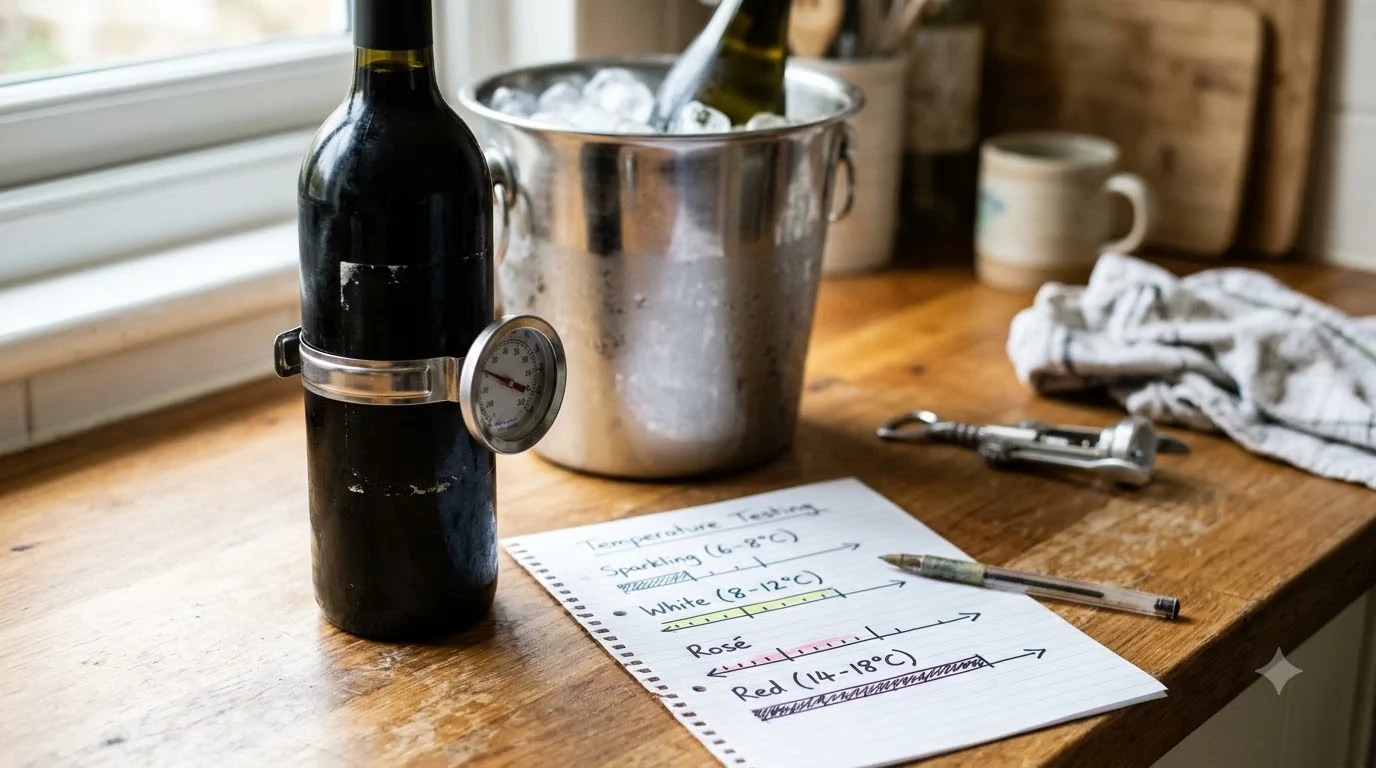
Chardonnay is generally best served around 50 to 55 degrees Fahrenheit when full-bodied. Sauvignon Blanc is usually more refreshing around 45 to 50 degrees. Light reds such as Pinot Noir benefit from approximately 55 to 60 degrees, while fuller reds such as Cabernet Sauvignon and Petite Sirah are generally better around 60 to 65 degrees.
These steps provide a useful framework for choosing between the main Bogle styles. They also help distinguish personal preference from objective quality. A wine can receive a strong professional review and still be a poor match for someone who dislikes oak or prefers very light-bodied wines.
For shoppers who already know that they enjoy the brand, exploring Bogle wine by grape variety is a practical next step. Comparing the available labels can reveal whether the next bottle should be a familiar Chardonnay, a fruit-forward red, or something more structured.
Types or Styles Explained
Bogle’s portfolio includes several recognizable California wine styles, each offering a different combination of fruit, acidity, body, and tannin. The most useful starting points are Chardonnay and Sauvignon Blanc for white wine, followed by Cabernet Sauvignon, Merlot, Petite Sirah, and Pinot Noir for red wine.
Bogle Chardonnay
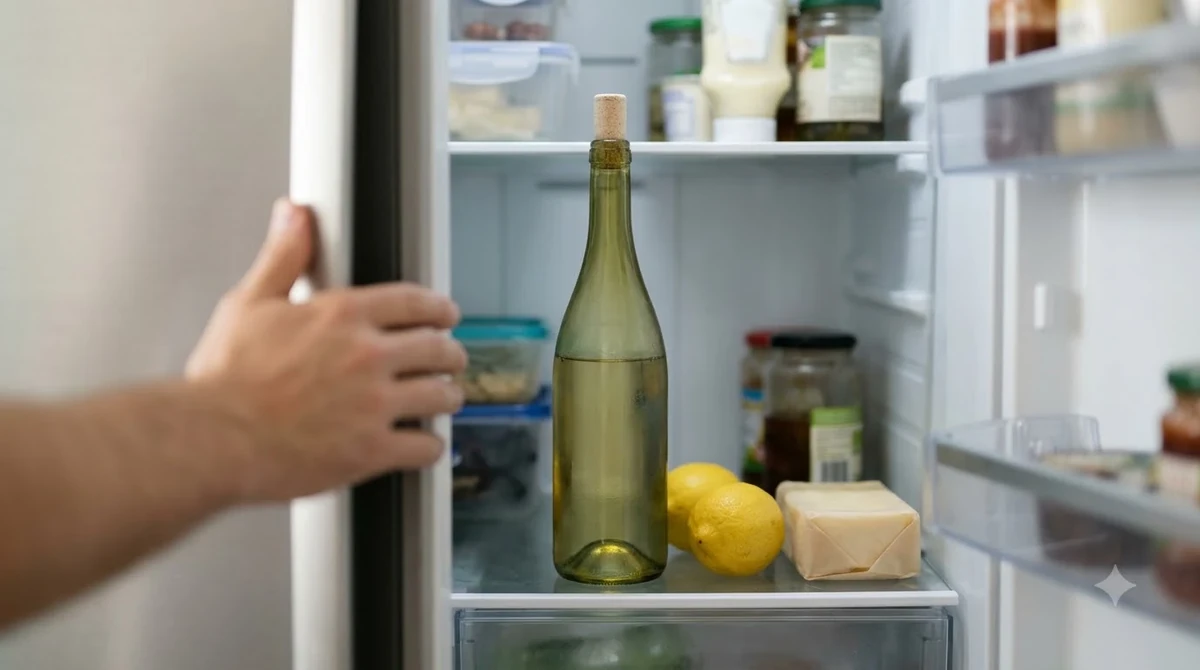
Chardonnay is one of the most recognizable options in the Bogle range. The winery describes its wine with green apple, juicy pear, and warm baking spices. Its production process is particularly relevant because it uses 50% barrel fermentation and 50% stainless-steel fermentation.
After fermentation, the Chardonnay is aged on its lees and stirred monthly using a technique called bâtonnage. Lees are the spent yeast cells that remain after fermentation. Contact with these cells can contribute additional texture and complexity, while stirring helps distribute the material through the wine.
The result is a style that should appeal to people who enjoy rounded Chardonnay with fruit, spice, and oak-related characteristics. Wine Enthusiast’s 2023 review also identified brioche, yellow plum, baked pear, and apple, supporting the impression of a relatively generous California Chardonnay.
For additional details about the grape and its flavor profile, see this guide to Bogle Chardonnay.
Bogle Cabernet Sauvignon
Cabernet Sauvignon is the more structured red-wine option. The winery’s 2023 description includes cherry, plum, currant, clove, nutmeg, and burnt caramel associated with aging in American oak barrels.
Wine Enthusiast’s review of the 2023 vintage identifies black plum, blackberry, black licorice, vanilla bean, espresso, and grippy tannins. This is a useful indication that the wine has more structure than a soft, uncomplicated red. Its 14.5% alcohol content also suggests a relatively substantial style.
Cabernet Sauvignon is best suited to dishes with sufficient flavor and richness. Grilled steak, beef burgers, lamb, and braised short ribs are natural pairings. Salt and fat in these foods can soften the perception of tannin, helping the wine feel more balanced alongside the meal.
Bogle Merlot
Merlot provides a useful alternative for shoppers who enjoy red wine but want something generally softer than Cabernet Sauvignon. Bogle’s published 2023 Merlot notes describe Bing cherries, sassafras, pipe tobacco, cedar, and sweet herbs.
These flavors make Merlot a flexible dinner wine. It can accompany roast pork, meatballs, mushroom dishes, and tomato-based pasta. Its typically softer tannin structure also makes it a reasonable choice for people who find Cabernet Sauvignon too firm.
Merlot should not automatically be considered sweet. The grape can produce dry wines with ripe fruit aromas and a smooth impression. The fruitiness is part of the wine’s flavor rather than proof that residual sugar is high.
Bogle Petite Sirah
Petite Sirah has particular historical significance for the Bogle family. The winery identifies it as its heritage varietal, with the first grapes planted in 1968.
This variety generally produces deeply colored wines with concentrated blackberry and blueberry flavors, substantial body, and firm tannins. Bogle’s published description also mentions cocoa and mocha characteristics. It is a sensible selection for people who prefer a powerful red rather than a delicate or light-bodied wine.
Try it with grilled lamb, braised beef, smoked meats, or burgers topped with blue cheese. Rich proteins and flavorful sauces can balance its tannic structure. It is less suitable for delicate seafood or lightly seasoned vegetable dishes.
Bogle Pinot Noir
Pinot Noir is the more delicate direction within the red-wine range. Bogle describes its 2023 bottling with bright cherry notes, floral aromatics, hints of sweet herbs, and an elegant finish.
Pinot Noir typically has lower-to-medium tannin and relatively high acidity compared with Cabernet Sauvignon. This combination makes it versatile with roasted chicken, mushrooms, salmon, and dishes featuring herbs or earthy flavors. It is particularly useful for shoppers who enjoy red wine but dislike aggressive tannins.
Bogle Sauvignon Blanc and other white wines
Sauvignon Blanc is a different proposition from Chardonnay. It generally emphasizes freshness, acidity, and citrus or herbal flavors rather than creamy texture and pronounced oak. Bogle’s published wine range also includes Pinot Grigio, Riesling, and Chenin Blanc.
These additional choices make the portfolio useful for people with different white-wine preferences. Sauvignon Blanc suits citrus-loving drinkers, Pinot Grigio is a natural option for lighter meals, and Riesling offers a different aromatic profile. Chenin Blanc provides another alternative for shoppers interested in exploring beyond the most familiar grape varieties.
Rosé and sparkling wines also appear in Bogle’s broader selection. Their availability and specific styles may differ from the core red and white offerings, so they are worth considering when planning a casual gathering or looking for something suited to an aperitif.
Common Mistakes
The biggest mistakes when buying Bogle involve assuming every bottle tastes alike, confusing fruitiness with sweetness, and overlooking how serving temperature and food affect the wine. Understanding these differences helps prevent disappointment and makes the brand’s variety easier to appreciate.
Assuming all Bogle wines are sweet
Fruit-forward wines are sometimes mistaken for sweet wines. However, ripe blackberry, cherry, pear, and apple aromas do not necessarily mean that a wine contains substantial residual sugar.
Bogle produces dry wines across several varieties. Chardonnay, Cabernet Sauvignon, Merlot, and Petite Sirah can all show generous fruit flavors while remaining dry. Shoppers who prefer genuinely sweet wines should distinguish sweetness from the sensation of ripe fruit.
Expecting every bottle to taste the same
A Chardonnay and a Petite Sirah are fundamentally different wines. They use different grape varieties, fermentation approaches, and aging methods. Even two vintages of the same wine can differ in concentration and balance.
The 2023 Chardonnay, for example, received a different tasting description from the 2023 Cabernet Sauvignon in Wine Enthusiast’s evaluations. Comparing those bottles by one general measure of brand quality would overlook their distinct purposes.
Choosing Cabernet Sauvignon for every meal
Cabernet Sauvignon can be excellent with steak and grilled beef, but it is not the right choice for every dish. Its relatively high tannin can overwhelm delicate fish, lightly seasoned chicken, and fresh salads.
For lighter meals, Pinot Noir or Sauvignon Blanc may provide a better balance. Chardonnay is another useful option for richer seafood dishes, especially those featuring butter or cream. Choosing according to the food usually improves the overall experience more than selecting the fullest-bodied wine available.
Serving red wine too warm
Many people serve red wine at ordinary room temperature, but a warm room can make a full-bodied California red feel heavier and more alcoholic. Cabernet Sauvignon and Petite Sirah generally benefit from a serving temperature around 60 to 65 degrees Fahrenheit.
Light reds such as Pinot Noir are generally more refreshing around 55 to 60 degrees. A short period in the refrigerator can help bring an overly warm bottle into a more appropriate range.
Ignoring tannin and acidity
Tannin creates a drying sensation, while acidity provides freshness and structure. These characteristics affect how a wine behaves with food. Cabernet Sauvignon and Petite Sirah generally have more pronounced tannin than Merlot and Pinot Noir.
Acidic foods such as tomato sauce and vinaigrette can make a low-acidity wine seem flat. A wine with sufficient acidity usually provides a better match. Similarly, rich and fatty foods can soften tannin, making structured red wines more enjoyable alongside grilled or braised meat.
Buying solely because of a review score
Professional ratings are useful reference points, not universal measures of personal enjoyment. The 92-point 2023 Chardonnay and 90-point 2023 Cabernet Sauvignon provide positive evidence of quality, but a shopper who dislikes oak or firm tannins might prefer a different Bogle wine.
Use reviews to identify promising bottles, then consider grape variety, flavor descriptions, and the meal. A wine that fits your preferences is generally a better purchase than a higher-rated wine that does not suit your taste.
Care and Storage Tips
Proper storage and serving make a noticeable difference to Bogle wines, particularly bottles with oak influence and fuller-bodied red styles. Keep unopened bottles away from heat and sunlight, serve each variety at an appropriate temperature, and refrigerate unfinished wine promptly.
Store unopened bottles correctly
A consistent storage environment is more important than an elaborate wine cellar for everyday bottles. A temperature near 55 degrees Fahrenheit is a useful general target, provided the temperature remains relatively stable.
Avoid storing wine near ovens, radiators, windows, or appliances that produce substantial heat. Large temperature fluctuations can damage wine over time. For bottles with natural cork closures, horizontal storage helps keep the cork in contact with the wine and reduces the risk of drying.
Most everyday Bogle wines are intended to be enjoyed without extended cellaring. There is little reason to hold a standard Chardonnay or uncomplicated red for years in the hope that it will become dramatically more complex. Buy according to the occasion and drink the wine while its intended fruit character is fresh.
Serve whites and reds at the right temperature
Chardonnay generally benefits from a serving temperature of approximately 50 to 55 degrees Fahrenheit. This allows its texture and fruit to show without making the wine seem excessively warm. Sauvignon Blanc and other lighter whites are generally better around 45 to 50 degrees.
For reds, Pinot Noir is generally best around 55 to 60 degrees Fahrenheit, while Cabernet Sauvignon and Petite Sirah are more suitable around 60 to 65 degrees. These temperatures help maintain freshness and prevent alcohol from becoming overly prominent.
Decant fuller red wines when appropriate
Decanting can help some young, structured red wines open up. A young Cabernet Sauvignon or Petite Sirah may benefit from approximately 30 to 60 minutes of aeration before serving, particularly if its tannins seem firm or its aromas initially appear restrained.
Decanting is optional rather than essential. A standard glass can provide enough air exposure for many everyday wines. If the wine already smells expressive and tastes balanced, there is no need to wait simply because it is a red wine.
Preserve opened bottles
After opening a bottle, replace the closure securely and refrigerate the remaining wine. Even red wines benefit from refrigeration once opened because cooler temperatures slow oxidation.
- Sparkling wine: Approximately 1 to 3 days with an appropriate sparkling-wine stopper.
- Still white wine: Approximately 3 to 5 days when refrigerated and properly sealed.
- Still red wine: Approximately 3 to 5 days when refrigerated and properly sealed.
- Fortified wine: Several weeks, depending on the style and storage conditions.
These are practical estimates rather than guarantees. An opened bottle may lose its freshness sooner, especially if it has been left warm or exposed to air for extended periods. Noticeable vinegar-like aromas, stale flavors, and loss of fresh fruit character are signs that the wine is past its best drinking condition.
For everyday Bogle wines, a simple routine is sufficient: store bottles in a cool, dark place, chill whites before serving, allow structured reds a little time to breathe, and refrigerate leftovers promptly. These small habits help preserve the characteristics that make each variety appealing.
Frequently Asked Questions
These answers address common buying decisions, including Bogle’s reputation, the differences between its varieties, and how to approach the wines for different occasions. The most important distinctions are grape variety, production style, and the preferences of the people drinking the wine.
Is Bogle considered a cheap wine brand?
Bogle is generally positioned as an accessible California wine producer rather than a luxury or collectible wine house. Its family-operated vineyard background and established production history give it more substance than a label chosen solely for its inexpensive positioning. The brand’s different wines also receive independent professional attention, so it should not be dismissed simply because it targets everyday wine drinkers.
Has Bogle ever received recognition for its wines?
Yes. Wine Enthusiast named Bogle its American Winery of the Year in 2019, according to the recognition referenced in the retailer’s Bogle Chardonnay product information. This recognition concerns the winery rather than a guarantee that every individual bottle will receive the same critical assessment. Individual vintages should still be evaluated separately.
Does Bogle make organic wine?
Bogle emphasizes sustainable vineyard practices and works with growers certified under the California Rules for Sustainable Winegrowing. Sustainable certification and organic certification are different standards, however. Shoppers specifically seeking certified organic wine should look for the appropriate certification on the particular bottle rather than assuming that sustainable farming means organic production.
Is Bogle wine suitable for a wedding or dinner party?
Yes, Bogle’s range can work well for informal celebrations and larger meals. Its portfolio includes multiple grape varieties, which makes it possible to offer different choices without relying on a single style. For a gathering, a combination of Chardonnay, Sauvignon Blanc, Merlot, and Cabernet Sauvignon provides a practical range for different food and taste preferences.
Does Bogle make wine at its own winery in California?
Yes. The family established its own winery in Clarksburg after initially selling grapes to other producers. The original winery building was constructed in 1979, and the family’s history includes planting its first wine grapes in 1968. The winery continues to identify Clarksburg as its home base and operates a tasting room at its Home Ranch.
Overall, Bogle is a good choice for drinkers who appreciate approachable California wines with recognizable fruit flavors and thoughtfully selected winemaking techniques. Its Chardonnay is an especially appealing starting point, while Cabernet Sauvignon, Merlot, and Petite Sirah provide worthwhile options for different red-wine preferences. Choose according to the grape, food pairing, and flavor profile you enjoy, and Bogle can be a dependable addition to an everyday wine selection.
More in Wine Brands
 Underwood Wine Price: Compare Bottles, Cans, and Pack SizesUpdated Nov 21, 2026
 Zenato Wine Price: Compare Styles and Choose the Right BottleUpdated Nov 21, 2026
 Zuccardi Wine Price: Compare Bottles and Find the Right RangeUpdated Nov 21, 2026
 Yellow Tail Moscato Review: Taste, Sweetness and Serving TipsUpdated Nov 21, 2026
 Wolf Blass Yellow Label Review: Choose Your Best StyleUpdated Nov 21, 2026
 Wolffer Estate Rose Review: Choose the Right Bottle for Your TableUpdated Nov 21, 2026