

We may earn a commission when you buy through links on this page, at no extra cost to you. Learn more.
Is alamos malbec good? Yes, Alamos Malbec is a good everyday Argentine red for drinkers who enjoy ripe dark-fruit flavors, approachable tannins, and a smooth, food-friendly style. Made in Mendoza, Argentina, this wine offers familiar blackberry, black cherry, plum, and chocolate characteristics without demanding a special occasion. It is particularly appealing to people who want an accessible Malbec for burgers, grilled meat, pasta, and casual dinners, although its straightforward style may not satisfy collectors looking for substantial complexity or extended aging potential.
Alamos has developed a recognizable style around Mendoza Malbec, combining concentrated fruit with oak-influenced flavors and a relatively approachable structure. Its standard Malbec is intended to be an easy choice for ordinary meals rather than a wine that requires extensive preparation or years in a cellar. Understanding its flavor profile, dryness, tannins, and food compatibility makes it easier to decide whether this Argentine red belongs in your regular wine rotation.
Who This Is For: Drinkers Who Enjoy Approachable Argentine Malbec
Alamos Malbec is best suited to people who enjoy fruit-forward red wines with enough structure to accompany a substantial meal. Its combination of dark fruit, moderate acidity, and approachable tannins makes it a practical choice for casual dinners, weekend gatherings, and everyday drinking.
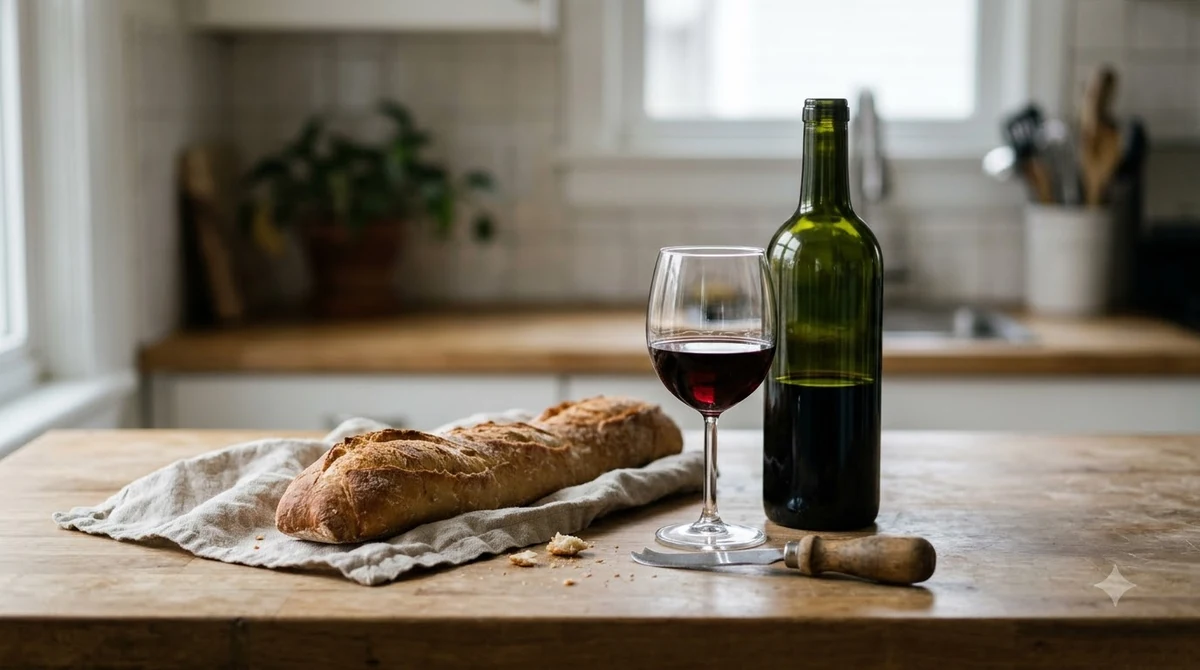
One of the main attractions is its recognizable Mendoza character. The region of Mendoza, in western Argentina, is closely associated with Malbec, and the Alamos vineyards are described by the producer as benefiting from elevations of approximately 3,000 to 5,000 feet near the Andes. Intense sunlight, cooler evenings, and mountain snowmelt irrigation contribute to the conditions that help produce ripe, concentrated grapes.
The standard bottling is particularly appropriate for several types of wine drinkers:
- Malbec beginners: People discovering Argentine red wine can start with its familiar blackberry, cherry, and plum flavors rather than a highly tannic or unusually earthy wine.
- Everyday red wine drinkers: Its approachable structure makes it suitable for ordinary dinners instead of requiring a formal tasting occasion.
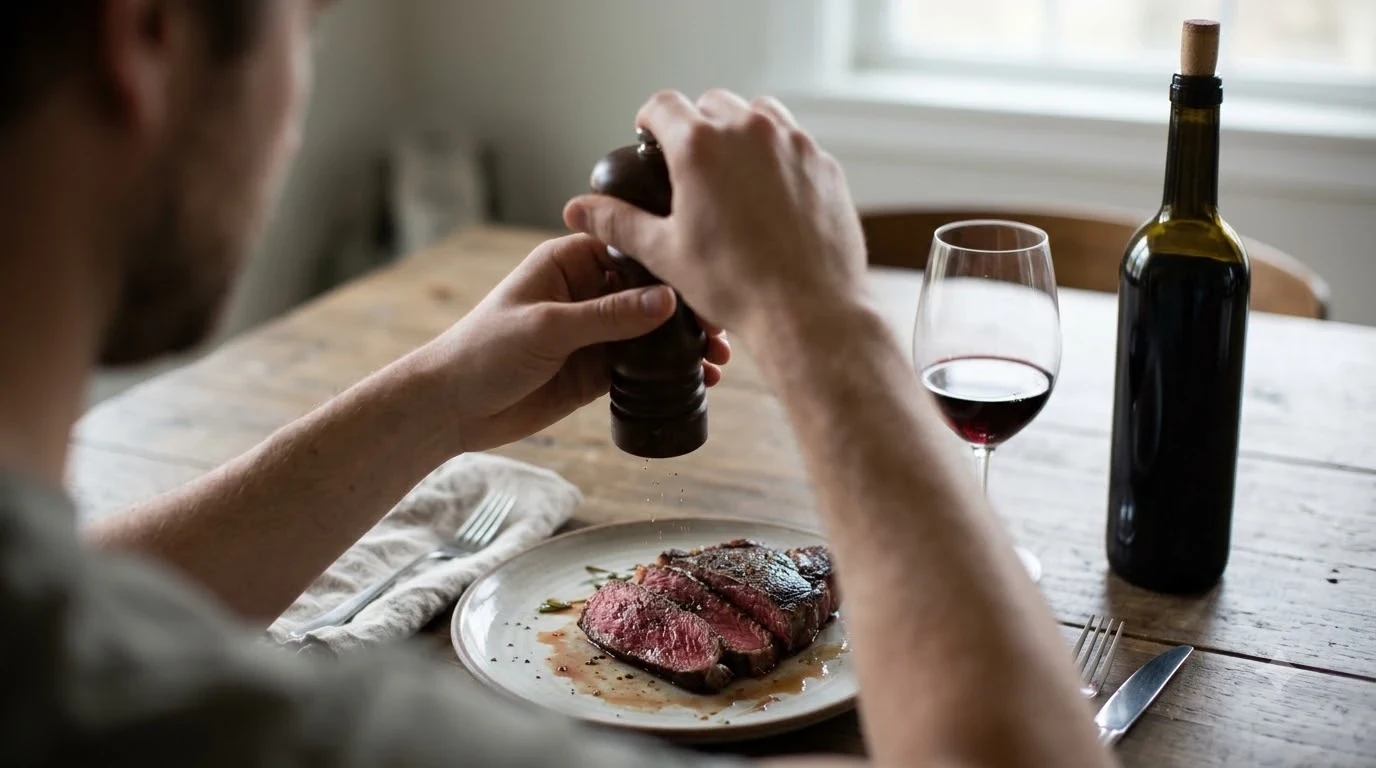
- Grilled food enthusiasts: Dark fruit and moderate tannins work naturally alongside grilled beef, burgers, sausages, and roasted vegetables.
- People who prefer dry reds: Alamos Malbec is presented as a dry wine, even though its ripe fruit can create an impression of sweetness.
- Hosts serving mixed preferences: Its familiar flavor profile makes it an accessible option for gatherings where guests have different levels of wine knowledge.
However, this is not necessarily the right bottle for everyone. Drinkers who prefer delicate Pinot Noir, crisp white wine, or highly structured Cabernet Sauvignon may find its fruit-forward profile less appealing. Similarly, someone seeking a particularly complex wine with distinctive vineyard character, pronounced mineral notes, or substantial bottle-aging potential may want to explore more specialized Mendoza producers.
Alamos is better understood as a dependable everyday style than as a premium collectible. For readers comparing different expressions and bottlings, the Alamos Malbec overview provides a useful starting point for understanding the wine.
Key Factors to Compare: Flavor, Dryness, Body, and Quality
The most important qualities to consider are its dark-fruit profile, relatively smooth tannins, medium-to-full body, and dry finish. These characteristics explain why Alamos Malbec works well as a general-purpose dinner wine while remaining approachable for people who do not regularly drink powerful reds.
Flavor and aroma
Blackberry, black cherry, black raspberry, and plum form the foundation of its flavor profile. Chocolate, sweet spice, and subtle pepper add depth, while some descriptions identify floral notes and cassis as additional characteristics.
The producer’s description of the 2023 vintage highlights blackberry, dark cherry, white pepper, and shaved chocolate. A separate assessment of the 2024 vintage by Tastings.com identifies black raspberry, roasted fig, dark chocolate, and cola, with black currant and a distinctive savory note on the finish.
These descriptions suggest a wine that emphasizes ripe fruit and familiar oak-associated flavors rather than sharp acidity or aggressive earthy characteristics. Individual impressions can differ depending on vintage, serving temperature, and the food alongside the wine.
Dryness and sweetness
Alamos Malbec is a dry red wine, not a sweet dessert wine. Its ripe fruit flavors can suggest blackberry jam, dark cherries, or chocolate, but fruity aromas and flavors do not automatically indicate substantial residual sugar.
This distinction matters because drinkers who dislike sweet red blends may still enjoy Alamos Malbec. Its dark-fruit character is balanced by acidity and tannin, giving the wine a more structured finish than a noticeably sweet red beverage.
Body and tannins
Expect a medium-to-full-bodied experience, with a rounded mouthfeel and noticeable but generally approachable tannins. It has more weight than a light-bodied red such as many Pinot Noir bottlings, but it is not necessarily as firm or heavily structured as a powerful Cabernet Sauvignon.
Tannins create the drying sensation on the gums and tongue. In Alamos Malbec, ripe fruit and oak influences help create a smoother overall impression, making it a reasonable choice for people who want a substantial red without excessive astringency.
Quality and independent assessments
There is useful external evidence supporting its reputation as an accessible wine. Tastings.com awarded the 2024 Alamos Malbec 88 points and a Silver Medal, describing its fruit concentration and dark chocolate character favorably. The producer also cites a 91-point James Suckling assessment for its 2023 bottling.
These assessments concern different vintages and should not be treated as identical evaluations. Readers can consult the Tastings.com review of Alamos 2024 Malbec for its full tasting assessment and food recommendations. The scores support the conclusion that Alamos can deliver a recognizable and enjoyable Mendoza Malbec style, but they do not establish that every bottle will offer the same experience.
| Factor | Typical Alamos Malbec Character | What It Means |
|---|---|---|
| Origin | Mendoza, Argentina | Classic Argentine Malbec profile |
| Primary grape | Malbec | Dark fruit and structured red wine character |
| Alcohol | 13.5% ABV in the reviewed 2024 vintage | Moderate-to-full alcoholic strength |
| Body | Medium to full | Substantial without being exceptionally heavy |
| Sweetness | Dry | Ripe fruit rather than dessert-like sweetness |
| Tannins | Generally approachable | Suitable for casual red wine drinkers |
| Main fruit notes | Blackberry, cherry, raspberry | Concentrated dark-fruit character |
| Additional flavors | Chocolate, pepper, spice | Oak-influenced complexity |
| Serving temperature | 60–65°F | Allows a full-bodied red to show its character |
Vintage differences deserve attention. Alamos’s technical descriptions and tasting notes can change between releases, including grape composition, alcohol figures, and winemaking details. For example, the UK technical sheet lists one Alamos Malbec composition as 85% Malbec, 10% Bonarda, and 5% Syrah, while the American producer’s 2023 description focuses on its Malbec bottling. These details should not be assumed to apply identically to every market or vintage.
For a closer look at the alcohol figure and how it affects the drinking experience, see the guide to Alamos Malbec alcohol content.
Step-by-Step: How to Choose and Serve Alamos Malbec
Choosing a bottle is straightforward if you focus on the intended meal, vintage, and serving conditions. A few simple steps can help you get a more enjoyable experience from this Mendoza red.
-
Identify the style you enjoy.
If you like blackberry, plum, black cherry, and chocolate, the standard Alamos Malbec is a sensible starting point. If you prefer delicate fruit, lighter body, and minimal oak influence, consider a lighter red instead.
-
Compare the vintage.
Look at the vintage displayed on the bottle and compare its available tasting description with the wine you intend to purchase. The producer’s 2023 notes emphasize blackberry and dark cherry, while the 2024 assessment by Tastings.com identifies roasted fig, black raspberry, and dark chocolate.
-
Consider the food.
For grilled beef, burgers, lamb, or meat-based pasta, Alamos Malbec is a natural choice. Its fruit and tannin structure can also complement roasted mushrooms, hard cheeses, and savory tomato dishes.
-
Prepare the bottle at the correct temperature.
A full-bodied red generally shows well around 60–65°F. If the bottle has been stored in a warm kitchen, cool it briefly before serving instead of pouring it at an excessively warm room temperature.
-
Choose an appropriate glass.
A standard red wine glass with a reasonably generous bowl allows the wine to develop its aromas. Filling the glass only partially leaves room to swirl the wine and release its blackberry, cherry, and spice characteristics.
-
Allow the wine to breathe if necessary.
Most young Alamos Malbec bottles can be opened and served without elaborate preparation. If the wine initially seems closed or particularly concentrated, give it 15–20 minutes in the glass before deciding whether additional aeration would help.
-
Evaluate it alongside food.
Try a small pour before dinner and another with the main course. The interaction between food, acidity, tannin, and fruit often gives a clearer picture of whether this wine suits your preferences.
There is no need to purchase specialized equipment to enjoy this wine. A clean glass, an ordinary corkscrew if the closure requires one, and a suitable serving temperature are enough for most occasions.
Tip: If Alamos Malbec tastes overly alcoholic or heavy, cool it slightly before pouring. Serving it around 60–65°F can make the fruit, acidity, and tannins feel more balanced than serving it warm.
Types or Styles Explained: Understanding Alamos and Mendoza Malbec
Alamos Malbec belongs to the broader Argentine Malbec category, but its character is shaped by Mendoza’s growing conditions and the producer’s winemaking decisions. Understanding the grape, regional influences, and oak treatment helps explain why it tastes the way it does.
Malbec as a grape variety
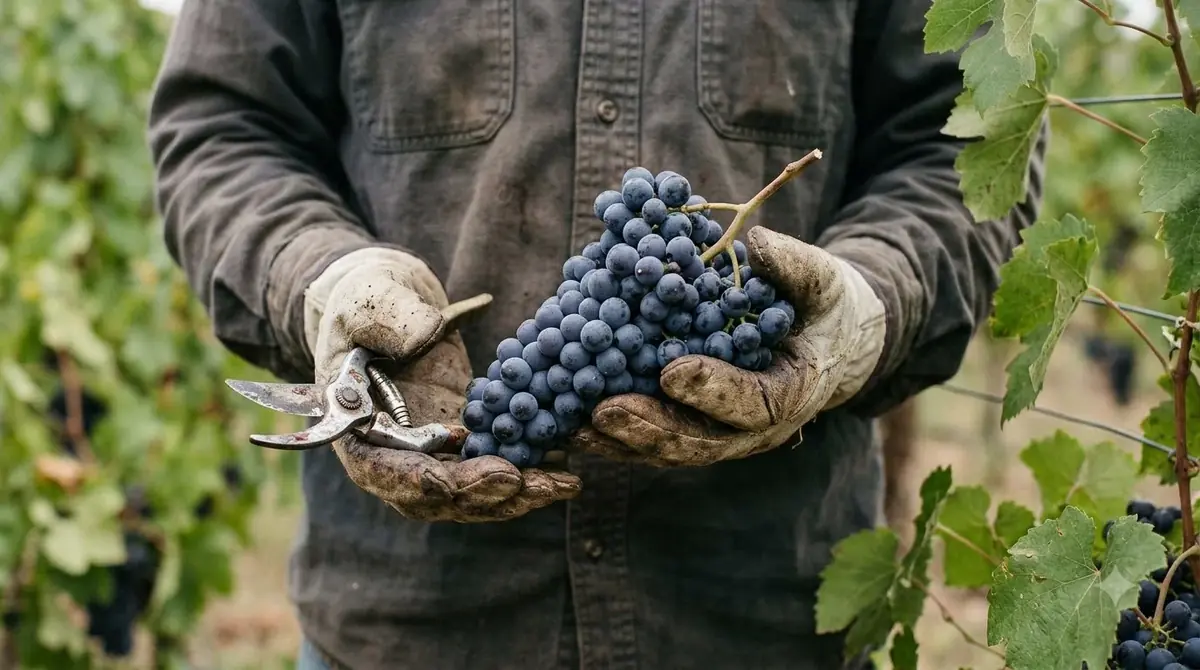
Malbec is a red grape variety particularly associated with Argentina. It typically produces wines with dark-fruit aromas, moderate acidity, and medium-to-high tannin depending on growing conditions and winemaking choices.
Argentine Malbec commonly shows plum, blackberry, black cherry, violet, and pepper characteristics. The style can range from fresh and approachable to powerful, concentrated, and suitable for extended aging.
Alamos sits toward the accessible end of this spectrum. Its fruit-forward profile and approachable structure make it easier to enjoy without needing the concentration or complexity associated with more specialized wines.
Mendoza’s high-altitude influence
Mendoza is located in western Argentina near the Andes Mountains. The producer describes Alamos vineyards as growing at elevations of approximately 3,000–5,000 feet, where strong sunlight and cooler evening conditions influence grape development.
High-altitude vineyards can experience substantial temperature differences between daytime and nighttime. These conditions help explain the combination of ripe fruit and freshness commonly associated with quality Mendoza Malbec.
Water availability also matters in this relatively dry winegrowing region. Mountain snowmelt provides an important irrigation source, helping support vineyards in an environment where rainfall alone may not meet the vines’ needs.
Oak treatment and texture
Oak contributes another layer to the wine’s character. The American producer states that the 2023 Alamos Malbec was aged using a combination of French and American oak. Its winemaking description also identifies cold soaking, controlled fermentation, and extended skin contact as important parts of production.
Cold soaking helps extract color and aromatic compounds before alcoholic fermentation. The producer specifies 72 hours of cold soaking for its 2023 wine, followed by seven days of fermentation at temperatures reaching a maximum of 85°F.
Another technical description on the Alamos UK website discusses malolactic fermentation and six to eight months of French oak aging for its listed Malbec blend. These details illustrate the broader winemaking approach, although technical specifications should be associated with their respective bottlings rather than assumed to describe every release.
How this style compares with other red wines
Compared with Cabernet Sauvignon, Malbec generally offers a softer tannin impression and a more immediately approachable fruit profile. Cabernet tends to have higher tannin and can feel firmer, particularly alongside lean meat.
Compared with Pinot Noir, Alamos Malbec is generally fuller-bodied and more concentrated. Pinot Noir typically has lower-to-medium tannin and higher acidity, with red-fruit and earthy characteristics rather than the stronger dark-fruit profile found in many Mendoza Malbecs.
Syrah can overlap with Malbec in its dark-fruit and pepper characteristics, but Syrah often has higher tannin and a more pronounced savory or spicy personality. The better choice depends on whether you prefer soft dark fruit, firm structure, or a more pepper-driven red.
Common Mistakes: What Can Make Alamos Malbec Disappointing?
Even a good everyday wine can disappoint if it is purchased or served with unrealistic expectations. The most common problems involve confusing ripe fruit with sweetness, serving temperature, food selection, and expecting a simple bottle to deliver premium-wine complexity.
Expecting a sweet red wine
Alamos Malbec is dry. Its blackberry, cherry, and chocolate notes can seem sweet because they resemble familiar ripe fruit and confectionery aromas, but that does not make the wine a sweet red.
People who specifically want a semi-sweet or sweet wine may find it too structured. Conversely, drinkers who enjoy dry reds but dislike extremely aggressive tannins may appreciate its relatively rounded character.
Serving it too warm
One common mistake is treating room temperature as a universal serving recommendation. In a warm kitchen, a bottle can become noticeably warmer than the ideal range for a full-bodied red.
Excessive warmth can emphasize alcoholic sensations and make the wine seem heavier. Cooling it to approximately 60–65°F can help its fruit and structure feel more balanced.
Pairing it with delicate seafood
Malbec’s tannins and dark-fruit concentration can overwhelm delicate white fish, shellfish, and lightly seasoned seafood. Tannic reds also tend to clash with oily fish, producing an unpleasant metallic impression in some combinations.
For seafood dishes, a crisp Sauvignon Blanc or a lighter white wine is often a better option. Reserve Alamos Malbec for richer, more savory dishes that can stand up to its structure.
Serving it with excessively spicy food
Alcohol and tannin can amplify chili heat. A dish loaded with hot peppers, spicy chili oil, or very hot barbecue sauce may make the wine feel harsher and less balanced.
If the meal is spicy, moderate the heat or choose a fruitier, lower-alcohol wine. For a milder barbecue meal, Alamos Malbec can be a much better match.
Expecting extensive aging potential
The standard Alamos Malbec is primarily an accessible drinking wine rather than a bottle intended for long-term cellaring. Its appeal comes from ripe fruit and approachable texture, so there is little reason to purchase it specifically for extended aging.
For most drinkers, enjoying a young bottle while its primary fruit remains expressive makes more sense than holding it for many years. More expensive, structured Malbecs from distinctive vineyards may be better suited to collectors seeking bottle development.
Care and Storage Tips: Getting the Best Experience From Every Bottle
Correct storage and serving conditions preserve the wine’s fruit character and help maintain a balanced drinking experience. Alamos Malbec does not require elaborate cellar equipment, but avoiding excessive heat, light, and temperature fluctuations is important.
Store unopened bottles properly
For bottles with traditional cork closures, horizontal storage helps keep the cork in contact with the wine. A consistent temperature near 55°F is a useful general target for longer-term wine storage.
Keep bottles away from direct sunlight, heating appliances, and locations where temperatures change frequently. A cool, dark cupboard can work for short-term storage, while a dedicated wine refrigerator provides better control when several bottles are being kept for longer periods.
Serve at 60–65°F
Alamos Malbec is a medium-to-full-bodied red, so the usual full-bodied red serving range of 60–65°F is appropriate. This temperature helps balance ripe fruit, tannin, acidity, and alcohol.
If the wine has been stored in a warm room, place it in a refrigerator for approximately 15–20 minutes before serving and adjust according to its actual temperature. Avoid serving it extremely cold because low temperatures can make tannins feel firmer and mute some aromas.
Decanting and aeration
Decanting is optional for standard Alamos Malbec. A young bottle usually needs only a brief period of aeration, particularly if it already displays expressive blackberry and cherry aromas after opening.
For a young, particularly concentrated full-bodied red, a longer 30–60-minute decant can sometimes help soften the initial impression and release aromas. However, there is no universal requirement to decant every bottle of Alamos Malbec.
Preserve opened bottles
After opening, replace the cork or use a suitable wine stopper and refrigerate the remaining wine. Even red wine benefits from refrigeration once exposed to air because lower temperatures slow oxidation.
Most opened still wines remain enjoyable for approximately three to five days when properly sealed and refrigerated. Before serving again, allow the wine to move closer to its recommended drinking temperature.
Pay attention to changes in aroma and flavor. If the wine becomes noticeably flat, overly vinegary, or stale, its best drinking period has probably passed.
Plan the food around the wine
Alamos Malbec works particularly well with beef, lamb, pork, and tomato-based pasta. For a successful pairing, match its fruit concentration and tannin with food that has enough savory flavor, protein, or fat to balance the wine.
For more specific meal ideas, the Alamos Malbec food pairing guide can help match the bottle with different dishes, from grilled meats to everyday pasta recipes.
These storage and serving principles also apply to many other accessible red wines. Readers exploring additional producers and grape varieties can find more recommendations in our Wine Brands section.
Frequently Asked Questions
Is Alamos Malbec suitable for someone who rarely drinks red wine?
Yes, particularly for someone who enjoys fruit-forward flavors rather than highly acidic or intensely tannic wines. Its familiar blackberry and cherry characteristics make it relatively approachable. Someone accustomed only to sweet beverages may still find its dry finish unfamiliar.
Does Alamos Malbec contain added flavoring?
The producer describes the wine’s fruit, spice, and chocolate characteristics as part of its grape and winemaking profile. The published descriptions do not establish that chocolate or fruit flavorings are added. Oak maturation and grape-derived aromas can contribute to these sensory impressions.
Is Alamos Malbec made from genetically modified grapes?
The published producer information reviewed for this wine does not identify its grapes as genetically modified. Conventional wine grapes are propagated through established viticultural methods, and the absence of a statement on a product page should not be treated as a formal certification.
Can Alamos Malbec be used in cooking?
Yes. A dry red such as Alamos Malbec can be used in beef stews, tomato-based sauces, and red wine reductions. Its dark-fruit and chocolate characteristics can complement slow-cooked dishes, although the finished sauce will concentrate its flavors as liquid evaporates.
Does Alamos Malbec need to be refrigerated before opening?
It does not need to be refrigerated continuously if it is stored in a consistently cool location. However, brief refrigeration before serving can help bring an overly warm bottle into the recommended 60–65°F range. Once opened, the remaining wine should be sealed and refrigerated.
Alamos Malbec is a worthwhile choice for people seeking a dry, fruit-forward Mendoza red with approachable tannins and familiar blackberry, cherry, and chocolate flavors. Its strongest appeal is everyday versatility rather than collectible complexity, making it particularly suitable for grilled meat, burgers, and hearty pasta. Comparing the available vintage and planning a meal around the bottle is a sensible next step.
More in Wine Brands
 Underwood Wine Price: Compare Bottles, Cans, and Pack SizesUpdated Nov 21, 2026
 Zenato Wine Price: Compare Styles and Choose the Right BottleUpdated Nov 21, 2026
 Zuccardi Wine Price: Compare Bottles and Find the Right RangeUpdated Nov 21, 2026
 Yellow Tail Moscato Review: Taste, Sweetness and Serving TipsUpdated Nov 21, 2026
 Wolf Blass Yellow Label Review: Choose Your Best StyleUpdated Nov 21, 2026
 Wolffer Estate Rose Review: Choose the Right Bottle for Your TableUpdated Nov 21, 2026