

We may earn a commission when you buy through links on this page, at no extra cost to you. Learn more.
The inzolia grape is a white variety from Sicily, also known as Ansonica in Tuscany, and it is a key part of Marsala and a growing number of dry white wines. Its wines are usually light to medium in body, with citrus, herbal and nutty notes. That profile sets it apart from many better-known Italian whites.
This guide explains where the inzolia grape comes from, what its wines taste like, and how winemakers use it in blends and single-varietal bottles. It also covers food matches, growing conditions, and practical tips for buying and storing Inzolia wine. If you are new to Sicilian whites, start with the basics below.
What Is the Inzolia Grape?
Inzolia is an Italian white grape grown mainly in Sicily, with a smaller presence in Tuscany. On the Tuscan coast it goes by the name Ansonica, but the grape is the same variety. Growers use it for both single-varietal wines and blends, which gives it more flexibility than many regional grapes.
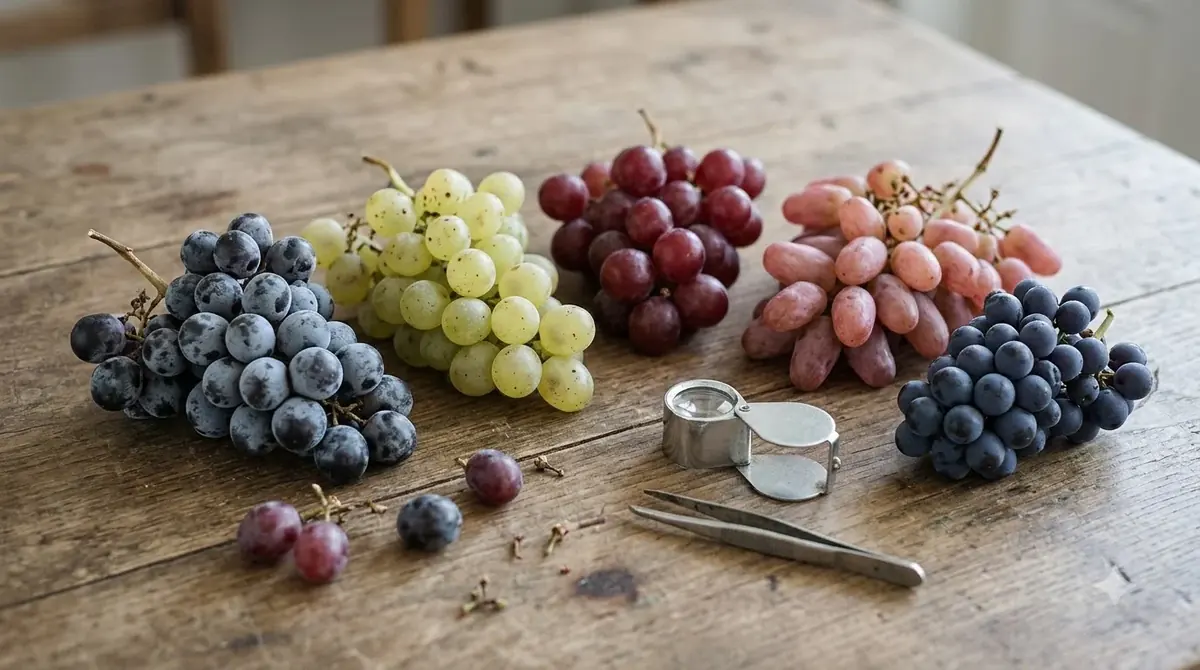
According to the Inzolia grape variety guide at VinoVoss, the grape has light greenish-yellow skins and small to medium-sized berries. Its aromas are moderate rather than intense, which is one reason it often works as a supporting player in a blend.
Many wine drinkers have tasted Inzolia without knowing it. The grape is one of seven varieties permitted in Marsala, the fortified wine named after the Sicilian port city. Reading the grape list on a Marsala label is a simple way to spot it.
Origins and History in Sicily and Tuscany
The origin of Inzolia is still debated. Some growers and writers see it as a true Sicilian native, while others credit Greek settlers who founded trading colonies on the island in the 8th century BC. Both views have supporters, and the question remains open.
Genetic research adds weight to the Greek theory. In a Sip with Nik article on this grape, the writer notes that Inzolia appears related to two Rhodes varieties, Rhoditis and Sideritis. The same research also links it closely to Grillo, which keeps the Sicilian-native argument alive.
Inzolia lived through many rulers, from the Greeks and Romans to the Arabs, Normans and Aragonese. Over time it also reached Tuscany, where it still grows today under the Ansonica name. The grape’s long presence on the island helps explain why it is so closely tied to Sicilian wine culture.
Its role changed in the 1700s, when British merchant John Woodhouse found Sicilian growers blending grapes like Inzolia and aging them for years. He added fortification so the wine would travel better, and Marsala took shape. In the 20th century, dry wine trends and subsidies pushed many producers toward quantity. Since then, a quality-focused revival has brought Inzolia back into the spotlight.
Flavor Profile and Aroma
Inzolia typically offers a soft, round texture with low to medium acidity. Its aromas lean toward citrus peel, white flowers and fresh herbs, with a nutty thread running through the profile. The finish often carries a faint salty or sea-spray quality, especially in wines from vineyards near the coast.
| Aspect | Typical character in Inzolia wine |
|---|---|
| Aroma | Lemon zest, green apple, white peach, white blossom and herbs |
| Body | Light to medium, with a smooth, slightly creamy feel |
| Acidity | Low to medium in most single-varietal bottlings |
| Nutty note | Almond or toasted hazelnut, more pronounced in older or oxidative styles |
| Finish | Slightly bitter, with citrus, almond or saline hints |
The grape’s nutty character comes through clearly in traditional Marsala, but modern dry bottlings show a lighter side. Many producers now make Inzolia that emphasizes fresh citrus and white fruit rather than dried fruit. This shift is one reason the grape has drawn more attention from drinkers who usually reach for other Italian whites.
Inzolia also has a distinctive structural feature. A VinoVoss grape guide notes that the variety naturally carries more tannin than most white grapes. You will not taste it like a red wine, but it can add a subtle grip that gives the wine more structure than its light color suggests.
Inzolia Wine Styles and Blends
Inzolia shows up in several styles, and the style you choose changes the experience. The main categories are fortified Marsala, dry still whites, sparkling wines and blends. Each one highlights a different side of the grape.
Marsala is the traditional home for Inzolia. Here the grape supplies a rich, soft body and a nutty aroma that suits aged, fortified wine. Dry Marsala and sweeter styles both exist, so check the label for the sweetness level before you buy.
Single-varietal dry wines are a newer development. One Marino Abate bottling, described by a Sip with Nik writer, is a frizzante made by a second fermentation in the bottle with no disgorgement. The writer describes it as crisp and fresh, with bitter almond, citrus and orange blossom notes. Sparkling Inzolia like this is an easy-drinking option for warm weather.
Blending remains common. Inzolia is often paired with catarratto grape or Grillo, where it contributes body and softness while the partners supply acidity. Sicilian DOC rules allow it as a blending grape in many appellations. When a bottle lists several Sicilian white varieties, Inzolia is often part of the structure.
Food Pairing with Inzolia
Inzolia pairs well with food because its acidity is moderate and its flavors are gentle. Seafood, mushrooms and creamy dishes are the most common matches. The grape’s salty, citrus-tinged finish helps it stand up to shellfish without overwhelming delicate flavors.
Reviewers at several wine sites list shellfish, risotto, light pasta, antipasti and soft cheeses as good partners. Mushroom risotto and steamed clams with butter are often mentioned together. Light salads and white meats also work, since the wine’s fresh fruit and herbal notes lift simple dishes.
Inzolia also suits the aperitivo tradition. Serve it chilled before a meal, alongside olives, cured fish or small plates. Sushi is another surprising match, because the wine’s crispness pairs with delicate fish. As with any wine, keep portions moderate and plan for responsible drinking.
Growing Regions and Climate
Inzolia grows best in warm, dry conditions, and it tolerates drought well. The grape is most prominent in western Sicily, in an area often described as the golden triangle between Agrigento, Trapani and Palermo. Vineyards in the provinces of Trapani, Palermo and Ragusa also contribute fruit, according to the VinoVoss guide.
Proximity to the sea shapes the wine. Vineyards near the coast benefit from saline air that can help protect against mildew, a disease the grape is sensitive to. Coastal fruit often gives wines a noticeable salinity and fresh edge. Vines planted further inland can take longer to ripen and may lose acidity if harvest timing is off.
Inzolia is vigorous, so growers manage canopy and pruning carefully to keep air flowing around the clusters. Harvest timing is a key decision. Picking too early can leave the wine sharp, while waiting too long can cause acidity to fall. Good growers balance these risks vineyard by vineyard.
Outside Sicily, the grape is grown in Tuscany’s coastal Maremma area and on the small island of Giglio under the Ansonica name. It is also found in small amounts in southern Italian regions such as Campania and Puglia. Climate and soil differences mean the same grape can taste quite different across these areas.
Inzolia vs. Catarratto and Colombard
Inzolia is often compared with other Sicilian whites, especially Catarratto and Grillo. The main difference is that Inzolia usually brings body and softness, while its partners tend to bring higher acidity and lift. Understanding those roles helps you read a blend label.
A Sip with Nik article explains that Inzolia balances the high acidity of Catarratto and Grillo in a Marsala blend. It adds a round, soft body and a nutty aroma that the other two do not provide on their own. Single-varietal Catarratto and Grillo wines have also grown more popular, so comparing them side by side can be useful.
For Colombard, the best approach is to read its own grape profile before comparing it with Inzolia. You can start with the colombard grape page and then look at how its acidity, body and aroma differ from the Sicilian grape. Pairing a tasting of both styles with the same food can make the differences easy to notice.
Buying and Storing Inzolia Wine
Buying Inzolia is easiest when you know what style you want. Start by deciding whether you want a fortified Marsala, a dry single-varietal white or a sparkling bottle. The label and the producer’s notes will tell you which style you are getting.
- Check the label for the words Inzolia or Ansonica, or confirm that it is a Marsala with the grape listed in its blend.
- Look for the appellation, such as a Sicilian DOC or IGT name, to understand the production area.
- Read the producer’s technical notes for sweetness level, aging and whether the wine is a blend.
- Choose the style that fits your meal, since dry whites suit lighter food and Marsala suits dessert or cheese.
Storage depends on the style. Keep bottles in a cool, dark place away from heat and direct sun. Most dry Inzolia whites are meant to be enjoyed young and chilled, so check whether the producer recommends aging. Opened still wines can be kept sealed in the refrigerator for a short time, while fortified Marsala keeps longer after opening.
Frequently Asked Questions
What is the inzolia grape?
Inzolia is an Italian white grape grown mainly in Sicily. In Tuscany it is called Ansonica. It is used for single-varietal dry wines, sparkling bottlings, blends and the fortified wine Marsala.
What does inzolia wine taste like?
Inzolia wines are usually light to medium in body, with low to medium acidity. Common notes include lemon zest, green apple, white flowers, herbs and almond. Some bottles finish with a slightly bitter or saline edge.
Is inzolia the same as Ansonica?
Yes, Ansonica is the name used for the same grape in Tuscany. The name changes by region, but the variety is the same. Check the label to confirm which name the producer uses.
What foods go well with inzolia wine?
Seafood, shellfish, mushrooms, risotto, light pasta and soft cheeses are often recommended. The wine also works as an aperitif with antipasti. Choose a dry style for savory dishes and enjoy moderate portions.
Inzolia is a useful grape to explore if you want a Sicilian white with a distinct herbal and citrus character. Start with one dry single-varietal bottle and compare it with a Marsala blend to see the range. For more background on Italian and other styles, visit Wine by Type.
More in Wine Types & Grapes
 Zinfandel Sugar Content: Dry Red vs. White Zinfandel GramsUpdated Nov 21, 2026
 Best Zinfandel Substitute Options for Sipping and CookingUpdated Nov 21, 2026
 Zweigelt Food Pairing: Best Dishes, Cheeses, and Serving TipsUpdated Nov 21, 2026
 Zinfandel Tannins Explained: How Structure Shapes Every BottleUpdated Nov 21, 2026
 Zinfandel Sweetness Level: Dry Red vs. Sweet White Zin ExplainedUpdated Nov 21, 2026
 Xinomavro Food Pairing: Best Dishes, Styles, and Serving TipsUpdated Nov 21, 2026