


We may earn a commission when you buy through links on this page, at no extra cost to you. Learn more.
Insignia wine price usually falls around $270 to $400 for a 750 ml bottle in recent U.S. retail listings, with the exact range shaped by vintage, seller, and bottle condition. Joseph Phelps Insignia is a Napa Valley Cabernet Sauvignon-led red blend, not a single-varietal Cabernet, and each vintage has its own blend and market. Compare the same vintage and bottle size before judging an offer, because a winery release listing, a current retailer listing, and an older bottle on the resale market are not interchangeable.
Insignia is the flagship wine associated with Joseph Phelps Vineyards and has been made as a proprietary Napa Valley blend since 1974. Its high-end positioning, estate-grown fruit, Cabernet Sauvignon backbone, and ability to develop in bottle help explain why it commands a much higher shelf price than many familiar California reds. The practical buying question is not simply whether a listing looks expensive; it is whether its vintage, provenance, condition, and seller make the asking range sensible.
Who This Is For
Insignia makes the most sense for buyers who specifically want a structured Napa Valley red blend and are comfortable shopping in the premium-bottle category. A 750 ml bottle can be a centerpiece for a special dinner, a milestone gift, or a cellar purchase, but it is a poor fit for someone mainly looking for an everyday Cabernet under a modest budget.
The wine is Cabernet Sauvignon-led, but its appeal is broader than a straightforward varietal bottling. Joseph Phelps describes Insignia as a blend of the finest lots selected for each vintage; the 2021 blend, for example, contains 93% Cabernet Sauvignon, 3% Petit Verdot, 2% Malbec, and 2% Cabernet Franc. This combination points toward dark fruit, substantial tannin, and enough supporting structure to complement rich food. It also means the blend can change from one harvest to the next, so two bottles carrying the same Insignia name are not guaranteed to have identical proportions.
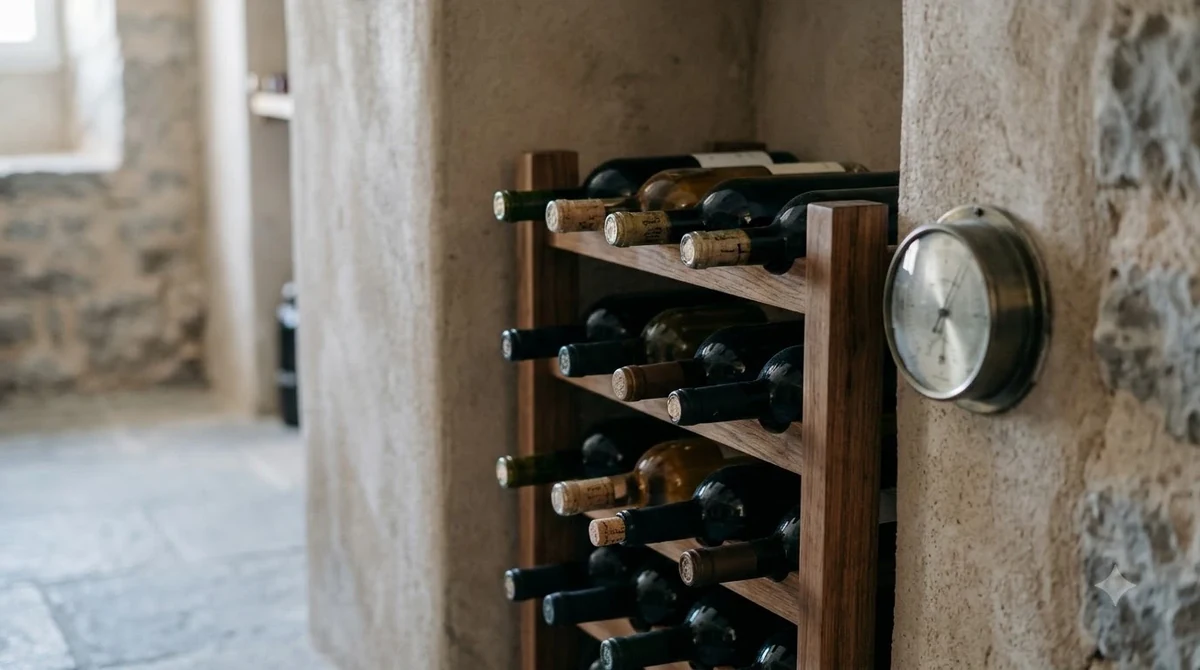
Insignia is also relevant to collectors who pay attention to storage history and bottle provenance. An older vintage may be attractive because it has had more time to develop, but age alone does not prove that a bottle is in good condition or that it deserves a higher asking range. A buyer who wants to open the wine soon should prioritize reliable storage and a clearly identified vintage over the romance of an old label. For a broader explanation of the wine itself, the dedicated Insignia wine page is a useful companion to this price guide.
Key Factors to Compare
Vintage, seller, bottle size, and provenance do more to explain an Insignia listing than the label name alone. A useful comparison starts with a standard 750 ml bottle and then separates the price evidence by vintage rather than blending all years into one average.
Current retail trackers show why it helps to compare like with like. WinesRate listed California retailer offers for the 2022 750 ml bottle from about $295 to $400, while Caveau’s U.S. shop-price data showed a 2021 range of about $290 to $365, a 2019 range of about $270 to $380, and a 2018 range of about $290 to $365. These are listing snapshots, not guaranteed checkout totals or formal appraisals.
| Vintage | Bottle size | Observed U.S. retail range | Price source and snapshot |
|---|---|---|---|
| 2022 | 750 ml | About $295–$399.97 | WinesRate California listings, checked November 17, 2026 |
| 2021 | 750 ml | About $290–$365 | Caveau U.S. shop listings, October 2026 |
| 2019 | 750 ml | About $270–$380 | Caveau U.S. shop listings, October 2026 |
| 2018 | 750 ml | About $290–$365 | Caveau U.S. shop listings, October 2026 |
Across those vintage-specific listings, a practical recent U.S. budgeting range is about $270 to $400 for a 750 ml bottle, based on Caveau and WinesRate; prices vary by state and retailer, and shipping, tax, inventory, and delivery restrictions can change the final checkout amount. The winery’s own release page is a separate reference point from resale listings, so do not assume a producer-direct release offer and a shop’s current offer represent the same transaction or the same vintage. The Caveau vintage-by-vintage price overview explains that its shop figures are drawn from public U.S. retail listings rather than auction results.
Vintage matters because each year has a distinct blend, growing season, and supply situation. The available tracking examples do not show a simple rule that older bottles always cost more: Caveau places the 2019 below the 2021 by its reported typical shop figure, while the observed ranges overlap. Treat any cross-vintage comparison as a starting point, not a ranking of quality. If the listing does not clearly identify the vintage, ask the seller to confirm it before comparing the offer with other bottles.
Step-by-Step: How to Compare an Insignia Listing
A consistent five-step check can prevent a buyer from comparing the wrong vintage or paying a premium for unclear bottle history. Work through the label details first, then assess the price against matching listings and the wine’s intended use.
- Confirm the producer and wine name. Look for Joseph Phelps and Insignia together, with Napa Valley identified as the origin. Do not confuse the flagship blend with a producer’s separate Napa Valley Cabernet Sauvignon or with another winery’s similarly named wine.
- Identify the vintage and format. Record the harvest year and bottle size, beginning with 750 ml as the standard comparison. A 2018 listing should be compared with other 2018 bottles, not treated as interchangeable with 2019, 2021, or 2022.
- Gather at least three comparable offers. Compare listings from different U.S. retailers or a price-tracking page, and make sure all show the same vintage and size. Use a range rather than the lowest advertised number as the only measure; a very low listing can be unavailable, out of stock, or subject to shipping limits.
- Check bottle condition and seller terms. For an older bottle, ask about storage temperature, fill level, capsule condition, and return policy. For a current release, verify whether the retailer has stock and can ship to the destination state before relying on the displayed offer.
- Match the bottle to your plan. Decide whether it will be opened soon, held for several years, or given as a gift. That choice affects whether a recently released vintage, a mature bottle with credible provenance, or a presentation-ready package is the better purchase.
Keep a comparison note with six fields: vintage, bottle size, seller, displayed range, condition, and shipping. That prevents a 2019 listing from being mistaken for a 2021 offer.
Price trackers are a starting point; confirm that the retailer’s offer is current before checkout. Inventory and shipping rules may change before purchase.
Types or Styles Explained
Insignia is best understood as a vintage-specific Bordeaux-style red blend built around Cabernet Sauvignon, rather than as one fixed recipe. The grape proportions and vineyard contributions can shift, while the overall identity remains a concentrated Napa Valley red with structure for food and bottle development.
The 2021 Insignia is a clear example of the Cabernet-led formula: Joseph Phelps lists 93% Cabernet Sauvignon, 3% Petit Verdot, 2% Malbec, and 2% Cabernet Franc. The winery identifies the fruit as 100% estate grown and lists contributions from Yountville in the Oak Knoll District, Banca Dorada in Rutherford, Las Rocas in Stags Leap District, Home Ranch in St. Helena, Suscol in South Napa Valley, and Barboza in Stags Leap District. These named sites illustrate why the finished wine is presented as a blend of Napa Valley components rather than a single-vineyard bottling.
The winery also reports 24 months of aging in 100% new French oak for the 2021 vintage. That barrel aging helps explain why oak-derived notes such as baking spice, cedar, and cocoa can sit alongside black fruit, but the oak is not the only source of character. Cabernet Sauvignon provides the wine’s firm tannin and dark-fruited frame, while smaller portions of blending grapes can contribute color, aromatic detail, or texture. The exact impact depends on the vintage and the balance of the final blend.
The proportions are not fixed across the label’s history: Joseph Phelps lists the 2019 at 93% Cabernet Sauvignon, 5% Petit Verdot, and 2% Malbec, compared with a 2021 blend that also includes Cabernet Franc. Read the technical details for the specific year rather than assuming all vintages share one recipe. Insignia also has a long history as a proprietary blend. Joseph Phelps says the idea for a new blend representing the best lots from each vintage dates to 1974. The winery’s history page describes the wine as California’s first proprietary red Bordeaux-style blend, and explains that the name was selected to represent the finest lots of each harvest. The producer’s 2021 Insignia profile lists that vintage’s blend and vineyard sources. For background on other wine labels and categories, the site’s Wine Brands directory can help put Insignia in a wider buying context without confusing it with a grape-variety designation.
Common Mistakes When Comparing Prices
The most frequent pricing mistake is treating every Insignia offer as directly comparable. A vintage, format, seller, or bottle condition mismatch can make two listings look like a bargain comparison when they are actually different products.
One common error is assuming a newer vintage must be more expensive or an older vintage must be cheaper. The Caveau ranges show overlap among 2018, 2019, and 2021, and its reported typical prices do not rise in a straight line with age. A vintage’s reputation, remaining stock, retailer inventory, and demand can all influence the price. Treat vintage as a key comparison field, not as a simple age-based discount formula.
Another mistake is relying on a single low offer. A listing can be out of stock, restricted to local pickup, or unavailable for shipment to a particular state. WinesRate notes that its displayed offers are matched to the exact wine and that prices and availability may change; even so, buyers should confirm the current retailer page before making a decision. A price tracker is a screening tool, not a substitute for checking the seller’s checkout terms.
Finally, do not assume a tasting note determines the right price. Reviews can explain style and cellar potential, but the seller’s range still depends on supply, location, and vintage. Use tasting context to judge fit, then compare matching listings to judge the offer.
Care and Storage Tips for a Premium Napa Red
Good storage protects the value of a bottle after purchase, while thoughtful serving helps show the wine’s structure without making its alcohol or tannin feel harsh. Keep an unopened bottle stable and cool, then give a young, full-bodied vintage enough time to open before serving.
For longer storage, keep the bottle on its side in a dark, vibration-free place near 55°F, with steady conditions rather than repeated temperature swings. Avoid a sunny kitchen counter, a warm garage, or a cabinet beside an oven. Heat can accelerate aging and damage the wine’s freshness; large swings in temperature can also compromise the closure over time. If a dedicated wine refrigerator is unavailable, a consistently cool interior closet is generally more suitable than a warm room, although it may not provide the precision of a cellar.
Serve a full-bodied red around 60°F to 65°F rather than at a warm room temperature. A bottle poured too warm can emphasize alcohol, while a very cold bottle can mute fruit and make tannins seem firmer. Let a bottle cool gradually if it has been stored in a warm environment, and avoid leaving it in an ice bucket for an extended period. A few degrees can noticeably change the balance between fruit, acidity, oak, and tannin.
For a young, structured vintage, plan on 30 to 60 minutes of decanting as a practical starting point. Pour slowly into a decanter or large vessel and taste along the way; the wine may become more expressive as air softens the first impression of firm tannin. Older bottles require more care because extended aeration can fade delicate aromas. Stand an older bottle upright before opening so sediment can settle, then pour carefully and stop when sediment approaches the neck.
Tip: Open the bottle before guests arrive, taste a small pour, and decide whether the wine needs a full 30 to 60 minutes of air. For an older vintage, begin with a gentle pour rather than automatically giving it a long decant.
Frequently Asked Questions
These details clarify the wine’s identity and history, from its 1974 debut to the distinct vineyard and blend choices behind individual vintages such as 2011 and 2019.
Is Insignia named after a particular vineyard?
No. Joseph Phelps explains that the word was chosen to mean a distinguishing mark or emblem representing the winery’s finest lots from a given harvest. The name describes the wine’s flagship role, not a single vineyard or an appellation inside Napa Valley.
Has Insignia ever included Merlot?
Yes. The 2011 Insignia technical notes list 2% Merlot alongside Cabernet Sauvignon, Petit Verdot, Malbec, and Cabernet Franc. That historical blend is another reminder that the grape formula can change substantially across vintages.
Did the 2019 vintage add a new estate vineyard?
Yes. Joseph Phelps’ 2019 winemaking notes identify El Venadito in the Oak Knoll District as a new estate vineyard contribution for that vintage. Its inclusion makes the 2019 blend a useful example of how the winery’s vineyard sources can develop over time.
Was the 2002 Insignia named Wine of the Year?
Yes. Joseph Phelps’ history page says Wine Spectator named the 2002 vintage Wine of the Year in 2005. That recognition is a historical milestone, not a guarantee that every vintage will receive the same distinction.
What were the 2011 harvest dates for Insignia?
Joseph Phelps lists the 2011 harvest period as October 3 through November 1. The final Insignia grape block picked that year was Cabernet Sauvignon from the Home Ranch Vineyard on November 1.
For most buyers, the sensible starting point is to compare the same vintage and 750 ml format across several reputable U.S. sellers, then weigh the listing against the bottle’s storage history and intended use. Recent retail tracking suggests a broad premium range rather than one fixed Insignia price, so a careful vintage-by-vintage comparison is the clearest way to judge an offer.
More in Wine Brands
 Underwood Wine Price: Compare Bottles, Cans, and Pack SizesUpdated Nov 21, 2026
 Zenato Wine Price: Compare Styles and Choose the Right BottleUpdated Nov 21, 2026
 Zuccardi Wine Price: Compare Bottles and Find the Right RangeUpdated Nov 21, 2026
 Yellow Tail Moscato Review: Taste, Sweetness and Serving TipsUpdated Nov 21, 2026
 Wolf Blass Yellow Label Review: Choose Your Best StyleUpdated Nov 21, 2026
 Wolffer Estate Rose Review: Choose the Right Bottle for Your TableUpdated Nov 21, 2026