

We may earn a commission when you buy through links on this page, at no extra cost to you. Learn more.
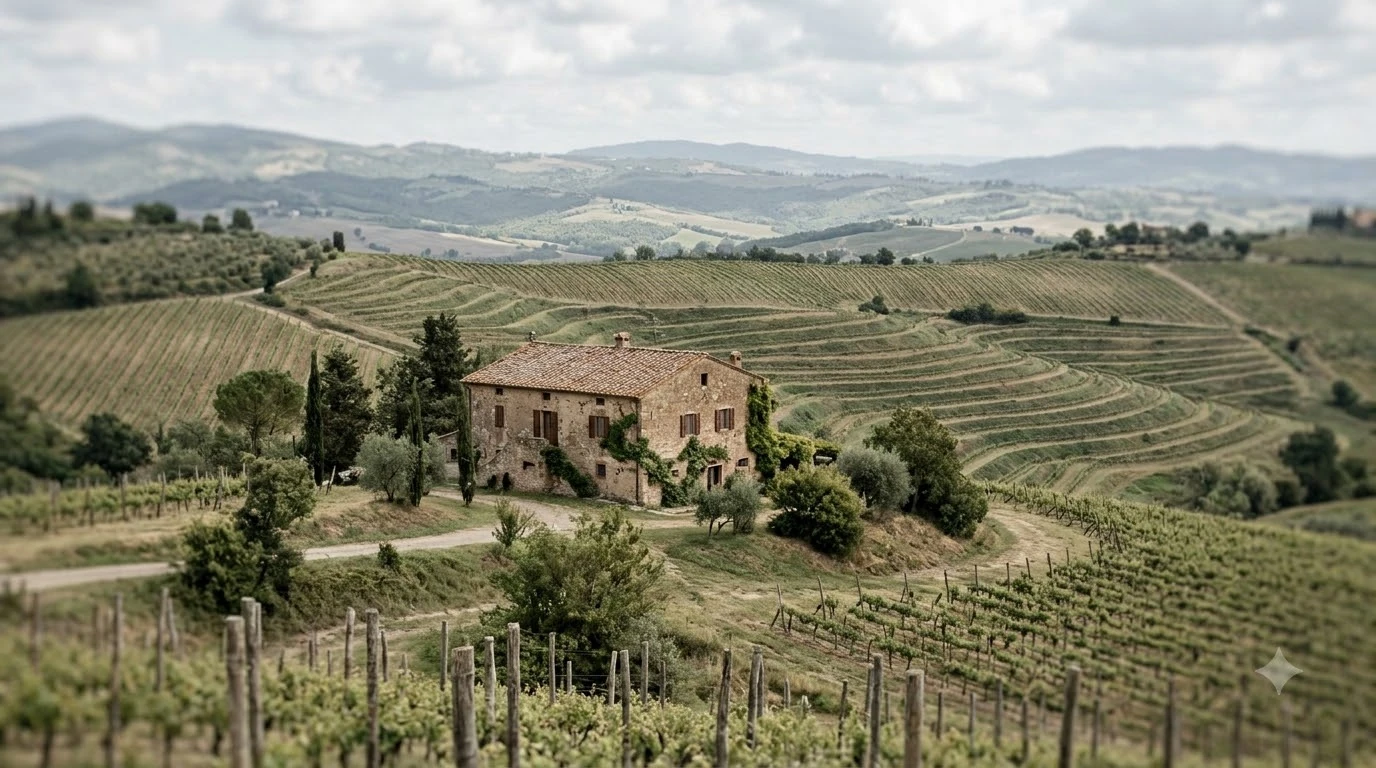
India wine country is centered on Maharashtra and Karnataka, where tropical vineyards, high-altitude growing sites, and internationally recognized grape varieties produce distinctive Indian wines. Nashik is the country’s best-known wine destination, while Nandi Hills, Sangli, Solapur, and the Hampi Hills contribute to a broader and increasingly diverse industry. From crisp Chenin Blanc and aromatic Sauvignon Blanc to ripe Shiraz and Cabernet Sauvignon blends, Indian wines offer a different perspective on winemaking in a warm climate.
India is not the first country many American wine drinkers associate with vineyard landscapes, but its modern wine industry has developed a recognizable identity. Its producers work with unusual growing seasons, monsoon rainfall, elevated vineyard sites, and grape varieties familiar to international wine drinkers. Understanding the country’s geography and seasonal growing cycle makes it easier to appreciate why a Chenin Blanc from Nashik can taste different from one produced in France or South Africa. This guide explores the leading regions, important grapes, characteristic wine styles, and practical considerations for discovering Indian wine.
Where India’s Wine Industry Is Concentrated
India’s commercial wine industry is concentrated primarily in Maharashtra and Karnataka. These two states have the most established production infrastructure, important vineyard districts, and producers working with internationally recognized wine grapes.
Maharashtra is the country’s leading wine-producing state. Nashik is its most recognizable center, supported by additional growing areas around Sangli, Solapur, Pune, and Ahmednagar. The combination of established wineries, agricultural expertise, and proximity to major cities has helped Maharashtra develop a strong position in domestic wine production. According to the USDA Foreign Agricultural Service’s regional breakdown, Maharashtra accounted for approximately 90 percent of Indian wine production, compared with approximately 7 percent for Karnataka.
Karnataka is the second major center of production. Its wine-growing geography includes Nandi Hills near Bengaluru, the Krishna Valley, the Cauvery Valley, and the Hampi Hills. These locations provide different elevations and growing conditions, allowing producers to experiment with several grape varieties and wine styles. Karnataka’s importance is also reflected in its state wine policy, introduced in 2007, and its establishment of a dedicated wine board.
Smaller wine-producing activities also occur in places such as Goa and Himachal Pradesh. These areas are not comparable in production scale to Maharashtra, but they demonstrate that Indian viticulture is not restricted to one climate or geographic zone. Different regions offer opportunities for experimentation, particularly where elevation and local weather conditions can moderate heat.
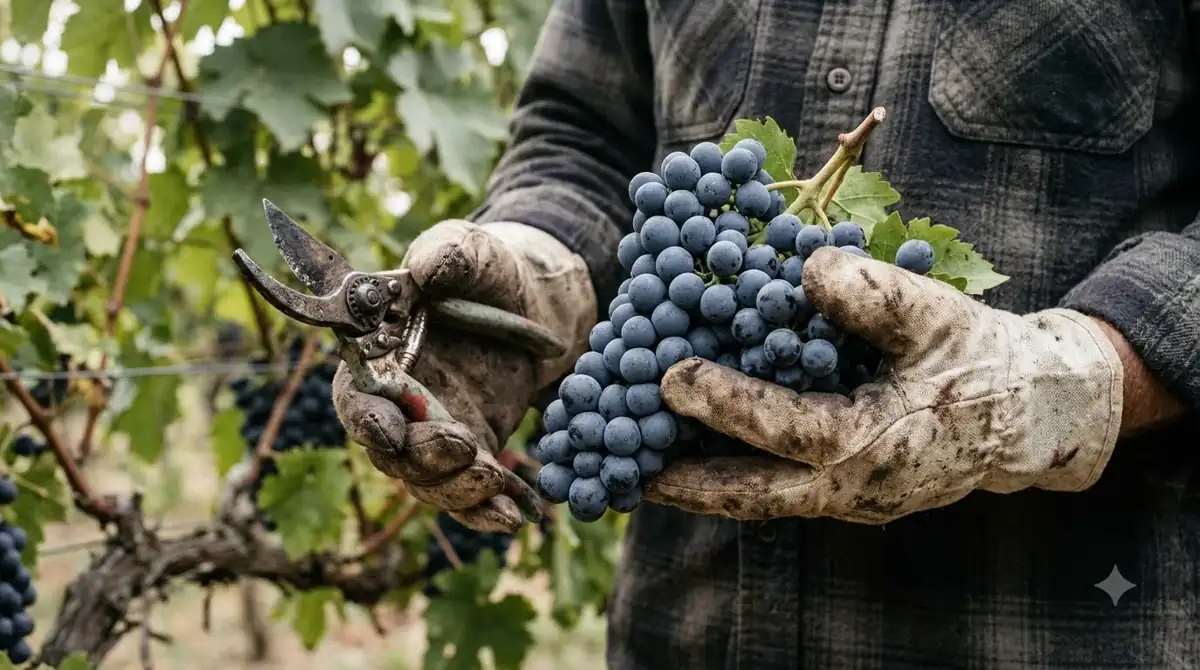
For American readers, it is useful to distinguish commercial wine production from India’s much larger table-grape industry. Growing grapes does not automatically mean a region produces wine. Many Indian farms specialize in fresh fruit or raisins, while wine producers select varieties and vineyard practices intended for fermentation. This distinction explains why the country’s wine map is considerably more concentrated than its general grape-growing map.
Readers comparing international wine regions can also explore Wine Regions to understand how climate, elevation, geography, and grape selection influence regional wine identities.
Nashik: The Center of Indian Wine Tourism
Nashik, in Maharashtra, is the most important destination for understanding India’s modern wine industry. Its established wineries, varied vineyard sites, and accessibility from Mumbai make it the country’s best-known wine tourism center.
Nashik lies approximately 190 kilometers northeast of Mumbai. The surrounding countryside includes vineyards, hills, lakes, and agricultural land, creating a setting quite different from the metropolitan environment. Its wine-growing landscape benefits from variations in elevation, soil composition, and rainfall. The Western Ghats influence monsoon patterns, producing substantial differences between wetter locations such as Igatpuri and the drier inland areas.
The region’s growing conditions help explain its range of wine styles. Warm daytime temperatures support grape ripening, while cooler nighttime conditions can help preserve freshness. Red laterite and sandy loam soils are among the soil types found around the region. Water availability and the influence of surrounding hills and lakes also contribute to differences between vineyard sites.
Nashik’s commercial wine development gathered momentum during the 1990s and early 2000s. Sula Vineyards became an important part of this transformation, while other producers helped establish a wider network of wineries. Names associated with the region include Grover Zampa, York Winery, Soma Vineyards, Chandon India, and Vallonné Vineyards. Their presence gives visitors opportunities to encounter different approaches to fermentation, blending, vineyard management, and hospitality.
The region is also attractive because wine tourism extends beyond the tasting room. Visitors can combine winery experiences with local restaurants, countryside accommodation, historic temples, and the area’s ancient caves. Some wineries organize guided tastings, vineyard walks, and educational sessions that introduce the differences between white and red grape varieties.
Important Nashik producers
Sula Vineyards is among the best-known names in Indian wine and played an important role in introducing more consumers to domestic wines. Its estate has helped popularize organized vineyard visits and tasting experiences. Grover Zampa provides another important reference point, with a portfolio and production approach that includes experimentation with fermentation vessels and wine styles.
Vallonné Vineyards represents another part of Nashik’s developing identity. The producer has pursued experimentation with grape varieties and winemaking approaches, contributing to the region’s range beyond familiar commercial styles. Chandon India adds a sparkling wine dimension to the area’s production landscape.
Rather than treating every Nashik winery as producing the same style, visitors should compare the grapes used, the amount of oak influence, and the degree of sweetness. A Chenin Blanc, a Sauvignon Blanc, and a Shiraz from the same general region can provide very different drinking experiences.
For additional background on the country’s wine-producing history, grape varieties, and regional development, the Wine Enthusiast history of Indian wine provides a useful overview of the producers and growing areas that helped establish the modern industry.
Karnataka, Nandi Hills, And The Southern Wine Regions
Karnataka offers a second major perspective on Indian wine, with vineyards distributed across several regional growing areas. Nandi Hills, the Krishna Valley, the Cauvery Valley, and the Hampi Hills are important names for understanding the state’s wine geography.
Nandi Hills is particularly significant because of its elevation and proximity to Bengaluru. The surrounding highland environment can provide more moderate temperatures than lower-lying tropical agricultural districts. The WSET identifies an average altitude of approximately 950 meters for the Bangalore and southern Karnataka wine region, compared with approximately 600 meters around Nashik.
Elevation matters because grape development depends on more than average daytime temperature. Cooler nights can slow ripening and help preserve acidity, while local conditions influence the accumulation of sugar and the development of aromatic compounds. This makes elevated southern vineyards particularly interesting for producers seeking balance in a warm climate.
The Hampi Hills provide a different setting. The historic landscape around Hampi is associated with distinctive terrain and a growing interest in premium wine production. KRSMA Estates is one of the producers connected with this area. Its location illustrates how Indian wine development has expanded beyond the established Maharashtra cluster.
The Krishna and Cauvery valleys are also important names in Karnataka’s recognized wine-growing geography. Their regional identities reflect the state’s broader agricultural diversity. The distinction between these areas is useful because the name Karnataka alone does not describe one uniform climate or wine style.
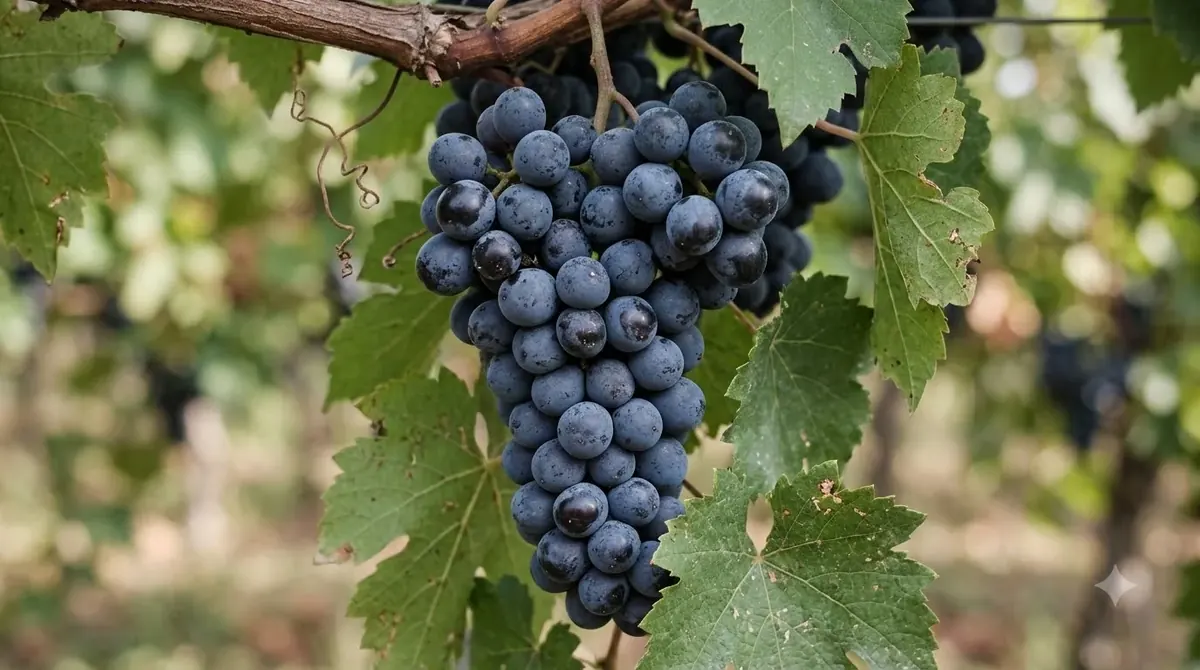
Harvest timing varies within the state. According to the USDA Foreign Agricultural Service, southern Karnataka generally harvests between March and May, while northern Karnataka typically harvests from February to March. These differences reflect local growing conditions and show why a single national harvest calendar would be misleading.
Another significant Maharashtra location is Akluj in the Solapur area, where Fratelli Wines is based. Its presence demonstrates that premium Indian wine production is not limited to Nashik. Comparing producers from Akluj and Nashik gives drinkers a better understanding of the influence of vineyard location, grape selection, and winemaking choices.
Readers interested in how American regional wine industries develop can compare these Indian growing areas with Yadkin Valley wine country, where geography and local grape-growing conditions also contribute to regional identity.
India’s Tropical Climate And Vineyard Calendar
India’s tropical and subtropical growing conditions create a vineyard calendar that differs considerably from the traditional European cycle. The monsoon, warm temperatures, and limited winter dormancy require producers to manage vines around distinct seasonal changes.
Most commercial vineyards in the principal southern regions experience two broad seasonal periods. The wet summer months bring the southwest monsoon, generally between May and September. The cooler, drier winter period provides the principal opportunity for grape ripening and harvesting.
The WSET describes winter temperatures in important southern growing areas as having daytime highs that can reach approximately 35 degrees Celsius and nighttime lows around 15 degrees Celsius. This day-to-night variation is important because it can support the retention of acidity during grape development. Conditions vary considerably between individual vineyards, particularly where elevation and rainfall differ.
One major distinction is that Indian vines generally do not enter complete dormancy. In many traditional European regions, cold winter conditions allow vines to rest before beginning a new growing cycle in spring. India’s warmer conditions require growers to manage the vine’s growth through pruning and canopy work at different times of the year.
Quality-focused producers may prune twice annually. The WSET describes one pruning period after the May harvest and another following the monsoon, between early August and late September. These practices help growers organize vine development around the regional seasonal pattern.
Rainfall is another important consideration. The Nashik region illustrates how dramatically conditions can change over relatively short distances. The WSET reports approximately 3,500 millimeters of annual rainfall around Igatpuri, compared with approximately 500 millimeters in some inland subregions. Such differences affect vineyard management, disease pressure, water availability, and the suitability of particular sites.
Why harvest dates matter
Indian harvest periods are not aligned with the northern hemisphere’s familiar September and October schedule. Nashik’s main harvest generally occurs during the winter months, with the USDA describing a December-to-March period. Karnataka’s harvest varies according to location, with southern areas generally harvesting later than northern districts.
For wine enthusiasts, this unusual calendar provides an important reminder that wine seasons are determined by local climate rather than a universal agricultural timetable. It also influences winery operations, grape transportation, fermentation scheduling, and the timing of vineyard tourism.
For a more detailed explanation of how monsoon patterns and vineyard elevation shape Indian wine, the WSET overview of Indian wine regions discusses the country’s unusual growing cycle and its influence on grape selection.
Tip: If you are planning an Indian vineyard visit, ask individual wineries about their harvest and tasting schedules before traveling. December through March is a useful starting point for researching Nashik harvest experiences, but actual dates vary by producer and growing conditions.
The Main Grapes And Wine Styles Of India
Indian wineries work with a combination of internationally familiar grapes and a smaller selection of indigenous varieties. Chenin Blanc, Sauvignon Blanc, Cabernet Sauvignon, and Shiraz are particularly important to the modern industry.
Chenin Blanc is one of the most versatile white varieties produced in India. It can be made in dry, off-dry, or sweeter styles, making it suitable for different consumer preferences and food pairings. Its naturally high acidity also helps it remain refreshing in a warm-climate wine portfolio.
Sauvignon Blanc provides another important white wine style. It is generally associated with lively acidity and aromatic characteristics that can include citrus, green fruit, and herbal notes. Chardonnay is also produced, with some examples using oak maturation to develop additional texture and flavors associated with vanilla, toast, or creaminess.
Among red varieties, Shiraz and Cabernet Sauvignon have an important position. Shiraz can produce ripe, full-bodied wines with dark fruit and spice characteristics. Cabernet Sauvignon generally contributes firmer tannins and structure, particularly in blends. Merlot is another option, offering a softer profile that can complement more structured varieties.
Cabernet Sauvignon and Shiraz blends are particularly associated with Indian red wine production. These wines combine Cabernet’s structural qualities with Shiraz’s ripe fruit character. The resulting style can be approachable when young while retaining enough structure for more substantial food pairings.
Other varieties include Viognier, Malbec, Riesling, Tempranillo, Sangiovese, and Pinot Noir. Their presence reflects the willingness of producers to experiment with different grape varieties. Not all varieties perform equally well in every Indian growing area, so vineyard location and management remain important factors in determining commercial success.
Indigenous Indian grape varieties
India also has native grape resources and traditional varieties. The USDA identifies Anabeshi, Arkavati, and Arkashyam among indigenous varieties used or considered in the country’s grape-growing landscape. These should be distinguished from internationally familiar Vitis vinifera grapes, which dominate many premium commercial wine programs.
Bangalore Blue and Bangalore Purple are additional grape names associated with India. The WSET explains that these grapes are hybrids involving Vitis vinifera and Vitis labrusca. Their distinctive flavor characteristics make them different from the international varieties typically associated with premium still wine production.
For someone beginning to explore Indian wine, Chenin Blanc is a useful starting point for whites, while Shiraz and Cabernet-Shiraz blends provide a practical introduction to the country’s red wine styles.
How To Taste And Pair Indian Wines
Indian wines can work particularly well with the country’s varied cuisine, especially when acidity, sweetness, tannin, and alcohol are considered alongside spice intensity. The best pairing depends on the specific wine rather than simply its country of origin.
For white wines, Chenin Blanc is a useful match for dishes involving coconut, herbs, vegetables, and moderate spice. A dry version can complement grilled fish, chicken, and lighter curries. An off-dry Chenin Blanc may be more suitable for dishes containing chili, aromatic spices, or a touch of sweetness.
Sauvignon Blanc works well with dishes that feature citrus, herbs, green vegetables, and fresh acidity. Try it with tandoori-style chicken, grilled prawns, or vegetable preparations with coriander and lime. The wine’s high acidity helps refresh the palate between bites.
Chardonnay is more suitable for dishes with richer textures. Cream-based sauces, roasted poultry, and buttery preparations can work well with a fuller-bodied example. A lightly oaked Chardonnay may also complement grilled seafood, provided the preparation does not rely on excessive chili heat.
For reds, Shiraz is a natural option for grilled meats, kebabs, and dishes with roasted spices. Its fruit-forward profile can complement smoky flavors. Cabernet Sauvignon is more suitable for richer meat dishes because its higher tannin content works well with protein and fat.
Cabernet-Shiraz blends offer another practical option for Indian cuisine. Their combination of fruit, structure, and spice can work with lamb, grilled beef, and richly seasoned preparations. However, wines with substantial alcohol and tannin can intensify the sensation of chili heat.
Practical pairing guidelines
Sweetness is important when pairing wine with spicy or sweet dishes. A wine should be at least as sweet as the dessert it accompanies, while food with significant acidity generally needs a wine with equal or higher acidity. Salt and fat can soften the perception of tannin, making structured reds easier to enjoy with rich foods.
Oily fish generally works better with white wines than tannic reds. A fresh Sauvignon Blanc or Chenin Blanc is a more practical starting point than Cabernet Sauvignon. Likewise, dishes with intense chili heat are often better matched with lower-alcohol, refreshing wines rather than powerful reds.
| Indian wine style | Typical characteristics | Food pairing | Serving temperature |
|---|---|---|---|
| Dry Chenin Blanc | High acidity, citrus, apple | Grilled fish, chicken, vegetable curry | 45–50 F |
| Off-dry Chenin Blanc | Fresh fruit, noticeable sweetness | Moderately spicy dishes, chili-seasoned food | 45–50 F |
| Sauvignon Blanc | High acidity, herbal and citrus notes | Seafood, salads, herb-based dishes | 45–50 F |
| Chardonnay | Medium acidity, apple, possible oak | Creamy chicken, roasted poultry | 50–55 F |
| Shiraz | Dark fruit, spice, medium-plus to high tannin | Kebabs, grilled lamb, roasted meats | 60–65 F |
| Cabernet-Shiraz blend | Ripe fruit, structure, firm tannins | Grilled beef, lamb, rich meat curries | 60–65 F |
These temperatures are practical serving ranges rather than rigid requirements. A lighter white can be served toward the cooler end of its range, while fuller whites benefit from slightly warmer service. Full-bodied Indian reds are best served slightly cooler than a warm room temperature to keep their alcohol and fruit characteristics balanced.
For general serving guidance, pour approximately 5 ounces per glass. A standard 750-milliliter bottle provides about five such servings. Store unopened bottles on their sides in a cool location near 55 F, away from direct sunlight and significant temperature changes.
Indian Wine Tourism And Choosing Bottles
Wine tourism is an important part of India’s developing wine identity, particularly around Nashik. Visitors can experience vineyards, winery facilities, guided tastings, restaurants, and accommodation rather than simply purchasing bottles from retail shops.
Nashik is an especially practical starting point for a wine-focused trip. Its wineries provide different experiences, from established tasting destinations to smaller operations emphasizing vineyard management and production. A visit to Sula can introduce newcomers to the region’s commercial wine culture, while Grover Zampa and Vallonné offer additional opportunities to compare wine styles and production methods.
Some producers have developed hospitality facilities with restaurants and overnight accommodation. Others focus more heavily on educational visits, winery tours, and production explanations. The Vinchur Wine Park, for example, represents a different side of the Nashik industry, with facilities associated with production, testing, and storage rather than exclusively tourism-oriented experiences.
When planning a visit, consider the following practical details:
- Contact wineries before arriving to confirm tasting availability and visitor requirements.
- Allow enough time to visit at least two producers rather than rushing through several estates.
- Ask whether tastings include white, red, and sparkling wines.
- Consider visiting during the harvest period if seeing grape processing is important.
- Arrange transportation in advance if the itinerary includes multiple wineries.
- Check whether restaurants require advance reservations.
When choosing bottles, begin with the grape variety and style rather than assuming that all Indian wines taste alike. A dry Chenin Blanc is a useful introduction for white wine drinkers, while an off-dry version may be more approachable for people who enjoy a little sweetness. Red wine enthusiasts can start with Shiraz or Cabernet-Shiraz blends.
Consider the winemaking approach as well. Stainless-steel fermentation often preserves fresh fruit characteristics, while oak maturation can contribute texture, spice, and additional complexity. Sparkling wine is another category worth exploring, including bottle-fermented examples made from Chenin Blanc or Shiraz.
Wine tourism in India also provides a useful comparison with other emerging American wine destinations. For example, Hill Country vineyards demonstrate how wine estates can become part of a broader regional hospitality and tourism experience.
For wine drinkers in the United States, availability of Indian bottles can vary considerably by importer, distributor, and state. Start by checking specialist wine retailers and restaurants with international wine lists. If a particular producer is unavailable locally, another Indian producer working with the same grape variety can still offer a useful introduction to the country’s regional styles.
Frequently Asked Questions
Does India have an official wine appellation system?
Karnataka recognizes four regional wine appellations: Nandi Valley, Krishna Valley, Cauvery Valley, and Hampi Hills. These geographic designations provide a regional framework for identifying wine-growing areas within the state. They should not automatically be interpreted as equivalent to France’s tightly regulated appellation hierarchy.
Is Indian wine exported to the United States?
Indian wine has an international export presence, although availability differs by market and producer. The Indian wine industry has developed export relationships with several international destinations, including the United States. American availability depends on importers, distribution arrangements, and state-level alcohol regulations.
What is the difference between Indian wine and Indian grape wine?
Indian grape wine is produced by fermenting grapes, while the broader Indian fruit-wine category can include fermented products made from other fruits. Mango, apple, and other fruit-based wines represent a different category from conventional grape wines made with Chenin Blanc, Cabernet Sauvignon, or Shiraz. Reading the product description helps distinguish these categories.
Can Indian wineries produce sparkling wine?
Yes. Indian producers make sparkling wines using different production methods, including bottle fermentation. Chenin Blanc is one grape used for sparkling wine production, while Shiraz can be used for sparkling rosé. These styles offer an alternative to the country’s more familiar still white and red wines.
Why are Indian vineyards often located at higher elevations?
Elevation helps moderate temperatures in a country where many wine-growing areas experience substantial tropical heat. Higher sites can provide cooler conditions and greater differences between daytime and nighttime temperatures. These factors can influence grape ripening, aromatic development, and acidity retention, although individual vineyard exposure and rainfall remain important.
India’s wine industry combines established commercial regions, distinctive tropical growing conditions, and an increasingly varied selection of international and indigenous grape resources. Nashik remains the essential starting point, while Karnataka and smaller growing areas provide additional styles and regional character. Exploring Indian Chenin Blanc, Sauvignon Blanc, Shiraz, and Cabernet-Shiraz blends is an excellent way to understand how geography and winemaking adapt to one of the world’s most distinctive vineyard environments.
More in Wine Regions
 Willcox Wine Trail: Discover Arizona’s High-Elevation Wine CountryUpdated Nov 20, 2026
 Yakima Valley Wine Region: Find the Best Styles to TryUpdated Nov 20, 2026
 Vosne Romanee Wine Tasting: Identify Aromas and Choose Better PairingsUpdated Nov 20, 2026
 Yakima Valley Wine Festival: Find the Best Seasonal Wine EventsUpdated Nov 20, 2026
 Wales Vineyards: Discover Cool-Climate Wines and Where to VisitUpdated Nov 20, 2026
 Yountville Wine Festival: Discover Napa Wines and Local FoodUpdated Nov 20, 2026