

We may earn a commission when you buy through links on this page, at no extra cost to you. Learn more.
Today, india vineyards are concentrated mainly in Maharashtra and Karnataka, with Nashik and the Nandi Hills among the country’s best-known growing areas. Their character is shaped by elevation, warm growing seasons, monsoon rainfall, and carefully timed pruning. Chenin Blanc, Sauvignon Blanc, Cabernet Sauvignon, and Shiraz are among the grapes that define the modern Indian wine scene.
India is not a single, uniformly hot vineyard zone. Its winegrowing areas stretch across the Deccan Plateau and the southern highlands, where altitude and the timing of the monsoon create meaningful differences from one district to another. Understanding those differences makes it easier to choose Indian wines, interpret their styles, and plan a visit to an estate.
India’s Vineyard Geography and Climate
India’s commercial wine production is centered on Maharashtra and Karnataka, but the vineyards within those states do not share one climate or profile. Nashik’s higher, relatively cooler sites help preserve freshness, while lower inland areas can produce riper fruit; the elevated Nandi Hills offer a different balance again.
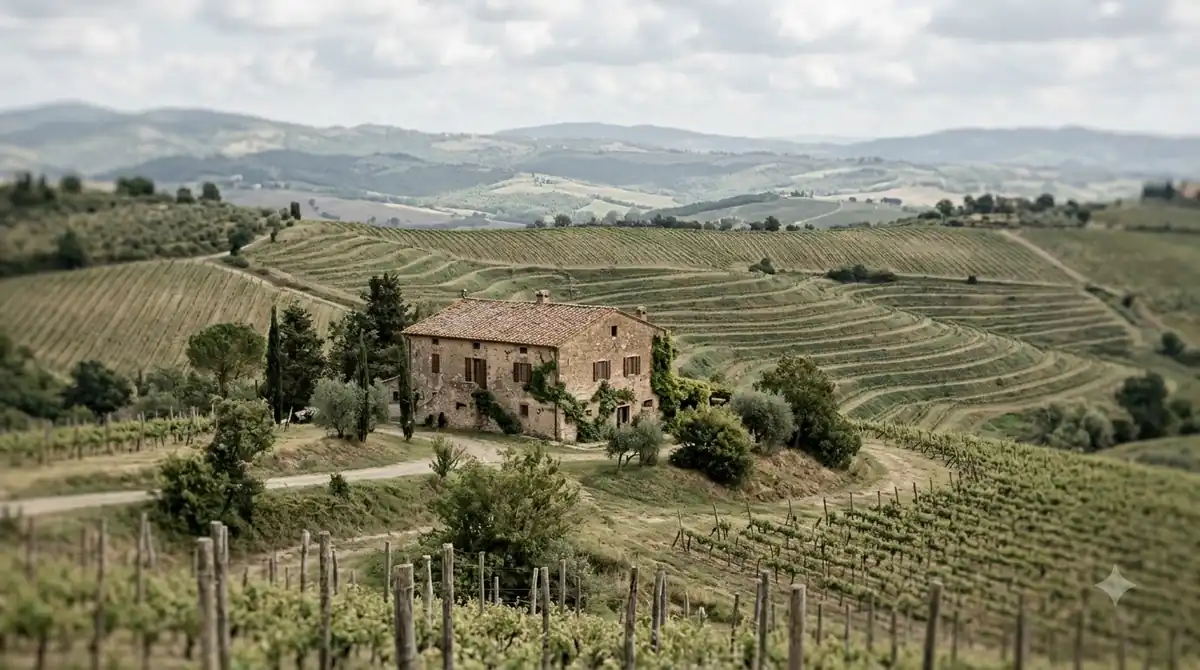
The distance between Nashik in Maharashtra and the Nandi Hills in Karnataka is about 1,000 kilometers, according to Decanter’s regional overview. Decanter places Nashik at approximately 670 meters above sea level and the Nandi Hills at 920 meters. WSET describes the broader Bangalore and southern Karnataka wine area as averaging about 950 meters, a figure for a wider zone rather than a precise measurement of every Nandi Hills vineyard. Those elevation and climate differences mean a bottle from one area should not be treated as a straightforward stand-in for a bottle from another.
| Winegrowing area | Approximate elevation | What the site can contribute |
|---|---|---|
| Nashik, Maharashtra | 670 m | Cooler growing-season conditions that can help retain acidity |
| Nandi Hills, Karnataka | 920 m | Elevated conditions selected for a more moderate growing environment |
| Bangalore and southern Karnataka wine area | 950 m average | A regional average that helps explain the area’s comparatively moderate summer temperatures |
Rainfall is just as uneven. WSET notes that the Western Ghats intercept monsoon clouds around the Igatpuri area, where annual rainfall can reach 3,500 millimeters, while some more inland parts of Nashik receive roughly 500 millimeters. Those figures describe sharply different local conditions within the wider region, not a rainfall average for every vineyard in Nashik.
For wine drinkers, the practical lesson is to look beyond the country name on a label. A cool-site Chenin Blanc from Nashik, a fuller Shiraz from a warmer inland site, and a Cabernet-led red from Karnataka can all be Indian wines while expressing different growing conditions. Readers comparing wine regions can use the same geographic approach when exploring Tasmania vineyards or the broader range of places covered in our Wine Regions overview.
Nashik: India’s Best-Known Wine Region
Nashik, in Maharashtra northeast of Mumbai, is the country’s most established wine destination and the center of many of its best-known producers. Its higher sites, subregional variation, and concentration of wineries make it the clearest place to begin learning about Indian wine.
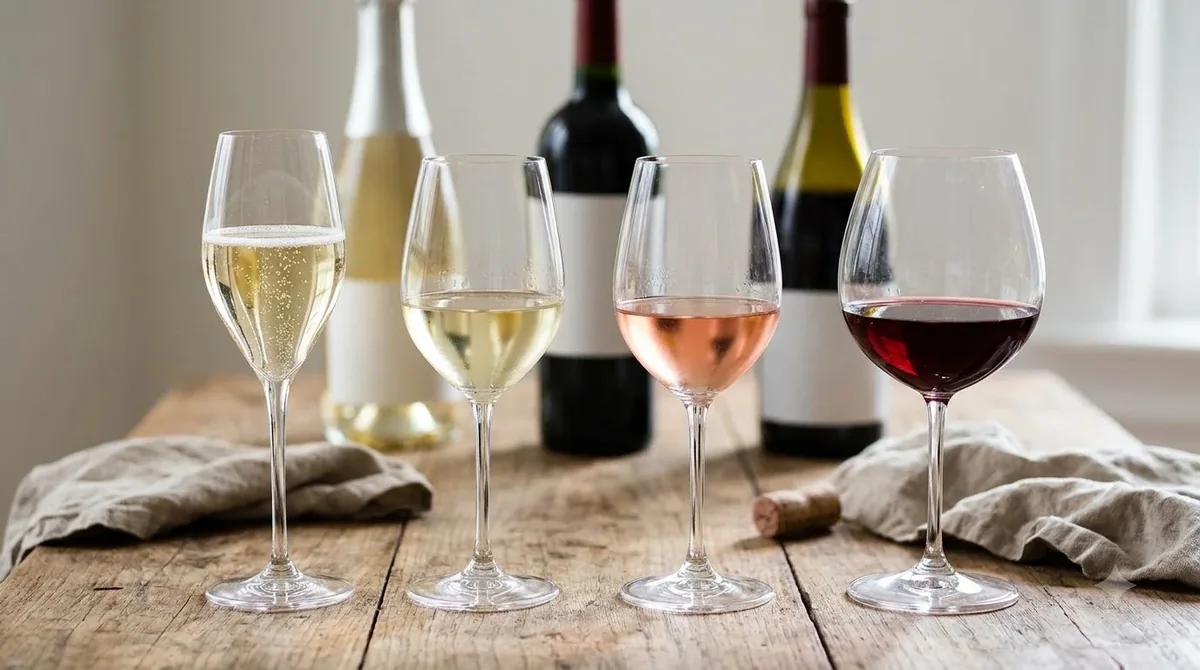
Decanter locates Nashik about 180 kilometers northeast of Mumbai and gives the city’s vineyard altitude as around 670 meters. The region is not uniform: the Dindori area is associated with more serious expressions of Viognier and Shiraz, while the wider district includes wineries working with both international varieties and sparkling-wine grapes. This range helps explain why Nashik can produce fresh whites, structured reds, rosé, and sparkling bottlings rather than one signature style.
Sula Vineyards, Grover Zampa, Chandon India, York Winery, and Vallonné are among the names that have helped establish Nashik’s wine identity. Decanter traces Sula’s founding to 1997, when Rajeev Samant returned to his native Nashik, and describes Sula as the country’s largest winery. Wine Enthusiast also identifies Sula, Vallonné, and Chandon India as visitor options in the region, making the district a natural starting point for winery visits.
Different estates offer distinct reasons to pay attention. Chandon India uses Chenin Blanc for its Brut sparkling wine and a Syrah-Zinfandel blend for its rosé, a choice Wine Enthusiast attributes to the local climate and soils. Vallonné, in the Igatpuri area near Kavnai, describes itself as a boutique estate with a winery, hotel, restaurant, and tasting experiences; its portfolio includes Chenin Blanc, Riesling, Viognier, Cabernet Sauvignon, Merlot, and Syrah.
Karnataka: Nandi Hills, Bangalore, and Hampi
Karnataka is the other major pillar of Indian winegrowing, with Nandi Hills near Bengaluru the best-known reference point. Its higher elevation helped attract early investment, while other areas of the state contribute different growing conditions and a broader set of producers.
Decanter reports that Kanwal Grover selected the Nandi Hills, at about 920 meters, as the base for Grover Vineyards. He launched the winery’s first wines in 1996 after developing an interest in wine during business trips to France in the 1980s. Grover Zampa remains closely associated with the hills, although Decanter notes that the group also has a base in Nashik, illustrating how a winery’s identity can span more than one Indian growing area.
Karnataka’s wine story also extends beyond the Bengaluru area. Decanter places KRSMA Estates near the World Heritage site of Hampi and describes its wines as fine and age-worthy. Lower-altitude inland vineyards such as Bijapur, in northern Karnataka, can deliver riper grapes and a plusher profile than higher sites, according to Decanter’s regional overview. When comparing Karnataka wines, start with the named vineyard or region rather than assuming all state-grown fruit tastes alike; the same geographic habit helps when exploring Uruguay vineyards.
Grapes and Wine Styles to Know
The leading grapes in Indian wine include Sauvignon Blanc, Chenin Blanc, Cabernet Sauvignon, and Shiraz. These varieties support a broad range of styles, from crisp whites and off-dry Chenin to ripe reds and the Cabernet-Shiraz blend often treated as a classic Indian red combination.
WSET identifies Sauvignon Blanc, Chenin Blanc, Cabernet Sauvignon, and Shiraz as the four most significant varieties by volume. Chenin Blanc is particularly flexible because it can be made with different levels of residual sugar, while Shiraz and Cabernet Sauvignon can be blended to give a fruit-forward red with generous tannins. These styles work well as an introduction because they show both the freshness and ripe-fruit character that Indian producers can achieve.
Other international grapes widen the picture. Decanter mentions Viognier and Shiraz in the Dindori area, and lists Riesling, Chardonnay, Zinfandel, Merlot, and Grenache among the varieties grown by Indian wineries. Sangiovese is another point of interest: Decanter identifies Fratelli Wines as the sole Indian producer of the variety in its overview.
Vallonné’s own range illustrates the variety of formats possible within one estate. Its website lists white wines such as Chenin Blanc, Riesling, and Viognier, reds from Cabernet Sauvignon, Merlot, and Syrah, a Cabernet Sauvignon rosé, and a dessert wine made from grapes dried in specially built straw huts. Chandon India offers another local interpretation through its Chenin-based Brut and Syrah-Zinfandel rosé. For readers interested in how grape choice, altitude, and local traditions interact in a historic European appellation, Chianti Classico vineyards offer a useful comparison.
Monsoon, Pruning, and the Indian Harvest Calendar
India’s subtropical vineyard cycle differs from the familiar dormant-winter pattern of many European regions. The monsoon, warm temperatures, and the timing of pruning shape the growing season, while the harvest generally arrives during the cooler, drier part of the year.
WSET explains that the southwest monsoon brings most annual rainfall between May and September. In many subtropical vineyards, vines do not enter a full dormant period; after harvest, growers prune to begin another cycle. Quality-focused producers may prune twice: once after the harvest in May and again after the monsoon, from early August into late September, before the next growing season. Decanter notes that some growers delay this pre-growing-season pruning until late August or even early October if they are not confident the rains have ended; a later pruning generally means a later harvest in the new year.
Pruning also helps manage disease risk. Decanter explains that cutting back excess vegetative growth reduces the chance of fungal infection if further rain arrives. In a region where monsoon timing can vary from one district to another, this work is not a fixed date on the calendar but a response to local weather and vineyard conditions.
Harvest order can vary by site and season, but the broad sequence gives a useful picture of how producers work. Decanter says grapes for sparkling base wines are often picked from mid- or late December, whites follow in January, and red grapes are harvested later. The final ripening period requires close attention because temperatures can rise quickly from late February into early April, increasing the risk that grapes become overripe before picking. WSET’s rainfall contrast between Igatpuri, at about 3,500 millimeters, and inland Nashik, at about 500 millimeters, reinforces why no single calendar fits every vineyard.
Tip: When a bottle lists a specific subregion or estate, use that detail as a clue to its likely style. In India, the difference between a higher Nashik site, a wetter Igatpuri vineyard, and a warmer inland location can be just as meaningful as the grape name.
Planning a Vineyard Visit and Tasting Indian Wine
Nashik is the most straightforward base for a first vineyard visit because it has a concentration of established wineries and is within reach of Mumbai. A visit can combine a tasting with a look at vineyards, cellar practices, and the regional landscape that shapes the wine.
Wine Enthusiast names Sula, Vallonné, and Chandon India among Nashik’s visitor-friendly wineries. Vallonné’s official site confirms that it offers winery tours and tasting sessions, alongside a four-room hotel and its Yelloh restaurant. Its setting near Kavnai and the Mukhne Dam also gives visitors a chance to see the Igatpuri landscape rather than only the production area. A larger producer can offer a broader range of labels, while a boutique estate such as Vallonné can connect a smaller portfolio with vineyard and restaurant experiences; confirm visit formats and opening schedules directly before setting out.
At the tasting table, start with the lighter wines before moving to fuller reds. Serve sparkling wines around 40–50°F, light whites and rosé around 45–50°F, and full-bodied reds around 60–65°F. A 5-ounce pour is a useful standard serving for comparing several wines without exhausting the palate early in the session.
Indian wines can also be paired with regional dishes. Wine Enthusiast quotes a New York restaurant general manager pairing Shiraz with tandoori lamb marinated in ginger and garlic, and Chenin Blanc with curried goat or grilled chicken with cilantro and green chilies. Refreshing acidity can balance rich or spicy food, while fruit-forward reds work well with grilled meat; very tannic reds and high alcohol can make intense chili heat feel hotter. For a home tasting, line up a Chenin Blanc, a Sauvignon Blanc, and a Shiraz from Indian producers, then add a Cabernet-Shiraz blend if available. Keep notes on acidity, body, tannin, and fruit rather than trying to assign a single flavor to the whole country.
Frequently Asked Questions
These answers add useful background to the vineyard map, from the industry’s early-1980s development to state wine policy and native hybrid grapes. They also explain India’s connections with international wine organizations and its history of sparkling production.
When did India’s modern wine industry begin?
WSET traces the contemporary industry to the early 1980s, when entrepreneurs Shymarao Chowgule and Kanwal Grover set out to make wine in India. Their projects helped establish the commercial foundations for the wineries that followed.
Which Indian state introduced the first wine policy?
Maharashtra introduced India’s first state wine policy in 2001, according to WSET. Karnataka followed with its own policy in 2007, after policies had also been introduced in Madhya Pradesh and Tamil Nadu in 2006.
Are Bangalore Blue and Bangalore Purple used for premium wine?
WSET describes Bangalore Blue and Bangalore Purple as hybrids of Vitis vinifera and Vitis labrusca. Their distinctive foxy character has generally limited them to lower-tier wine styles rather than premium bottlings.
What organization represents India in the international wine sector?
The Indian Grape Processing Board was established in 2009. India joined the International Organisation of Vine and Wine, known as the OIV, in 2011, connecting the country with an international body focused on viticulture and wine.
Can Indian wineries make sparkling wine?
Yes. India has a history of bottle-fermented sparkling wine: Decanter records that Chateau Indage’s Omar Khayyam earned medals in UK competitions in the late 1980s. Modern producers also make sparkling wines, including both tank-fermented and bottle-fermented examples.
India’s vineyards are best understood through their regional contrasts: Nashik’s varied sites, Karnataka’s elevated hills, and the monsoon-driven vineyard calendar all shape the wines in the glass. Start with Chenin Blanc, Sauvignon Blanc, and Shiraz from named producers, then compare regions to discover the range of Indian wine.
More in Wine Regions
 Willcox Wine Trail: Discover Arizona’s High-Elevation Wine CountryUpdated Nov 20, 2026
 Yakima Valley Wine Region: Find the Best Styles to TryUpdated Nov 20, 2026
 Vosne Romanee Wine Tasting: Identify Aromas and Choose Better PairingsUpdated Nov 20, 2026
 Yakima Valley Wine Festival: Find the Best Seasonal Wine EventsUpdated Nov 20, 2026
 Wales Vineyards: Discover Cool-Climate Wines and Where to VisitUpdated Nov 20, 2026
 Yountville Wine Festival: Discover Napa Wines and Local FoodUpdated Nov 20, 2026