

We may earn a commission when you buy through links on this page, at no extra cost to you. Learn more.
Nashik vineyards are planted on the western edge of the Deccan Plateau in Maharashtra, India, and the district is widely called the Wine Capital of India. The combination of a tropical climate, a moderate elevation and a long dry season gives growers a workable cycle for wine grapes, even though most of the country is too hot and wet for them. Wikipedia’s figures for the city show that in 2013 Nashik had 22 of the 46 wineries operating in India, which makes it the country’s main base for wine production.
This guide explains where the vineyards are, how the local climate shapes the growing season, which kinds of wine and table grape come from the area, and what a visitor should expect when touring the estates. It is written for readers who want a clear picture of the region before planning a trip or ordering a bottle labeled Indian wine.
Where the Nashik Vineyards Are Located
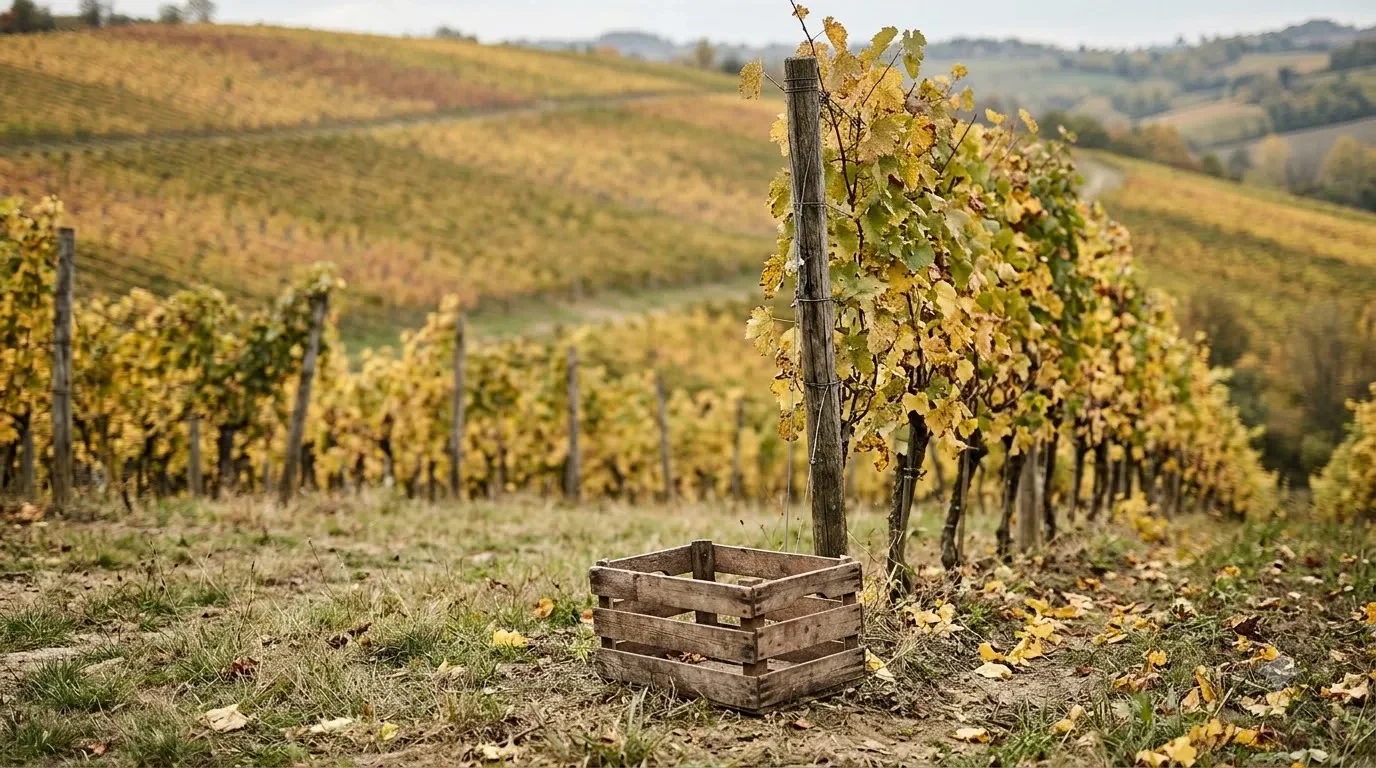
Nashik is a city in the northern part of Maharashtra, about 180 kilometres northeast of Mumbai. The vineyards are spread across the surrounding hills and plains rather than concentrated in one valley. The city’s elevation is given as roughly 584 to 602 metres above sea level, depending on which figure is used in a given source, and the land rises to the west toward Salher Peak, which reaches about 1,567 metres. That spread of altitude gives growers a range of sites, from lower plots that get more heat to higher ground that stays cooler at night.
Because the vineyards sit inside a working city region, many estates are a short drive from the urban centre, a pattern that is different from the more rural layout of places such as Prince Edward County vineyards. This is unusual for a wine district and it affects both logistics and tourism. Visitors can often reach the main tasting rooms without a long rural journey, although the best-known estates are spread out enough that a full day is needed to see more than two or three of them.
Climate and Growing Conditions
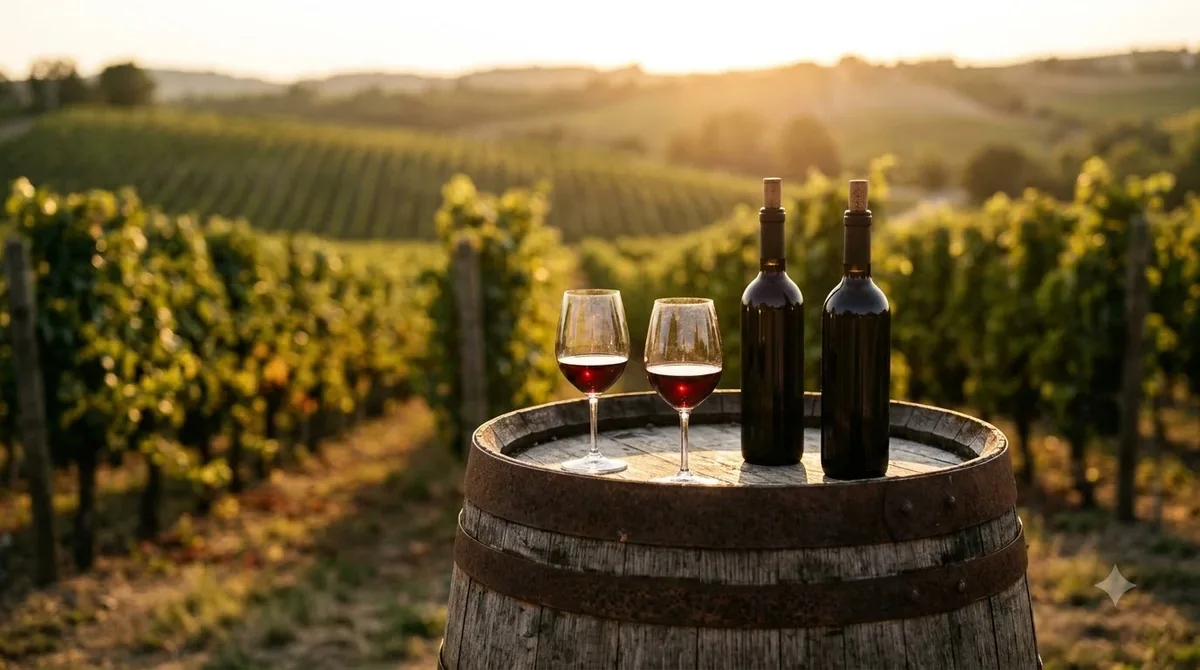
The climate is a tropical wet and dry type, classed as Aw in the Köppen system. Rain arrives with the monsoon, and the cool season from November to February is dry and clear. Growers depend on that dry window for ripening and harvest, and they manage water carefully because the wet months can bring disease pressure to the vines.
Temperatures are high for most of the year. Wikipedia’s climate figures for Nashik give a mean daily maximum of about 31.6 °C and a mean daily minimum of about 17.8 °C across the year. In the cool season, daytime highs average around 28 °C and nights drop to about 10 °C, which gives the vines a clear shift between warm days and cooler nights. Average annual rainfall is about 846 mm spread over roughly 52 rainy days.
| Month | Average rainfall (mm) | Growing relevance |
|---|---|---|
| June | 120.1 | Monsoon begins, canopy management matters |
| July | 240.6 | Heaviest rain, highest disease pressure |
| August | 196.5 | Still wet, drainage and spraying plans |
| September | 169.4 | Rain eases before the dry window |
| November to February | Very low | Dry, clear season for ripening and harvest |
Growers in other cool or wet regions face similar timing problems, as the England vineyards guide also explains. The table shows why the timing of the vine cycle matters so much. Growers need the wet months to pass without damaging the fruit, and the dry months to bring the grapes to full ripeness. The record high in the local weather data is about 44.8 °C, which means heat stress is a real issue in some seasons and growers adjust canopy and irrigation to protect the crop.
Grape Growing and Wine Production
The region is known for both wine grapes and table grapes. Wikipedia notes that the area reportedly produces around 10,000 tonnes of grapes a year, and that figure covers a mix of uses. The table grape history is older than the wine industry. In early 1925, Raosaheb Jairam Krishna Gaikwad began a table grape revolution in Ozar, a small town near Nashik, and table grapes from the area are now exported to Europe, the Middle East and parts of Asia.
For wine, the useful way to think about Nashik is as a place with a wide mix of planted varieties. Sula Vineyards, the largest vineyard in the district according to Wikipedia, lists varieties such as Chenin blanc, Riesling, Sauvignon blanc, Viognier, Grenache and Zinfandel among those it grows, with Shiraz, Cabernet Sauvignon, Chardonnay, Tempranillo, Malbec and Merlot also mentioned in its profile. Those names show the breadth of planting, but a single estate’s list should not be read as the whole region’s picture.
Large Estates and the Sula Influence
Much of the public picture of Nashik wine comes from its largest producer. Sula Vineyards was founded in 1999 by Rajeev Samant, who named the company after his mother, Sulabha. Its first vintage was made the same year. The estate runs two wine resorts close to its Nashik plant, called The Source at Sula and Beyond by Sula, and it operates tasting rooms in Nashik and at Domaine Sula in Karnataka.
Larger estates often shape what visitors see first, but the district also has smaller producers and family-run plots. When choosing where to go, look at the tasting format, the wine list and whether the estate grows its own fruit or buys in grapes. Estates that do both can give a fuller view of the local terroir than those that only bottle purchased fruit.

Harvest Season and Festivals
Harvest is the busiest time in the Nashik vineyards, and it is also when the region is most visible to outsiders. Wikipedia describes the India Grape Harvest and the SulaFest wine-and-music festival as the main seasonal events. SulaFest ran annually from 2008 and ended after 13 editions following the COVID-19 pandemic, so visitors should check whether a given event is still running before planning a trip around it.
Harvest timing follows the dry season, so the period from late in the cool months into early spring is when the fruit is picked and the estates are most active. Tours during that window often include a view of the picking and crushing, although the schedule changes from year to year.
How to Visit the Vineyards
Plan visits around the dry season, when the roads are easier and the vines are in full leaf and fruit. Many estates offer guided tours and tastings that need to be booked in advance, especially during the harvest period. A driver or a booked tour makes it easier to move between estates that are spread across the hills.
Ask each estate what is actually produced on site, since some tasting rooms pour wines made elsewhere. Check opening hours before going, and plan a meal at the estate or in town rather than assuming there will be food on arrival. Drinking responsibly is part of any winery visit, so keep the tasting moderate and arrange transport home before the first glass.
Frequently Asked Questions
Why is Nashik called the Wine Capital of India?
Wikipedia reports that the nickname reflects the district’s role as the main centre of Indian wine production. In 2013 Nashik had 22 of the 46 wineries operating in India, and the region produces a large share of the country’s wine grapes.
What climate do Nashik vineyards grow in?
The climate is tropical with a wet monsoon from roughly June to September and a dry, clear season from November to February. Growers rely on that dry window for ripening and harvest, and they manage water and disease pressure during the rainy months.
Are Nashik vineyards only for wine?
No. The area is also a major source of table grapes. Table grape cultivation in the Ozar area began in 1925, and the fruit is exported to Europe, the Middle East and parts of Asia.
When is the best time to visit Nashik vineyards?
The dry season is usually the easiest time to travel, and the harvest period offers the most activity at the estates. Because event schedules change, check with each estate before booking a tour or tasting.
Nashik has grown into one of the most recognisable wine districts in India, and its vineyards combine a demanding climate with a strong base of experienced producers. For readers who want to learn more about the wider Indian scene or compare growing regions, the wine regions guide gives a useful overview of how climate and altitude shape wine styles across the world.
More in Wine Regions
 Willcox Wine Trail: Discover Arizona’s High-Elevation Wine CountryUpdated Nov 20, 2026
 Yakima Valley Wine Region: Find the Best Styles to TryUpdated Nov 20, 2026
 Vosne Romanee Wine Tasting: Identify Aromas and Choose Better PairingsUpdated Nov 20, 2026
 Yakima Valley Wine Festival: Find the Best Seasonal Wine EventsUpdated Nov 20, 2026
 Wales Vineyards: Discover Cool-Climate Wines and Where to VisitUpdated Nov 20, 2026
 Yountville Wine Festival: Discover Napa Wines and Local FoodUpdated Nov 20, 2026