


We may earn a commission when you buy through links on this page, at no extra cost to you. Learn more.
How to store tawny port depends on whether the bottle is open: keep unopened bottles in a cool, dark, dry place and refrigerate opened bottles with a tight stopper to preserve their flavor. Unlike Vintage Port, Tawny Port has already spent time aging in oak barrels, so it generally handles oxygen better. Ordinary Tawny typically keeps for 3 to 4 weeks after opening, while age-indicated examples can last considerably longer under suitable refrigeration.
Tawny Port is a fortified Portuguese wine known for its amber color and flavors of toasted nuts, caramel, dried fruit, and spice. Its wood aging gives it a different storage profile from Ruby and Vintage Port, making it particularly convenient for people who prefer to enjoy a small glass over several evenings. However, its resistance to oxidation does not mean that an opened bottle stays fresh indefinitely. Proper temperature, a secure closure, and protection from light help preserve its distinctive character.
1. Choose the Right Storage Conditions for Unopened Tawny Port
Unopened Tawny Port should be stored in a consistently cool, dark, and dry environment, away from sunlight and heat sources. A temperature near 55°F is a useful target for long-term wine storage, although a stable, moderately cool cupboard can also work for bottles intended for relatively soon consumption.
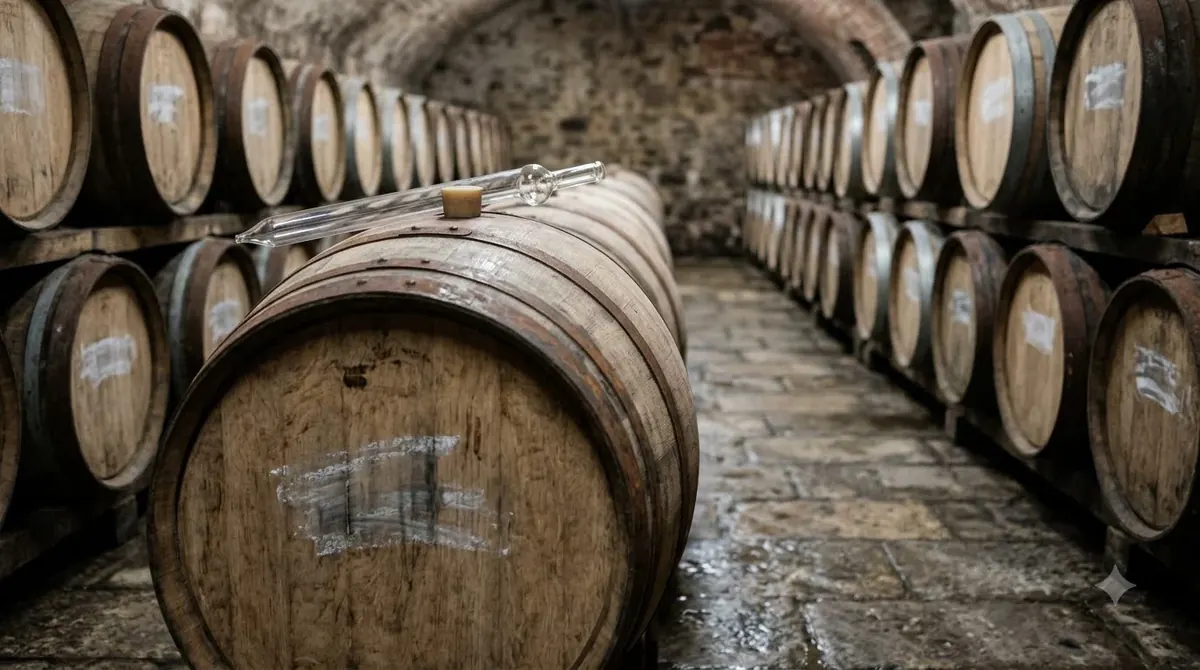
Tawny Port is different from Vintage Port because most of its maturation happens before bottling. During its time in oak, the wine gradually develops contact with oxygen, producing the nutty, dried-fruit, and caramel-like qualities associated with the style. Once bottled, it is generally ready to drink rather than intended for extended aging. Consequently, buying a bottle and keeping it for several additional years does not necessarily improve its quality.
Choose a storage location that avoids frequent temperature changes. A kitchen cupboard beside an oven, a shelf above a refrigerator, or a sunny dining-room cabinet is less suitable than an interior closet or wine-storage cabinet. Repeated heating and cooling can affect the wine and its closure, while direct sunlight can gradually damage its aromas.
Humidity is another consideration, particularly if you intend to keep a collection of wine for an extended period. A moderately humid environment helps prevent natural corks from drying out, although excessive humidity can damage labels and encourage mold on packaging. Avoid damp basements with poor ventilation and locations where bottles are exposed to condensation.
Should Unopened Tawny Port Be Refrigerated?
Refrigeration is generally unnecessary for an unopened bottle that is stored correctly in a cool location. A wine refrigerator set near 55°F is a practical option, but an ordinary refrigerator is considerably colder and is better suited to short-term chilling or opened bottles.
For example, an unopened bottle of 10-Year-Old Tawny can remain in a stable wine-storage cabinet until the occasion for serving. If the storage room becomes particularly warm during summer, moving the bottle to a cooler environment is preferable to leaving it exposed to prolonged heat.
Also consider the bottle’s closure. Many Tawny Ports use a stopper-style cork designed for convenient opening and resealing. Unlike traditional natural corks used for some age-worthy wines, these closures do not require horizontal storage to maintain contact between wine and cork.
Tip: Store everyday Tawny Port in a dark cupboard or wine cabinet with a stable temperature near 55°F. Avoid sunlight, radiators, ovens, and locations that experience repeated temperature swings.
2. Refrigerate Tawny Port Immediately After Opening
Refrigeration is the simplest and most useful way to preserve an opened bottle of Tawny Port. After pouring, close the bottle securely and return it to the refrigerator rather than leaving it on a kitchen counter or dining table overnight.
Tawny Port has already experienced controlled oxygen exposure during barrel maturation, which makes it more resistant to oxidation than Vintage Port. Nevertheless, oxygen continues to affect the wine after the bottle is opened. Over time, its fresh fruit aromas can become less pronounced, its flavors can flatten, and its overall character can become less appealing.
Cold storage slows these changes. It does not stop oxidation completely, but it helps preserve the wine’s aromas and flavor for longer. This is particularly useful when you drink Port occasionally rather than finishing a bottle in one sitting.
Wine Enthusiast reports that fine 10- and 20-year-old Tawny Ports can remain in excellent condition for approximately 2 to 3 weeks after opening, particularly when kept in the refrigerator. Some bottles with specialized resealable closures can last longer, depending on the producer’s guidance.
How to Refrigerate an Opened Bottle
Follow a simple routine every time you pour:
- Pour the amount of Tawny Port you intend to drink.
- Wipe any wine from the bottle neck so the stopper can close properly.
- Replace the original stopper or fit a clean, airtight wine stopper.
- Check that the closure is secure and does not wobble.
- Place the bottle upright in the refrigerator.
Keeping the bottle upright is particularly practical after opening because it minimizes the wine’s contact with the closure and reduces the chance of leakage. It also makes it easier to see how much wine remains.
Do not leave the bottle open while serving dinner or entertaining guests for several hours. Although Tawny Port is relatively tolerant of oxygen, unnecessary exposure still contributes to gradual flavor loss. Returning it to the refrigerator promptly after each pour is a simple habit that makes a meaningful difference.
Can You Keep Tawny Port at Room Temperature After Opening?
A short period at room temperature during serving is perfectly reasonable, but prolonged storage on the counter is not the best approach. A warm room accelerates the chemical reactions associated with oxidation, potentially reducing freshness more quickly than refrigeration.
If you enjoy having Tawny Port available after dinner, keep it chilled between occasions and remove it shortly before pouring. This provides convenient access without sacrificing as much freshness during storage.
3. Understand How Long Different Tawny Ports Last After Opening
Ordinary Tawny Port generally keeps for 3 to 4 weeks after opening when properly resealed and refrigerated. Age-indicated Tawny, such as 10-, 20-, 30-, and 40-year-old bottlings, can have a substantially longer recommended drinking window, although the precise period depends on the wine and its closure.
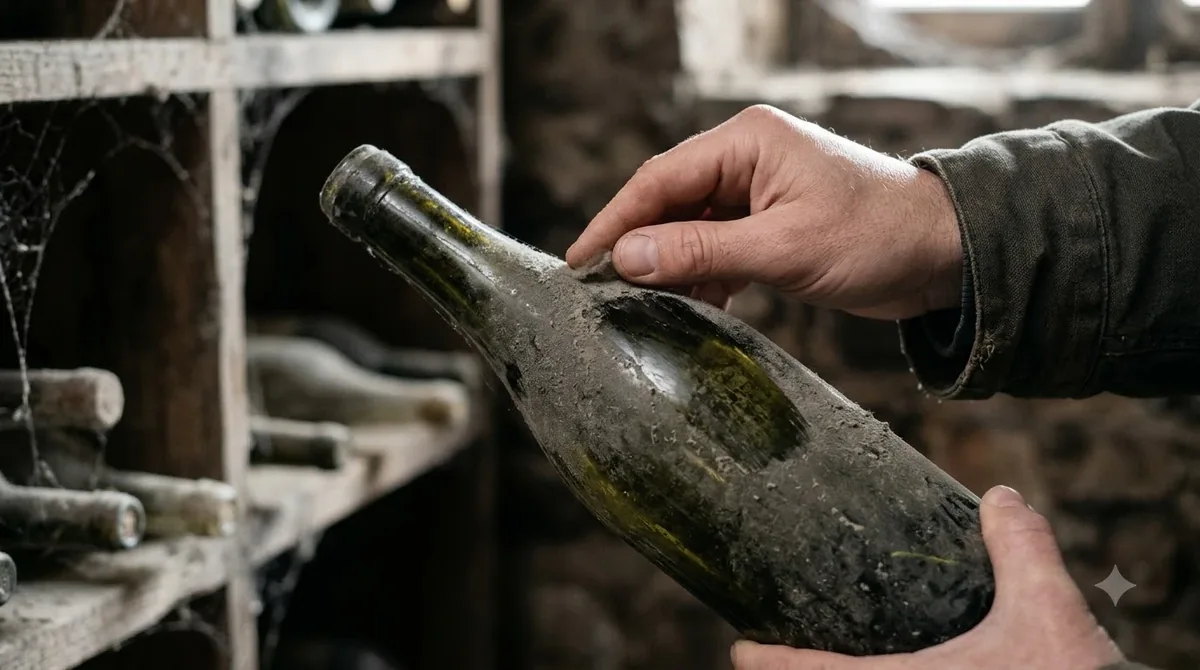
The Instituto dos Vinhos do Douro e do Porto (IVDP), Portugal’s Port wine regulatory organization, publishes indicative conservation periods for different Port categories. Its guidance distinguishes ordinary Tawny from age-indicated Tawny because the wines differ in their production and maturity. The IVDP’s Port wine conservation and serving recommendations provide useful reference periods for deciding when to finish an opened bottle.
| Port category | Suggested time after opening |
|---|---|
| Tawny and Tawny Reserve | 3 to 4 weeks |
| 10-Year-Old Tawny | 1 to 4 months |
| 20-Year-Old Tawny | 1 to 4 months |
| 30-Year-Old Tawny | 1 to 4 months |
| 40-Year-Old Tawny | 1 to 4 months |
| Colheita Port | 1 to 4 months |
These figures represent indicative guidance from the IVDP, not guaranteed freshness periods for every bottle. The organization specifically notes that younger age-indicated wines should generally be consumed earlier within the suggested range, while older examples may retain their qualities longer.
Other reputable sources offer slightly different recommendations. Wine Enthusiast cites approximately 2 to 3 weeks for fine 10- and 20-year-old Tawny, especially when refrigerated. Cockburn’s recommends consuming its Fine Tawny within 4 to 6 weeks after opening. These differences demonstrate why a producer’s instructions are useful when planning how long to keep a particular bottle.
Why Does Age Matter?
The age statement on Tawny Port refers to the style and character of a blended wine rather than the exact age of every drop in the bottle. A 20-Year-Old Tawny, for instance, is generally a blend intended to display the characteristics associated with Port matured for approximately 20 years in wood.
Older Tawny often develops more complex aromas and flavors through prolonged barrel maturation. Its established oxidative character helps explain why certain age-indicated bottlings can remain enjoyable for longer after opening. However, age alone does not guarantee an unlimited storage period.
A particularly delicate older Colheita may lose some of its most interesting aromas sooner than expected, even if the wine remains drinkable. For a special bottle, consider enjoying it over a shorter period rather than attempting to use the maximum published conservation window.
4. Use the Correct Bottle Position and Closure
Store an opened Tawny Port upright with its stopper firmly in place. This position is practical for a fortified wine that is generally bottled ready to drink and often uses a convenient bar-top or stopper-style closure.
Unlike wines intended for many years of bottle aging with traditional natural corks, most Tawny Ports do not need to lie horizontally. Keeping the bottle upright also limits the wine’s direct contact with the closure and makes accidental leakage less likely.
The most important part of the process is preventing unnecessary air exchange. A stopper that fits tightly helps limit the amount of fresh oxygen entering the bottle between servings. The original closure is often perfectly suitable if it remains clean and undamaged.
What If the Original Stopper Is Missing?
A reusable wine stopper is a practical replacement. Choose one designed to fit the bottle neck securely, preferably with a silicone or rubber seal that creates a tight closure.
A loose stopper provides limited protection because air can continue moving through the opening. Avoid using improvised materials such as paper towels, plastic wrap, or loosely inserted cork fragments as long-term closures.
If the original stopper has broken, a clean replacement is preferable to forcing damaged cork back into the bottle. Small cork fragments are not necessarily harmful, but they can make the bottle difficult to seal properly and may complicate pouring.
Do Vacuum Pumps and Inert Gas Systems Help?
Vacuum wine pumps and inert gas preservation systems can offer additional protection, although they are not essential for every Tawny Port. A secure stopper and refrigeration should remain the foundation of your storage routine.
A vacuum pump removes some air from the bottle’s headspace, while an inert gas system introduces gas intended to reduce direct contact between oxygen and the wine. Both methods have limitations, and neither reverses oxidation that has already occurred.
For a standard bottle of Tawny that you expect to finish within 3 or 4 weeks, buying specialized equipment is usually unnecessary. However, someone who regularly opens expensive 30- or 40-year-old bottles may appreciate the additional protection offered by a suitable preservation system.
5. Serve Tawny Port at the Right Temperature
Tawny Port is generally best served slightly chilled, at approximately 50°F to 57°F. This temperature range helps maintain freshness while allowing the wine’s nutty, dried-fruit, and caramel aromas to develop in the glass.
The IVDP recommends serving Tawny-style Port between 10°C and 14°C, equivalent to 50°F to 57°F. Decanter’s Richard Mayson gives a narrower recommendation of 10°C to 12°C, or approximately 50°F to 54°F, for Tawny and Colheita Port.
These recommendations explain why serving Tawny directly from a cold refrigerator can require a little adjustment. A refrigerator generally operates below the recommended serving range, so the wine may need a short rest before pouring.
How to Prepare a Bottle for Serving
If your refrigerator is set near 37°F, remove the bottle approximately 15 to 30 minutes before serving. The exact time depends on the bottle size, starting temperature, and room conditions.
For example, a 10-Year-Old Tawny served after a brief period outside the refrigerator may reveal more of its dried apricot, almond, and caramel aromas than one poured immediately at refrigerator temperature. Avoid leaving the bottle out for hours, especially in a warm dining room.
A small Port glass or moderately sized white wine glass works well. The glass should provide enough room for the wine’s aromas without requiring a large pour. A standard 5-ounce wine serving is more than many people need for Tawny Port; smaller pours allow a bottle to be enjoyed over multiple occasions.
There is also no requirement to decant most Tawny Port before serving. According to Decanter’s expert advice on drinking and serving Tawny Port, Tawny and Colheita are generally free from the sediment that makes decanting useful for some Vintage Ports. A clear glass decanter can still provide an attractive presentation, but it is optional.
Tip: If your Tawny Port has been refrigerated, allow it to warm slightly before serving. Aim for approximately 50°F to 57°F rather than serving it ice-cold.
6. Recognize Signs of Oxidation and Protect Flavor
Tawny Port is naturally developed through oxidative aging, but additional oxygen exposure after bottling can eventually reduce its freshness. The most useful warning signs are changes in aroma, flavor, and overall balance rather than a simple change in color.
Some oxidative characteristics are desirable in Tawny. Toasted nuts, caramel, dried figs, dates, and subtle wood notes are normal features of the style. Their presence alone does not mean that the wine has spoiled.
However, an opened bottle that has been stored poorly may develop dull aromas and lose the distinction between its fruit and nutty characteristics. Instead of tasting layered and balanced, the wine can seem flat, excessively sharp, or noticeably less expressive than it was when first opened.
What Changes Should You Look For?
Start by smelling the wine after pouring a small amount into a clean glass. Fresh Tawny should retain recognizable aromas consistent with its style, such as almonds, walnuts, dried apricots, orange peel, caramel, or spice.
If the wine has become unusually dull, its aromas may seem muted or tired. A noticeably vinegary smell or unpleasant flavor is another reason not to continue drinking it. These changes can indicate that the bottle has deteriorated beyond its intended drinking quality.
Color requires more careful interpretation. Tawny Port naturally ranges from reddish amber to deeper brown and golden shades, depending on its age and maturation. A brownish appearance is therefore not sufficient evidence that an opened bottle has gone bad.
Storage Habits That Help Prevent Premature Flavor Loss
Several practical habits help protect the wine throughout its recommended drinking period:
- Refrigerate the bottle immediately after serving.
- Replace the stopper securely after every pour.
- Keep the bottle upright between occasions.
- Avoid sunlight and warm kitchen surfaces.
- Minimize the time the bottle remains open during serving.
- Use a smaller, clean bottle if only a little wine remains and a suitable transfer can be made without unnecessary splashing.
The last technique can be particularly useful when a bottle is nearly empty. A large air space above the remaining wine increases its exposure to oxygen. Transferring the wine carefully into a smaller, clean, tightly sealed bottle can reduce that air space. However, avoid transferring it repeatedly, because each movement introduces additional handling and potential oxygen exposure.
Keep in mind that storage methods preserve existing quality; they do not restore aromas that have already disappeared. If an opened bottle has passed its expected drinking window and no longer tastes fresh, additional refrigeration cannot reverse the deterioration.
7. Frequently Asked Questions
Can unopened Tawny Port be stored for 10 years?
Most commercial Tawny Ports are ready to drink when purchased and are not designed to improve through extended bottle aging. Keeping a bottle for 10 years may be possible under stable storage conditions, but it is unlikely to produce the benefits associated with continued barrel maturation. Vintage Port has a different aging profile and is the more traditional choice for long-term bottle cellaring.
Does Tawny Port need to breathe before drinking?
No extended breathing period is generally necessary. Tawny Port has already developed its oxidative character during barrel maturation, so it can usually be poured and enjoyed immediately. A few minutes in the glass may help its aromas become more expressive, particularly for older bottlings.
Can Tawny Port be frozen to extend its storage life?
Freezing is not a recommended wine-preservation method. The liquid can expand as it freezes, potentially damaging the bottle or forcing the closure out of position. Repeated freezing and thawing can also compromise the wine’s texture and aromatic character.
Is Colheita Port stored in the same way as blended Tawny?
Yes, Colheita is also a wood-aged Tawny style and generally benefits from the same cool, dark storage conditions and refrigeration after opening. Its defining distinction is that it comes from a single harvest rather than the usual blend of different harvests. The harvest year and bottling year are important details when identifying a Colheita.
Does a larger Tawny Port bottle stay fresh longer after opening?
Not necessarily. A larger bottle contains more wine, but the relationship between remaining wine and air in the headspace still matters. A half-empty large bottle can experience substantial oxygen exposure, so resealing and refrigeration remain important regardless of bottle size.
Storing Tawny Port properly is straightforward: keep unopened bottles in a cool, dark location and refrigerate opened bottles with a secure stopper. Ordinary Tawny generally offers several weeks of enjoyment after opening, while age-indicated bottlings may last longer under suitable conditions. With consistent storage and sensible serving temperatures, you can preserve the wine’s characteristic nutty aromas, dried-fruit flavors, and smooth finish across multiple occasions. For more information about the style, explore our guides to Tawny Port alcohol content, Tawny Port cocktails, and wine by type.
More in Wine Types & Grapes
 Zinfandel Sugar Content: Dry Red vs. White Zinfandel GramsUpdated Nov 21, 2026
 Best Zinfandel Substitute Options for Sipping and CookingUpdated Nov 21, 2026
 Zweigelt Food Pairing: Best Dishes, Cheeses, and Serving TipsUpdated Nov 21, 2026
 Zinfandel Tannins Explained: How Structure Shapes Every BottleUpdated Nov 21, 2026
 Zinfandel Sweetness Level: Dry Red vs. Sweet White Zin ExplainedUpdated Nov 21, 2026
 Xinomavro Food Pairing: Best Dishes, Styles, and Serving TipsUpdated Nov 21, 2026