


We may earn a commission when you buy through links on this page, at no extra cost to you. Learn more.
Learning how to reseal a wine bottle means limiting air contact, so push the cork back in or use a stopper, then refrigerate the bottle. Resealing slows the changes that make opened wine taste flat and stale. It does not stop those changes, so the wine is best finished within a few days.
This guide explains which resealing methods work best, when a reseal actually helps, and how long resealed wine keeps. If you are unsure whether a bottle is still worth drinking, the sections on storage and cooking will help you decide. If you want the basics first, the Wine Q&A hub covers the terms you will see on labels. A label year matters too, so the guide on vintage in wine explains what that date means.
What Resealing a Wine Bottle Actually Does
Resealing reduces how much fresh air reaches the wine after the bottle is opened. Oxygen is the main reason opened wine loses its aroma and fruit over time. Once the wine has changed, a reseal cannot reverse it, so the timing of your reseal matters.
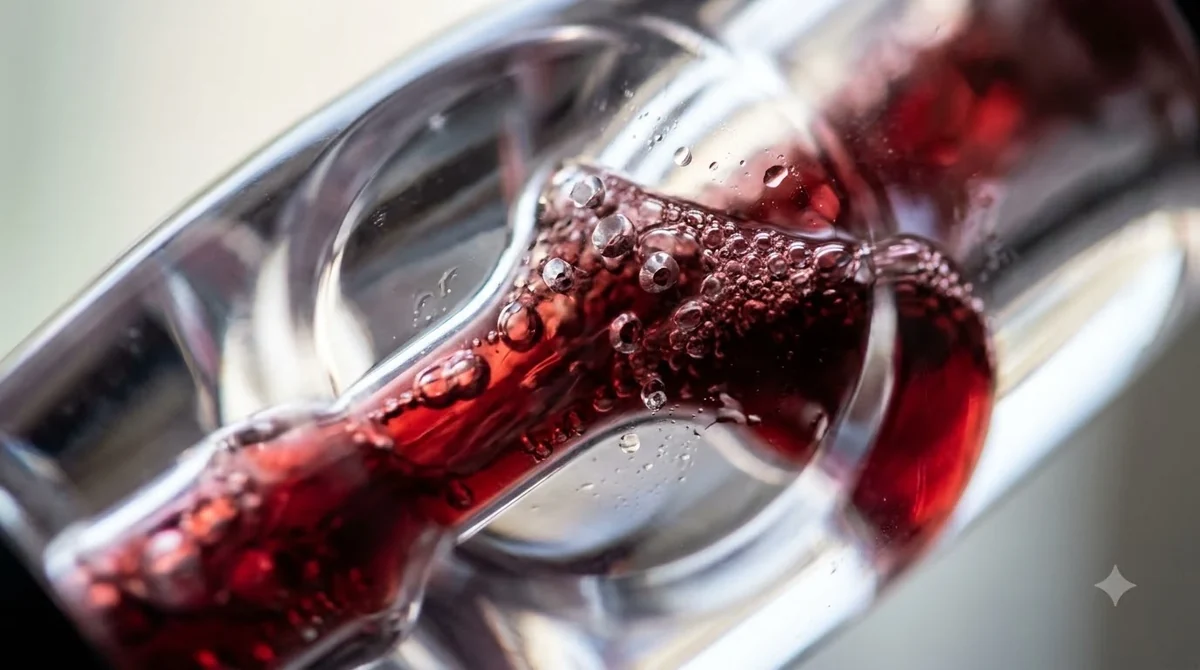
Purdue University’s news office, summarizing advice from a wine preservation engineer, describes the goal as reducing the wine’s exposure to oxygen. The methods it lists include displacing air with a gas, pulling air out with a pump, and storing wine in a smaller container. Refrigeration also helps by slowing oxidation. You can read the full list in the Purdue University tips on keeping opened wine fresh.
Before you reseal, decide how soon you plan to finish the bottle. A reseal is most useful when you expect to drink the wine within a few days. If you want to keep wine for several weeks, a simple reseal will not be enough, and you should plan a different approach.
Reseal With the Original Cork
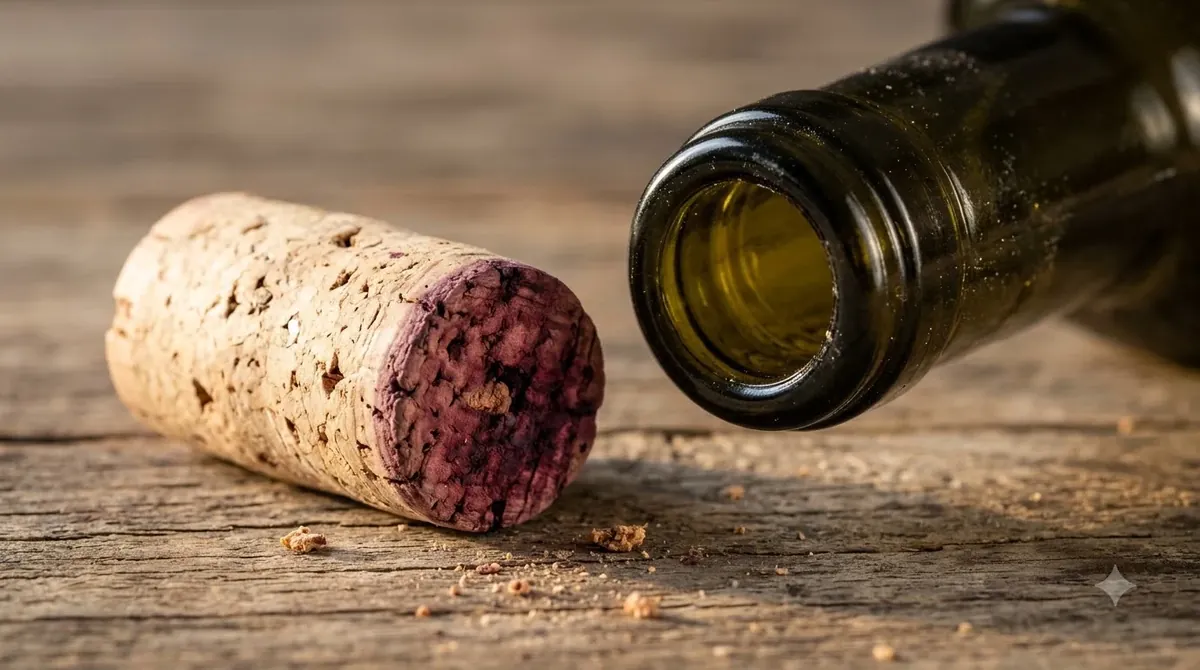
Pushing the original cork back into the bottle is the simplest option. It works best when the cork is clean, dry on the surface and still firm. A cork that has crumbled or shrunk will not seal the neck well, so inspect it before you start.
Follow these steps for a clean reseal:
- Wipe any wine off the cork and the lip of the bottle so the cork can seat evenly.
- Check that the cork is not cracked or split. Discard it if it crumbles when you handle it.
- Line the cork up with the neck and press it in with gentle, even pressure.
- Push the cork until its top sits flush with the lip or just below it.
- Store the bottle upright in the refrigerator until you are ready to pour again.
Avoid forcing the cork at an angle, since that can split it or leave gaps around the edge. Do not push a cork that is too damaged, because a broken piece can fall into the wine. If that happens, a fine-mesh strainer can remove small bits, but a stopper is the better choice for the next time.
Stoppers and Vacuum Pumps
Wine stoppers and vacuum pumps create a tighter seal than a loose cork, and some of them remove air from the bottle. They are the most common tools for home resealing. Each method has a different strength, so choose based on how long you plan to keep the wine.
| Method | How it works | Best for |
|---|---|---|
| Rubber or silicone stopper | Fits inside the neck and blocks airflow | Wine you plan to finish within a few days |
| Vacuum pump with stopper | Pulls some air out, leaving a partial vacuum | Everyday table wine kept in the fridge |
| Inert gas spray | Adds argon as a protective layer over the wine | Wine you want to keep a little longer |
| Smaller container | Leaves less air above the liquid | Splitting a large bottle into portions |
Pumps remove some oxygen, but they do not remove all of it. The wine still needs refrigeration to slow the changes that continue after opening. Check the manufacturer’s instructions for any stopper or pump, since the sealing method and recommended use can vary by product.
If you have more wine than you can finish, moving it to a smaller container can help. Less air in the container means less oxygen contact. Fill the new container as full as you can, and cap it tightly before refrigerating it.
Screw Caps and Other Closures
Screw caps are easy to reseal because they are made to be removed and replaced. Many bottles, however, come with corks, so the method you use depends on the closure on your bottle. Look at the top before you decide.
For a bottle with a screw cap, tighten the cap until it stops turning, then check that it sits straight. Clean the threads first if there is any wine residue. A cap that sits crooked may leak or let air into the bottle, which defeats the purpose of resealing.
Other closures, such as a glass stopper with a clamp or a plastic stopper, follow the same logic. Make sure the fit is snug before you store the bottle. If a stopper feels loose, replace it with one that fits the neck more securely.
How Long Resealed Wine Keeps
Resealed wine usually keeps for a few days, and results depend heavily on the style of wine. Wine Folly notes that most standard drinking wines will not last more than a few days once open. Keep your expectations realistic, and check each bottle before you pour.
Wine Folly also reports that small, full bottles kept in the fridge can last one to two weeks, and possibly longer depending on the wine. That range applies to wine moved into a small container with almost no air left above it. A bottle that is half empty with a loose cork will not reach that range.
Use your senses before you pour. Stale, flat or vinegary smells mean the wine has changed. If the aroma seems dull and the flavor tastes flat, the wine is probably past its best. Many people find that a dry red or white holds up longer than a delicate, lightly sweet wine.
Store reseals upright in the refrigerator and keep them away from the door, where temperatures change each time it opens. Cold temperatures slow oxidation. Take red wine out a short time before serving so it is not too cold. Discard any wine that smells or tastes wrong.
When to Cook With It Instead
Wine that has lost its freshness still works well in cooking. Heat changes the flavor, so a slightly tired wine often performs fine in a sauce or stew. Save your best bottles for drinking and use the older ones in the kitchen.
Wine Folly suggests freezing leftover wine in ice cube trays so it is ready for cooking. According to that guide, a cup of wine fits about 10 to 12 cubes in standard trays, which makes measuring simple. You can read more in the Wine Folly guide to leftover wine.
Good uses include braises, stews, pan sauces and risotto, where wine is reduced and the flavor concentrates. Add the wine early so the alcohol has time to cook off, and taste the dish before you season it. Avoid using wine that smells spoiled, since heat will not hide off flavors.
Wine Folly also describes making wine vinegar from leftover wine, which takes a couple of weeks and needs patience. For a quicker option, use leftover wine in sangria or mulled wine. Those drinks mask a tired wine well.
Tip: Label each resealed bottle with the date you opened it. Writing the date on a strip of tape makes it easy to decide what to drink, cook with or pour out.
Frequently Asked Questions
Can you reseal wine with the original cork?
Yes, if the cork is clean, firm and undamaged. Push it back in gently until it sits flush with the lip of the bottle. A crumbled or split cork will not seal well, so replace it with a stopper in that case.
How long does resealed wine last?
Most resealed wine keeps for only a few days, depending on the style. Wine Folly reports that small, full bottles kept in the fridge can last one to two weeks, and possibly longer depending on the wine. Always smell and taste the wine before you pour.
Does a vacuum pump keep wine fresh indefinitely?
No. A vacuum pump removes some oxygen but not all of it, so opened wine still changes over time. Refrigeration is still needed. Pumps help you extend freshness by a few days, not by weeks.
Should resealed wine go in the fridge?
Yes, in most cases. Cold temperatures slow oxidation, which is the main process that makes opened wine taste stale. Store the bottle upright and take red wine out a short time before serving.
Resealing is a useful habit when you want to finish a bottle over a few days. Use the original cork only when it is in good shape, and choose a stopper or pump for longer holds. Once the wine turns, cook with it rather than pouring it out.
More in Wine Basics
 Which Rose Is Best for Your Taste, Budget, and Food PairingsUpdated Nov 21, 2026
 Is Cheap Wine Bad? How to Find Bottles Worth DrinkingUpdated Nov 21, 2026
 What To Write On A Wine Gift Tag: Thoughtful Messages For Every OccasionUpdated Nov 21, 2026
 Which Wine Is Best For Weight Loss? Compare Lower-Calorie ChoicesUpdated Nov 21, 2026
 What Is The Best Wine For Mimosas? Choose Bubbly That Balances Orange JuiceUpdated Nov 20, 2026
 Which Prosecco Is Best for Your Taste and OccasionUpdated Nov 20, 2026