


We may earn a commission when you buy through links on this page, at no extra cost to you. Learn more.
If you are wondering how to pronounce corvina, say it as kor-VEE-nah, placing the main stress on the middle syllable. This native Italian red wine grape hails from the Veneto region in northeastern Italy, where it serves as the backbone of Valpolicella, Ripasso, and Amarone wines. In Italian, every vowel is pronounced cleanly and consistently, with the “c” sounding like a hard “k” and the “i” sounding like a long “ee.”
Walking into a wine shop or scanning an Italian restaurant list can feel intimidating when unfamiliar grape names appear on the label. Unlike French wine terms that often drop trailing consonants or blend vowels together, Italian grape names follow straightforward phonetic rules once you know where the emphasis lands.
Breaking Down the Pronunciation
Pronouncing Corvina accurately comes down to three crisp syllables: kor-VEE-nah. In standard Italian phonetics, the stressed penultimate syllable carries a long, clear “ee” sound rather than a short English “i,” while the final vowel stays open and relaxed.

Many English speakers instinctively flatten the middle vowel and say “kor-VIN-uh,” or they mistakenly soften the opening consonant. Remember that in Italian, the letter “c” before an “o” always produces a hard “k” sound, identical to the start of “cork.” Giving the second syllable extra length and clarity immediately makes the word sound authentic at a tasting counter or dinner table.
You will also frequently see the grape listed on labels and technical sheets by its fuller regional synonym, Corvina Veronese, pronounced kor-VEE-nah veh-roh-NEH-zeh. Additionally, wine shops often stock a distinct sibling variety called Corvinone (kor-vee-NOH-neh), which translates roughly to “big Corvina.” Despite sharing a similar root name and growing side by side in northern Italy, DNA profiling confirmed that Corvina and Corvinone are separate grape varieties rather than clones of the same vine.
What It Is
Corvina is an indigenous black-skinned wine grape native to northeastern Italy, celebrated primarily as the primary blending variety in the celebrated red wines of Valpolicella and Bardolino. According to Wine Folly, the grape is prized for its thick skins, moderate natural color, low to moderate tannins, and bright, mouthwatering acidity.
The name itself is widely linked to the Italian word corvo, meaning “crow” or “raven,” a nod to the deep, dark blue-black hue of the ripe berries on the vine. Left unpruned in the vineyard, Corvina naturally produces generous crop loads that can result in thin, simple wines. Skilled growers manage yields carefully through targeted pruning so the berries develop concentrated cherry fruit, herbal complexity, and structural balance.
While Corvina occasionally appears as a 100 percent varietal bottling labeled under regional Indicazione Geografica Tipica (IGT) classifications, winemakers traditionally blend it with local partners such as Rondinella and Molinara. Rondinella contributes deep color and herbal aromatics, while Molinara adds brisk acidity, allowing Corvina to supply the core red-fruit perfume and round mouthfeel.
Flavor and Styles
Corvina is remarkably versatile in the cellar, producing everything from light, picnic-ready dry reds to intensely concentrated, high-alcohol bottlings and sweet dessert wines. Its flavor profile shifts dramatically depending on whether winemakers ferment fresh grapes or partially dry the harvested bunches before crushing.
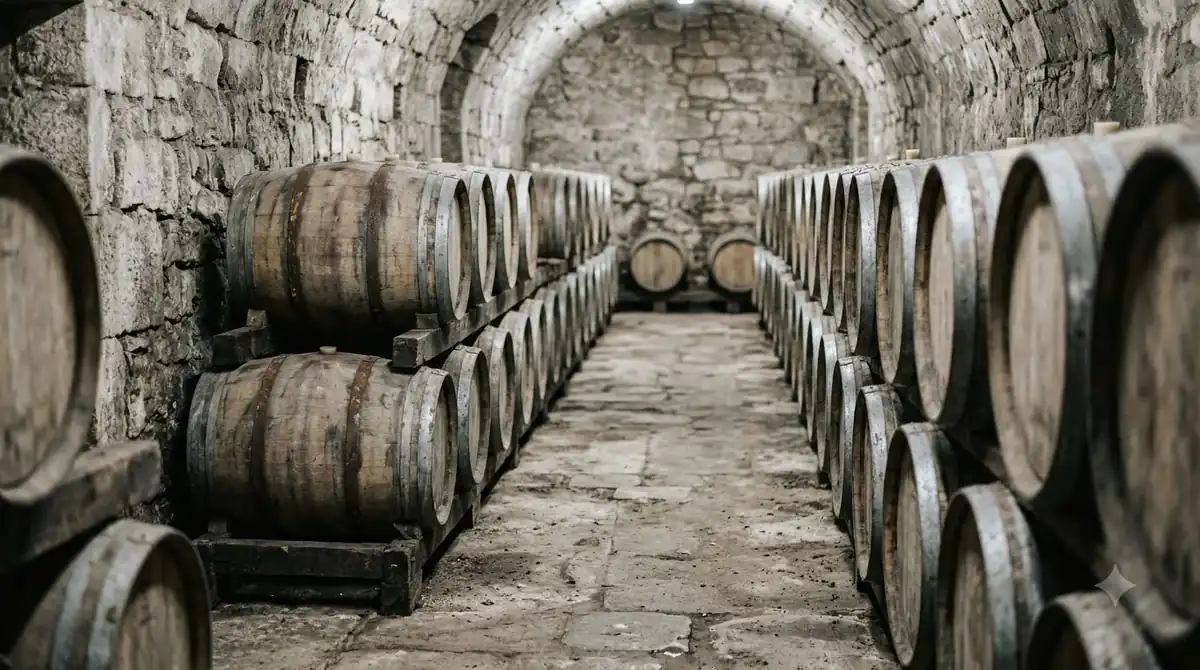
When fermented fresh, Corvina yields light- to medium-bodied dry red wines bursting with tart red cherry, wild strawberry, plum, and subtle hints of green almond, white pepper, and dried herbs. These fresh expressions—exemplified by classic Valpolicella and Bardolino—carry brisk acidity and soft tannins that make them immediately approachable in their youth. For shoppers exploring different categories on our Wine by Type guide, fresh Corvina offers a lively alternative to Pinot Noir or Beaujolais.
To create richer styles, Veneto winemakers rely on a centuries-old drying process known as appassimento. Hand-harvested bunches of thick-skinned Corvina are laid out in well-ventilated drying lofts for three to four months, losing roughly 40 percent of their moisture and concentrating their natural sugars, acids, and phenolics. Fermenting these shriveled grapes produces Amarone della Valpolicella, a full-bodied, dry wine showing dark chocolate, cinnamon, dried fig, leather, and baked black cherry notes, or Recioto della Valpolicella, a lush, sweet red wine.
| Wine Style | Grape Condition | Body & Structure | Typical ABV | Core Flavor Notes |
|---|---|---|---|---|
| Bardolino & Valpolicella Classico | Freshly harvested grapes | Light to medium body, low tannins, bright acidity | 12.5% – 13.5% | Tart red cherry, strawberry, almond, white pepper |
| Valpolicella Ripasso | Refermented on dried Amarone grape skins | Medium to full body, moderate tannins | 13.5% – 14.5% | Ripe black cherry, baking spice, plum, dried herbs |
| Amarone della Valpolicella | Partially dried grapes (appassimento) | Full body, high grippy tannins, rich texture | 15.0% – 16.5% | Dried cherry, dark chocolate, cinnamon, leather, fig |
| Recioto della Valpolicella | Partially dried grapes (fermentation halted early) | Full body, sweet, velvety tannins | 12.0% – 14.0% | Candied cherry, blackberry jam, cocoa, sweet spice |
Where It Grows
Corvina is almost exclusively tied to northeastern Italy’s Veneto region, specifically the rolling hills stretching between the eastern shores of Lake Garda and the city of Verona. According to vineyard data compiled by Wine Folly, Italy accounts for roughly 15,374 acres (6,222 hectares) of Corvina plantings, representing virtually the entire global supply.
The geography around Verona creates ideal growing conditions for late-ripening Corvina vines. Cooling breezes descending from the foothills of the Dolomites and moderating air currents off Lake Garda slow down sugar accumulation, allowing the thick skins to reach full phenolic ripeness while preserving vibrant natural acidity. Hillside vineyards with limestone, clay, and volcanic soils produce the most structured and aromatic fruit.
Outside northern Italy, Corvina remains an extreme rarity. Tiny experimental plots exist in Argentina (around 42 acres), along with single-hectare plantings in Chile and Canada, where winemakers occasionally explore Italian heritage varieties. For nearly every bottle you encounter on retail shelves, however, Corvina is strictly an authentic taste of the Veneto.
How to Serve
Serving Corvina at the right temperature and in appropriate glassware brings out its aromatic lift while keeping its alcohol and acidity in harmony. Because the grape spans such a wide spectrum of body and alcohol levels, your preparation should match the specific style in your glass.
Light, fresh styles such as Valpolicella Classico and Bardolino shine when served slightly chilled between 55°F and 60°F (12°C to 15°C). Putting the bottle in the refrigerator for about 20 to 30 minutes before pouring sharpens its tart cherry fruit and keeps the palate crisp. These lighter bottles rarely require decanting and taste best in standard medium-sized red wine glasses.
Fuller-bodied expressions—including Valpolicella Ripasso, 100 percent Corvina IGT bottlings, and Amarone—benefit from slightly warmer temperatures around 60°F to 65°F (15°C to 18°C), which is still noticeably cooler than a warm dining room. Pouring dried-grape wines into a decanter for 30 to 60 minutes allows tightly wound spice, cocoa, and dark fruit aromas to open up, especially when served in wide-bowled aroma-collector stems.
Tip: If you are practicing wine names before a dinner party, check out our quick guides on how to pronounce chardonnay and how to pronounce cuvee alongside Corvina so you can order confidently across Italian and French lists alike.
Food Pairing
Thanks to its lively natural acidity and versatile weight, Corvina ranks among the most food-friendly red grapes in Italy. As highlighted by Alcohol Professor, lighter styles built on fresh Corvina thrive alongside tomato-based dishes and rustic appetizers, while dried-grape bottlings demand rich, savory proteins.
For fresh Valpolicella or Bardolino, lean into classic Italian casual fare. Wood-fired Margherita pizza, antipasti platters with cured salami, bruschetta with ripe tomatoes, and pasta tossed in bright marinara all play off the wine’s red-cherry snap and gentle tannins. Because the tannins are low, slightly chilled fresh Corvina even pairs smoothly with grilled salmon or roasted pork tenderloin.
When pouring richer Ripasso or Amarone styles, scale up the richness and umami on the plate. Slow-braised beef short ribs, herb-crusted lamb shanks, flame-grilled portobello or porcini mushrooms, and aged hard cheeses like Parmigiano-Reggiano or aged Asiago balance the concentrated fruit, warm spice, and higher alcohol of dried-grape Corvina.
How to Choose a Bottle
Choosing the right Corvina-based wine starts with reading the regional appellation and style cues on the front label rather than looking solely for the grape name. Because Italian wine laws categorize bottles primarily by place, the grape itself often appears only on the back label or on single-varietal IGT releases.
If you want something bright, juicy, and effortless for weeknight pasta or pizza, look for bottles labeled Valpolicella DOC, Valpolicella Classico, or Bardolino. These wines emphasize fresh fruit, moderate alcohol, and vibrant acidity without heavy oak influence.
If you prefer deeper color, plush texture, and notes of baked plum and sweet spice, reach for Valpolicella Ripasso—often nicknamed “baby Amarone” because the wine undergoes a second fermentation over leftover Amarone grape skins. For special occasions or slow-cooked winter meals, choose Amarone della Valpolicella DOCG or a pure Corvina Veronese IGT bottling, and check the vintage year to see whether the wine offers youthful fruit energy or mature leather and dried-fig complexity.
Frequently Asked Questions
How do you pronounce Corvina in English and Italian?
In both Italian and standard wine English, Corvina is pronounced kor-VEE-nah. Place the primary emphasis on the middle syllable with a clear long “ee” sound, and keep the opening “c” hard like a “k.”
Is Corvina a dry or sweet red wine?
Most Corvina-based wines—including Bardolino, Valpolicella, Ripasso, and Amarone—are fermented completely dry, even though Amarone’s concentrated dried-fruit flavors can create an impression of richness. Only Recioto della Valpolicella is intentionally made as a sweet red dessert wine by halting fermentation early.
Are Corvina and Corvinone the same grape?
No, Corvina and Corvinone are distinct native Italian grape varieties. Although winemakers long assumed Corvinone was simply a larger-berried clone of Corvina, modern DNA testing proved they are separate grapes that frequently grow together in Valpolicella blends.
Why does Corvina rarely appear on the front of Italian wine labels?
Traditional Italian wine regulations classify wines by geographic appellation rather than varietal name, so Corvina is most commonly sold under regional names like Valpolicella or Amarone. You will typically only see the word Corvina printed prominently on the front label of single-varietal bottles classified under the broader Verona or Veneto IGT designations.
Mastering how to pronounce corvina as kor-VEE-nah opens the door to one of northern Italy’s most rewarding families of red wine. Whether you reach for a crisp, chilled bottle of Valpolicella on a weeknight or decant a velvety Amarone for a celebratory roast, knowing the grape behind the label makes every pour easier to navigate and enjoy.
More in Wine Types & Grapes
 Zinfandel Sugar Content: Dry Red vs. White Zinfandel GramsUpdated Nov 21, 2026
 Best Zinfandel Substitute Options for Sipping and CookingUpdated Nov 21, 2026
 Zweigelt Food Pairing: Best Dishes, Cheeses, and Serving TipsUpdated Nov 21, 2026
 Zinfandel Tannins Explained: How Structure Shapes Every BottleUpdated Nov 21, 2026
 Zinfandel Sweetness Level: Dry Red vs. Sweet White Zin ExplainedUpdated Nov 21, 2026
 Xinomavro Food Pairing: Best Dishes, Styles, and Serving TipsUpdated Nov 21, 2026